
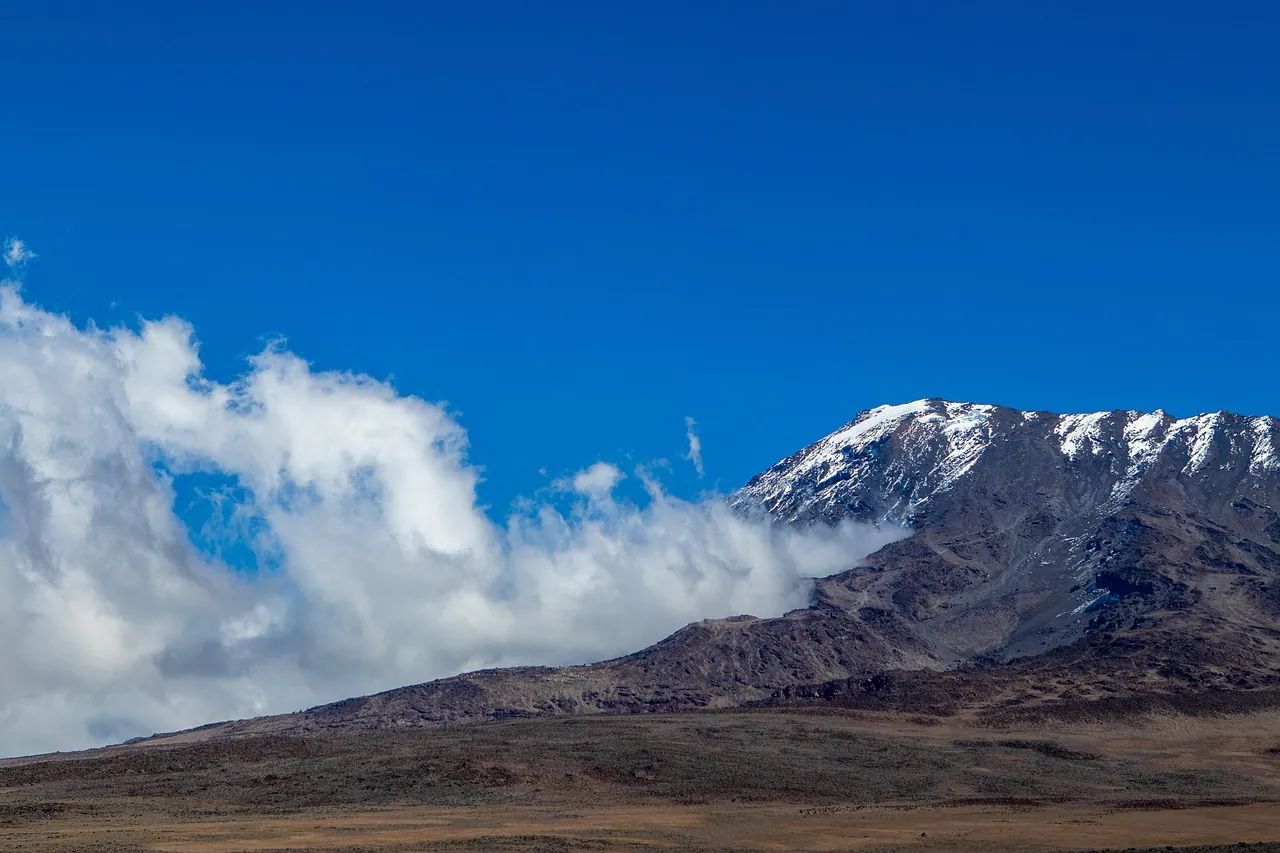
The Connoisseur's Choice
Lemosho Route
A quiet forest start, a rest day on the Shira Plateau, and the best odds on the mountain.
- Duration
- 6, 7 or 8 days
- Distance
- 70 km / 43 mi
- Summit
- 5,895 m / 19,341 ft
- Start gate
- Londorossi Gate (2,100 m)
- Finish gate
- Mweka Gate (1,640 m)
- Sleeping
- Four-season tents at every camp
- Difficulty
- Demanding but non-technical; long days eased by gradual acclimatisation
- Summit success
- Among the highest of all routes: industry estimates are commonly 85 to 95 per cent on seven or eight days.
- From
- $2,695 per person
- Best months
- Jan, Feb, Jun, Jul, Aug, Sep, Oct
The route
A quiet forest start, a rest day on the Shira Plateau, and the best odds on the mountain.
Ask seasoned Kilimanjaro guides which line they would take themselves and many name Lemosho. It begins on the western side of the mountain, in a stretch of forest that sees far fewer boots than the southern gates, and it spends its first days well away from crowds before joining the busier southern circuit.
Its real strength is time. The eight-day plan builds in a full acclimatisation day on the Shira Plateau and starts on foot in the forest, giving the body more hours at height before summit night than any other standard itinerary here. For most trekkers that extra day is the most valuable one they will pay for on the whole trip.
Shorter versions are available. A seven-day itinerary is our usual middle ground for people with general trekking experience: its first two days are gentle, saving legs for later. The six-day version drives further up and compresses the Barranco, Karanga and Barafu stretch into one demanding day, so it fits only those with recent altitude exposure and strong fitness.
The ground is all walking, no ropes. Along the way you pass giant heather, the odd groundsel tree, the volcanic plug of Lava Tower and the famous Barranco Wall. Buffalo tracks sometimes cross the lower forest trail.
- A start through ancient, little-visited forest on the mountain's western flank
- A dedicated acclimatisation day at Shira 2 Camp on the 8-day plan
- Optional side hike to Cathedral Peak (3,872 m), a superb viewpoint on the Shira Plateau
- Giant groundsel (Dendrosenecio kilimanjari) standing in the moorland, a plant of East Africa's high zones
- Lava Tower and the Barranco Wall on the shared southern circuit
- Sunrise at Stella Point and the summit at Uhuru Peak, 5,895 m
Day by day
The climb, day by day
Day 1
Londorossi Gate to Mti Mkubwa (Big Tree) Camp
Mti Mkubwa Camp
A slow, deliberate first day. After the gate formalities at Londorossi you enter some of the least-disturbed forest on Kilimanjaro, with buffalo tracks cutting across the trail. Two to three hours of easy walking brings you to camp, leaving the afternoon free to rest and adjust to the height.
- 6 km / 4 mi
- 2,650 m / 8,694 ft
- Meals
- Lunch, dinner
Day 2
Mti Mkubwa to Shira 1 Camp
Shira 1 Camp
The forest recedes, and the path climbs onto open heather and moorland along the Shira Ridge. At the top the Shira Plateau stretches ahead. Expect four to six hours and a gain of roughly 1,400 m in a single day: headaches this evening are the body's usual reaction.
- 8 km / 5 mi
- 3,500 m / 11,483 ft
- Meals
- Breakfast, lunch, dinner
Day 3
Shira 1 to Shira 2 Camp, acclimatisation day
Shira 2 Camp
This short day is what sets the 8-day Lemosho apart. A brief morning hike of four to five hours takes you to Shira 2, and the remainder of the day is for rest, fluids and an optional side trip toward Cathedral Peak. Of every standard itinerary, this offers the most useful acclimatisation.
Aim for around four litres of water today; it is the quiet job that pays off on summit night.
- 8 km / 5 mi
- 3,810 m / 12,500 ft
- Meals
- Breakfast, lunch, dinner
Day 4
Shira 2 via Lava Tower to Barranco Camp
Barranco Camp
Here the trail merges with the Machame circuit. You climb to Lava Tower at about 4,630 m, then descend roughly 700 m to Barranco Camp. Six to eight hours is a long haul, but after the rest day most people find the altitude noticeably easier to handle.
- 10 km / 6 mi
- 3,983 m / 13,068 ft
- Meals
- Breakfast, lunch, dinner
Day 5
Barranco Wall to Karanga Camp
Karanga Camp
The morning belongs to the Barranco Wall, 300 m of scrambling with hands and feet. In the afternoon you cross the Karanga Valley, home to the final water source on the route. About four to five hours in total.
- 5 km / 3 mi
- 3,995 m / 13,107 ft
- Meals
- Breakfast, lunch, dinner
Day 6
Karanga Camp to Barafu Camp
Barafu Camp
Three to four short hours lead up to Barafu, set on a rocky spine at 4,673 m. The summit briefing follows, then food and rest before a midnight start. After six days of gradual climbing, your preparation is done.
- 4 km / 2 mi
- 4,673 m / 15,331 ft
- Meals
- Breakfast, lunch, dinner
Day 7
Summit night: Uhuru Peak and down to Mweka Camp
Mweka Camp
Leaving around midnight, you head for the crater rim, reaching Stella Point at 5,739 m as the sun comes up over the Indian Ocean. Roughly 45 minutes later you stand on Uhuru Peak. The day covers about 5 km up and 12 km down, ten to fourteen hours in all, ending at Mweka Camp.
- 17 km / 11 mi
- 3,110 m / 10,203 ft
- Meals
- Breakfast, lunch, dinner
Day 8
Mweka Camp to Mweka Gate
Mweka Gate
One more morning in the forest, three to four hours down to Mweka Gate. Your summit certificate is awarded there and a driver takes you to your hotel.
- 10 km / 6 mi
- 1,640 m / 5,381 ft
- Meals
- Breakfast
Gallery
On the mountain
Photo credits: Stig Nygaard from Copenhagen, Denmark, CC BY 2.5 via Wikimedia Commons; Stig Nygaard, CC BY 2.0 via Wikimedia Commons.
What's included
- Kilimanjaro National Park entry, camping and rescue fees, plus the conservation levy
- A lead mountain guide who speaks English, with one assistant guide for every three trekkers
- One porter per trekker, carrying a duffel capped at 15 kg
- A mountain cook preparing hot meals at every camp, full board throughout
- Four-season sleeping tents, foam mats, a dining tent, a kitchen tent and a private toilet tent
- Emergency bottled oxygen carried with the team
- Pulse oximeter checks morning and evening at each camp
- A guide trained in wilderness first response
- Airport and hotel transfers, and the drive to and from the trailhead
- Summit certificate for everyone who reaches the top
- VAT and all Tanzanian taxes that apply
Not included
- International flights
- Tanzania entry visa
- Personal travel and medical insurance (compulsory for this trek)
- Personal trekking gear and clothing
- Gratuities for the mountain crew
Pricing
Price per person
The more climbers who share the crew and park costs, the lower the price for each. Prices are in US dollars.
Solo climber
$3,050
per person
Small group (2 to 4)
$2,850
per person
Group (5 or more)
$2,695
per person
Prices are per person and cover what is listed under what is included. Park fees are set by the authorities and can change, so the quote you accept is the price that applies. Gratuities and personal gear are not included.
Free guide
The Kilimanjaro Route Guide
Every route compared: distances, gates, camps, altitudes and the best months, in metric and imperial.
6
Routes compared
43
Daily stages mapped
5,895 m
Uhuru Peak (19,341 ft)
What is inside
- Every route side by side: days, distance, start and finish gates, and where you sleep
- A day-by-day table for each route with elevation and distance, in metric and imperial
- The best months to climb, shown as a month strip for every route
- What a climb typically includes, and what to ask any operator
- Straight answers to the questions climbers ask most
Who it is for. Anyone weighing up a Kilimanjaro climb who wants to compare the routes properly before choosing one.
- Free PDF, sent to your inbox
- Distances in metric and imperial
Questions
Good to know
It depends on your altitude history and your calendar. Eight days gives the best chance of summiting, thanks to the extra acclimatisation day and the forest start on foot. Seven is a solid choice for anyone with general trekking experience. Six squeezes two stages into one and is not advised for a first Kilimanjaro attempt.
Not in terms of terrain, which is the same where the two routes overlap. Lemosho simply spreads the climb over more days and is quieter early on, so it tends to feel more manageable.
Yes, longer is better. The 8-day Lemosho gives the strongest odds, the 7-day is a little lower, and the 6-day is lowest because the acclimatisation window is shorter.
You need no technical skills on any version, since it is a walking route from start to finish. Regular fitness training and some time on trails will make the days, and summit night in particular, much more enjoyable.
Late June to October and January to February are the dry spells with the clearest views. The route can be walked at other times, with more rain and cloud on the lower slopes.
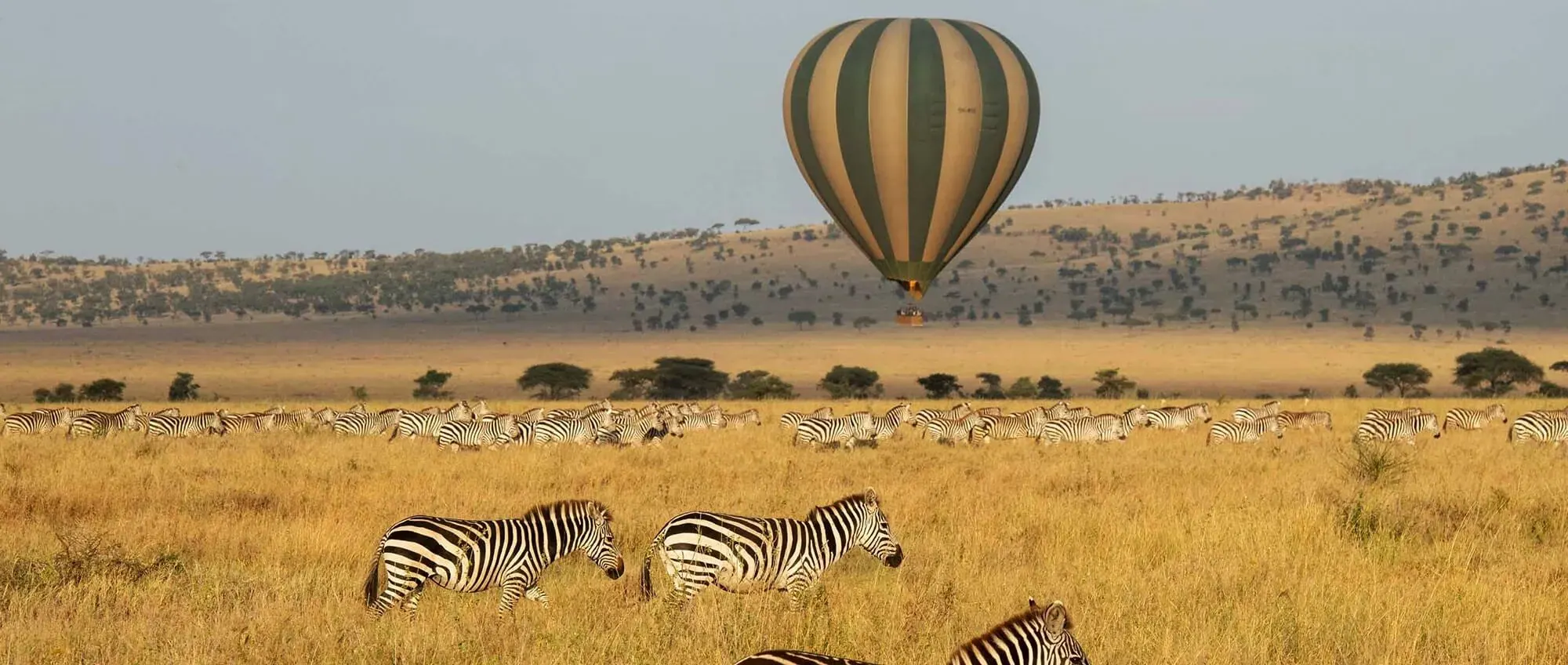
Certainly. Many trekkers add a Serengeti and Ngorongoro safari or time in Zanzibar afterwards, which keeps travel efficient while you are already in Tanzania.
Climb Lemosho Route
Tell us your dates and fitness, and we will recommend the route and pace that suit you.