
Before you go
Travel information
The practical side of travelling in Tanzania, in plain language. Rules change, so always confirm the latest requirements for your nationality. About 12 minutes to read.
At a glance
The essentials
Tap a card to jump to the detail. Always confirm entry rules with official sources before you book flights.
Visas and entry
Most visitors need one. Check official sources for your passport.
Read moreHealth and insurance
See a travel clinic early, and insure every traveller.
Read moreWhen to go
Dry June to October, a short dry spell in January and February.
Read moreGetting there
Fly into Kilimanjaro, Dar es Salaam or Zanzibar. We meet you.
Read more
Quick facts
Tanzania in six lines
- Time zone
- East Africa Time, UTC+3, all year
- Currency
- Tanzanian shilling (TZS); US dollars widely accepted
- Languages
- Swahili and English
- Electricity
- 230 V, plug types D and G
- Driving
- On the left
- Dialling code
- +255
When to go
Month by month
Pick a month to see what it is like for safari, a Kilimanjaro climb and the Zanzibar coast.
July
Classic big-game safari
Peak dry season. Animals gather around water, the grass is short and sightings are superb. Herds head for the northern Serengeti, so book early.
- Peak season
- Migration
- Big cats
A general pattern from typical seasons. Rains and wildlife vary from year to year, so treat it as a guide, and ask us about your dates.
Before you fly
Your packing checklist
Tick items off as you pack. Your ticks are saved in this browser only.
0 of 33 packed (0%)
Kilimanjaro climbers: we send a separate, detailed kit list once you book.
The full text
Questions before you go?
Tell us your dates and we will build your trip.
Tell us your dates and passport and we will point you to what to check, from visas to vaccinations.
Questions about this page?
Section 01
Getting there
The main airports for a Tanzania trip and how Lemala meets you.
Most guests on northern circuit safaris and Kilimanjaro climbs arrive at Kilimanjaro International Airport (JRO), which sits between Arusha and Moshi. It is the closest airport to Tarangire, Lake Manyara, the Ngorongoro Crater and the Serengeti, and it serves the foot of the mountain too. Many international routes connect through hubs such as Amsterdam, Doha, Addis Ababa or Nairobi.
Julius Nyerere International Airport (DAR) in Dar es Salaam is the usual gateway for the southern parks, the coast and some combined trips. Abeid Amani Karume International Airport (ZNZ) serves Zanzibar, which many guests add after the bush. Routings and schedules change with the season, so check current options with your airline or travel agent.
Lemala arranges your airport transfers, and your guide or a Lemala representative will meet you on arrival. Please send us your flight details as soon as they are booked, and tell us if they change. If you land late, arrive early or have a long layover, let us know and we will plan around it so that you reach your first lodge or camp comfortably.
- JRO is usually the best fit for the northern parks and Kilimanjaro.
- DAR suits the southern parks, the coast and onward domestic flights.
- ZNZ is the island gateway for beach stays.
- Share your flight numbers with us as soon as you have them.
Section 02
Domestic flights
Light aircraft between parks, and the baggage rules that come with them.
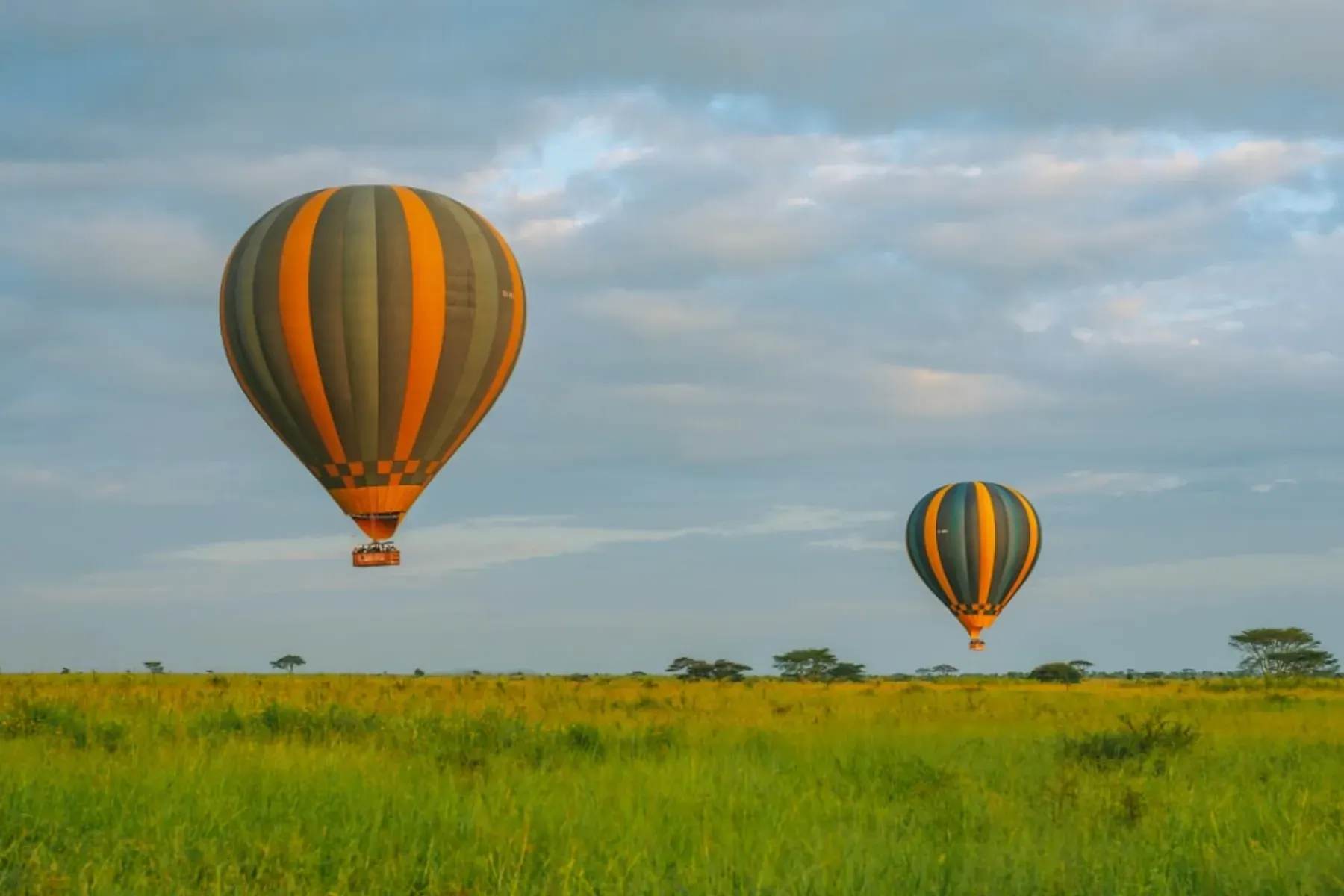
Some itineraries use small aircraft to link parks, saving long hours on the road and giving you a remarkable view of the landscape from above. These flights usually land on bush airstrips close to your camp or lodge. They run as scheduled services on set routes, or as charters when your group or timing calls for a private plane.
Light aircraft have strict weight limits, and baggage allowances are commonly around 15 kg / 33 lb per person, including camera gear and hand luggage. Bags should be soft, such as a duffel, because rigid suitcases do not fit the cargo holds. The exact allowance depends on the airline and aircraft, and we will confirm it for your trip.
Airlines may weigh passengers and bags for safety, and they set their own rules about what can be carried. Your Lemala planner builds in sensible connections and allows time for weather or schedule changes, which are part of flying in remote places. If you are travelling with extra luggage, we can often arrange storage in town while you are in the parks.
- Pack in a soft bag with no wheels or frame.
- Expect a baggage limit of around 15 kg / 33 lb unless we tell you otherwise.
- Leave heavy items or spare clothing in storage in town where possible.
- Keep valuables and medicine in your hand luggage.
Section 03
Visas and entry
What to check before you travel, and why we cannot apply for you.
Most visitors to Tanzania need a visa. Depending on your nationality, this is typically an e-visa applied for online before departure, or a visa issued on arrival. Some nationalities have different arrangements, so the right route for you depends on your passport. Please do not rely on a friend's experience, because rules differ from country to country.
Your passport should usually be valid for at least six months from your date of arrival and have blank pages for stamps. Check this early, as renewing a passport can take weeks. Airlines may refuse boarding if your documents do not meet the entry rules, which is a disappointing way to begin a trip.
Entry requirements, fees and processes can change at short notice, so we do not state them here. Please confirm everything with official Tanzanian immigration sources, or the embassy or consulate for your country, before you book flights and again before you leave. Visa applications are personal to each traveller, so Lemala cannot apply on your behalf, but we are glad to answer questions about your itinerary.
- Check the official Tanzanian immigration website for your nationality.
- Passport valid for at least six months, with blank pages.
- Carry printed copies of your visa and itinerary.
Section 04
Health and vaccinations
Planning ahead with a travel clinic, plus a note on altitude.
Please see a doctor or travel health clinic six to eight weeks before you travel. They can review your medical history and advise on routine vaccines, such as tetanus, hepatitis A and typhoid, as well as anything else suited to your trip. We are not medical professionals, so we do not give medical advice beyond this general guidance.
A yellow fever certificate may be required depending on the countries you have travelled through or from, so check this with official health sources if your route includes other African or South American destinations. Malaria is present in much of Tanzania, and prevention is advised. Your clinic can recommend suitable medication, and repellent and covered clothing in the evening help too.
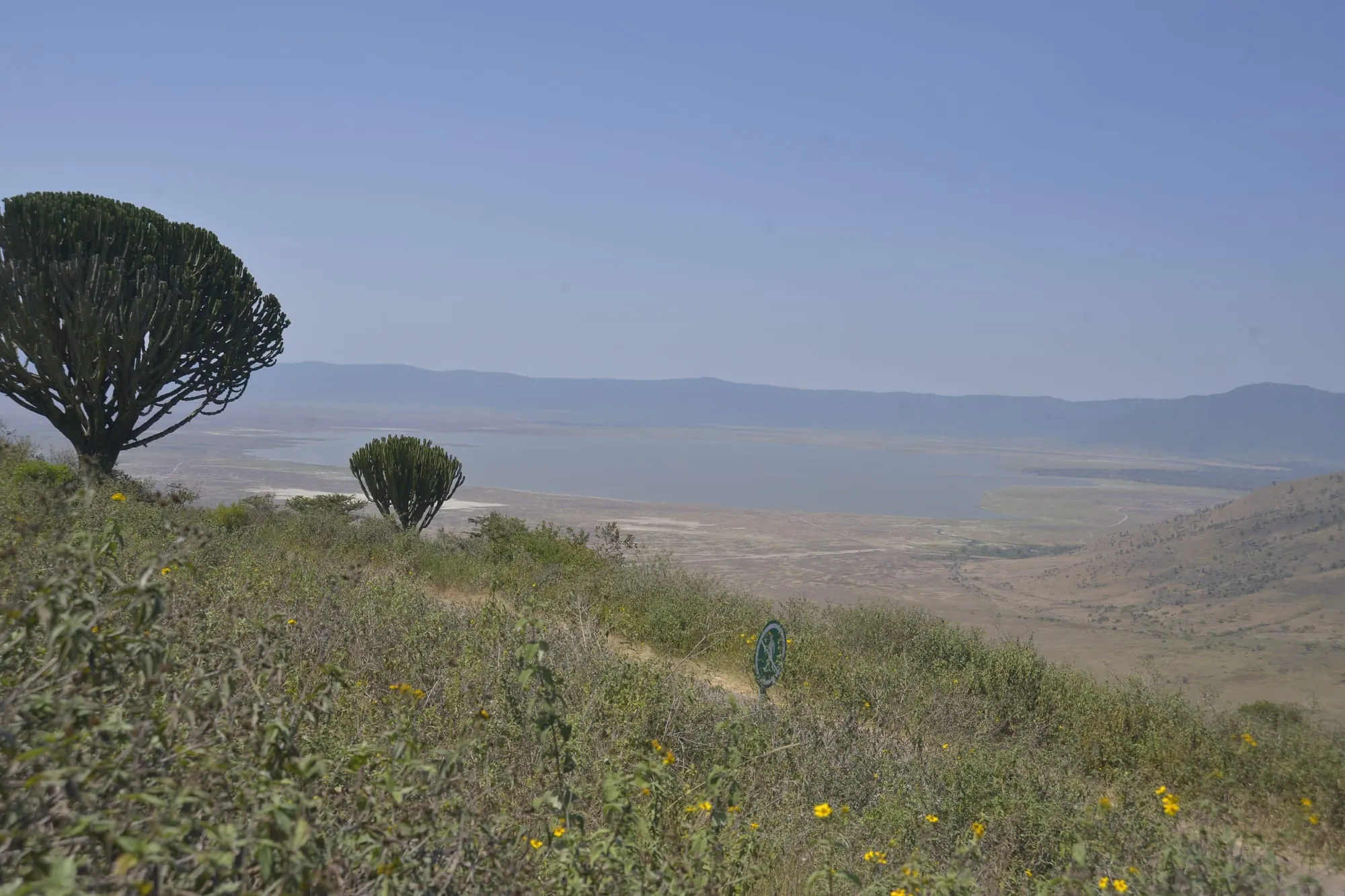
Altitude deserves respect. The Ngorongoro crater rim sits at roughly 2,300 m / 7,500 ft, and Kilimanjaro climbs far higher still. If you have a heart, lung or blood condition, or have had trouble at altitude before, speak to your doctor first. Bring prescription medicine in its original packaging, with a copy of the prescription, and carry enough for the whole trip plus a few spare days.
- See a travel clinic six to eight weeks before departure.
- Ask about malaria prevention and routine vaccines.
- Check yellow fever certificate rules for your route.
- Keep medicine in original packaging in your hand luggage.
Section 05
Travel insurance
Why comprehensive cover matters, especially for remote places and climbs.
We ask every guest to hold comprehensive travel insurance for the whole trip. It should cover medical treatment, emergency evacuation and repatriation, trip cancellation and interruption, and loss or damage to baggage and equipment. Safaris take you far from hospitals, so evacuation cover is the part that matters most when something goes wrong.
Read your policy carefully for altitude limits and for the activities you plan to do. Standard policies often exclude trekking above a certain height, and some exclude hot air balloon flights, walking safaris or diving. For Kilimanjaro, you need a policy that explicitly covers trekking to the summit altitude, and you should check how it treats pre-existing conditions.
We may ask to see proof of insurance before a climb, and we encourage all guests to keep policy details and the emergency phone number with their travel documents. Buy your policy soon after booking, not just before departure, so that cancellation cover applies if your plans change. Lemala does not sell insurance, so please arrange it with a provider you trust.
- Medical and emergency evacuation cover.
- Cancellation, delay and baggage cover.
- Altitude and activity cover for climbs and walks.
Section 06
Climate and seasons
What to expect from the weather through the year.
Tanzania sits near the equator, and its seasons are shaped more by rainfall than by temperature. The main dry season runs from about June to October, when skies are clear, grass is shorter and animals gather near water. A shorter dry spell usually arrives from about January to February, and it is a lovely time in many parks.
The long rains typically fall from roughly March to May, and the short rains from about November to December. Rain often comes in bursts rather than all day, the landscape turns green, and the parks are quieter. Patterns shift from year to year, so treat these months as a guide, not a promise.
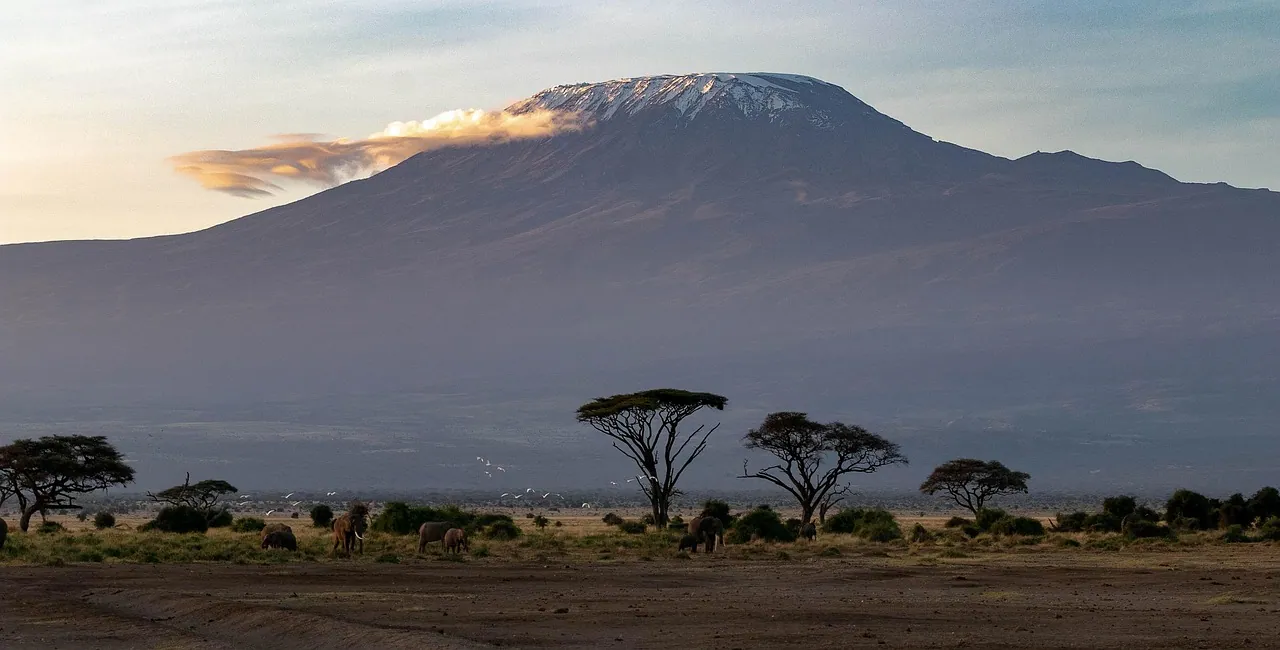
Temperatures vary with altitude. Mornings on the Ngorongoro rim and in the Serengeti can be properly cold, and the summit of Kilimanjaro is freezing at any time of year. The coast and Zanzibar are hot and humid. Our month-by-month tool on this page shows what each month tends to offer, so you can match your dates to what you most want to see.
- Dry season: June to October.
- Short dry spell: January to February.
- Long rains: roughly March to May.
- Short rains: roughly November to December.
Section 07
What to pack
Sensible, light packing for the bush, with a few small tips.
Pack light, in soft bags, with clothes in neutral colours such as khaki, olive, tan and grey. Avoid dark blue and black near tsetse flies, which are attracted to them. Layers work best, because dawn game drives can be cold, midday can be hot, and evenings cool down again. A light fleece or jacket, long trousers and a wide-brimmed hat will serve you well.
Bring sunglasses, sunscreen, insect repellent, a head torch, a refillable water bottle and binoculars, which make a real difference to what you see. Comfortable closed shoes suit the vehicle and camp paths. Most lodges offer laundry, so you rarely need more than a few days of clothes.
Tanzania generally uses Type D and Type G sockets at around 230 V, so bring the right adaptor. Charging can be limited in camps, so a power bank is a good idea, and a spare battery for your camera helps. If you are climbing Kilimanjaro, we send a separate kit list, because the mountain needs specialist clothing and equipment.
- Soft bags, not hard suitcases.
- Neutral colours, avoiding dark blue and black.
- Warm layers, hat, sunglasses and sunscreen.
- Head torch, binoculars and a power bank.
- Adaptor for Type D and G sockets.
Section 08
Money and tipping
Currency, cards and cash, and how tipping works.
The local currency is the Tanzanian shilling (TZS). US dollars are widely accepted for larger purchases, and newer notes are usually preferred, so bring clean, undamaged bills. Small shops, markets and roadside stalls generally want shillings, so it helps to change a modest amount when you arrive. Ask us if you are unsure what is sensible to carry.
Cards are accepted at larger lodges and in towns, though surcharges and connection problems are common. ATMs work in cities but can be unreliable, and there are none in the bush, so plan your cash before heading into the parks. Tell your bank you will be travelling so that your cards are not blocked.
Tipping is customary in Tanzania and is a meaningful part of the income for guides, drivers, cooks, porters and camp staff. We share guidance on how and when to tip before you travel, so you can plan with confidence and bring the right notes. We do not publish amounts here, because they depend on the trip, group size and service.
- Tanzanian shillings for small local purchases.
- US dollars, newer notes, for larger ones.
- Cards at larger lodges and in towns only.
- Tipping guidance sent before you travel.
Section 09
Health and safety on safari
Simple habits that keep you, the animals and your guide at ease.
Wild animals are wild, however calm they look. Stay in the vehicle unless your guide says otherwise, keep your voice low, and never stand up or lean out in a way that changes the vehicle's shape. Do not approach or feed any animal. Your guide knows how each species behaves and will position the vehicle to give you good views safely.
In many camps, animals move through at night. After dark, you will be escorted between your tent or room and the main areas, so please wait for your escort and never walk alone. Keep tent zips closed and food out of rooms. Lodges provide safe drinking water, and it is best to avoid tap water, ice of unknown origin and anything washed in untreated water.
In towns, use the same common sense you would at home. Keep valuables out of sight, avoid walking alone at night, and use transport arranged by us or your hotel. Keep photocopies or phone photos of your passport, visa, insurance and flight details separate from the originals, so that a loss is an inconvenience, not a crisis.
- Stay in the vehicle and keep voices low.
- Never approach or feed wildlife.
- Wait for an escort after dark.
- Drink the water your lodge provides.
- Carry copies of your key documents.

Section 10
Phones and connectivity
What signal to expect, and how to set expectations at home.
Mobile coverage is generally good in towns and cities, but it is patchy in the parks and on the mountain. Some camps have a signal on a hilltop or by the main tent, and others have none at all. Think of the bush as a chance to unplug, and plan any urgent calls or work around your town stops.
Wi-Fi at lodges can be slow, limited to public areas, or absent, especially in remote camps. It is usually fine for messages and not much more, so download maps, books, films and boarding passes before you leave. Check roaming charges with your provider, or consider an eSIM.
A local SIM can usually be bought at the airport or in town, and your guide can help you if needed, though you may need your passport to register it. Please tell family and friends to expect gaps in contact, and share your itinerary with them. In a real emergency, your guide and our team can always reach each other and the right people.
Section 11
Culture and etiquette
Small courtesies that earn warm welcomes.
Greetings matter in Tanzania. A friendly "Jambo" or "Habari" opens many doors, "Asante" means thank you, and "Karibu" means welcome. Take a moment to greet people before asking a question or making a request. Even a few words of Swahili are appreciated, and your guide will happily teach you more on the road.
Dress modestly in villages, towns and especially in Zanzibar, where most people are Muslim. Covering shoulders and knees is a respectful default away from the beach. Always ask before photographing people, and accept a polite no. This applies to the Maasai and to other communities you meet, who are not scenery and may reasonably expect to be asked, and sometimes to be thanked.
Drones need permits and are restricted in national parks and reserves, so please leave yours at home unless we have confirmed otherwise. Be patient, listen, and behave as a guest. Small gestures, such as using your right hand to give and receive, removing sunglasses when speaking, and smiling, go a long way.
- Jambo means hello, asante means thank you, karibu means welcome.
- Ask before taking anyone's photograph.
- Dress modestly away from the beach.
- Do not fly a drone without confirmed permission.
Section 12
Responsible travel
Practical ways to travel well and leave places better than you found them.
Travelling lightly helps in small ways. Pack less, bring a refillable bottle, and avoid single-use plastic where you can. Take your rubbish with you from the vehicle, stay on tracks, and keep to the guide's instructions around wildlife. These simple habits protect fragile ground and animal behaviour for the next visitor.
Your visit supports conservation and communities. Park fees help fund the protection of wildlife and habitat, and the money you spend on local guides, drivers, lodges, craft makers and restaurants stays in the places you visit. Choosing local guides, whose knowledge of the land is deep and personal, is one of the most useful choices a traveller can make.
If you would like to give back, talk to us before you go. Gifts handed out to children at the roadside can do more harm than good, and a considered contribution through a trusted route is usually better. Ask us how to support local work, and we will tell you plainly what is sensible for your trip.
- Bring a refillable bottle and avoid single-use plastic.
- Stay on tracks and follow your guide.
- Spend locally where you can.
- Ask us before giving gifts or money.
Last updated 16 October 2026.
Ready when you are
Trips you can book with us
Pick a tab to explore what is on offer. Every trip can be adjusted to you.
Ready-made itineraries that we adjust to your dates, group and budget. Open one to see the day-by-day plan.
7 days
Serengeti, Ngorongoro and Tarangire in Seven Days
- wildlife
- Jan, Feb, Mar
10 days
The Grand Northern Loop: Ten Days Through Four Parks
- wildlife
- Jan, Feb, Mar
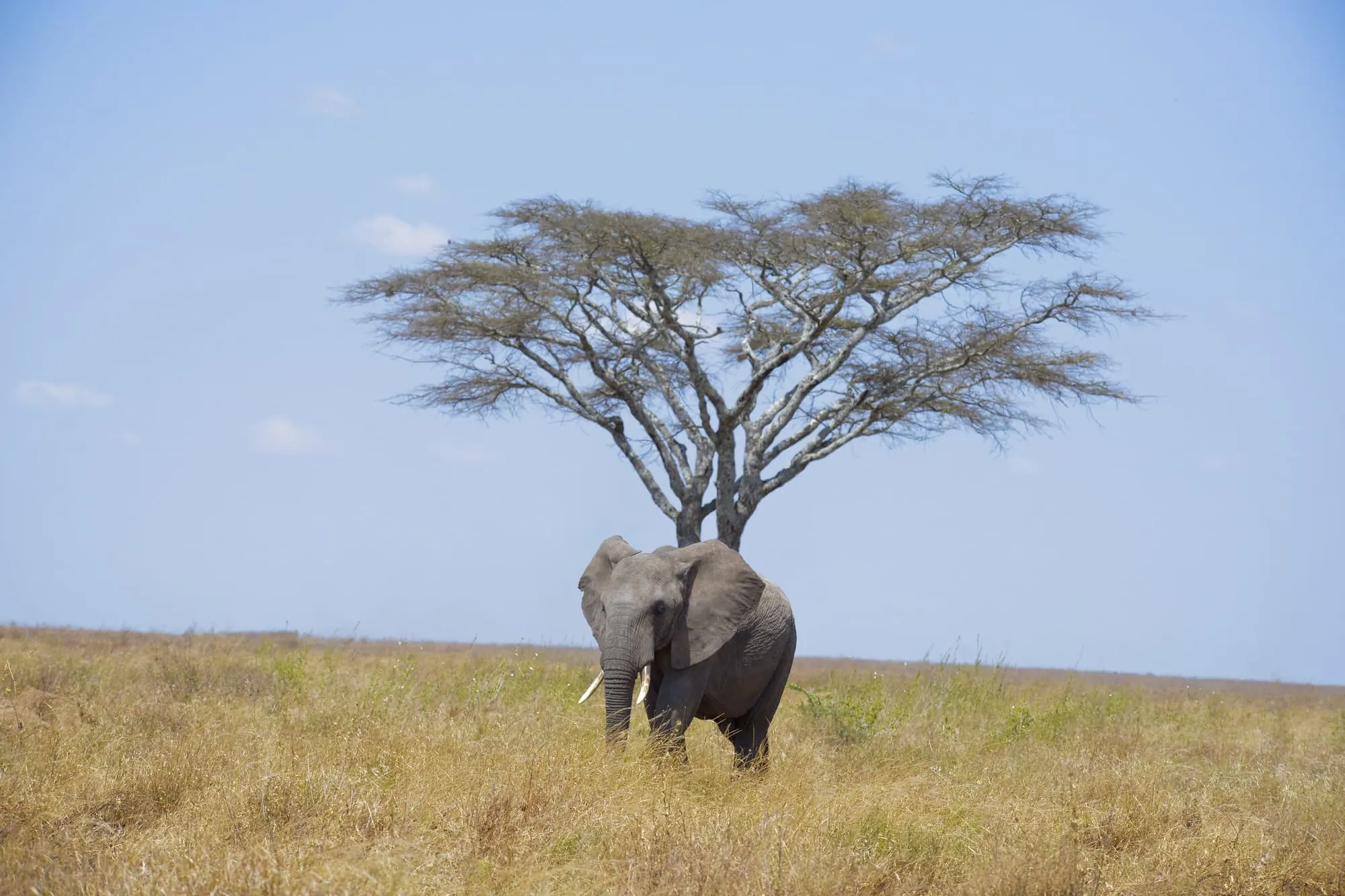
10 days
Bush to Beach: Northern Parks and Nungwi, Zanzibar
- combination
- Jan, Feb, Mar
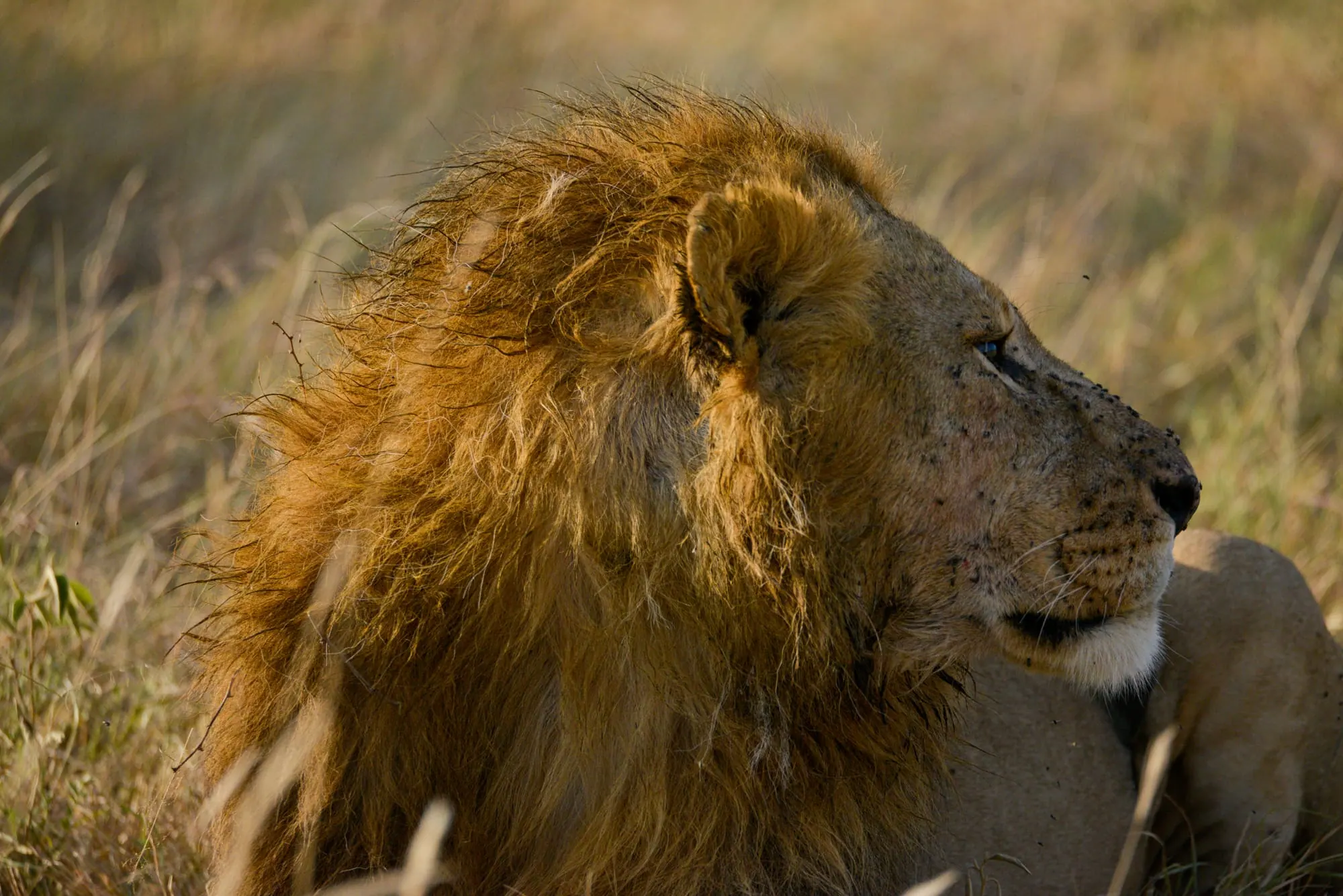
5 days
Fly-In Serengeti Escape: Five Days, No Long Drive
- wildlife
- Jan, Feb, Mar
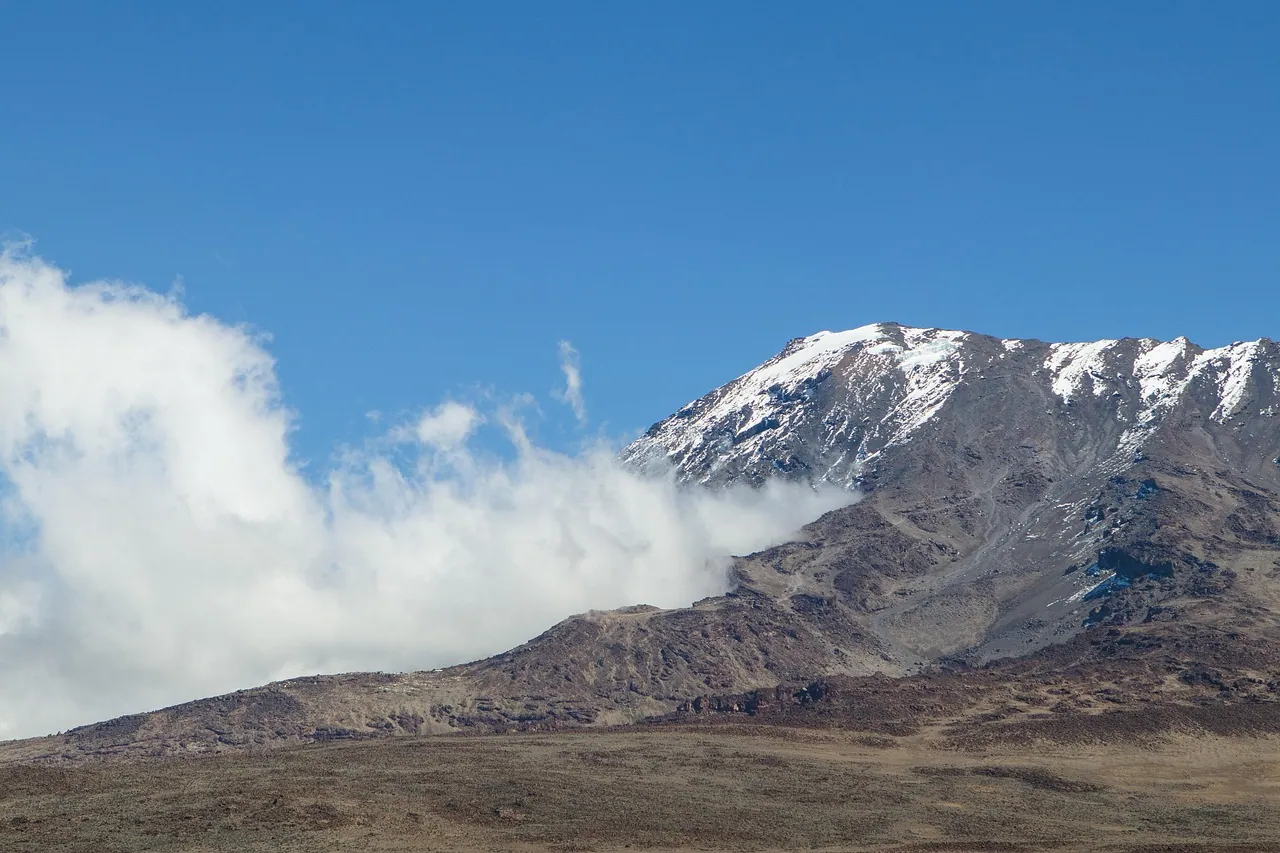
7 days
Kilimanjaro by the Machame Route: A Seven-Day Climb
- trekking
- Jan, Feb, Mar
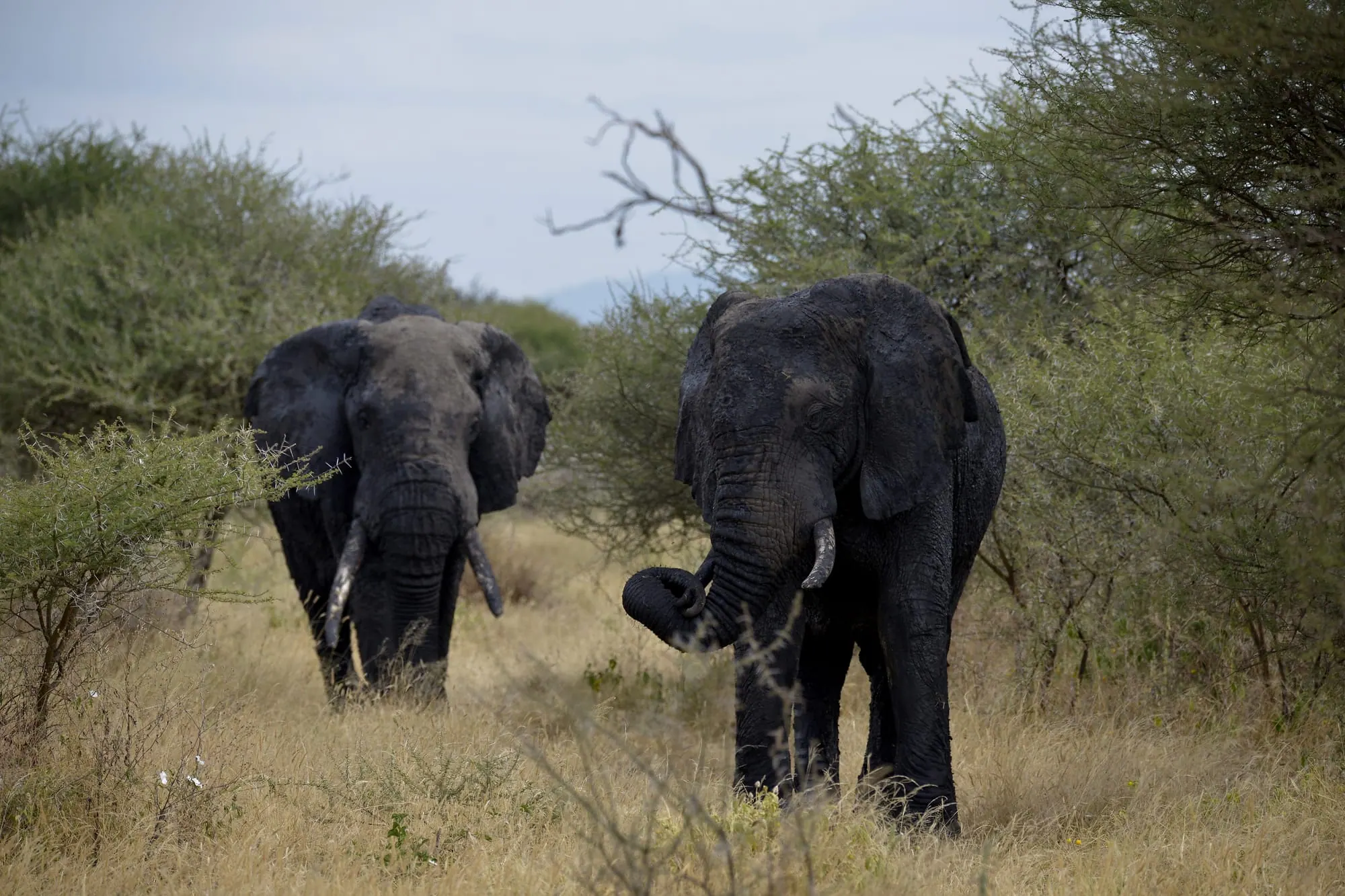
7 days
Southern Wilds: Nyerere and Ruaha in a Week
- wildlife
- Jun, Jul, Aug
Questions before you book?
Send us a message and a real person will answer, with no pressure and no obligation.