
The Grand Traverse
Northern Circuit
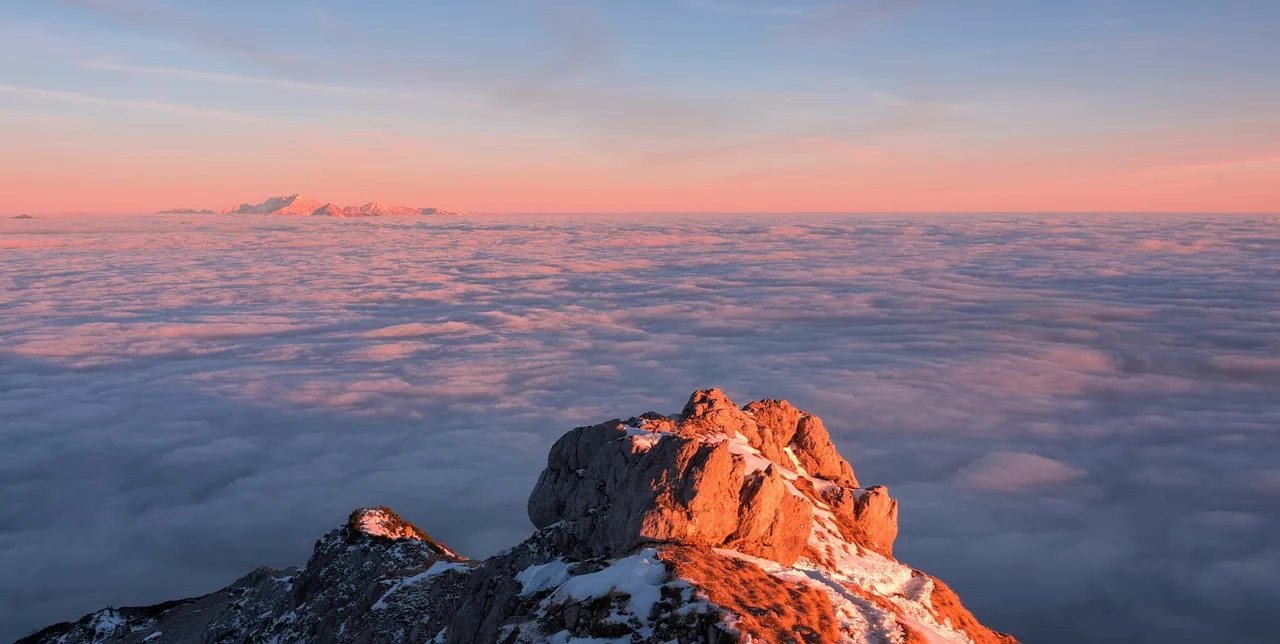
The longest way up Kilimanjaro, looping behind Kibo through slopes few trekkers ever see.
- Duration
- 8, 9 or 10 days
- Distance
- 98 km / 61 mi
- Summit
- 5,895 m / 19,341 ft
- Start gate
- Londorossi Gate (2,100 m)
- Finish gate
- Mweka Gate (1,640 m)
- Sleeping
- Four-season sleeping tents at every camp
- Difficulty
- Moderate overall: long days, but a gentle build-up in altitude
- Summit success
- Very high on the longer plans: industry estimates are around 85 to 90 per cent on eight to nine days.
- From
- $2,690 per person
- Best months
- Jan, Feb, Jun, Jul, Aug, Sep, Oct
The route
The longest way up Kilimanjaro, looping behind Kibo through slopes few trekkers ever see.
Most routes pick the shortest line to the top. The Northern Circuit does the opposite on purpose. Starting from the western Lemosho side, it curls around the quiet northern slopes of Kibo before turning south for the summit, making it the longest standard route on the mountain.
The extra days buy time. Your body adjusts slowly and steadily, you walk terrain that other climbers never visit, and you can take in the mountain rather than race over it. After the Lava Tower the route peels away from the southern circuit and enters alpine desert, where whole stretches pass without another party in sight.
We offer it in three lengths. The nine-day plan, which the day-by-day below follows, is the version most climbers pick. The eight-day plan folds the Shira Plateau crossing and the Lava Tower push into a single long day, and the ten-day plan adds a rest day at Third Cave Camp before the move to School Hut for climbers who want the biggest margin on altitude.
- The longest standard route on Kilimanjaro, at around 98 km
- The Lava Tower, where the route leaves the southern circuit for the north
- Buffalo Camp, a secluded site on the northern slopes with the option of climbing Little Lent Hill
- A slow, gradual altitude profile that suits summit night
- Rarely visited northern terrain with long stretches of empty trail
- A choice of eight, nine or ten days to fit your schedule and pace
Day by day
The climb, day by day
Day 1
Londorossi Gate to Mti Mkubwa Camp
Mti Mkubwa Camp
A four-wheel-drive ascent of the forest track brings you to the Lemosho Glades, where the walk begins. This rainforest stretch is the richest in plants and wildlife on the whole route, and monkeys are often seen in the canopy. Two to three hours on foot.
It is a light opening day, so use it to find your walking rhythm.
- 6 km / 4 mi
- 2,780 m / 9,121 ft
- Meals
- Breakfast, lunch, dinner
Day 2
Mti Mkubwa to Shira 1 Camp
Shira 1 Camp
Trees fall away quickly as the path climbs Shira Ridge. The day is steep, repaid with broad views over the western Shira Plateau. Four to five hours.
A mild headache tonight is typical at this height.
- 8 km / 5 mi
- 3,600 m / 11,811 ft
- Meals
- Breakfast, lunch, dinner
Day 3
Shira Plateau to Shira 2 Camp
Shira 2 Camp
A kinder day across the open meadows of the plateau, good for acclimatisation, with short optional walks around camp. Four to five hours.
Take the shorter distance as a chance to rest properly.
- 8 km / 5 mi
- 3,850 m / 12,631 ft
- Meals
- Breakfast, lunch, dinner
Day 4
Shira 2 to Lava Tower and Moir Camp
Moir Camp
The trail passes the Garden of Senecios, the last of the taller vegetation, and stops for lunch at the Lava Tower rock formation. Here the Northern Circuit departs from the southern routes, entering alpine desert and the quieter half of the mountain. Five to seven hours.
The Lava Tower is the first real brush with high altitude, and it is where the route starts to feel remote.
- 14 km / 9 mi
- 4,200 m / 13,780 ft
- Meals
- Breakfast, lunch, dinner
Day 5
Moir Valley to Buffalo Camp
Buffalo Camp
A moderately steep path rolls around Kibo's northern slopes with gentle ups and downs, and you can add a climb of Little Lent Hill for wider views. Buffalo Camp is a secluded spot that climbers on other routes rarely reach. Five to six hours.
The privacy of this camp is part of the reward, so linger over the view.
- 12 km / 7 mi
- 4,020 m / 13,189 ft
- Meals
- Breakfast, lunch, dinner
Day 6
Buffalo Ridge to Third Cave Camp
Third Cave Camp
The path rises over Buffalo Ridge and skirts the remote northern flank toward Third Cave Camp, close to where the Rongai route passes. By now you are well settled at elevation. Five to seven hours.
The long build-up should be paying off by this stage.
- 8 km / 5 mi
- 3,875 m / 12,713 ft
- Meals
- Breakfast, lunch, dinner
Day 7
Kibo-Mawenzi saddle to School Hut Camp
School Hut Camp
A steeper climb takes you across the saddle between Kibo and Mawenzi, with views of both peaks. Dinner is early and the wake-up call is at midnight. Four to five hours.
Restlessness is normal tonight, so lie down and rest even if you cannot sleep.
- 15 km / 9 mi
- 4,800 m / 15,748 ft
- Meals
- Breakfast, lunch, dinner
Day 8
Summit night to Uhuru Peak, then down to Millennium Camp
Millennium Camp
You leave at midnight for the steep climb to Gilman's Point, where you meet climbers from other routes. The crater rim walk offers striking views of Mawenzi before the final snow scramble to Uhuru Peak. The long descent ends at Millennium Camp, ten to fifteen hours in total.
Save something for the descent, because it is long on tired legs.
- 17 km / 11 mi
- 3,950 m / 12,959 ft
- Meals
- Early snack, breakfast, lunch, dinner
Day 9
Millennium Camp to Mweka Gate
Mweka Gate
Breathing gets easier with each step as the path returns to rainforest. At Mweka Gate you receive your summit certificate before the drive back to your hotel in Moshi. Three to four hours.
- 10 km / 6 mi
- 1,640 m / 5,381 ft
- Meals
- Breakfast, lunch
Gallery
On the mountain
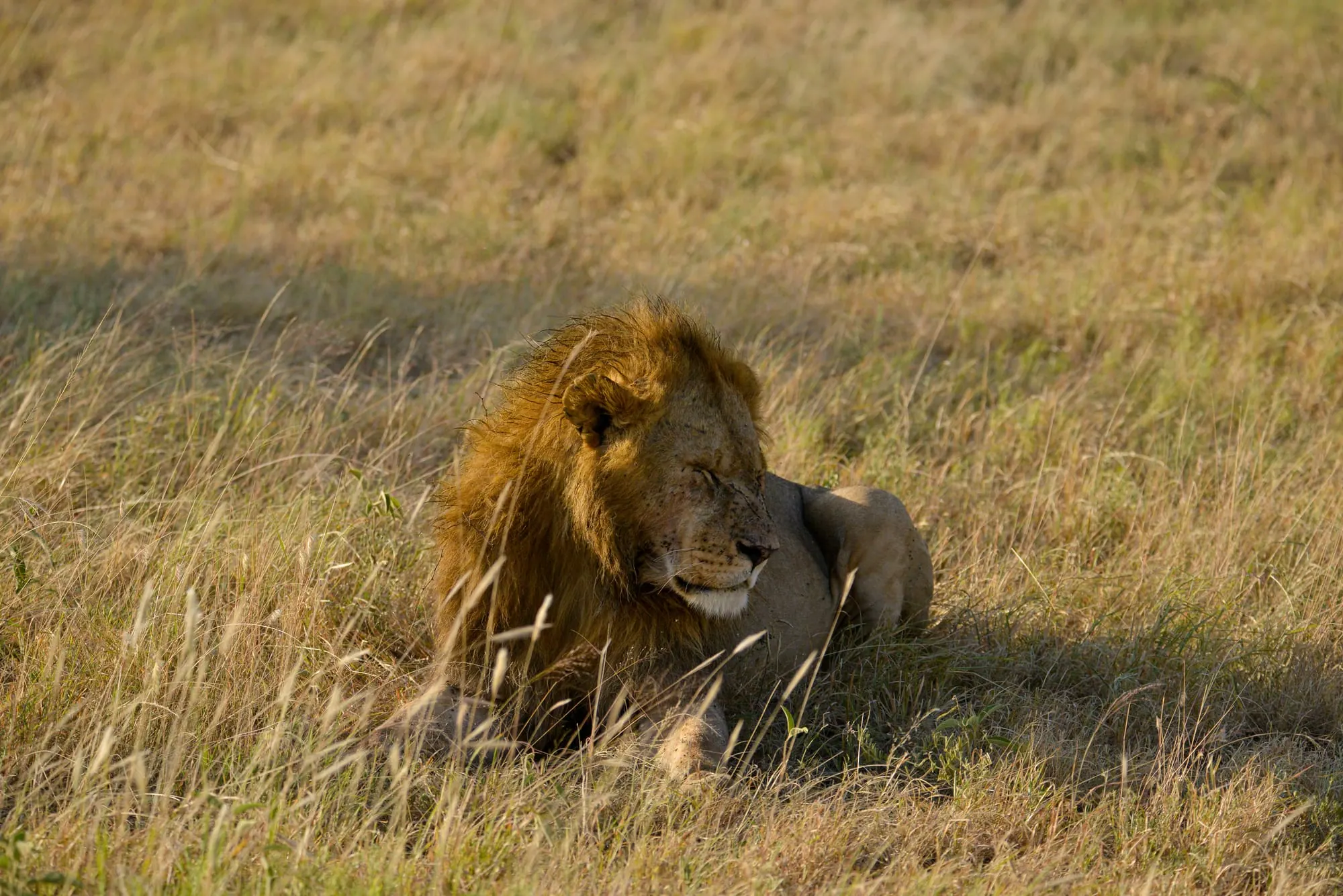
Photo credits: Stig Nygaard, CC BY 2.0 via Wikimedia Commons.
What's included
- Kilimanjaro National Park entry, camping and rescue fees, plus the conservation levy
- An English-speaking lead guide, with assistant guides at roughly one per three climbers
- One porter per climber to carry your duffel (15 kg limit)
- A mountain cook and three hot meals a day at every camp
- Four-season sleeping tents, foam mats, a mess tent, a kitchen tent and a private toilet tent
- Emergency oxygen cylinder carried by the team
- Pulse-oximeter health checks morning and evening at each camp
- Airport and hotel transfers, plus transport to and from the trailhead
- Kilimanjaro summit certificate
- VAT and all Tanzanian taxes on the services above
Not included
- International flights
- Tanzania visa
- Personal travel and medical insurance (compulsory)
- Personal clothing and trekking gear
- Gratuities for the crew
Pricing
Price per person
The more climbers who share the crew and park costs, the lower the price for each. Prices are in US dollars.
Any group size
$2,690
per person
Prices are per person and cover what is listed under what is included. Park fees are set by the authorities and can change, so the quote you accept is the price that applies. Gratuities and personal gear are not included.
Free guide
The Kilimanjaro Route Guide
Every route compared: distances, gates, camps, altitudes and the best months, in metric and imperial.
6
Routes compared
43
Daily stages mapped
5,895 m
Uhuru Peak (19,341 ft)
What is inside
- Every route side by side: days, distance, start and finish gates, and where you sleep
- A day-by-day table for each route with elevation and distance, in metric and imperial
- The best months to climb, shown as a month strip for every route
- What a climb typically includes, and what to ask any operator
- Straight answers to the questions climbers ask most
Who it is for. Anyone weighing up a Kilimanjaro climb who wants to compare the routes properly before choosing one.
- Free PDF, sent to your inbox
- Distances in metric and imperial
Questions
Good to know
Around 98 km (about 61 miles) in total, the longest standard route on Kilimanjaro.
It is longer than both, which means more days at altitude and a gentler acclimatisation curve, plus quiet northern slopes those routes never visit. If time is tight, Machame or Lemosho are quicker.
No. It is among the quietest ways up the mountain, and long stretches of trail pass without another climbing party.
The nine-day plan is the version most climbers take and balances acclimatisation with time away. The eight-day plan merges the Shira crossing and Lava Tower push into one long day and skips the Shira 2 night. The ten-day plan adds a rest day at Third Cave Camp for those wanting extra margin.
For most, yes. It gives a strong acclimatisation profile without needing the extra rest day of the ten-day plan, which suits older climbers or anyone who has struggled with altitude.
In four-season tents at each camp, supported by a cook, porters and a toilet tent.
Park fees and levies, guides, a personal porter, mountain meals, camping gear, emergency oxygen, daily health checks and transfers. Flights, visa, insurance, personal gear and tips are extra.
Climb Northern Circuit
Tell us your dates and fitness, and we will recommend the route and pace that suit you.