
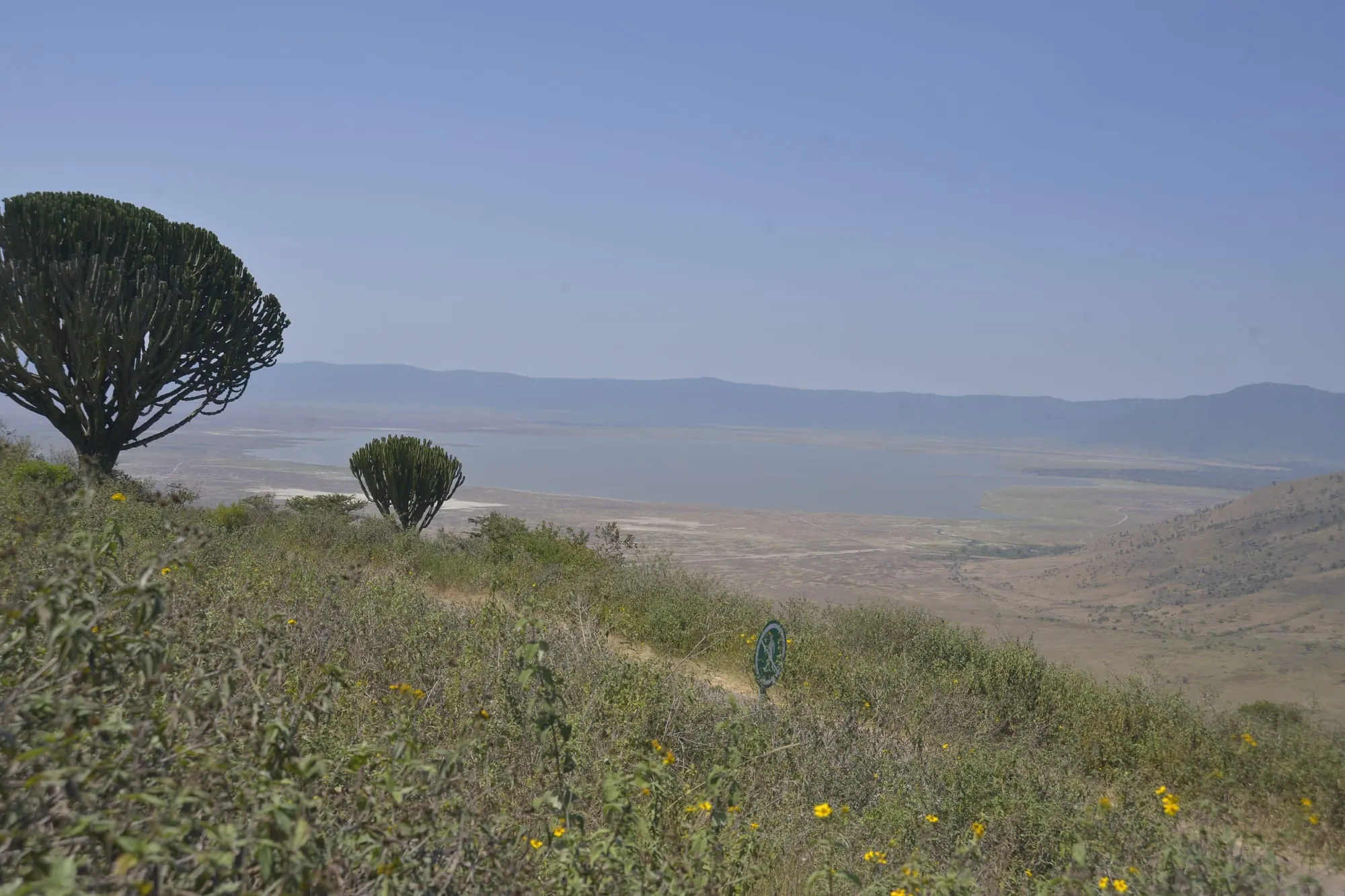
A volcanic bowl where nearly every big animal is within sight
Ngorongoro Crater
The place
A volcanic bowl where nearly every big animal is within sight
Millions of years ago, between two and three by geologists' estimates, a volcano roughly as tall as Kilimanjaro blew itself apart and caved in on itself. What remains is the largest unbroken, dry volcanic caldera on Earth. The floor lies about 610 m beneath the rim and covers 260 km², ringed by walls that climb as much as 600 m. That natural amphitheatre keeps a huge amount of wildlife inside one self-contained ecosystem. The surrounding Ngorongoro Conservation Area spreads over 8,292 km² and is a UNESCO World Heritage Site with an unusual brief in Tanzania: wildlife protection and traditional Maasai herding share the same land.
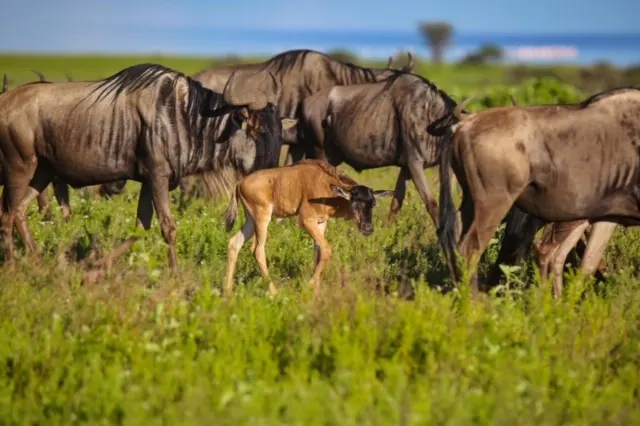
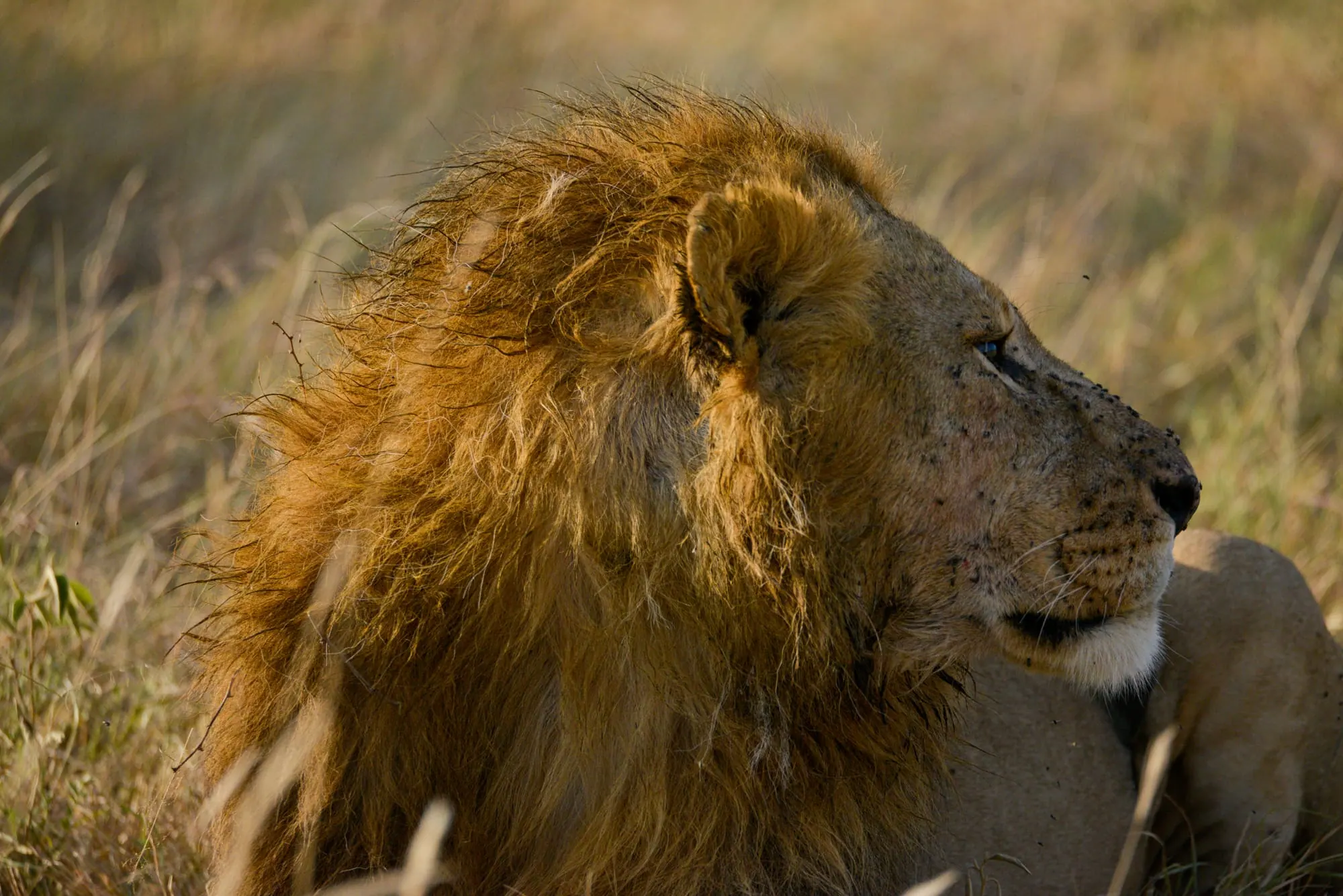
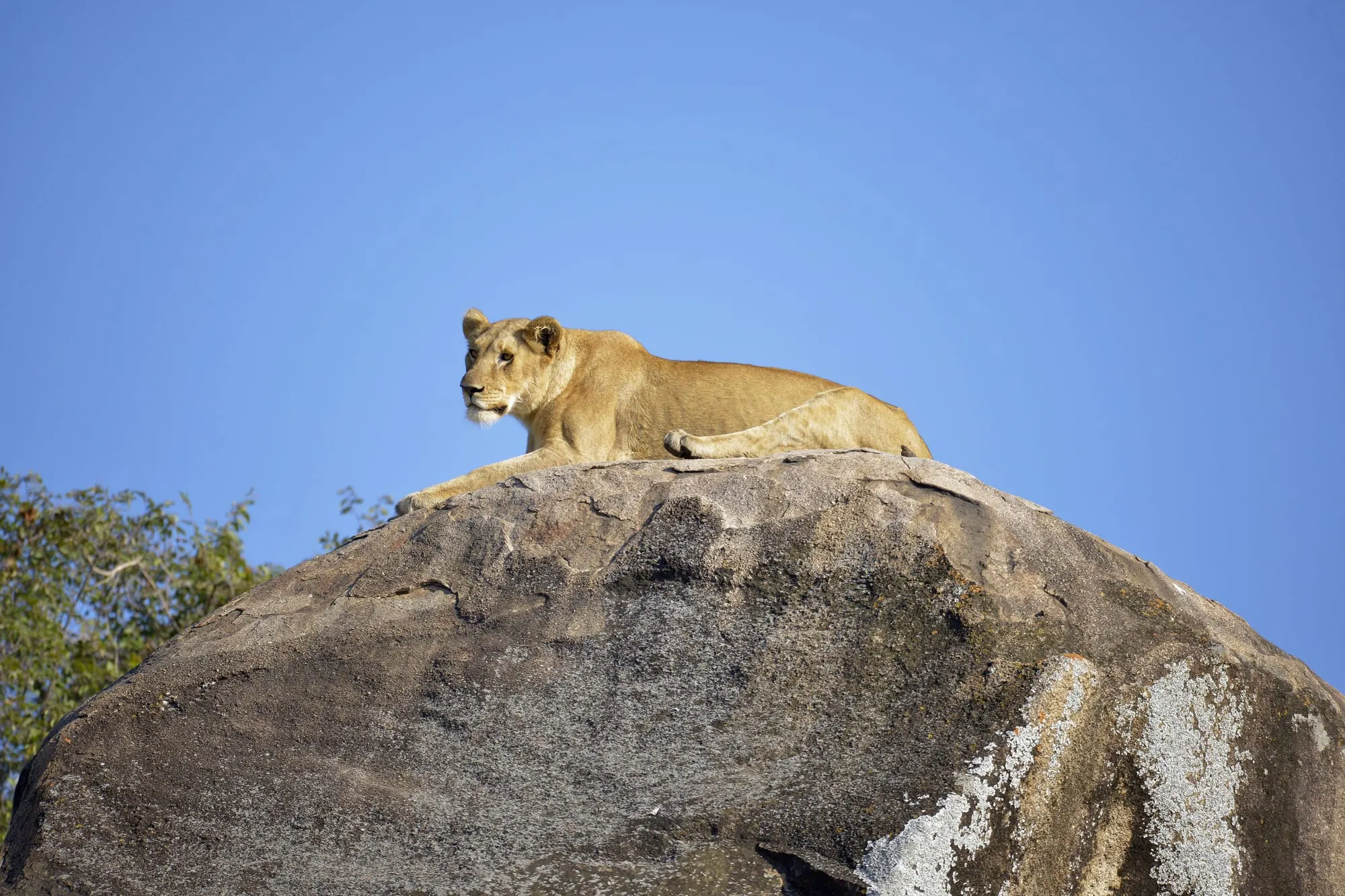
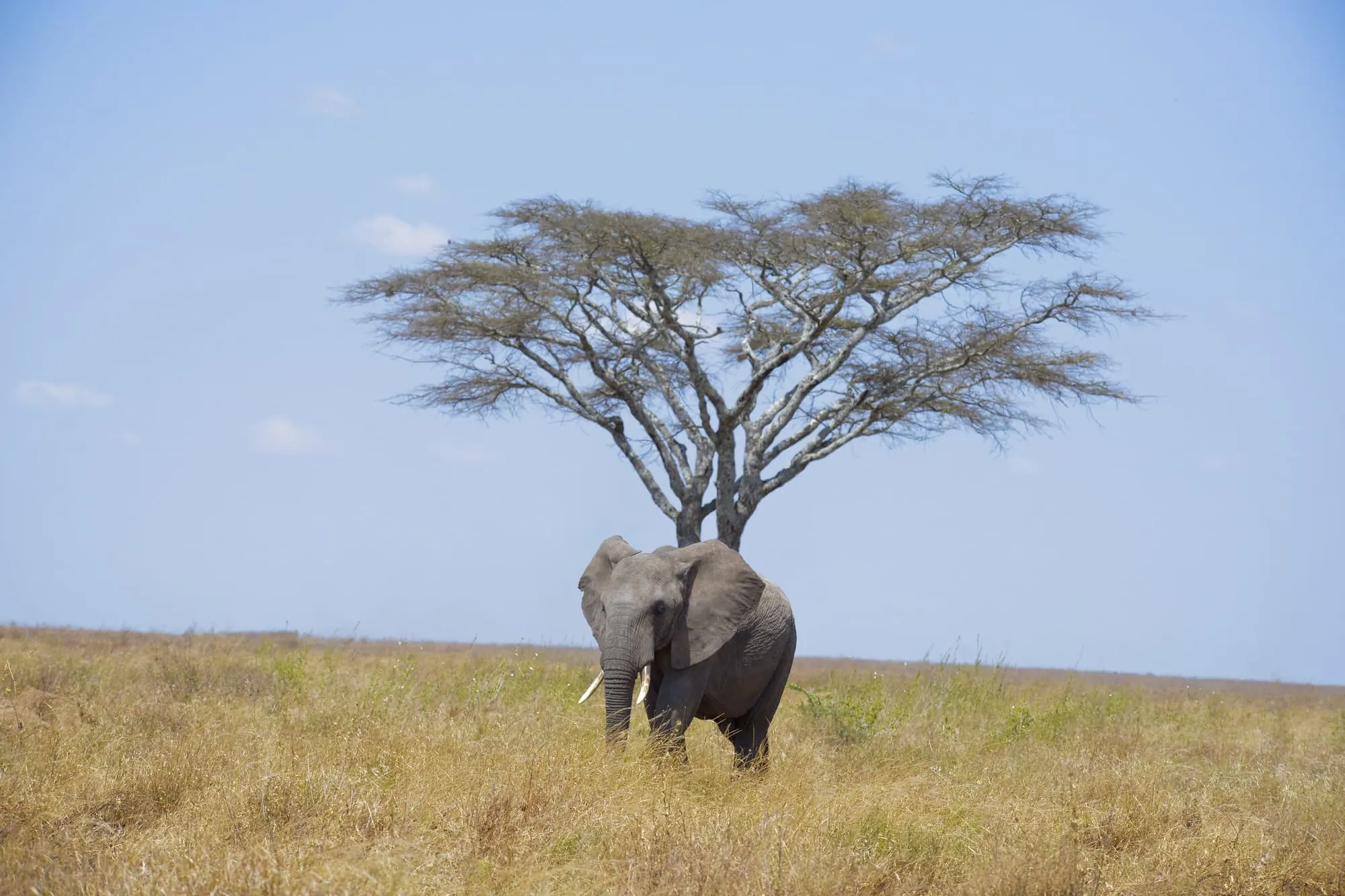
At any one moment some 25,000 large mammals are thought to live on the crater floor, which gives it one of the planet's highest wildlife densities. Seeing all of the Big Five during a single drive is a realistic prospect, something very few African parks can honestly promise. The crater holds one of East Africa's last viable groups of critically endangered black rhino, along with tightly packed lion prides and big herds of wildebeest and zebra that stay all year instead of migrating. Lake Magadi, a soda lake on the floor, draws flamingos by the thousand when conditions suit them.
A typical visit is one concentrated day. You descend a steep track to the floor, spend several hours driving across open grassland, acacia woodland and the swampy Lerai forest, and climb back up in the afternoon. Close to the rim sits Olduvai Gorge, the "Cradle of Mankind", where Louis and Mary Leakey unearthed key hominid fossils, among them Homo habilis. It makes a rewarding stop on the way through. Maasai families still graze cattle inside the conservation area under long-standing arrangements, so conversations with them here tend to feel natural rather than staged.
Because the animals do not leave, Ngorongoro works in every month. The skies are clearest and the viewing easiest in the dry spells of June to October and January to March. The crater lies a comfortable 180 km from Arusha and nearly always forms the second half of the classic northern circuit alongside the Serengeti. One night on the rim is usually all that is needed to see it properly before moving on.
- Lion, elephant, buffalo and rhino often seen on one drive
- Black rhino in some of the best numbers in Africa
- Lake Magadi, a soda lake edged with flamingos
- Olduvai Gorge, the "Cradle of Mankind", close to the rim
- Time with Maasai communities who live in the conservation area
Ready when you are
Plan a trip to Ngorongoro Crater
- Jan, Feb, Mar best
Tell us your dates and group. We reply with a tailored itinerary and a clear, personal quote, with no obligation.
- Best months
- Jan, Feb, Mar, Jun, Jul, Aug, Sep, Oct
- Wildlife
- Lion, Black Rhino, Elephant, Buffalo, Leopard, Hippo, Flamingo, Hyena, Wildebeest, Zebra
- Size
- 8,292 km²
- From Arusha
- 180 km
- Elevation
- 2,286 m / 7,500 ft
- Nearest airstrip
- Lake Manyara Airstrip (About 3.5 to 4 hours by road from Arusha)
Most guests arrive overland as one leg of a wider northern circuit. A chartered light aircraft into Lake Manyara Airstrip is also an option.
Gallery
Ngorongoro Crater in pictures
Safaris
Safaris that include Ngorongoro Crater
Where to stay
Stay near Ngorongoro Crater
Summit
Gibb's Farm
An old organic farm estate beneath the crater rim that still grows its own coffee and produce. Its kitchen is rated among the best in Tanzania, lodges and otherwise.
Ridge
Kitela Lodge
Once a coffee estate, now a lodge with broad verandas facing the Rift Valley escarpment. It is a short drive from the crater rim road, and the kitchen is a highlight in its own right.
Summit
Lemala Osonjoi
Twenty airy suites on a hill just back from the crater rim, beside the quieter eastern Lemala Gate. Wood stoves, a heated indoor pool and catered lunches on the crater floor round out the stay.
Trail
Ngorongoro Farm House
A coffee farm turned lodge, tucked among banana groves near the crater rim. The mood is homely and unfussy, with gardens, a pool and a working farm.
Ridge
Ngorongoro Lion's Paw
A mid-range highland lodge with quick access to the crater descent road, which helps for early game drives. Rooms are en-suite.
Summit
Ngorongoro Lodge, The Rim Room (Meliá Collection)
Built right on the crater rim, close to the descent road, with clear and uninterrupted crater views. A spa and restaurant are on site.
Questions
Good to know
For most travellers, yes. The floor is compact enough that six to eight hours of driving after the descent gives a thorough tour.
The rim viewpoints and the descent road can fill up in high season because this is among Tanzania's most visited places. The floor itself is wide enough that crowding is rarely a problem.
Lion, elephant and buffalo are very dependable, and black rhino shows up often. Leopard is the toughest of the Big Five to find in the crater.
The rim stands at roughly 2,286 m, about 610 m above the crater floor. Evenings up there turn cold, so bring warm layers.
Easily. It is a short detour on the road linking the crater and the Serengeti, and many itineraries already include it.
Plan your time in Ngorongoro Crater
Tell us when you want to go and we will shape the trip around it.