
Air safari
Fly-In Safari to the Serengeti
Swap the highway for an airstrip in the middle of the wildlife
- Duration
- 5 to 8 days
- Flights
- Light aircraft between parks
- Location
- Serengeti direct from Arusha
- From
- $2,575 per person
The experience
Swap the highway for an airstrip in the middle of the wildlife
Fly from Arusha straight into central Serengeti and turn a day on the road into a day of game viewing. Spend two nights in prime predator country, then descend into Ngorongoro Crater and visit Lake Manyara, all packed into five efficient days.
- Direct flight into central Serengeti
- Two full days in prime predator country
- A descent into Ngorongoro Crater
- Best for short trips that need maximum wildlife
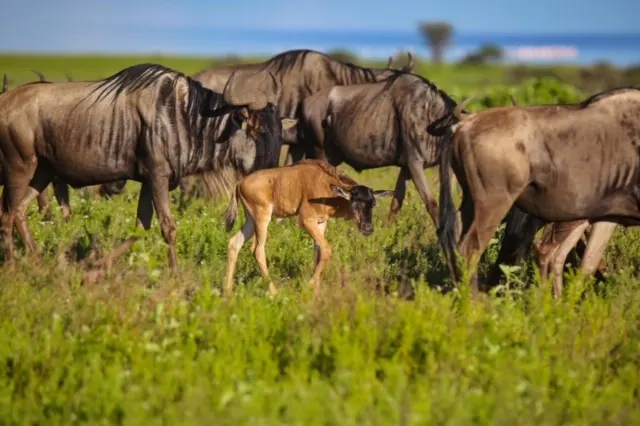
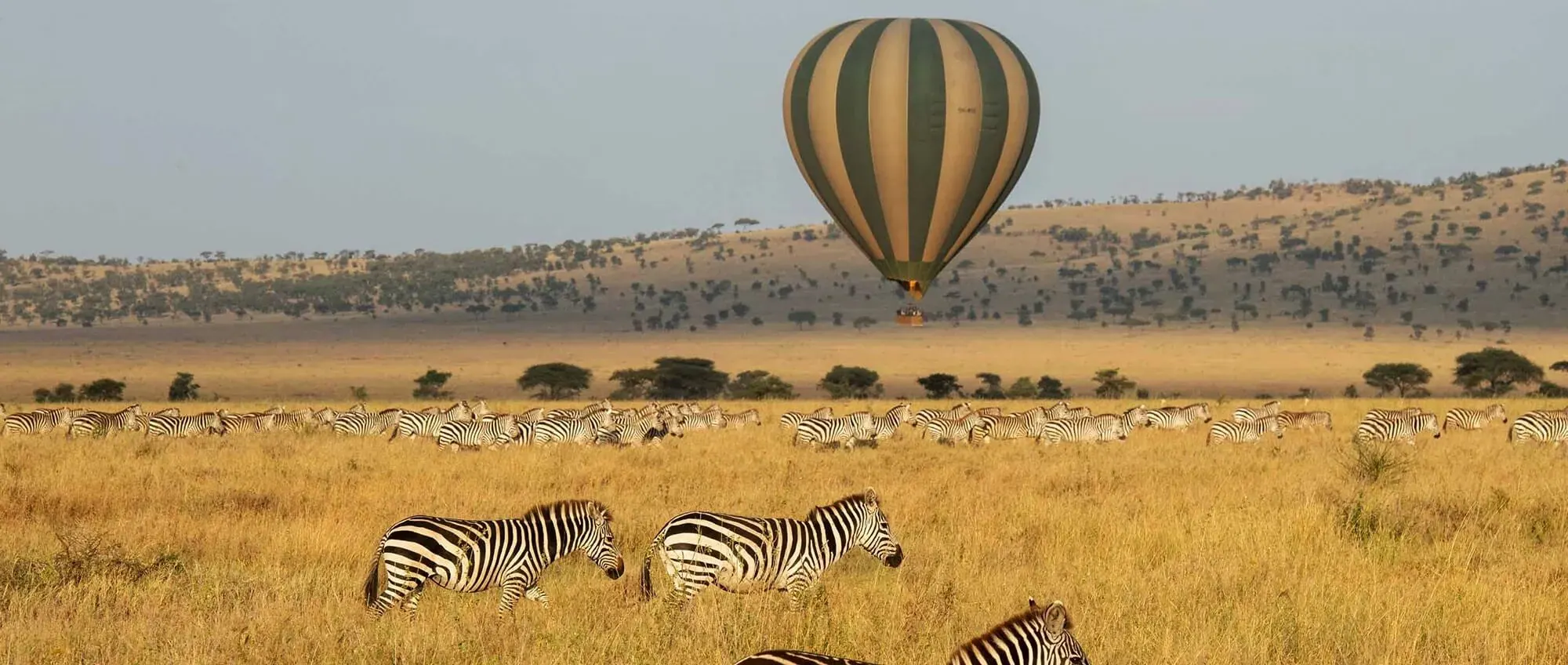
The Cessna tilts over the plains and the pilot points silently out of the left window: herds sprinkled across the grass like peppercorns, stretching right out to the escarpment. A quarter of an hour later you are on a dirt airstrip in the Serengeti, a guide is lifting your bag into a Land Cruiser, and lions turn up before lunch. From Arusha it takes about ninety minutes. By road it takes most of a day.
That sum is the whole case for a fly-in safari. Here we lay it out honestly, counterarguments included: what skipping the overland route costs you, which travellers suit the air and which suit the road, and what the added expense actually pays for.
How it works
Rather than spending hours on the road from park to park, you take scheduled light aircraft between bush airstrips, mostly twelve-seat Cessna Caravans, and a guide with a vehicle is waiting at every landing. A typical example lasts five days: you fly nonstop out of Arusha to the middle of the Serengeti, spend two whole days among the big predators, and come back via Ngorongoro Crater and Lake Manyara. Doing the same circuit overland would need a full week.
It scales with ambition. Seasonal versions take you straight to the migration, whether that means Ndutu's calving plains in the south or the river crossings near Kogatende in the north, so you are in the middle of the action within hours of touching down in Tanzania, minus a two-day overland approach.
What flying changes
**The time sums are stark.** In a five-day window, road transfers can swallow two full days. Flying turns them into game drives, which on a short trip means 30 to 40 percent more actual safari. For couples adding a safari to Zanzibar, or anyone with a single week, the flight repays itself in mornings.
**The flight is a sight in itself.** Because bush planes stay close to the ground, the Rift Valley escarpment, the crater highlands and the moving herds are all plainly visible through your window. It is a preview, not a transfer.
**The counter-argument:** you lose the road. The drive past the Rift escarpment and Maasai villages, with its slow shift from town to wilderness, is a real experience in its own right. Flying gives depth in fewer places. With ten days or longer, many guests travel out by road and return by air, or the reverse, and so enjoy both.
When to fly
Jan to Dec
Fly-in safaris run all year, and their strength is seasonal precision. Without a fixed road circuit, the plan can aim at wherever the ecosystem is at its best. **January to March** points you south to Ndutu for calving, and **July to October** points you north for the crossings. In between, central Serengeti stays reliably rich, because resident prides do not migrate.
The one caveat is the long rains of **April and May**, when some airstrips turn temperamental and schedules can shift with the weather. Flights still run, and a relaxed attitude to timing goes a long way. Both airfares and lodge rates dip to their lowest in these months, a fair bargain for anyone in no rush.
A typical five days
Day 1
Arusha to central Serengeti
A morning bush flight over the highlands, and game driving by early afternoon. The journey is the first sighting.
Days 2 to 3
Deep Serengeti
Your own guide stays with you for a pair of unbroken days in the heart of big-cat country, with no packing up and no relocating, only room to roam.
Day 4
Ngorongoro Crater
Leave the plains by air, or take the scenic road up into the highlands, and be on the crater floor at first light looking for the Big Five.
Day 5
Manyara and onward
One final game drive beneath the canopy of Lake Manyara's groundwater forest, followed by the return to Arusha or a linking flight directly onward to Zanzibar.
What shapes the price
Fly-in trips often cost less than travellers expect, because the saved road days offset part of the airfare. Migration-timed versions to Ndutu or the northern crossings sit higher.
- **The flights:** tickets on the scheduled bush planes are the obvious extra cost compared with a road itinerary, offset by two fewer days of transfers to fund.
- **Where you land:** remote seasonal airstrips such as Kogatende and Ndutu cost more to serve than central Serengeti.
- **Lodge tier:** guests who fly in usually sleep at camps close to airstrips in the best wildlife areas, and such sites carry premium rates by their very nature.
- **Shared or private vehicle on arrival:** a seat in a shared game-drive vehicle holds the bill down, while a vehicle of your own at every stop is the common step up.
Included
- Bush flights as set out in the itinerary
- Guide and 4x4 at each destination
- Park fees and full-board lodging
- Airstrip transfers throughout
Not included
- International flights and visas
- Gratuities
- Premium drinks at select camps
- Travel insurance
Luggage, honestly
Light aircraft enforce what airlines only threaten. The typical allowance is **15 kg each, packed in soft-sided bags** that get weighed, and rigid suitcases are out because they cannot fit the hold. That sounds strict yet often proves liberating: camps return laundry the same day, the dress code never goes beyond a clean fleece, and no one has ever longed for spare footwear while flying high above the Serengeti.
- Soft duffel, strict 15 kg limit
- Neutral layers sized for a laundry cycle
- Warm fleece for dawn flights and drives
- Camera and lens choices made firmly
- Binoculars
- Motion-sickness tablets if small planes worry you
Gallery
In pictures
Questions
Good to know
Flying into the bush is long established in Tanzania and falls under official regulation. Airlines run these routes every day, supervised by the civil aviation authorities, using trained crews and up-to-date turboprops. Flights are low, short and scenic, and some turbulence is the price of a small plane, mostly mild and worst around midday. Nervous flyers often find the view cures more worry than it causes.
On short trips, clearly: five days flying gives about the game time of seven by road, which more than covers the fare difference. On longer trips the case weakens, as road transfers stop being the limit and the overland drive has its own rewards. As a guide, fly if you have under a week, and blend air and road once you pass ten days.
Quite. Bags go on the scale, and rigid cases are turned away simply because they will not fit in the hold. Paying for extra weight is occasionally an option, though never guaranteed. Most guests find 15 kg adequate once laundry is considered, and if you are combining a safari with other gear, we can arrange left luggage in Arusha.
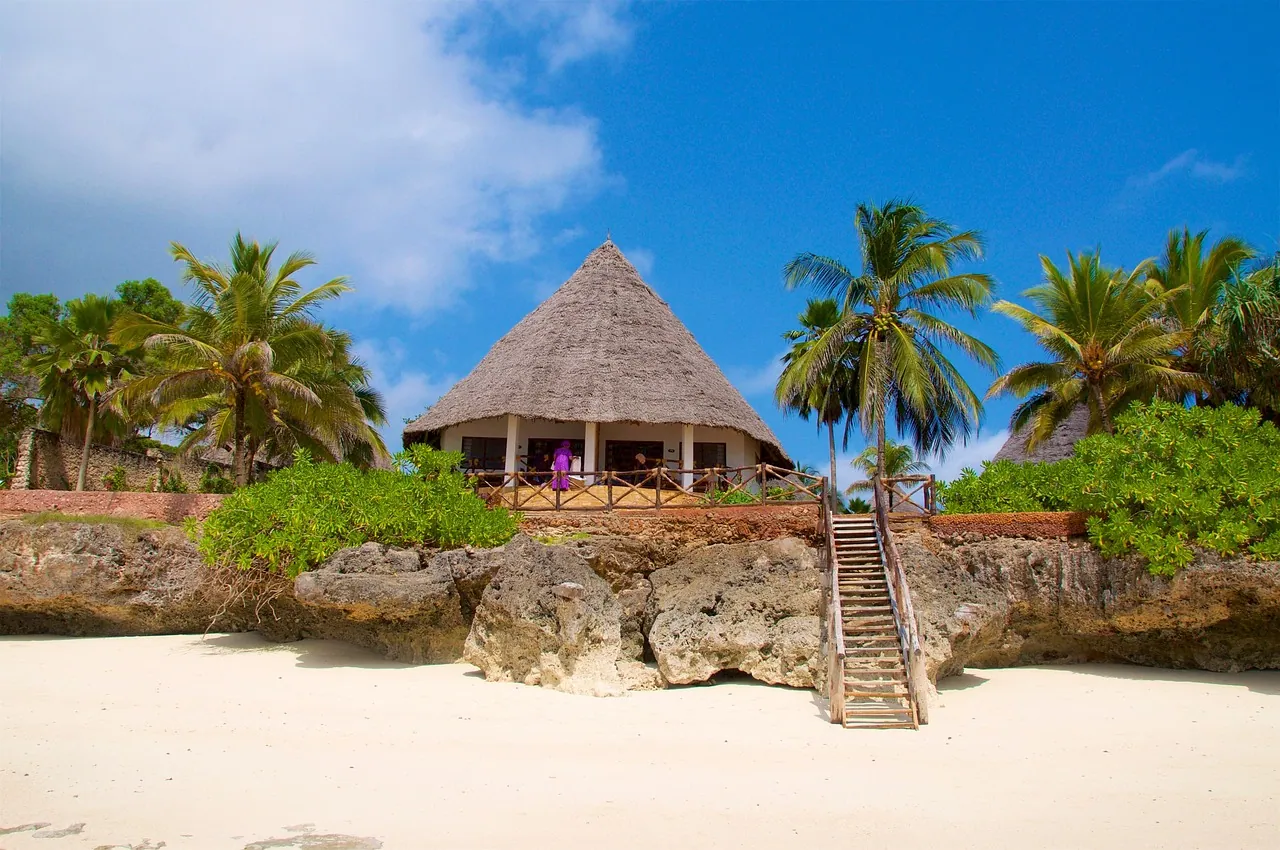
Smoothly. Onward flights link the Serengeti airstrips with Zanzibar via Arusha within a single afternoon, so bush-to-beach becomes a same-day change of clothes. You can finish a safari at 10 AM and have your toes in the Indian Ocean by sunset.
Yes. Flying alters the journey, not the safari. Wherever you land, a trained guide and a 4x4 take care of the game drives. With shared departures, a small group gathers at each camp, and a vehicle just for you can be added to every leg.
Bush timetables have breathing space built in, and airlines routinely reroute or shift departures around the weather, so outright cancellations seldom happen except during the long rains. Our ground team simply moves your pick-ups to match. The practical advice is to avoid a tight international connection on your last day.
Expect roughly an hour to an hour and a half to reach an airstrip in the middle of the Serengeti, varying with the route and any stops, whereas driving eats up most of a day. For seasonal strips like Kogatende and Ndutu, allow a brief extra hop.
Fly-In Safari to the Serengeti
Add it to a safari or build a trip around it. We will take care of the details.