
Summit Trekking
Climbing Kilimanjaro to Uhuru Peak
Rainforest to ice cap on Africa's highest point
- Duration
- 6 to 9 days
- Altitude
- Uhuru Peak, 5,895 m (19,341 ft)
- Success
- Rates climb with route length, because extra days build acclimatisation
- From
- $1,950 per person
The experience
Rainforest to ice cap on Africa's highest point
At 5,895 m, Kilimanjaro is the tallest freestanding mountain in the world, yet it needs no technical skill. With the right route, enough days and a strong crew, a determined walker can reach the top.
- Machame, Lemosho, Rongai and other established routes
- Group departures or a private climb with your own crew
- Guides, porters and a cook who set up each camp
- Five climate zones in a single walk
Summit night begins near midnight. You dress by headlamp, force down tea you have no appetite for, then step into cold, thin air where a string of lights switchbacks up the scree above you, climbers who set out hours earlier. Over the following six or seven hours you move more slowly than you ever have. Then the horizon behind you ignites, the sun rises over Mawenzi, and you are on the roof of Africa.
Kilimanjaro is an odd and wonderful mountain: a glaciated summit of 5,895 metres almost on the equator, open to any healthy, determined person with no ropes, crampons or climbing skills. That accessibility is also the trap. A large share of unprepared people on short itineraries fall short, nearly always because of altitude rather than fitness. Most of the outcome is settled before you reach the gate: the route, the days you allow for acclimatisation, and the crew supporting you.
What a climb involves
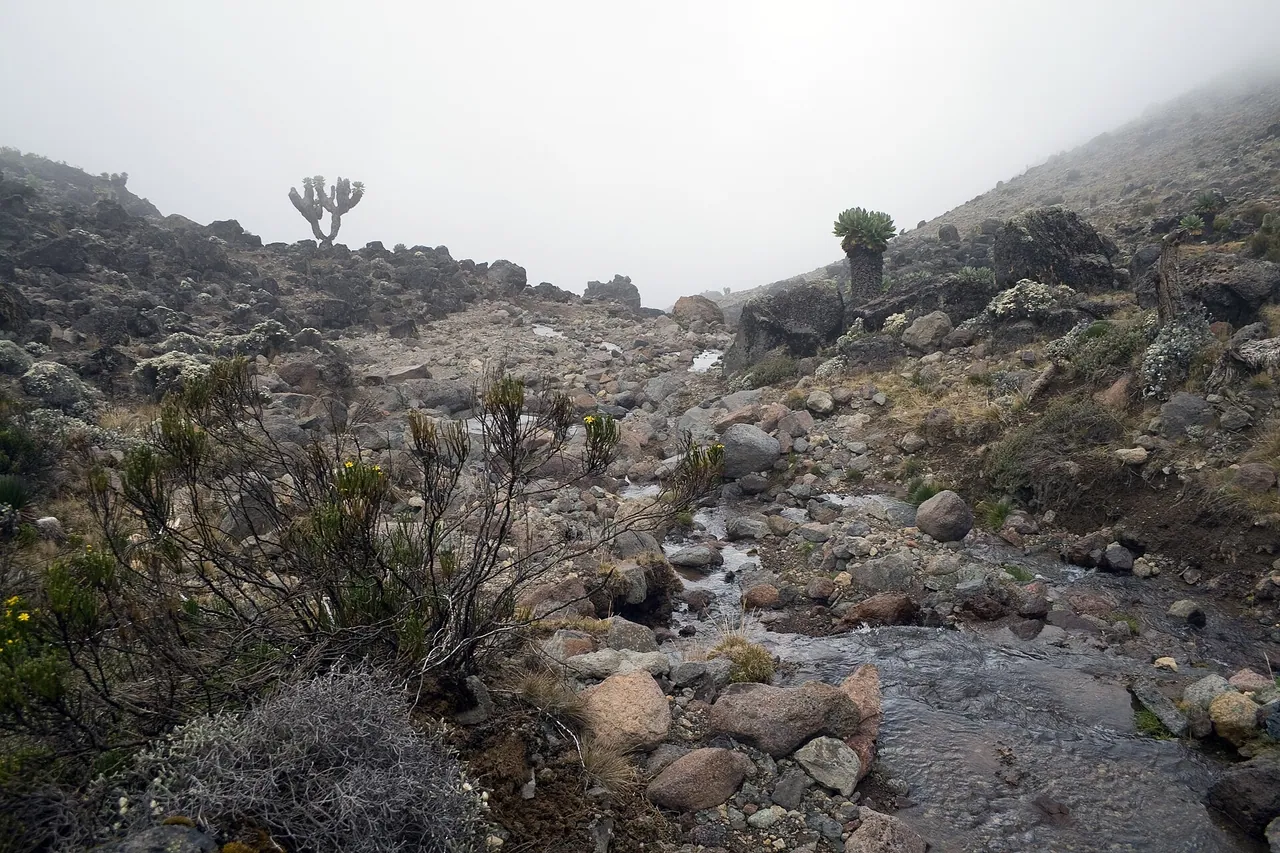
Expect a fully supported multi-day trek. Licensed guides stay beside you on the trail, and a team of porters and a cook carry the gear and set up camp before you arrive each afternoon. Across six to nine days the scenery changes zone by zone: first montane rainforest, then heather and moorland, then alpine desert, and at the top the icy summit zone. A pre-dawn push brings you to Uhuru Peak on the crater rim.
All climbs use one of the established routes, and picking between them is the single most important decision you make. Extending the trip costs more but gives your body time to adapt, so longer itineraries reach the top more often.
Comparing the routes
| Route | Typical days | Character |
|---|---|---|
| Lemosho | 8 | Quiet western approach with very good acclimatisation |
| Northern Circuit | 9 | Longest and least crowded, strong on acclimatisation |
| Machame | 7 | Scenic and popular, but busy in high season |
| Rongai | 7 | Approaches from the drier north, good in rainy shoulder months |
| Marangu | 6 | Only route with huts; short, and so a lower summit rate |
| Umbwe | 7 | Steep and direct, best for experienced trekkers |
For a first climb with time to spare, Lemosho is a strong recommendation. Machame is the favourite classic, effective and handsome though crowded. Rongai suits the wetter shoulder months because it comes in from the dry side. Marangu is the sole route with hut lodging, and its brevity explains why fewer people summit on it. Umbwe is a sharp, direct line. The Northern Circuit asks the most time and gives the most generous margin for altitude.
When to climb
Jan to Dec
June to October is the main season, with the driest trails and steadiest weather, along with the most company on the busy routes. January to early March is the connoisseur's window: nearly as dry, noticeably calmer, with a fair chance of snow on the rim for photographs.
April and May bring wet trails, poor views and slick rainforest, so we usually advise against them. November's short rains are gentler, and the northern Rongai route remains very workable then. Peak-season crowds are the main drawback: in August, Machame camps are shared with many other groups. For solitude choose Lemosho or the Northern Circuit, or go in late January.
A typical day on the mountain
6:30 AM
Tea and breakfast
Hot water is brought to your tent, and porters dismantle camp around you while you eat.
8:00 AM
Walking
Four to seven hours at a deliberately slow pace, 'pole pole', as the crew passes you carrying the camp.
1:00 PM
Hot lunch
Lunch is served either at a lunch camp or as a picnic along the trail, whichever suits that day's route.
4:00 PM
Arrive at camp
Tents are up and washing water is ready. Many afternoons include a short acclimatisation walk, climbing high and sleeping low.
6:30 PM
Dinner and briefing
A three-course dinner in the mess tent, a check of your blood oxygen levels, and a briefing on the next day. Summit night then replaces all of that with a start around midnight.
What shapes the price
Kilimanjaro has a firm price floor, because park and camping fees add up to a large fixed cost per climber per day before anyone is paid. Lemala Safaris will confirm figures for your dates and route.
- Days on the mountain: each additional day adds park fees, crew wages and food, and gives you acclimatisation in return. Nothing else you spend on this peak works harder.
- Group or private: the cheapest choice is a scheduled group departure; a private expedition with a dedicated crew and flexible dates carries a higher cost per person.
- Crew welfare: fair porter wages, decent mountain food and good tents cost real money, and a very low price usually means savings somewhere you will feel.
- What is included: park fees, camping, the full crew, mountain meals and transfers are normally covered, while crew tips and rental gear are extra.
Included
- Park, camping and rescue fees
- Licensed guides, cook and porters
- Meals on the mountain
- Transfers to and from the gate
Not included
- International flights and visa
- Crew gratuities
- Personal gear and rental items
- Travel insurance with high-altitude cover
The physical side
Athletic talent is not required, but endurance, determination and humility about altitude. Daily hiking is moderate; summit night is the true test, with roughly 1,200 vertical metres climbed in darkness, in sub-zero cold, with far less oxygen than at sea level. Prepare by hiking long hills in the boots you will actually wear, turn up well rested, keep your pace slower than seems natural, and sip more water than you feel like. Fitness does not protect against altitude sickness; time does, and that is why extra days on a longer route pay off.
- Broken-in waterproof hiking boots
- Four-season sleeping bag
- Insulated summit jacket
- Thermal base layers and gloves
- Headlamp with spare batteries
- Water bladder and bottles (3 litres capacity)
Gallery
In pictures
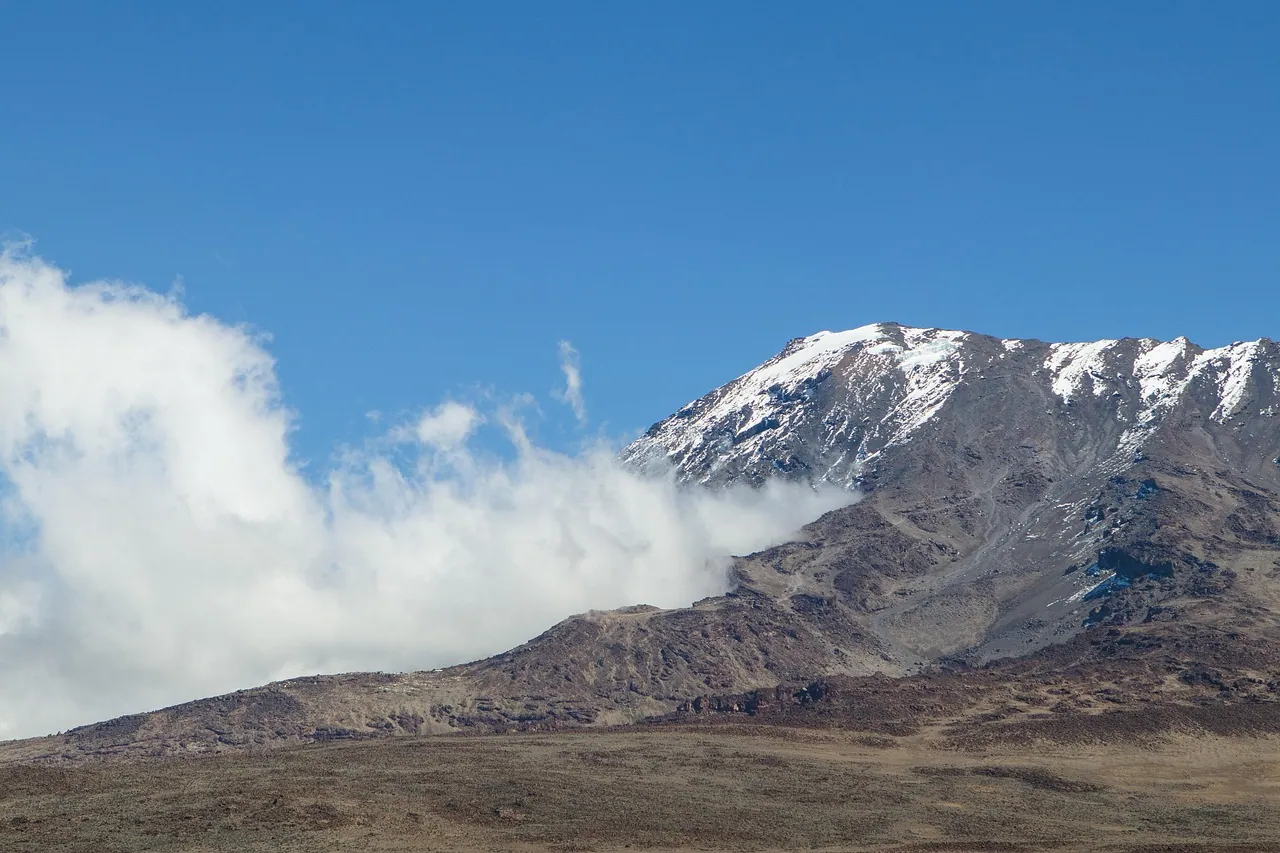
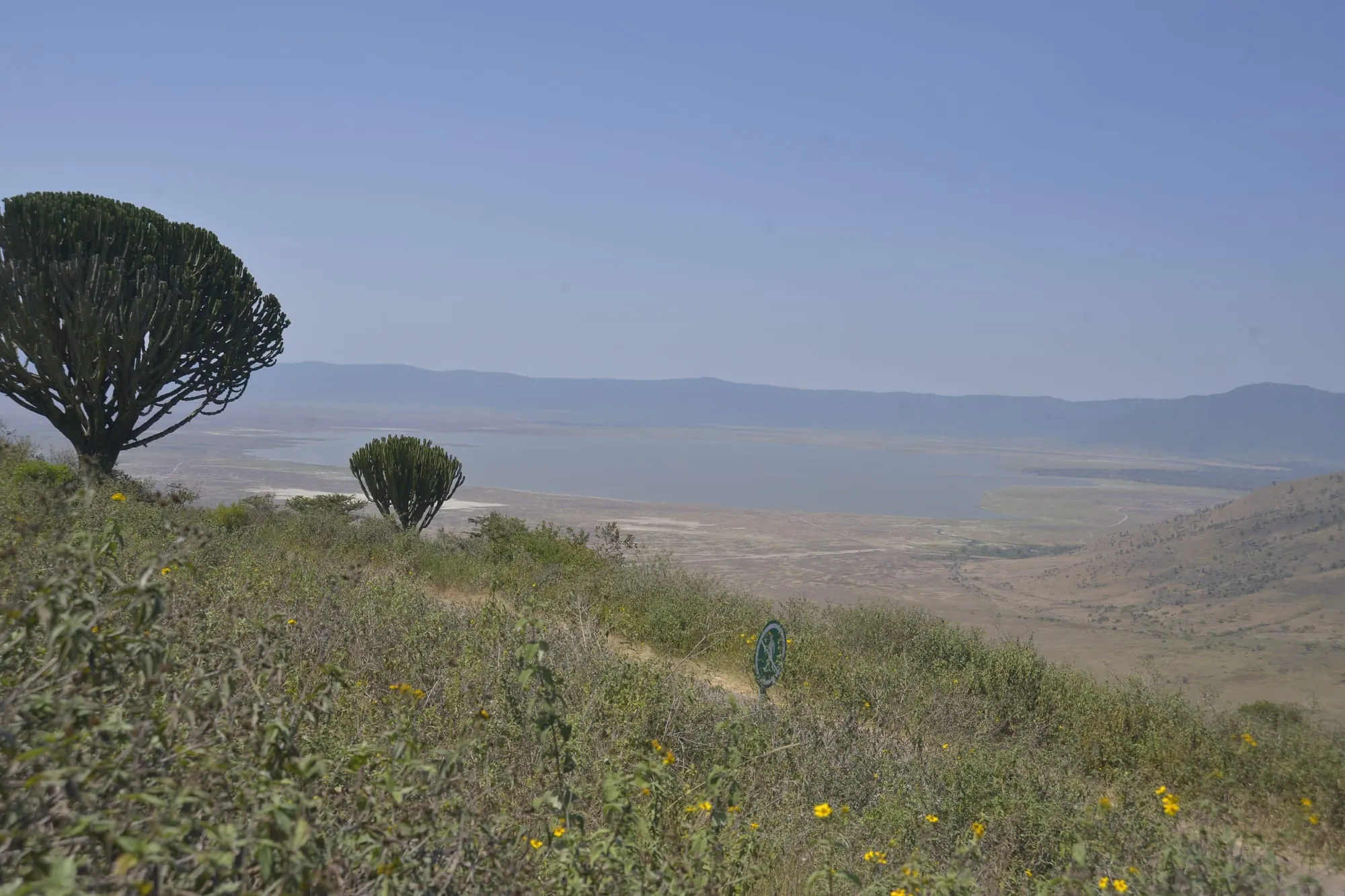
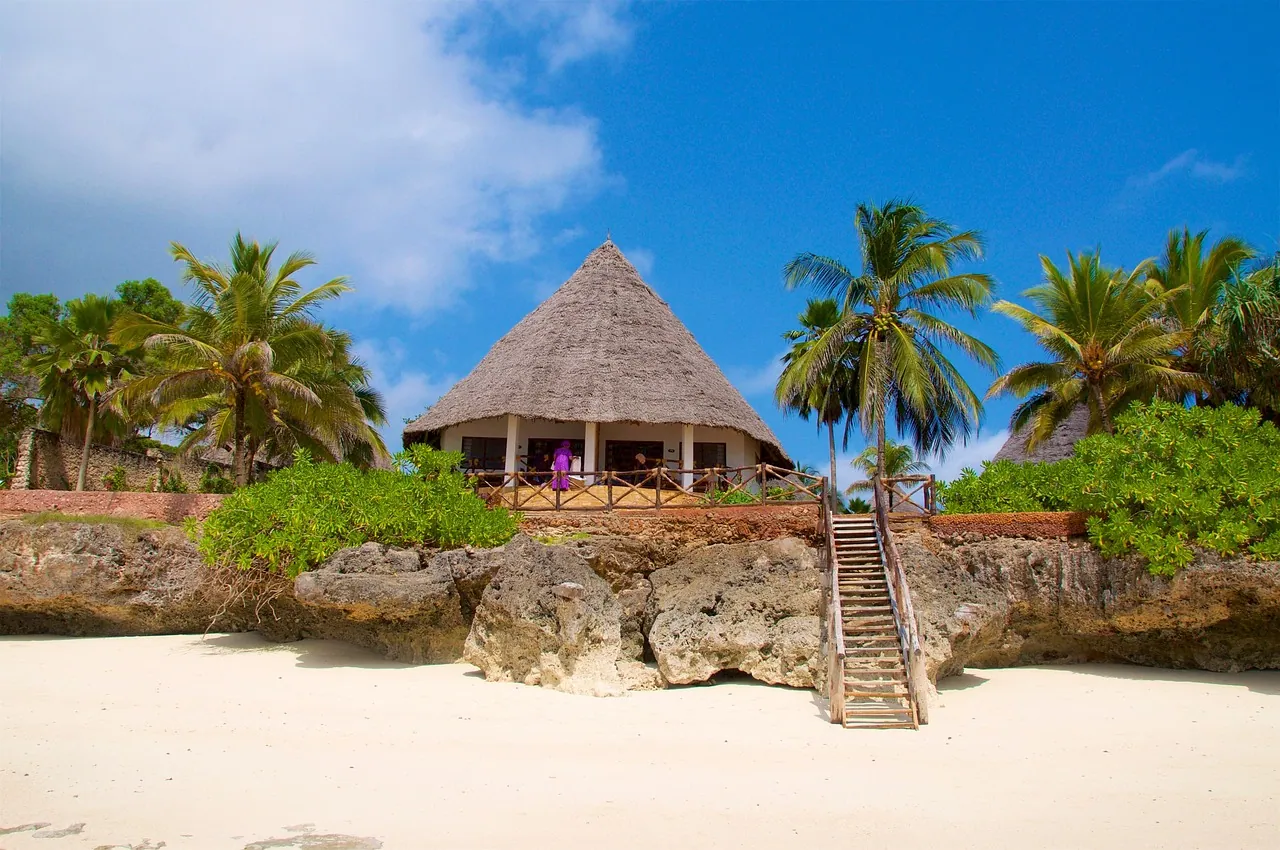
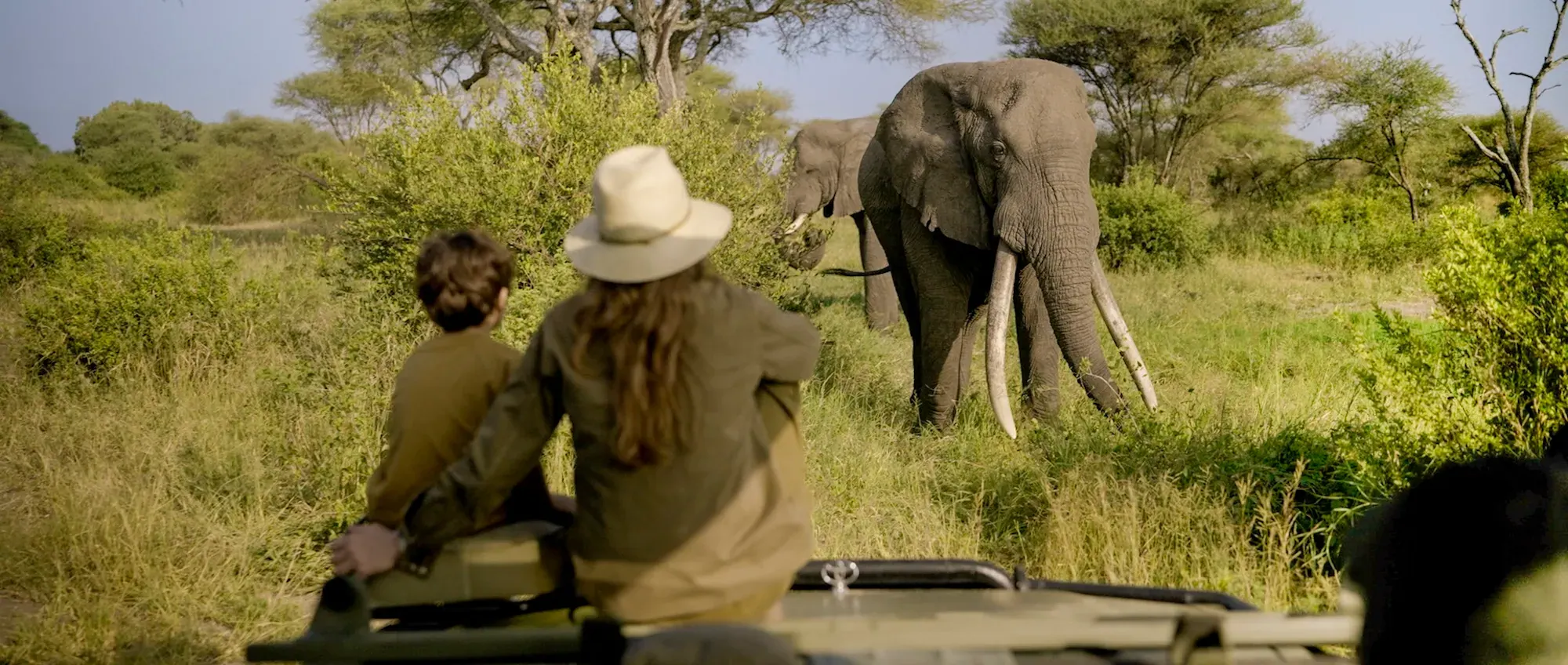
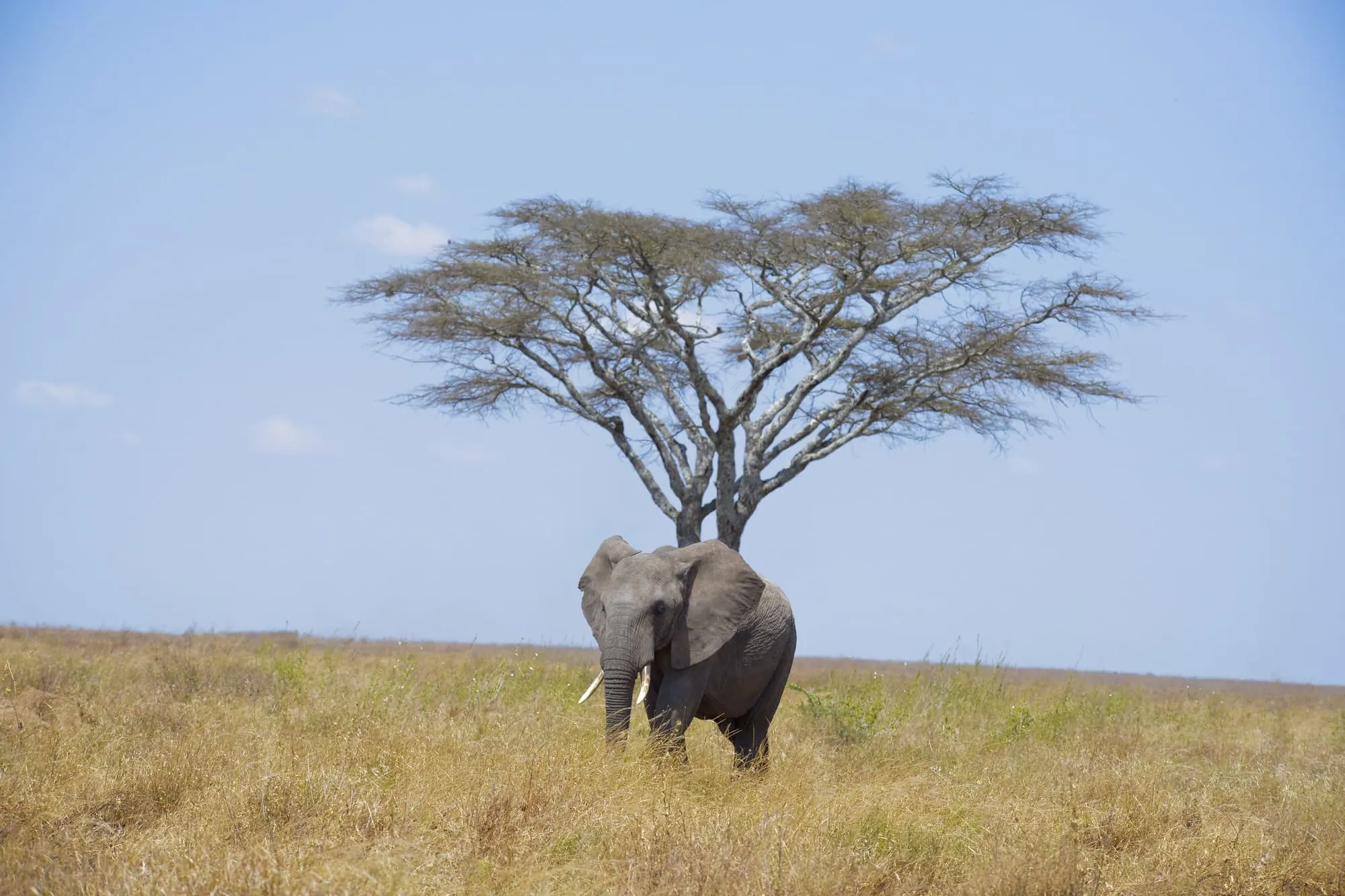
Photo credits: Stig Nygaard from Copenhagen, Denmark, CC BY 2.0 via Wikimedia Commons; Masa Sakano from Leicester, UK, CC BY-SA 2.0 via Wikimedia Commons.
Questions
Good to know
The longer ones. Lemosho at eight days and the Northern Circuit at nine build in the most acclimatisation, so they have the strongest summit rates. Marangu, though the cheapest and best known, lags for the opposite reason.
None. Kilimanjaro is a trek and not a technical climb, and the standard routes involve no ropes, harnesses or crampons. Provided you can keep climbing for six hours a day across several days, what remains is how well you adapt to altitude.
Many climbers remember it as the toughest night of their lives, and the one they bring up for years. Leaving camp near midnight, you labour up scree in the cold for six to seven hours before the crater rim appears around sunrise. The cold bites, the air is thin and your mind is worn down, yet when the sun lifts over the glaciers, each step feels justified.
Summit night often brings temperatures of minus 10 to minus 20 degrees Celsius once wind chill is counted, whereas day one in the rainforest is warm and humid. Every layer you pack will get worn. Two items are essential, both available to rent locally: a sleeping bag rated for four seasons and an insulated jacket for the summit push.
Yes, and it is a popular pairing. Many climbers add a four to seven day Northern Parks safari afterwards, since a vehicle is kind to tired legs, and some finish on Zanzibar. Mountain, bush and beach make a complete Tanzanian arc.
Tips are a real part of crew income on the mountain. Lemala Safaris will give a clear recommended amount and breakdown before you travel, so there is no awkward arithmetic at the gate.
Between six and nine days on the mountain, depending on route. Longer is statistically better, because rushed itineraries lose far more climbers to altitude than fitness.
Yes. It is a trek and not a technical climb, and first-timers summit often. What counts most is choosing a longer route, preparing beforehand with lengthy hill walks, and keeping a deliberately slow pace on the mountain.
Climbing Kilimanjaro to Uhuru Peak
Add it to a safari or build a trip around it. We will take care of the details.