
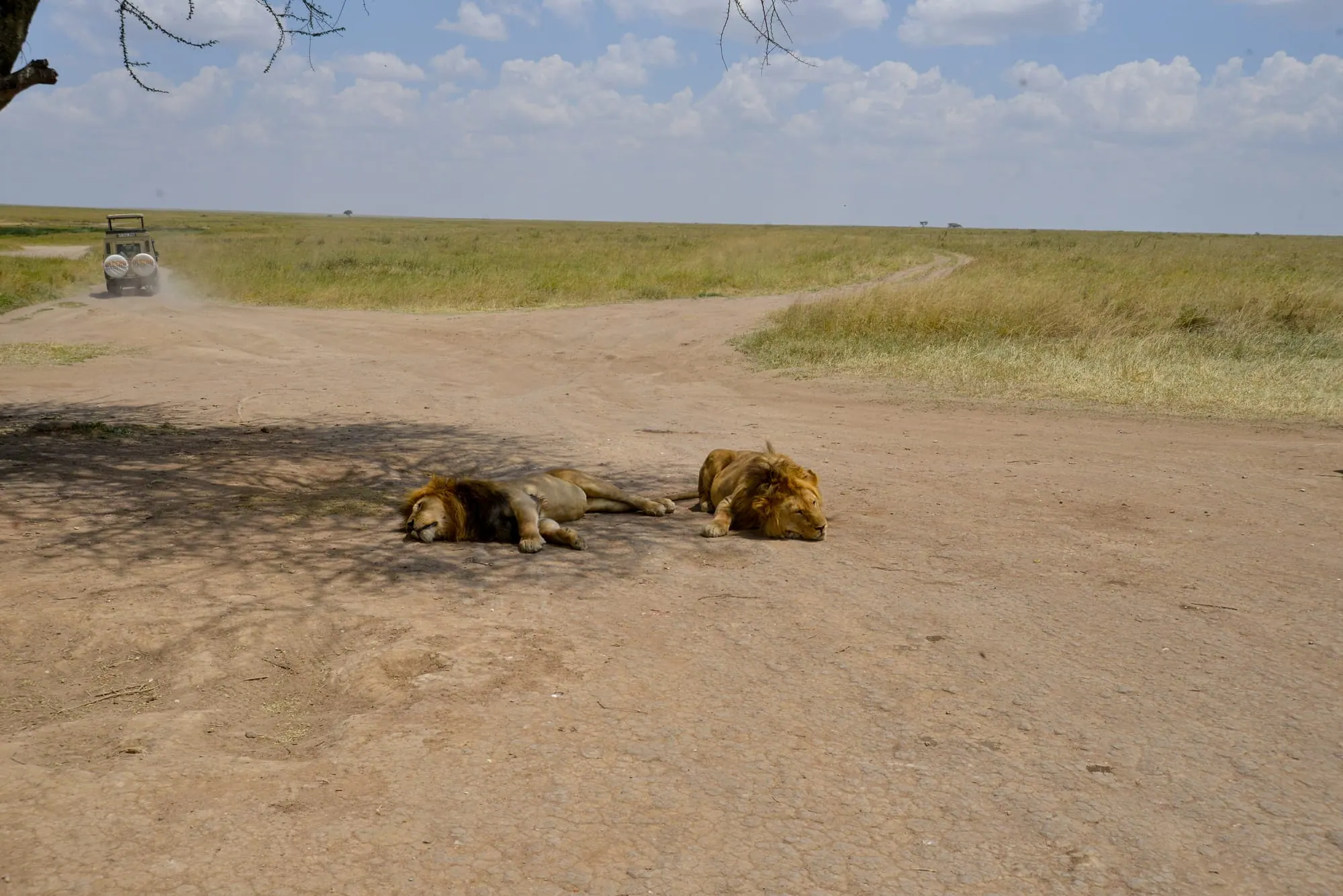
Game Drive Safari
The Northern Parks Game Drive Safari
Big skies, big herds and a Land Cruiser with the roof up
- Duration
- 5 to 14 days
- Location
- Serengeti, Ngorongoro Crater and Tarangire
- Guide
- Private guide and 4x4 vehicle
- From
- $2,550 per person
The experience
Big skies, big herds and a Land Cruiser with the roof up
The traditional Tanzanian safari: a private guide, an open-roof 4x4 and a loop through the Serengeti, Ngorongoro Crater and Tarangire. Anything from a tight five days to a leisurely fortnight.
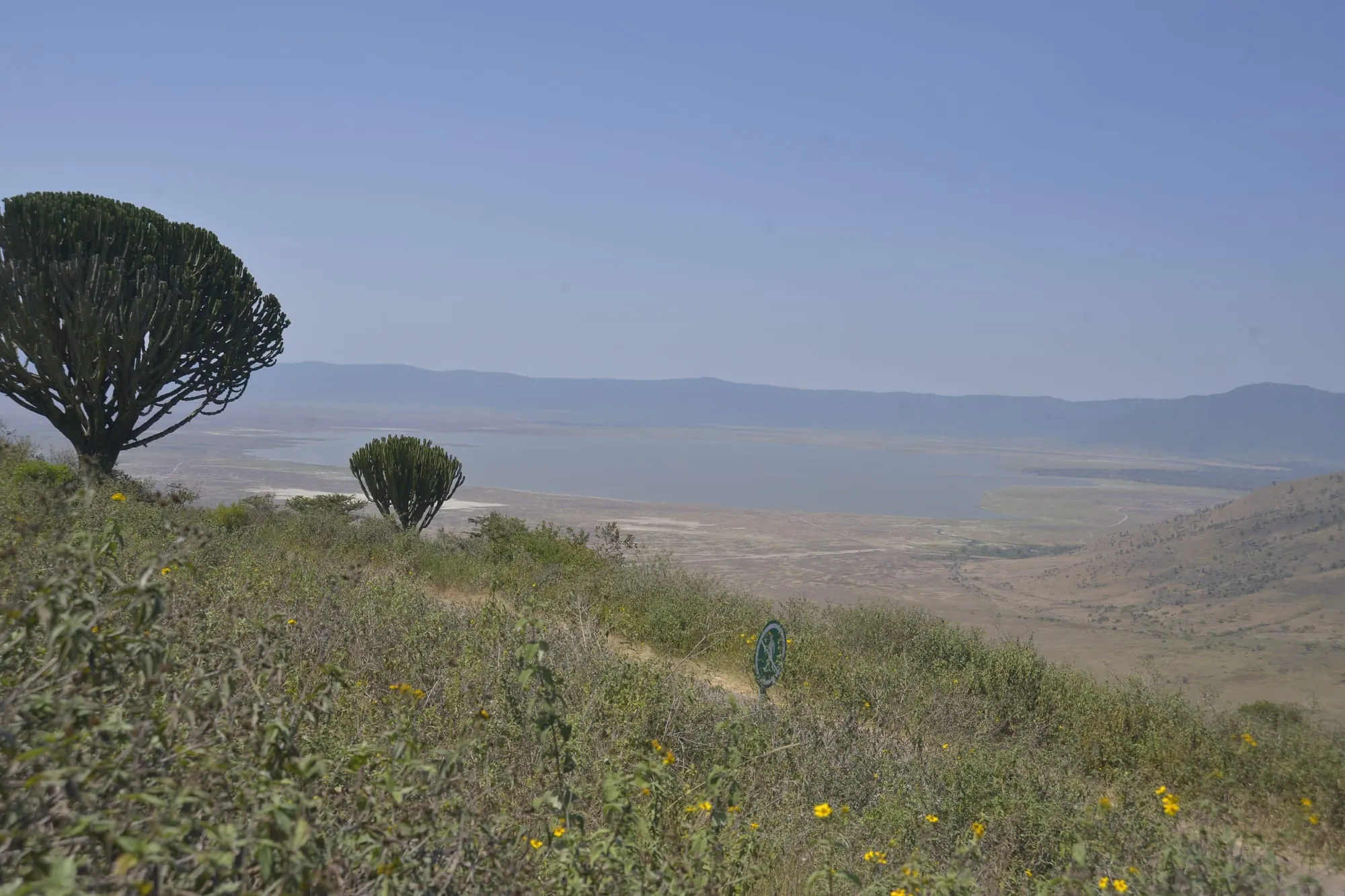
- Five big mammals in a single day on the floor of Ngorongoro Crater
- Calving plains and river crossings in the Serengeti, depending on the month
- Baobab country and elephant herds in Tarangire
- Night drives in the parks where they are permitted
- Local guides who know every waterhole and den
Why the classic format still wins
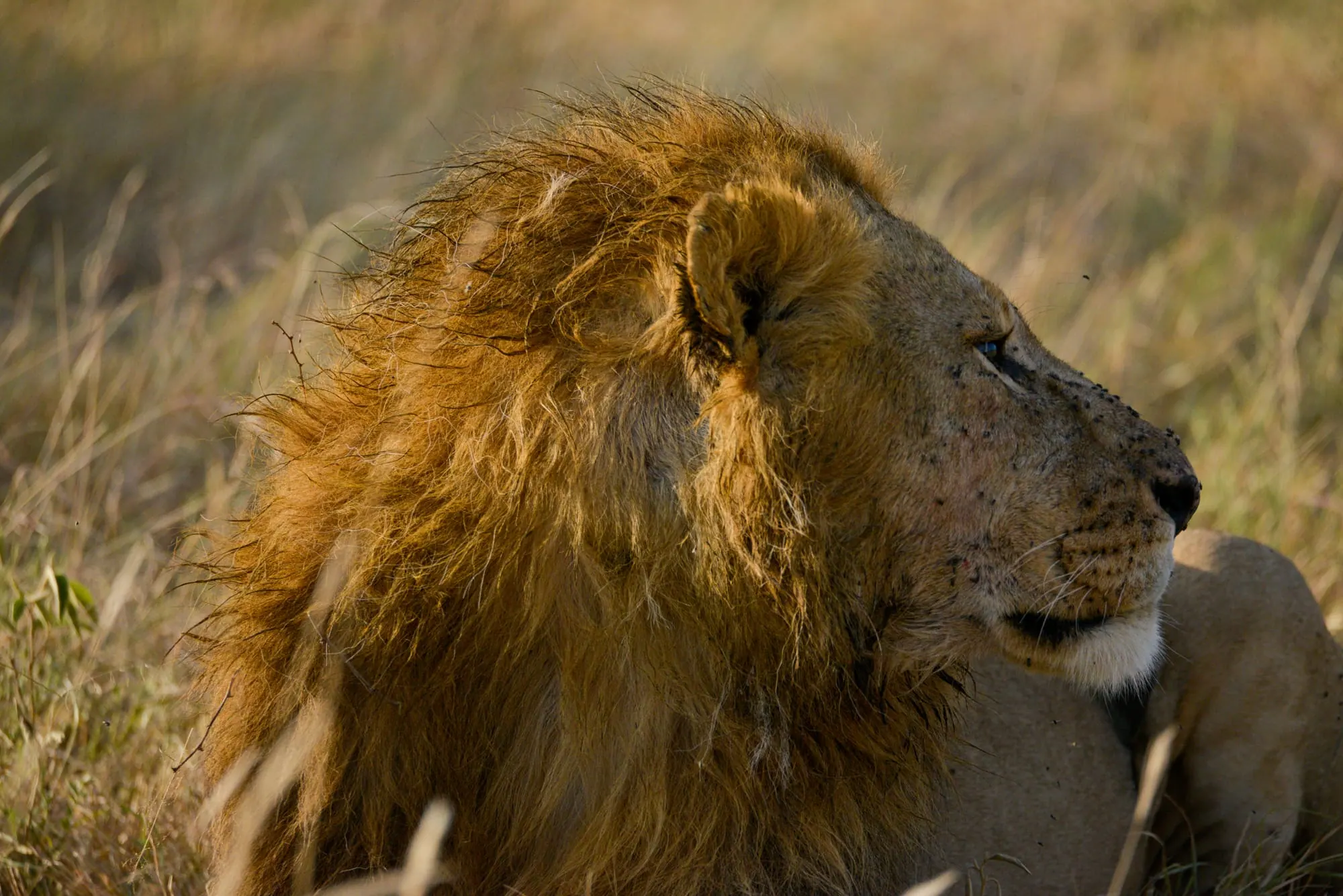
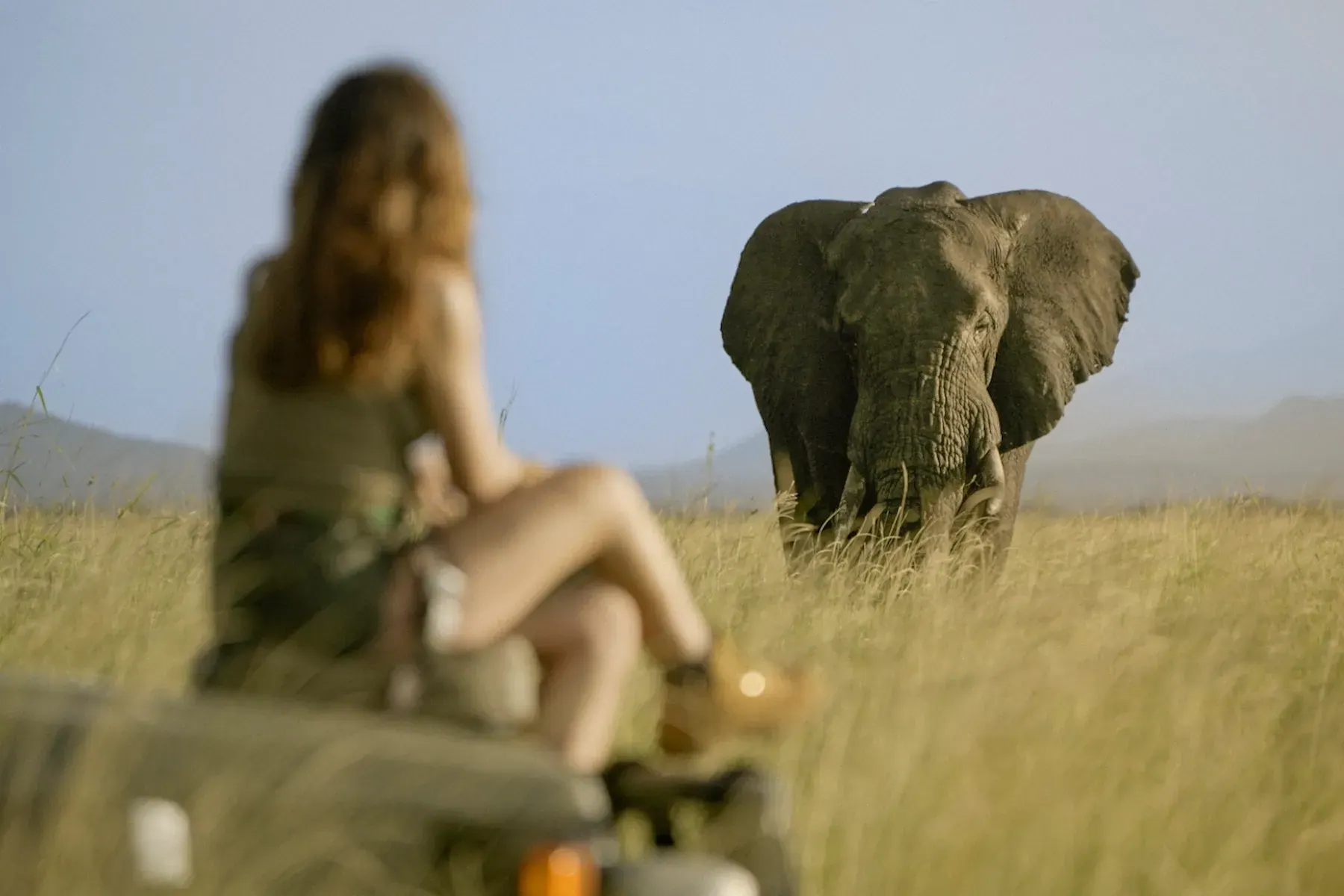
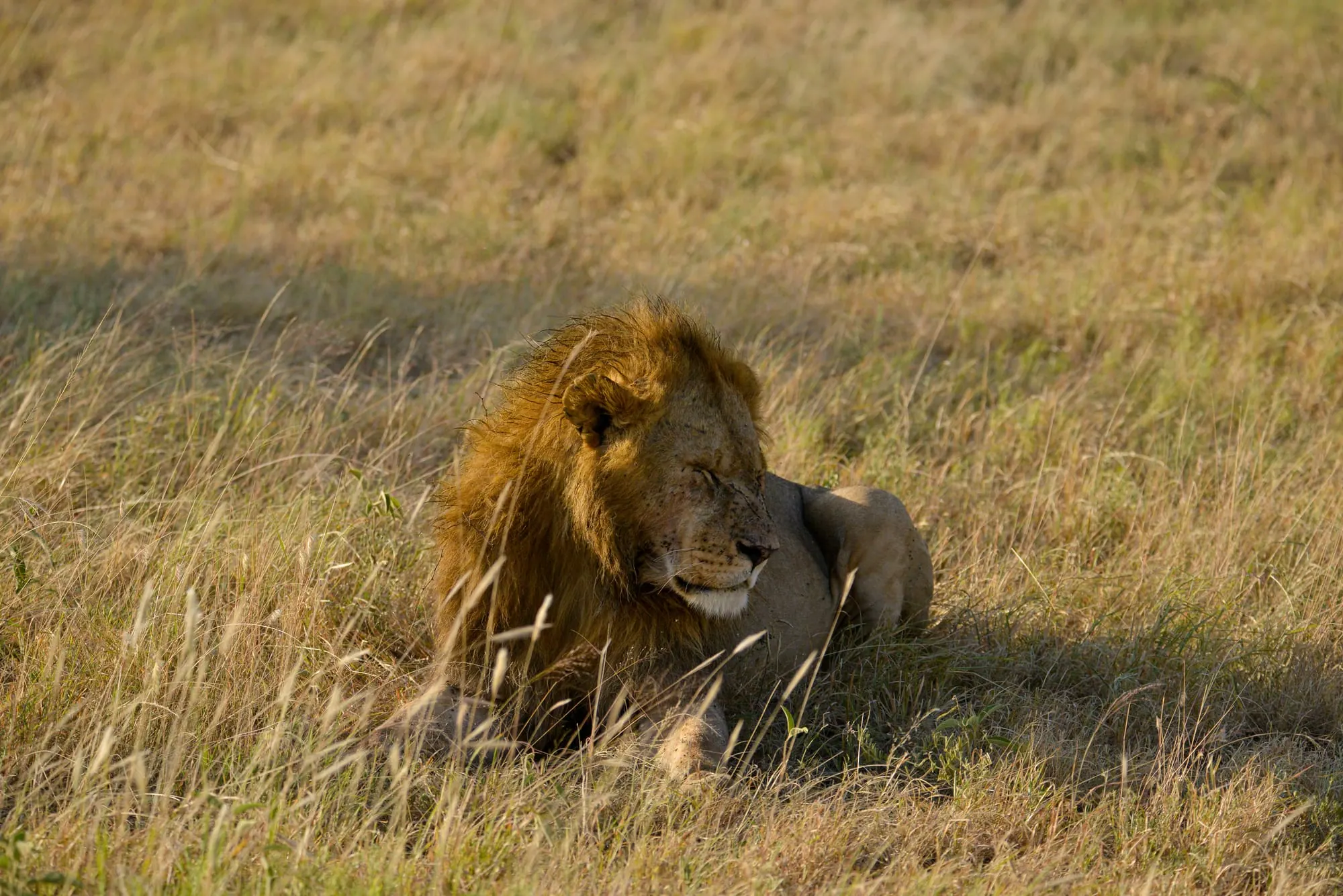
First-timers tend to remember one instant. It might be a lioness lifting her head in the first amber light, or the hush that falls just before elephants step onto the track ahead of you. Or it might be the sudden understanding, about twenty minutes into your first drive, that no documentary got close to how crowded with life the Serengeti really is.
A game drive safari is built to deliver that instant, again and again. This page explains the route, the seasons, the rhythm of a normal day, what moves the price and what to put in your bag.
What the term actually covers
Put simply, you cross a national park by 4x4 with a trained guide, following wildlife as it moves. Variations exist: exploring on foot, hopping between parks in small aircraft, or using a mobile camp whose tents relocate to stay close to the herds. Any of these can be woven into one journey.
For most guests the word means the Northern Circuit of Tanzania: the Serengeti, Ngorongoro Crater and Tarangire, with Lake Manyara slotted in when time allows. The three parks sit close together yet differ sharply in terrain and wildlife, which explains why this loop has become the usual way into African safari.
Four reasons it holds up
- Density of animals: the Serengeti and Ngorongoro ecosystem carries one of the heaviest concentrations of large mammals on the planet, so the question is how much you can absorb in a day, not whether you will see anything.
- Landscape on the move: driving between parks lets you watch open savanna rise into crater highlands and acacia woodland thin out onto the plains, a progression that flights skip entirely.
- Elastic length: the format works as a compact five-day first taste or a two-week deep dive, and it bolts neatly onto a Zanzibar stay, a Kilimanjaro climb or a visit with Maasai or Hadzabe communities.
- Guide knowledge: because this is the most frequently driven route, guides know it intimately, down to individual waterholes, den sites and seasonal habits.
Choosing your months
Season shapes this trip more than nearly any other choice. A frank summary follows.
Jan to Dec
From June to October the grass thins, animals gather at permanent water and you can see a long way. It is also the stretch when the migration's river crossings usually play out in the northern Serengeti.
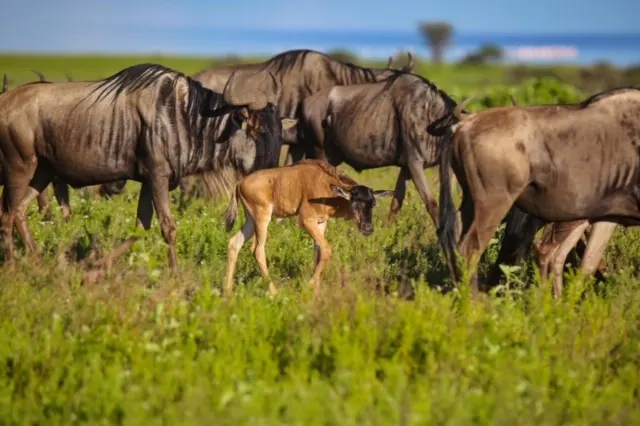
December to March follows the short rains, so the land is green and the skies are dramatic. In the southern Serengeti and around Ndutu, hundreds of thousands of wildebeest calves arrive within a few weeks, and the hunting that follows is exceptional.
April and May are the quietest months, with fewer visitors and softer rates, although some roads turn difficult and a few camps shut. That suits a tight budget better than a first safari.
No month is truly poor. The animals stay put; what changes is where the best action sits, and a good guide knows exactly where that is during your week.
A day on safari
Expect something slower and more deliberate than a sightseeing schedule. The day bends around light and animal behaviour.
5:30 AM
Up before the sun
Predators are most active at first light and the light itself is kind, so drives leave early.
6:00 to 10:00 AM
Morning drive
Three to four hours out, usually with a bush breakfast and coffee at a scenic stop.
Midday
Rest while the heat peaks
Animals lie up in the shade and so do you: lunch and downtime at camp, or a picnic when you are covering distance between parks.
4:00 to 6:30 PM
Afternoon drive
As the day cools the bush wakes again, and this is often the best window for predator activity before sunset.
Evening
Camp and a sky full of stars
Dinner, talk, and at many camps a fire under more stars than most people have ever seen.
That pattern repeats from park to park. The journeys between them count as part of the experience rather than dead time.
What shapes the price
Cost depends heavily on where you sleep, how many are travelling and how long you go. The pricing for each itinerary will be confirmed by Lemala Safaris when you enquire.
- Where you stay: the same route can cost very different amounts depending on whether you choose comfortable tented camps or high-end lodges.
- Party size: a private vehicle for your group costs more per head than a seat on a shared departure.
- Length and parks: every extra park or night adds guiding, park fees and accommodation.
- Time of year: July to October and the Christmas stretch attract premium rates nearly everywhere.
Park fees, a private guide and vehicle, meals and accommodation are normally part of the price. Flights to Tanzania, visas, gratuities and insurance usually are not, so check each line with any operator before you commit.
Included
- Park entrance fees
- Private guide and 4x4 vehicle
- Meals during the safari
- Accommodation as specified
Not included
- International flights
- Visa fees
- Gratuities
- Travel insurance
What to bring
Dress in khaki, olive or tan rather than bright colours or white, which show the dust. Add a broad-brimmed hat, strong sunscreen, binoculars, a light rain jacket whatever the month and a camera or phone with a spare battery.
- Neutral-coloured clothing
- Wide-brimmed hat
- High-SPF sunscreen
- Binoculars
- Light rain jacket
- Camera and spare battery
Gallery
In pictures
Questions
Good to know
Five to seven days is a sound start. It gives each park enough time without hurrying you onward. Shorter itineraries squeeze the experience, while longer ones let you settle into fewer places.
Nothing wild is certain. Ngorongoro Crater gives some of the best odds in Africa of seeing lion, leopard, elephant, buffalo and rhino in one day, and most itineraries that cover several parks tick off the majority.
Yes, with changes: shorter drives, lodges that welcome families and a pace that respects small attention spans. Tell us the ages when you enquire so the plan fits.
You sit in a vehicle for most of it, so fitness is hardly an issue. The early starts and long days are the main demand.
Almost always. Common partners are a Zanzibar beach stay, a Kilimanjaro climb either side of the safari, or a visit to a Maasai or Hadzabe community.
The figure varies by trip length, accommodation level and group size. Park fees, a private guide with vehicle, meals and lodging are normally included. Flights from home, visas, gratuities and insurance generally come on top. Request a quote from Lemala Safaris that fits your dates.
June to October gives the easiest viewing and the river crossings. December to March adds green scenery and the calving season. The wildlife is present all year; only the location of the best action shifts.
The Northern Parks Game Drive Safari
Add it to a safari or build a trip around it. We will take care of the details.