
Family travel
Safari With Children
A trip the whole family will keep talking about for years
- Duration
- 6 to 10 days
- Location
- Northern Tanzania circuit
- Group
- Private family vehicle as standard
- From
- $2,700 per person
The experience
A trip the whole family will keep talking about for years
A first giraffe through a roof hatch, a teenager's sharpest cheetah frame: a family safari is where these moments happen. We shorten the drives, choose lodges with pools and set aside time for rest, so children stay curious instead of cranky.
- Ranger-style activities and tracking lessons for juniors
- Lodges with pools and family rooms
- Short, lively game drives with long breaks
- Optional visits to a Maasai homestead
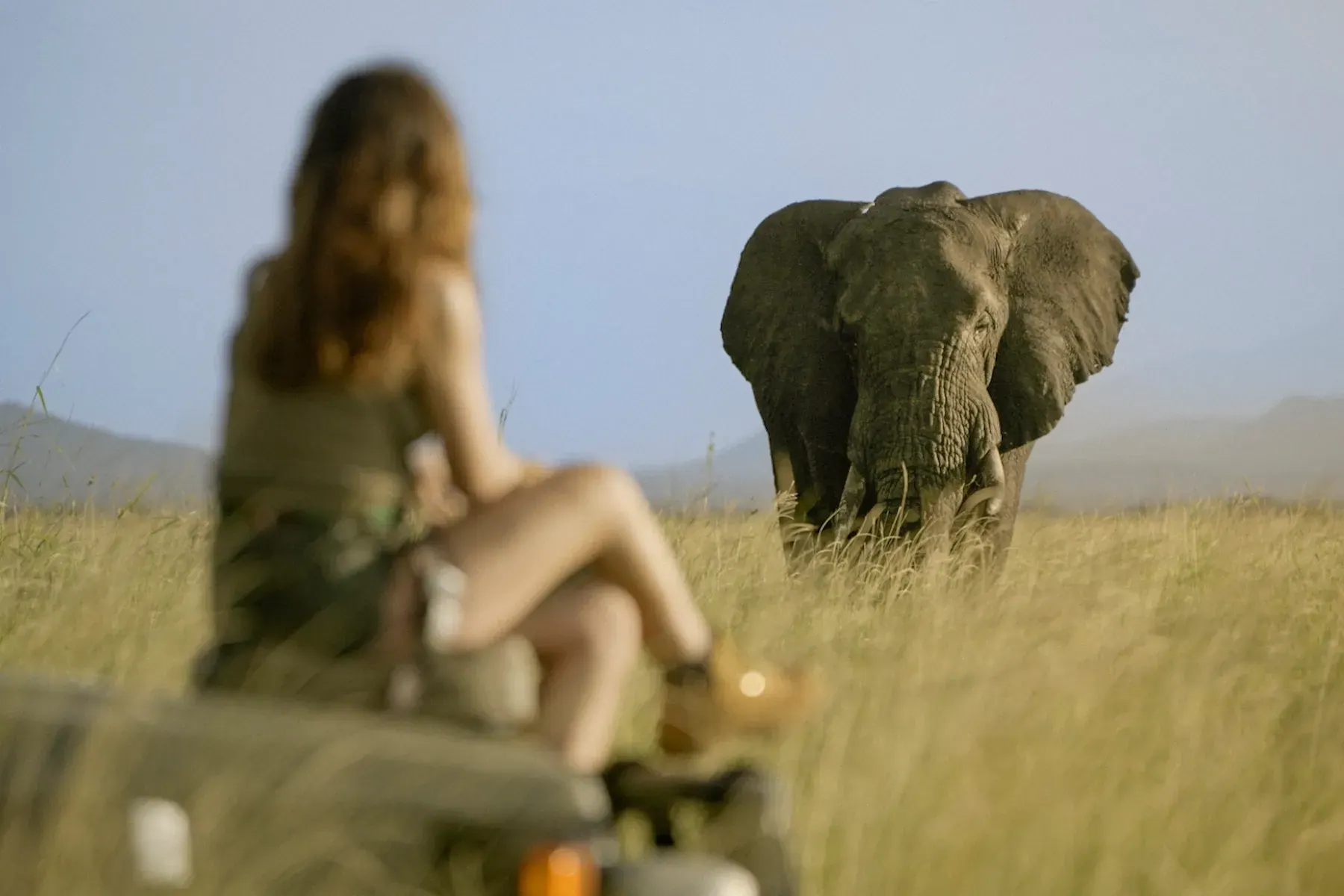
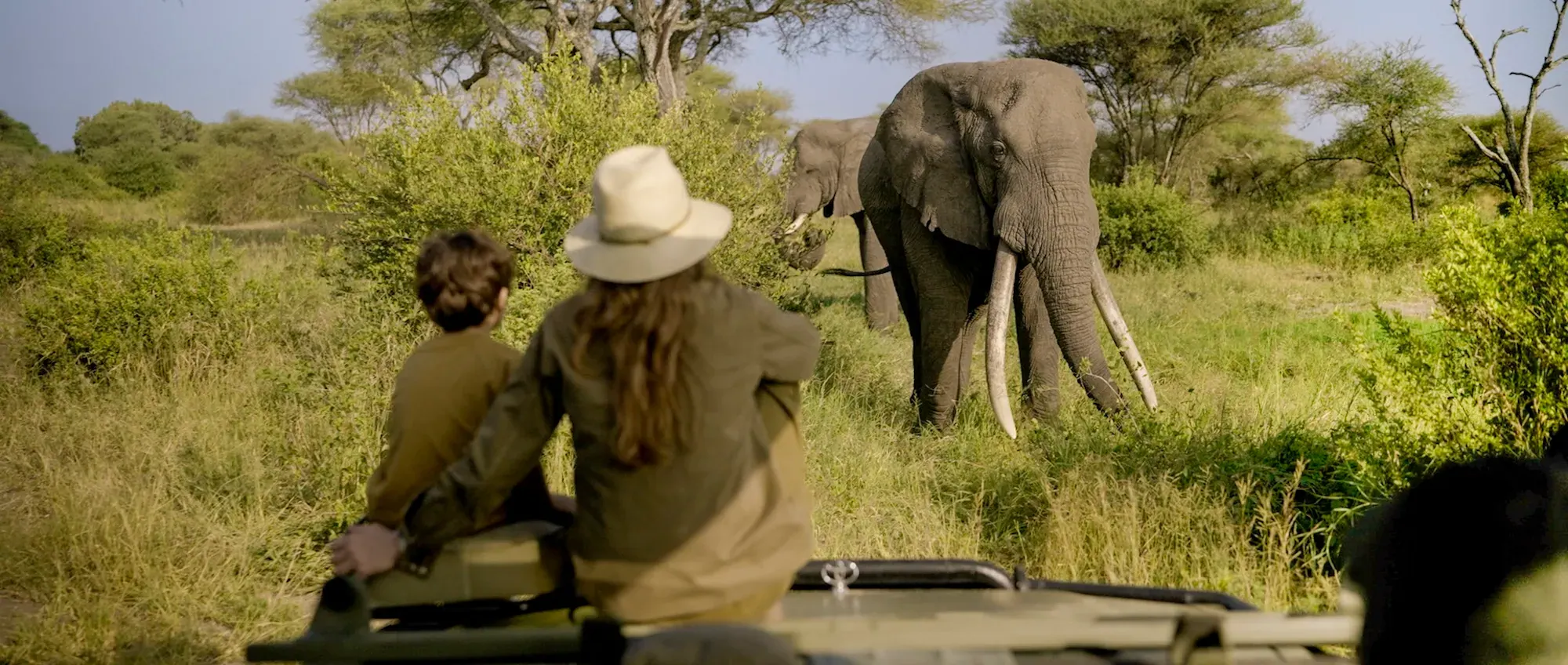
It usually arrives around the second day. The child who spent the flight staring at a tablet is on their feet in the open roof, hair blown flat, yelling ELEPHANT at full volume. A few days on, that same child can separate a Thomson's gazelle from a Grant's at a hundred metres and holds firm views on hyenas. Something has shifted, and it tends to stay shifted.
Few holidays suit a mixed-age group as well as a safari: outdoors, free of screens, full of wonder. Few are also as sensitive to small decisions. The length of each drive, the choice of lodge, the age rules and the flexibility at mealtimes decide whether the week is joyful or tearful. Below is how we put a family safari together and what to know before you go.
How a family safari differs
The route can be the same northern circuit of Tarangire, Ngorongoro and the Serengeti, but it is reshaped around young travellers. No single travel day is allowed to outlast a child's patience. Lodges are picked for swimming pools, family rooms or linked tents, relaxed children's meals and staff who enjoy having kids around. The vehicle is private, and for a family that is practical rather than indulgent: you stop for snacks, toilets and naps whenever you need to.
The best trips let children take part rather than simply watch. Think tracking lessons with the guide, plaster casts of animal prints, Swahili word games and, where ages permit, a short guided walk or a visit to a Maasai homestead.
Why go while they are small
**Wonder hits hardest early.** A ten-year-old standing near a wild elephant is absorbing something formative. Parents see it at once, and studies of children and time outdoors point the same way.
**Everyone gets a role.** Grandparents get comfort and a sundowner at golden hour. Teenagers get cameras and real adrenaline. Little ones get animals, water and dust. Three generations fit on a safari more easily than on most holidays.
**The worries are manageable.** Malaria precautions, long flights and fussy eaters are all real and all solvable with honest planning. Families who struggle are generally the ones handed an adult itinerary and left to endure it.
Choosing your dates
Jan to Dec
School calendars usually settle it. **July and August** combine the long break with excellent dry-season wildlife, which makes them the obvious window; the cost is peak rates and tight supply of family rooms, so book early. **Christmas and the February half-term** fall in the green season, when the southern plains are warm, dramatic and crowded with newborn animals. Children often respond to those more than to any river crossing.
**Easter** is a compromise. It touches the long rains, so rates ease but afternoon downpours and closed camps become possible. It works with flexible expectations, but we would not choose it for a trip you want to be perfect.
A day, child-sized
6:30 AM
A softer start
Later than the usual dawn patrol. Breakfast comes first, then you head out while the air is cool and the animals are busy.
7:30 to 11:00 AM
Morning drive, tuned for kids
Short loops with the roof hatch up and the guide keeping a spotting scoreboard. Snacks are rationed with care.
Midday
Pool, lunch, quiet time
The fixed point of the day. Swim, nap, rest. A rested child makes the whole afternoon work.
4:00 to 6:00 PM
The second act
A shorter drive, a ranger-style activity at the lodge or a village visit, chosen to fit how much energy is left.
Evening
Early supper, big sky
Children eat at children's o'clock, there may be marshmallows at the fire, and the stars end most bedtime negotiations.
What shapes the price
Family pricing has its own logic. Many lodges set child rates, often for under-12s sharing a room with parents, and family tents or connecting rooms are charged as a unit instead of per head.
- **Ages and rooming:** children sharing with parents cost noticeably less than teenagers who need their own room, so we price the real configuration.
- **Pacing:** shorter driving days may add an extra night on the road. It is usually the best money in the whole budget.
- **School-holiday demand:** July and August and the Christmas weeks carry peak rates everywhere; the February half-term often gives the best balance of weather and cost.
- **Private vehicle:** the norm for families, and not the place to economise.
Included
- Private family vehicle and guide
- Family rooms or connecting tents where available
- Park fees and meals while on safari
- Children's activities where lodges offer them
Not included
- International flights and visas
- Gratuities
- Travel insurance
- Lodge childcare (can be arranged locally)
Packing for small people
Start with the grown-up basics of neutral clothes, hats and sunscreen, then add the family extras: good snacks (drives run past snack time), a pair of binoculars for each child because sharing never lasts, motion-sickness tablets for the crater road, a species checklist or spotting journal, and screen-free entertainment for transfer days. Most family lodges wash clothes the same day, so pack less than your instincts suggest.
- Child-sized binoculars, one pair each
- Wildlife checklist or spotting journal
- A generous snack supply
- Sun hats and high-SPF sunscreen
- Motion-sickness tablets
- Swimwear for the midday pool
Gallery
In pictures
Questions
Good to know
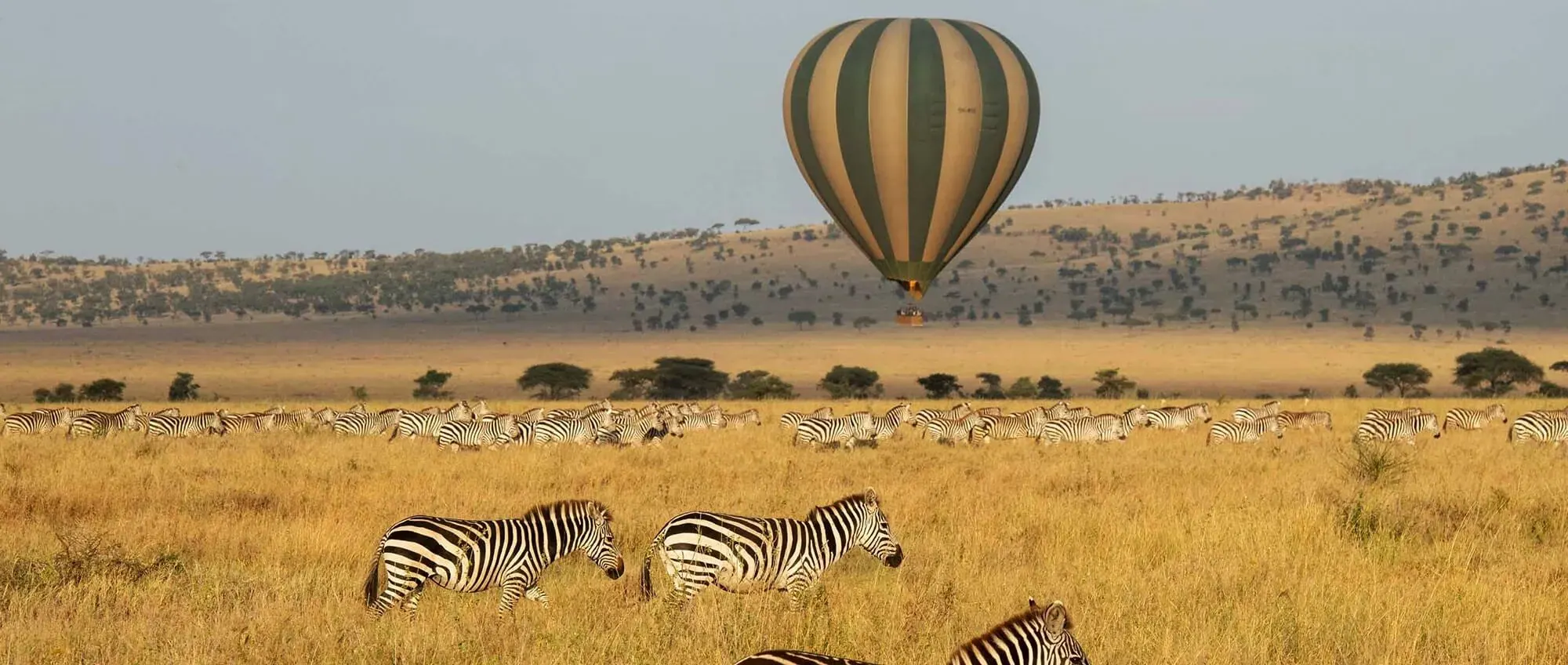
Game drives in a private vehicle carry no legal age limit, and we plan trips with children from about 4 or 5, when excitement and patience start to balance. Some lodges set their own minimums, often 6 and over, sometimes relaxed for exclusive-use bookings. Activities add their own limits: walking safaris commonly start around 16 and balloon flights around 7. We check every rule against your children's ages before suggesting anything.
When it is run well, yes. Vehicles are built for the job, lodges inside wildlife areas escort guests after dark, and guides are used to families. Health precautions such as malaria prophylaxis, vaccinations, sun and water are the same ones adults follow, just scaled down. Your doctor decides on medication for each age.
Both, and that is deliberate. No child will sit through eight hours of driving, but short drives with a guide who makes spotting a game, plus swim time and a fireside evening, give you a trip that children often rank above a theme park.
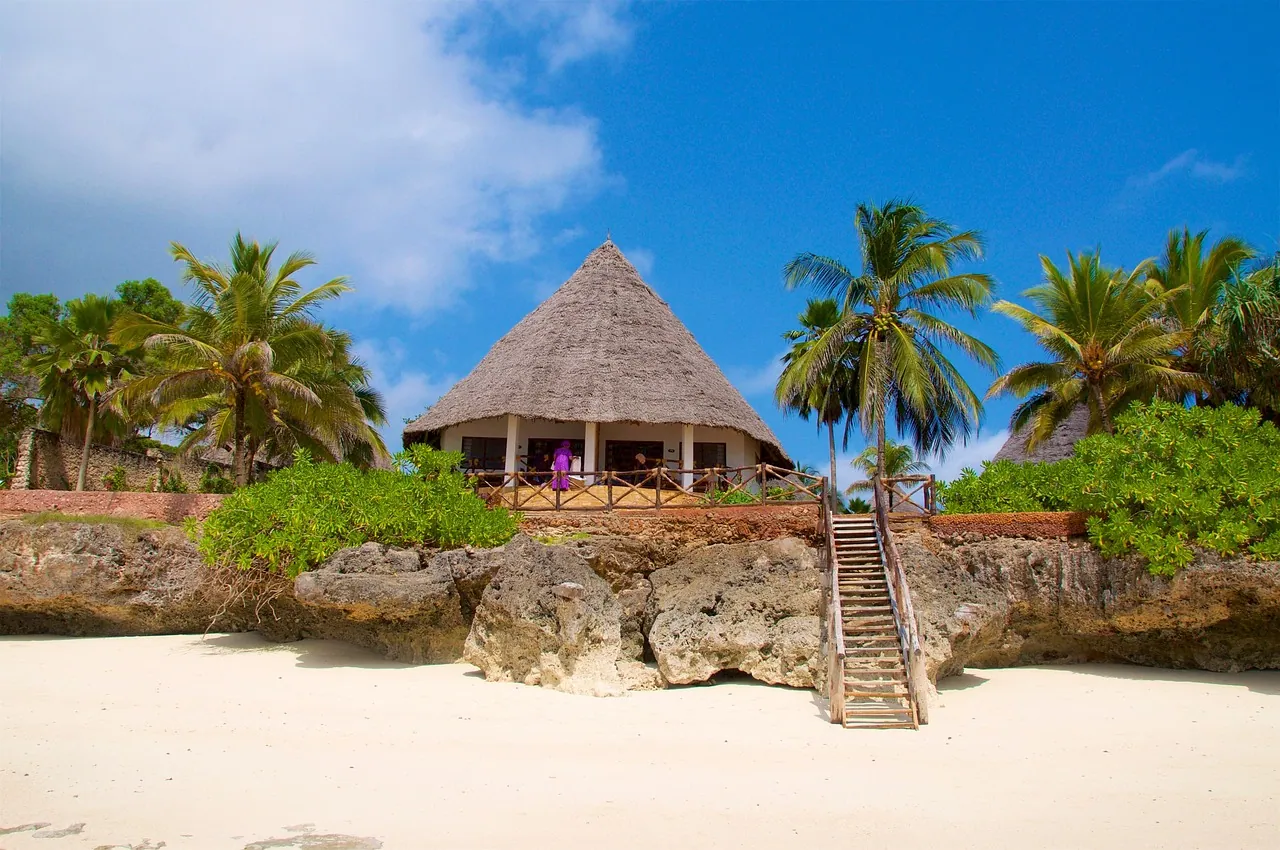
Six to eight days on the ground lets you see Tarangire, the crater and the Serengeti at a child's pace and still fit within a school break once travel days are added. Ten days suits families who also want Zanzibar, which children treat as a second headline.
Yes, and multigenerational trips suit the format. Everyone shares the vehicle and the sightings, then energy levels part ways at midday without any guilt. Lodges with pools, gentle paths and family suites keep three generations comfortable.
Safari first. Children cope with early mornings better at the start of a holiday, and the beach acts as a soft landing for them and for you. Four days of safari followed by four on the coast is a common family split.
Things click from around 6 to 8, when patience and curiosity are in balance and most lodge minimums no longer apply, and 10 to 14 is arguably perfect. A private vehicle makes younger children workable. Pacing matters more than age.
Safari With Children
Add it to a safari or build a trip around it. We will take care of the details.