
Serengeti · Ngorongoro Crater
8-Day Ndutu Resident Predators Safari for Photographers and Writers
Quiet plains, territorial cats and three full days to follow one story to its end.
- Duration
- 8 days
- Destinations
- Serengeti · Ngorongoro Crater
- Best months
- Jun, Jul, Aug, Sep, Oct
- Group size
- 2 to 6 guests
- From
- $6,319 per person
Overview
Quiet plains, territorial cats and three full days to follow one story to its end.
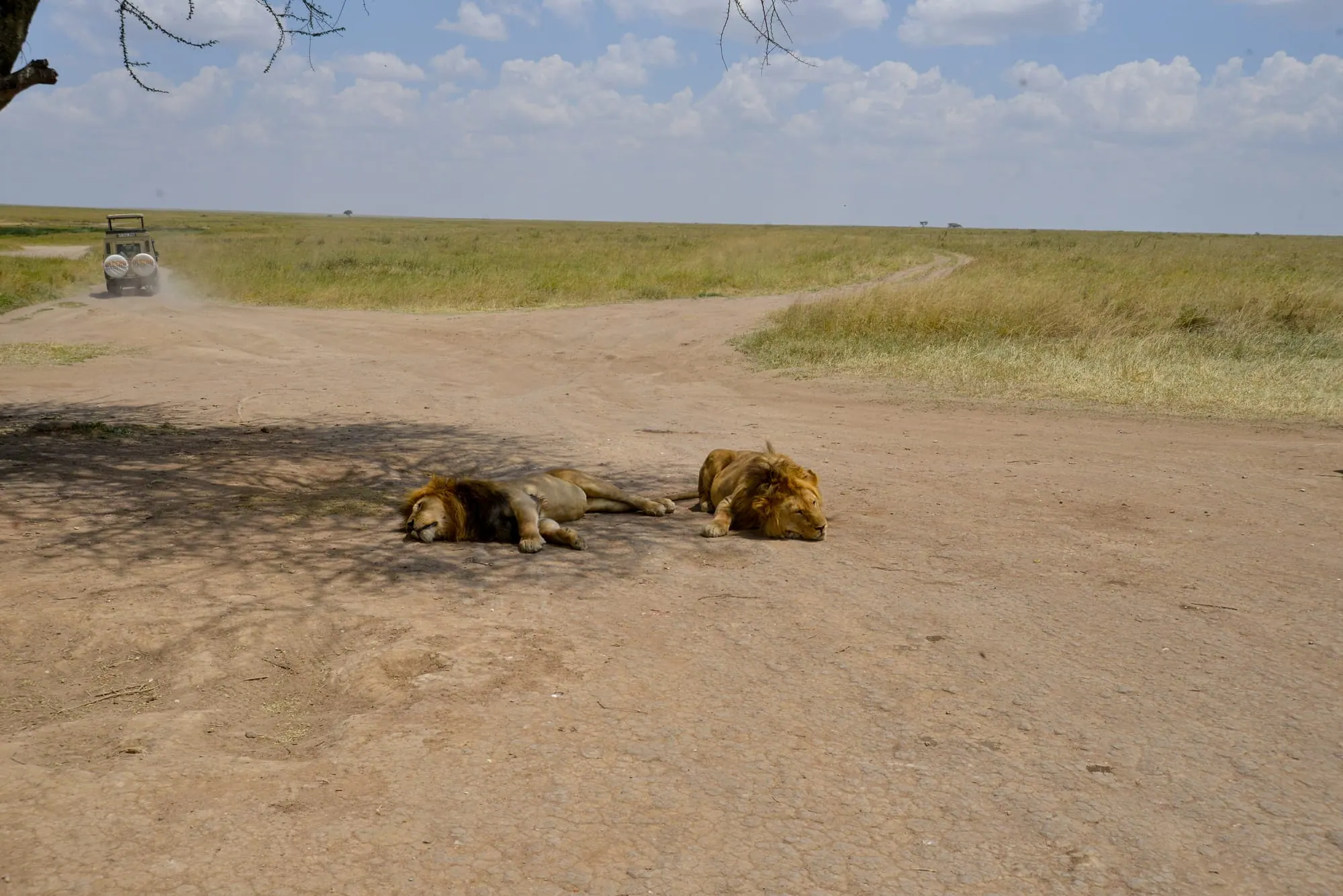
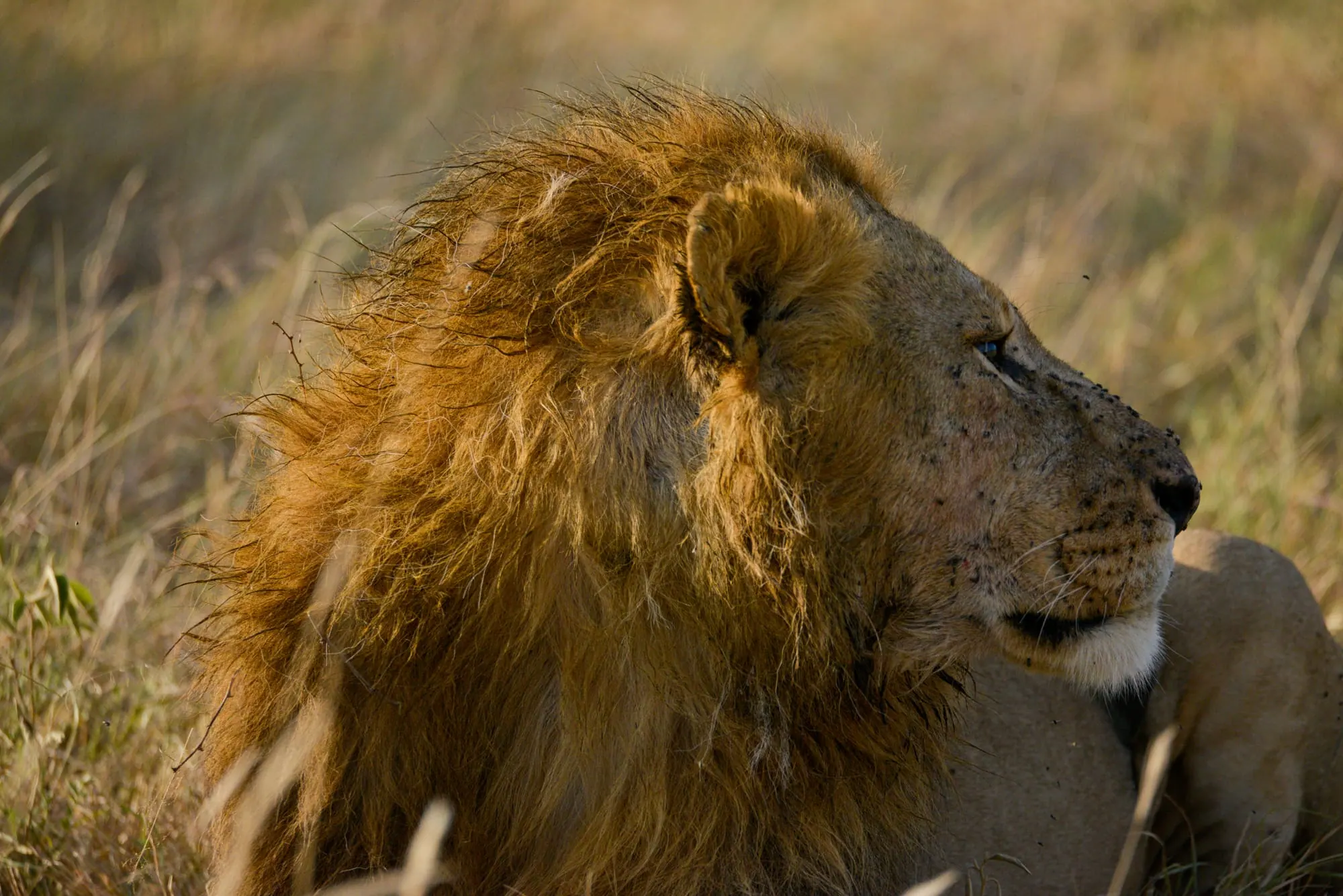
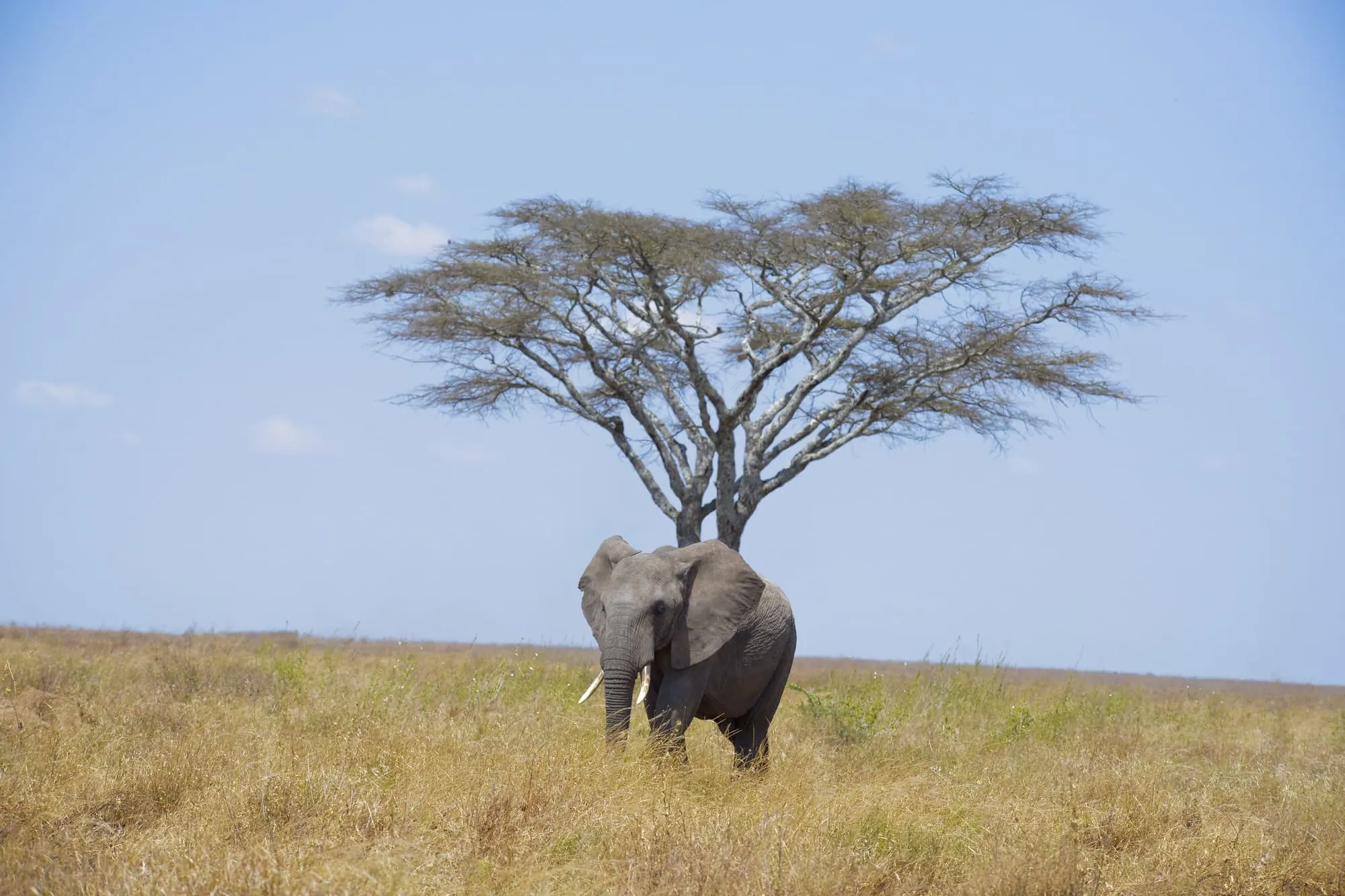
Ndutu has a side most visitors never meet, and the reason is timing, not secrecy. Every year vast herds of wildebeest sweep across these plains and move on. The lions, leopards and cheetahs do not. They are bound to the marshes, the one dependable freshwater source in a seasonal landscape, and they hold territory, den, hunt and raise young all year whether or not anyone is watching. This trip is set for the months when fewer people are, with the grass low, the light plain and the resident cats the story rather than a ring of vehicles.
It follows one thread over eight days. The opening act is a long stay on the Ndutu plains, three whole days beside a guide who interprets animal behaviour like a field biologist. Then a crossing of Maasai community land adds human context to the landscape, and the route ends at the rim of the Ngorongoro Crater, one of the richest wildlife stages anywhere, kept deliberately for the closing chapters instead of rushed at the start.
Every day suits the same kind of traveller: a photographer building a portfolio, a writer collecting material that has not been told a thousand times, or anyone who would rather understand a place than pass through it.
- Three full days on the Ndutu plains, long enough for a scene, a hunt or a den site to unfold at its own speed
- Timed for the resident-predator season, when low dry-season growth reveals behaviour that stays hidden in busy calving months and fewer vehicles compete for each sighting
- Beyond the famous big cats lies a broader cast: civet, serval, wild cat and caracal, along with three jackal species, including the seldom-photographed side-striped jackal
- A visit with a Maasai community on the way to Ngorongoro, built around conversation rather than a scripted pause
- The Ngorongoro Crater as the finale, so the trip builds towards it
- A guide who explains the ecology behind each sighting, so you can anticipate and frame what comes next
- Narrative material for writers and storytellers as well as images for photographers
Best forPhotographersWriters and content creatorsCurious travellers
Wildlife radar
What you can expect to see
The dry months, once the wandering herds have left and the resident Ndutu cats hold the open plains almost undisturbed.
- LionHigh
- CheetahHigh
- LeopardRare
- Side-striped jackalRare
- ServalRare
- Black rhinoHigh
The difference
Famous places, different season and pace
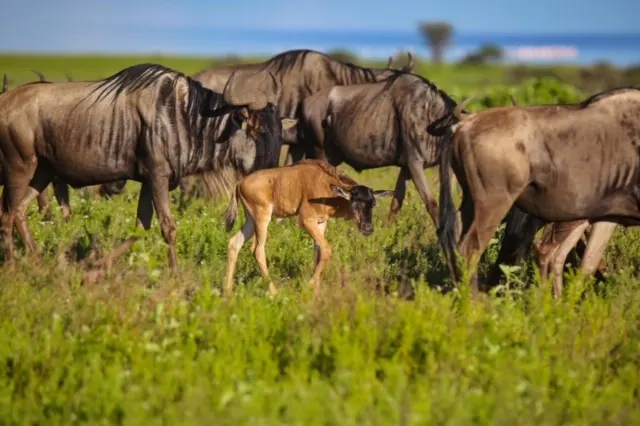
Ndutu and Ngorongoro are famous names. What sets this trip apart is when you go and how slowly you move. Most Ndutu visits are planned for the calving season from December to March, when the migration is in residence and visitor numbers peak.
Here the calendar is set by the resident cats instead. Once the roaming herds depart, the territorial predators stay on and the crowds drift away behind the herds. You settle into one area for a full three days, with a guide who talks ecology as well as sightings, and a real Maasai community visit, so you leave with stories to write as well as photographs.
On the map
Your route
Follow the trip from the first night to the last, by road and by air.
- Start · Day 1Arusha
- Day 2-5NdutuFlight from Arusha
- Day 6-7Ngorongoro CraterDrive from Ndutu
- End · Day 8ArushaDrive from Ngorongoro Crater
Day by day
Your itinerary
Day 1
Arrival in Arusha
Arusha
Land in Arusha and use the first evening to talk through the days ahead: what the season and light will offer, and how the pace favours patience over a checklist.
- Ridge
- Arusha Coffee Lodge
- Meals
- Dinner
Day 2
Fly from Arusha to Ndutu
Ndutu, Southern Serengeti
A short flight to the Ndutu airstrip replaces a long road transfer and puts you in the field by afternoon. When you arrive at camp, the sun is dropping to gold and animals are already moving across the plains.
Tell your guide early about any particular images you are chasing, be it a species, an action or a certain framing style, and the days can be planned around them from the outset.
- Ridge
- Ndutu Safari Lodge
- Meals
- All meals
Day 3
Ndutu plains, first full day
Ndutu, Southern Serengeti
The day that shows how this trip works. Instead of hopping between sightings, your guide holds position: watching a den, reading a cheetah's posture, waiting on a story instead of chasing the next one. Here a photography-minded safari parts ways with a standard game drive.
- Ridge
- Ndutu Safari Lodge
- Meals
- All meals
Day 4
Ndutu plains, second full day
Ndutu, Southern Serengeti
A second day offers what a single visit cannot: familiar faces. The same den and territory, a pride revisited from another position under changed light. Photographers assembling a coherent portfolio, rather than gathering one-off frames, will value this most.
- Ridge
- Ndutu Safari Lodge
- Meals
- All meals
Day 5
Ndutu plains, third full day
Ndutu, Southern Serengeti
The last day on the plains is timed to finish whatever began earlier: a hunt that was left unresolved, cubs seen only briefly, light that was not quite right the first time.
- Ridge
- Ndutu Safari Lodge
- Meals
- All meals
Day 6
Ndutu to the Ngorongoro Crater rim through Maasai country
Ngorongoro Crater
The mood shifts today. The road to Ngorongoro crosses Maasai community land, with time set aside for a real visit rather than a photo stop. For anyone writing as well as shooting, it is often the richest material of the whole trip.
- Meals
- All meals
Day 7
Ngorongoro Crater day
Ngorongoro Crater
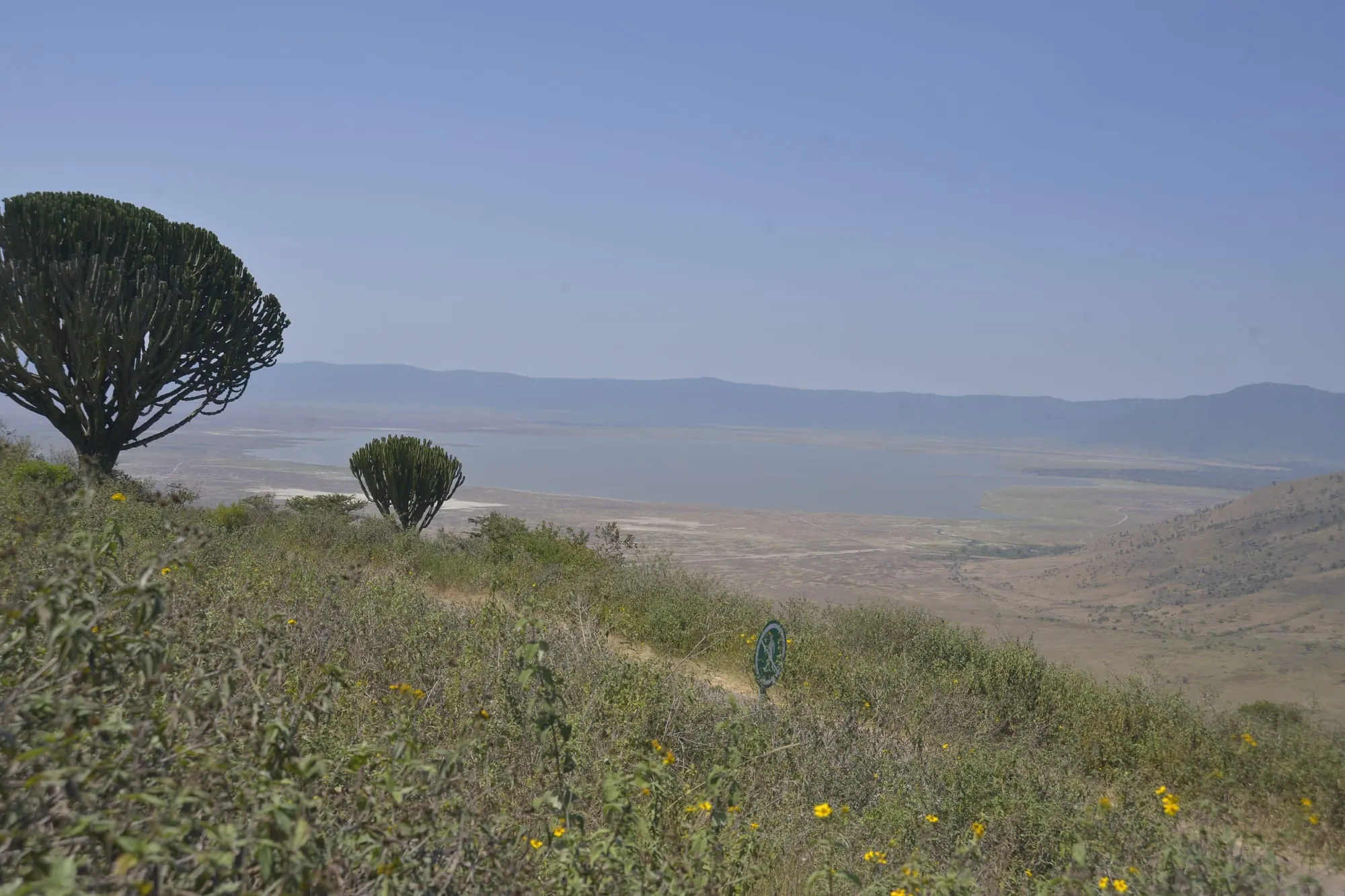
A full day on the crater floor, an enclosed caldera of about 260 square kilometres that holds one of the densest concentrations of wildlife in Africa. After three days spent reading one ecosystem slowly, the crater offers another theme: abundance in place of patience.
Expect the crater floor to run a few degrees colder than the rim all day long. Chilled fingers make swapping lenses clumsy, so keep a pair of gloves handy for the dawn descent.
- Meals
- All meals
Day 8
Ngorongoro to Arusha
Arusha
The final drive back to Arusha completes the loop as the highlands drop away to familiar lower ground. There is time on the road to look back through a week of images and notes before your flight the following morning.
- Meals
- Breakfast
Gallery
Along the route
Where you stay
Choose your style of stay
Ridge
Character, comfort and standout settings
From$6,319per person
- Arusha Coffee Lodge
- Ndutu Safari Lodge
- Ngorongoro Serena Safari Lodge
Price per person
Choose a level of stay and see what each person pays for your group size.
| Travelling together | Price per person |
|---|---|
| 2 travellers | $7,235 |
| 3 travellers | $6,624 |
| 4 travellers | $6,319 |
| 5 travellers | $6,789 |
| 6 travellers | $6,619 |
- Prices are in US dollars, per person sharing a double or twin room. Vehicle and guide costs are shared, so the price per person changes with group size and does not always fall in a straight line.
- These rates are indicative. We confirm the exact price for your dates and group in your personal quote.
- Park fees are set by the authorities and can change, so the quote you accept is the price that applies.
What's included
- All park, concession and conservation area fees
- Vehicle, guide and fuel for every field day
- Meals as listed day by day
- Accommodation as listed
- Airport transfers
Not included
- International flights
- Visa fees
- Travel insurance
- Gratuities
- Camera and lens rental
Good to know
- Rates are quoted per person on a twin-share basis.
- Vehicle, guide and fuel are shared across the group, so the cost per person generally falls as more travellers join.
- If a flight is part of your plan, any airstrip and landing charges are itemised in your quote.
Questions
Good to know
The places are well known; the season and the pace are not. Most Ndutu trips target the December to March calving season, when the migration and the visitors are at their peak. This one is timed for the resident predators, after the herds have gone and the crowds have followed them.
Yes. Staying put for three days, travelling with a guide who unpacks the ecology behind each sighting, and spending time with a Maasai community are all intended to yield narratives alongside photographs. Several days are shaped around a narrative arc, not one photo opportunity.
Bring an interchangeable-lens camera, either DSLR or mirrorless, plus a long lens reaching 400mm or more for the big cats, and something wider to capture the open country around them. Confirmed guests receive a full packing and gear guide before departure.
Yes. Ndutu's resident predators, its smaller carnivores and healthy numbers of resident herbivores stay all year. What changes is the mix: fewer wildebeest, but a much better chance of sustained, close predator behaviour.
Vehicle, guide and fuel costs are divided among the group, so the per-person cost generally drops as numbers grow. Ask for a quote based on your party size. A group of four or more usually brings the per-person cost down noticeably; tell us your party size and we will price it exactly.
Yes. It pairs well with a Zanzibar beach extension to unwind afterwards, or with a northern circuit safari for travellers who also want the river-crossing drama of the high migration season.
8-Day Ndutu Resident Predators Safari for Photographers and Writers
Tell us your dates and group size and we will confirm availability and a personal quote.