01
A day on safari: what to expect before you arrive
People often picture a safari as one long game drive. The reality is gentler and better shaped than that. A day on safari has a rhythm, and once you feel it, the whole trip makes sense: two periods of activity, a long quiet middle, and an evening that turns into the best conversation of your week. Animals set the schedule, not the clock, and a good guide builds each day around the light and the heat.
This guide follows a typical day on safari in Tanzania from the first knock on the tent to the last ember of the campfire. It is based on how our drives actually run in the Serengeti, Tarangire, Ngorongoro and other parks. Details change with the season, the park and the property, so treat the times as a sample safari day itinerary rather than a timetable, and treat your own guide as the authority on the day.
It also helps to know what a safari day is not. It is not a race to tick off animals, and it is not a bus tour. Some of the best moments are quiet ones: a lone giraffe against a pink sky, a mongoose family on a termite mound, an hour spent watching a lioness do very little. Come with curiosity, bring patience, and you will find the days fill up with more than you planned.
02
The wake-up call and early coffee
The first surprise for many guests is the hour. The wake-up call usually comes somewhere between half past five and six, often with a soft voice outside the tent and a tray of coffee, tea and biscuits. It feels early on the first morning and perfectly natural by the third. Pack the night before: camera charged, binoculars in the bag, jacket within reach, because dawn on the plains can be properly cold even when afternoons are hot.
Dress in layers. A fleece or light jacket comes off as the sun climbs, and a hat and sunglasses go on. Neutral colours such as khaki, olive and tan are sensible, and avoiding bright blue and black is wise in tsetse fly country. If you are wondering what to wear on safari, think plain, comfortable and washable, with closed shoes and a scarf for dust. A second cup of coffee in the dark, with the first birds starting, is one of the quiet pleasures of the whole trip.
03
The early morning game drive and why dawn is best
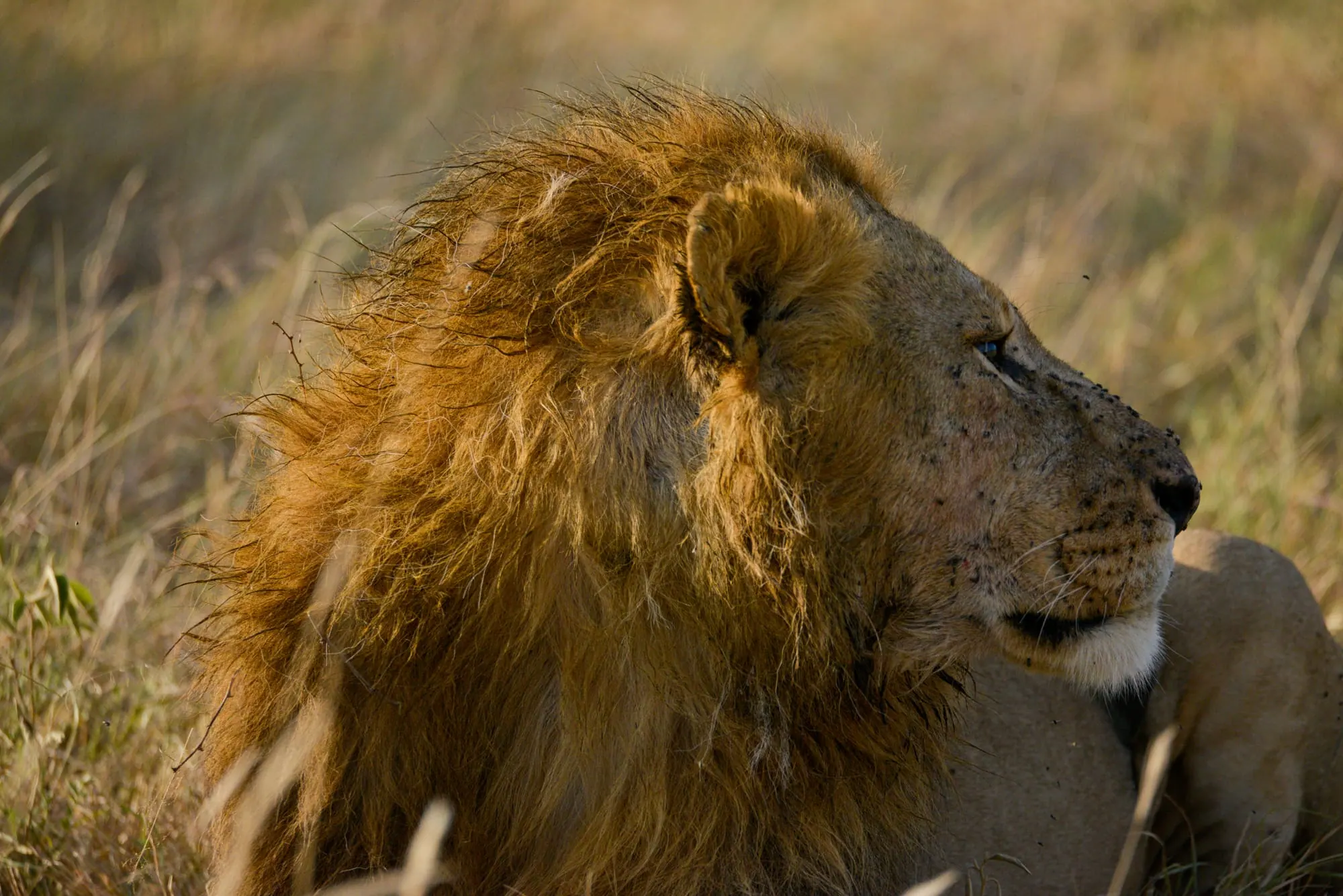
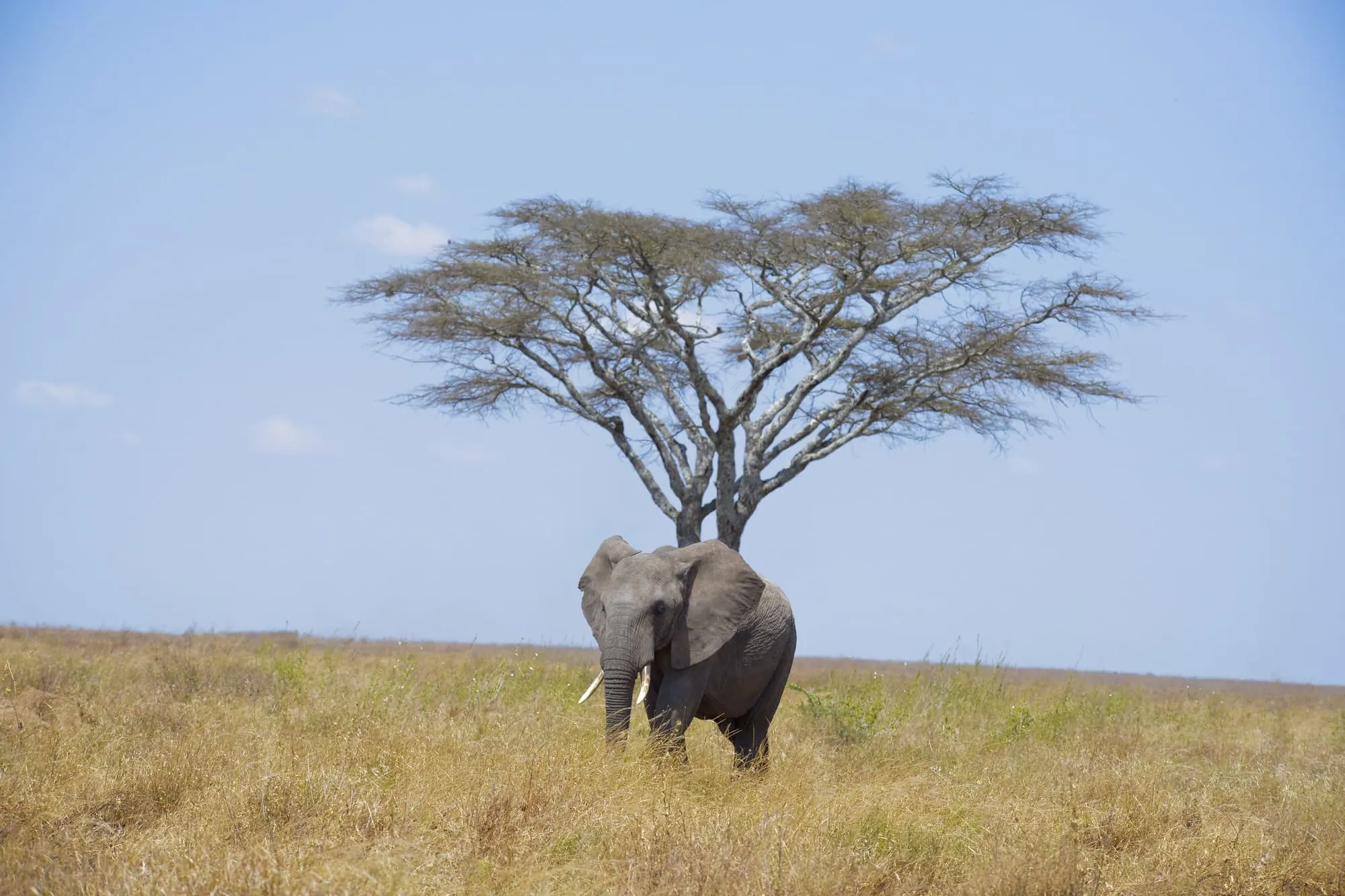
Most drives leave around 6:00 to 6:30, timed to reach the park when the gates open and the light is soft. The early morning game drive is the best time of day for a game drive for a simple reason: cats and other predators are still active, the air is cool, and the animals are moving to water and grazing before the heat sends them to the shade. A lion that is a golden lump at noon may be walking, hunting or calling at seven.
Light matters for photographers too. Low sun gives warm colour and long shadows, and the air is clear. Mist sometimes lies over the grass in the highlands. Your guide will often decide the first direction based on what was heard overnight: a distant roar, fresh tracks across the road, vultures wheeling in the distance. Be patient with the first hour. The best sightings often arrive after you have stopped expecting them, and a quiet stretch of road can end with a leopard in a fig tree. Resist the urge to check the clock. The light changes every ten minutes, and the mood of the plains with it.
Game drive times differ by park and season, and the gates close at dusk, so you will need to be back inside the boundary or at your camp by then. How long is a game drive in the morning? Usually three to five hours, with breaks, and most guests are happy to be back at camp by mid-morning.
04
Bush breakfast, midday rest and lunch
A bush breakfast is one of the great small luxuries of safari. Your guide pulls over in a shady spot with a view, unfolds a table and serves eggs, fruit, bread, sausages, coffee and juice from the back of the vehicle. Animals sometimes watch from a distance, and it is the one time you may be allowed to get out. Follow the guide's instruction on where to stand, and keep your voices low. Some camps prefer a full breakfast at the lodge after you return, which suits those who like a shower first.
Then comes the midday rest, which is a feature, not a flaw. Between about eleven and four, most animals lie up in the shade and so should you. Lunch is served at camp, followed by a siesta, a swim, a book, a shower or a nap. Use the time to download photographs, wash off the dust and drink water. Sunburn and tiredness catch up with people who push through the heat.
On days when you are covering distance between parks, or doing a full-day game drive, lunch becomes a picnic lunch in the park. Boxed meals or a spread laid on a tailgate are served at a designated picnic site, often under a tree with toilets nearby. Do not leave scraps behind, because birds and monkeys are quick to learn that people mean food. Keep windows closed and food sealed at the picnic site, since a vervet monkey or a kite can empty a lunch box in seconds.
05
The afternoon game drive, sundowners and the return to camp
The afternoon game drive starts around half past three or four. The light turns golden, the heat drops, and animals begin to move again. Elephants head to water, herds drift across the plain, giraffes feed in the evening glow, and predators wake. It is a softer, longer drive than the morning one, and it often produces the best photographs of the day, with warm backlight on dust and grass.
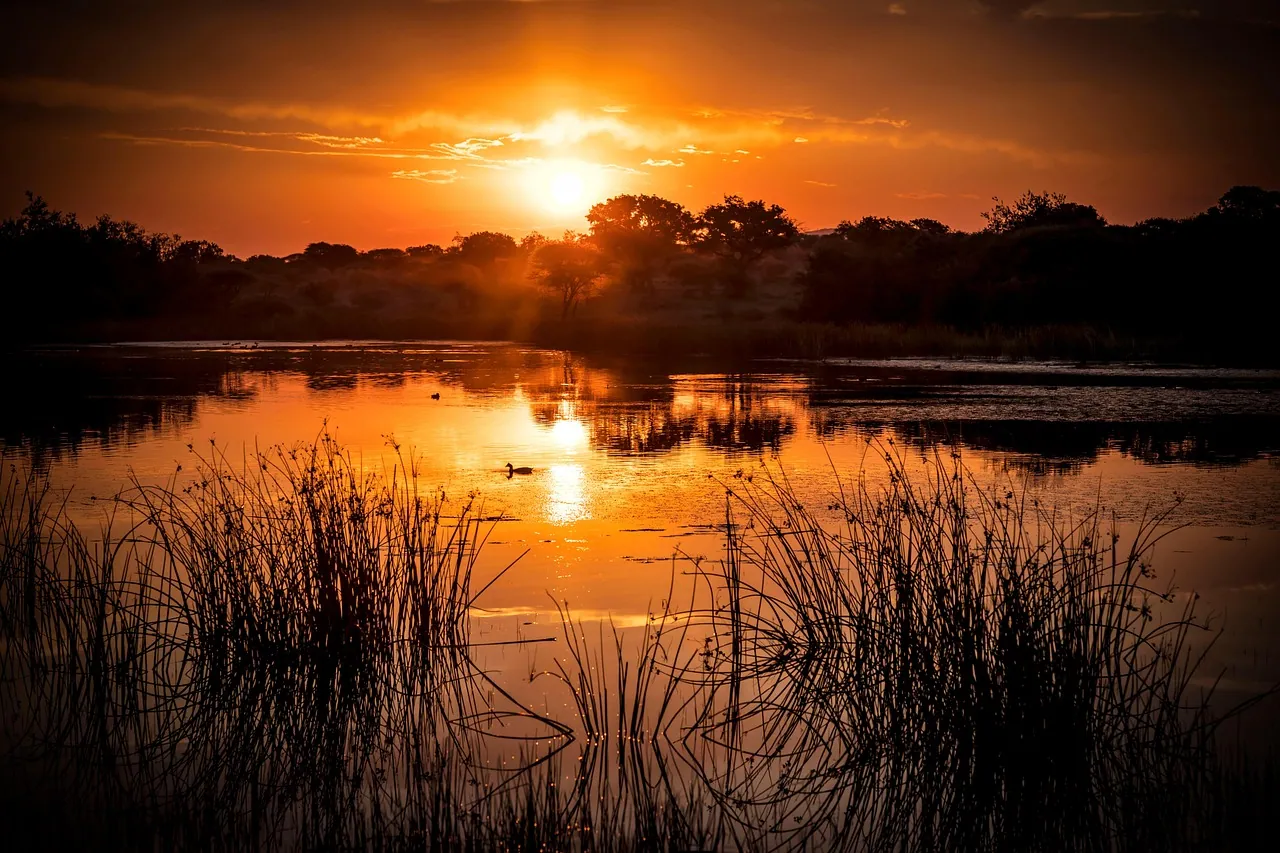
Many guides pause for sundowners as the sun lowers. A cold drink, a few snacks and a quiet view are all you need. Where the rules allow, you step out beside the vehicle. In other places, you drink inside it. Either way, it is a moment to talk about what you have seen, and to let the day settle. Pace yourself on alcohol, since you will rise early the next morning and the evening air can be colder than you expect.
Park rules require you to be inside the boundary or out of the park by dusk, so the return to camp is usually timed to arrive just after sunset. Hot towels, a cold drink and a hot shower often wait at the end of the road. That small welcome, after a long day, always feels generous. Take ten minutes to wash, then join the others before dinner. The best conversation of the evening is often the one about the sighting you nearly missed.
06
Dinner, the campfire and the night sounds
Dinner is usually served around seven or half past, in a dining tent or on a terrace under lanterns. Camps often gather everyone around a campfire first, with drinks, stories and a guide who tells you what tomorrow might hold. Sitting in the dark, watching sparks lift towards the stars, is where the day's sightings become a shared story. Tell the kitchen about your dietary needs early, and it will look after you well.
After dinner, you are escorted at night to your tent, because camps are unfenced and animals walk through. Listen as you go. The night sounds are half the point: hyenas whooping, lions grunting far off, hippos in a river, the high chorus of frogs and insects, a bush baby's sharp cry and sometimes an elephant breaking a branch. Do not be alarmed by close sounds. Your guides know the area and the camp has routines for exactly this. Most people sleep deeply, helped by fresh air and the early start.
07
How guides track, communicate and read the bush
A good guide is the difference between seeing animals and understanding them. They read tracks in the dust, notice alarm calls from birds and monkeys, watch the angle of a giraffe's neck, and know which tree a leopard prefers. Tracking animals is partly science and partly local memory, and it is why a guide who grew up near the park often finds what a visiting driver would miss.
Vehicles share information by radio. When one guide spots a cheetah, others may hear and move over. Some guests find this feels like cheating, but the ecosystem is huge, and a network of eyes finds far more than one pair. A good guide also knows when not to rush, and when to hold back from a crowd to give you a quieter sighting somewhere else. Ask questions, and say what you would like to see. The best drives are conversations. Guides also watch weather, road conditions and the mood of animals, and they make quiet decisions all day to keep you safe and comfortable. Trust them when they say it is time to move, or to stay still.
If you have a private safari vehicle, your guide can adjust the day to your interests: a long wait for a leopard, a morning on birds, or a slower pace with children. Shared vehicles work well too, but the schedule is a compromise. Tell your guide on day one what matters most.
08
Vehicles, pop-up roofs, rules and sighting etiquette
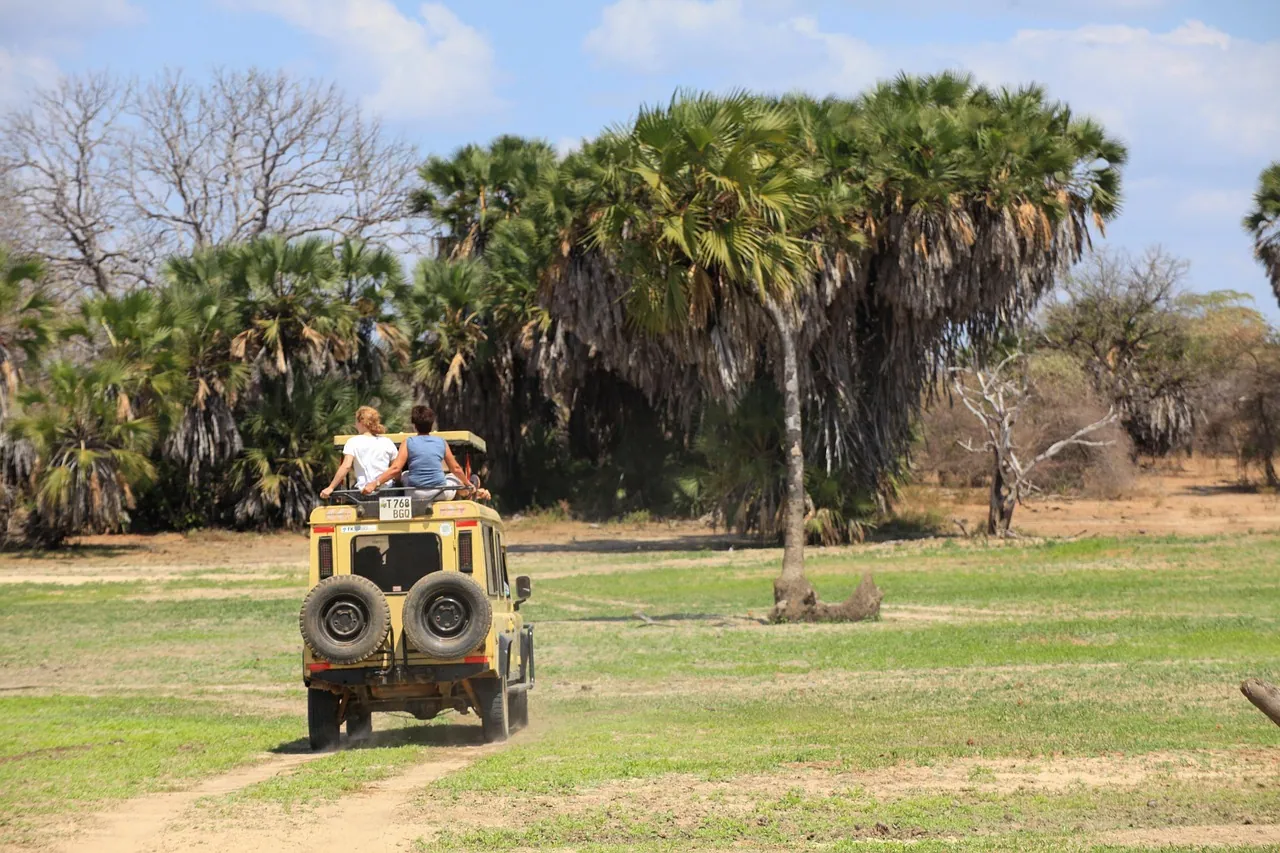
Most Tanzanian safaris use a four-wheel-drive vehicle, usually a Land Cruiser with a pop-up roof. The roof lifts so you can stand and photograph all around, and the sides open for clear views. A good vehicle gives every guest a window seat and has space for bags, water, a cool box and a charging point. Fine grit enters, particularly in the dry season, so wrap cameras in a cloth and carry lens wipes, because grit gets everywhere.
Park rules protect both people and wildlife. Stay in the vehicle unless your guide says it is safe, keep arms and heads inside, and never lean out. There is no feeding wildlife, ever, and no litter. Drive on the tracks, and obey the speed limit, which is commonly around 50 kilometres per hour (31 miles per hour) in the main parks. Pass the park gate with your permits, and respect the opening and closing times. Keep your voice low, switch off the engine at a sighting, and avoid sudden movement.
Sighting etiquette is about sharing. Parks often discourage more than a handful of vehicles around one animal, and a considerate guide will wait their turn and move on after a while. How many vehicles at a sighting is too many? As a rule, if you cannot see the animal and it looks uncomfortable, there are too many. Good operators leave a crowded sighting early and look for a better one. The reward is almost always a quieter moment elsewhere. Off-road driving is not allowed in most parks, and the tracks are shared, so patience and courtesy keep the experience pleasant for everyone, including the animals.
09
Optional extras: balloons, walks, night drives and village visits
A balloon safari at dawn is the classic extra. In the Serengeti, flights lift off before sunrise, drift above the plains for around an hour, and end with a bush breakfast and a toast in the grass. It is quiet, slow and entirely different from a vehicle. Book ahead, because places are limited and weather can delay a launch. There is often an age minimum, so ask if you are travelling with children.
Guided walks let you notice what a vehicle hides: tracks, insects, plants, the smell of the bush. The southern and western reserves such as Nyerere are the best known for it, and some private areas offer short guided walks. Armed rangers lead them and the rules are strict. A night drive is not permitted in most national parks, but a few private concessions and areas outside the main parks allow them, where spotlights reveal civets, genets, bush babies and sometimes leopards. Ask your operator whether your property offers one.
A cultural visit, such as time in a Maasai community or with the people near Lake Eyasi, adds a human story to the wildlife. Choose visits that are run with the community, not staged for cameras, and go with curiosity rather than a camera first. Respectful, unhurried exchange is always better than a quick photo stop. Ask before photographing people, and let your guide explain local customs beforehand.
10
Pacing a multi-day safari and getting the most from each day
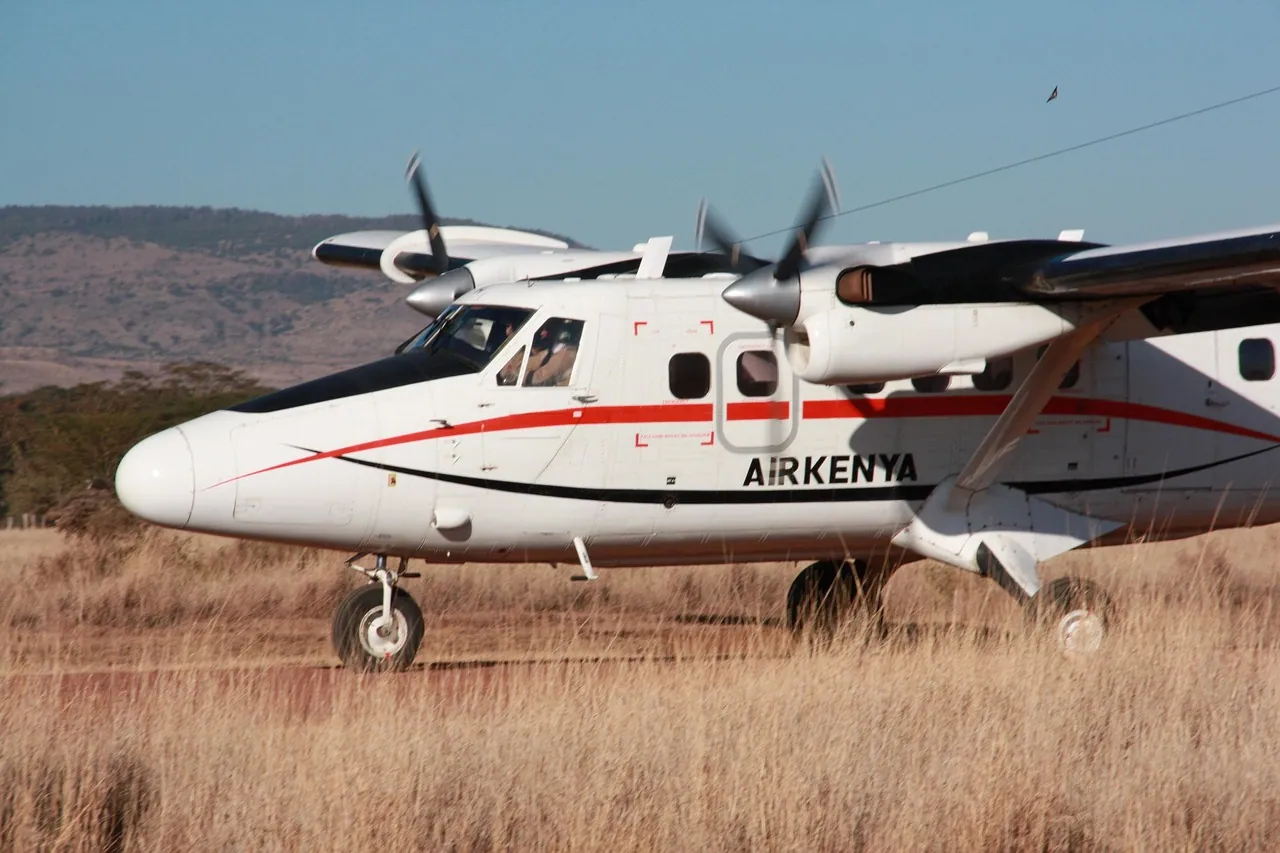
On a multi-day safari, pace yourself. Two game drives a day is plenty for most people, and a rest between them is not laziness but good sense. Travel days, with long drives between parks, count as full days too. Roads in Tanzania are mixed, and a transfer of five or six hours can leave you tired. Build in a slower day every three or four, and consider a flight between distant parks if time is short.
Bathroom stops happen on a schedule you can ask for. There are no toilets on a game drive, so your guide will stop at picnic sites, gates and camps, and will find a discreet spot when needed. Say so early. Nobody minds. Drink water, even when it is cool, and wear sunscreen and a hat. Carry binoculars for each person if you can, because sharing them slows everyone down.
To get the most out of each day, keep a few habits. Sleep when the animals sleep. Ask your guide the plan the evening before. Keep your camera ready but spend time with your eyes, not the screen. Write a few lines each night, because the days blend quickly. And remember that the quiet hours, a hornbill at lunch, a dung beetle at the roadside, a storm over the plains, are often what you retell at home.
- Charge cameras and power banks during the midday rest, not at midnight.
- Carry a refillable bottle, sunscreen, a hat, lip balm and a light scarf for dust.
- Tell your guide your priorities on the first morning, and revisit them after two days.
- Allow a rest day or a gentle morning on longer itineraries, particularly after long transfers.