01
Where to stay on safari in Tanzania: the short answer
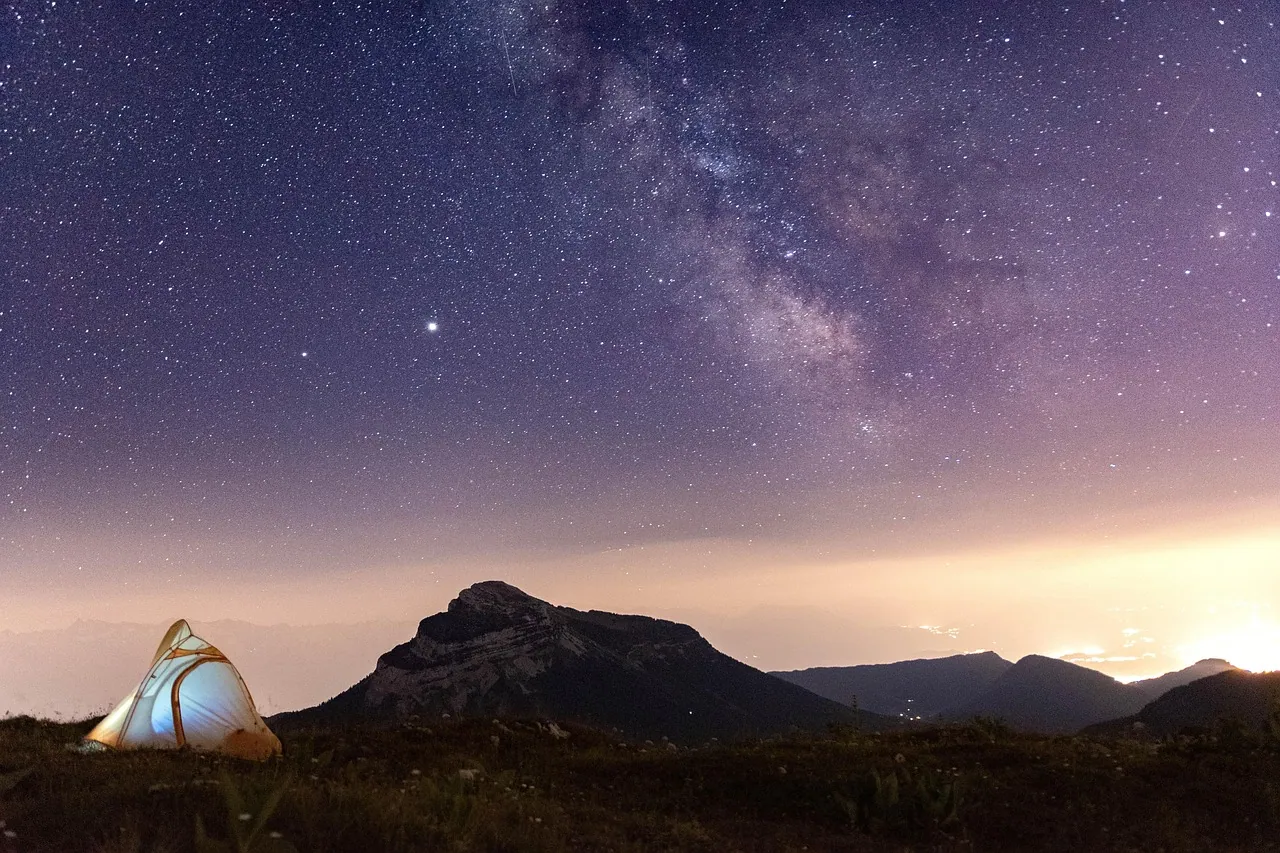
Most people arrive at this question with a picture in their head: either canvas, lanterns and a lion calling in the dark, or a stone building with a pool and a bar. The honest answer is that both can be wonderful, and the difference matters less than where the property sits, how big it is and how well it is run. A poor lodge in the wrong place will disappoint you, and a simple tented camp in the right place can give you the best week of your life.
So when people ask us about a tented camp or lodge, we turn the question around. What do you want the evenings to feel like, how much do you mind a cold morning, and how close do you want to be to the animals at dawn? Once those three answers are clear, the choice usually makes itself. This guide walks through the styles you will meet in Tanzania, what the words on a brochure really mean, and how to choose with confidence. There is no single list of the best safari lodges in Tanzania, because the best one depends on position, season and the kind of evening you want.
- Choose a tented camp if you want to hear the bush at night, sleep close to the wildlife and wake to canvas and birdsong.
- Choose a lodge if you want thicker walls, reliable power, a bigger dining room and facilities such as a spa or a larger pool.
- Choose either, but check the location first: a good position saves hours on the road each day.
02
The main styles of safari accommodation explained
Safari accommodation in Tanzania falls into a handful of families, and the labels overlap. A permanent lodge is a built structure, usually with stone or brick walls, a proper roof and a main building for dining and lounging. A permanent tented camp keeps its tents in the same place all year, often on raised wooden platforms with a real bathroom attached behind the canvas. People sometimes call this glamping in Tanzania, though the better camps are far more solid than the word suggests.
Then come the camps that move. A mobile safari camp is packed up and carried to a new site, and a seasonal camp is built for part of the year only. Both exist to follow the herds, so a Great Migration camp can put you beside the wildebeest while a fixed lodge is an hour's drive away. At the top end sits the luxury tented camp, where the canvas is the only thing that is simple. Expect real beds, rugs, a writing desk and often a private deck.
Two further styles are worth knowing. Treehouse stays lift the room into the canopy, as at the only permanent lodge inside Lake Manyara National Park, where suites are raised among the trees of the groundwater forest. Cliff and ridge stays use height instead, such as the escarpment above the Tarangire River valley. Both are about the view as much as the bed.
03
Tented suite or room: what actually differs
A tented suite and a lodge room can be equally comfortable, so a tented camp vs lodge comparison rests on quieter differences. Canvas lets sound in: you will hear zips, footsteps on the path, a hyena whooping at three in the morning and, in the wet months, rain on the roof like applause. A lodge room with stone walls mutes all of that. Some travellers love the closeness, others need silence to sleep, and neither is wrong.
Temperature is the other difference. At high altitude, canvas can be cold on a clear night. The Ngorongoro rim sits at roughly 2,200 metres (7,200 feet), and the eastern rim camp we work with gives guests warm duvets, hot water bottles and gas heaters for exactly that reason. In the lower, hotter parks a tented suite can warm up by midday, so a fan, a shaded deck and a siesta routine matter more than the bed. If you feel the cold, ask how the camp handles evenings, because good camps always have an answer.
04
En-suite bathrooms, hot water and power in the bush
An en-suite bathroom in a camp is almost always a private space attached to your tent, with a flush toilet, a basin and a shower, divided from the sleeping area by canvas or a wall. A bush bathroom may be open to the sky or lined with reeds, which is lovely in daylight and worth knowing about before your first night. Ask whether the washroom is fully enclosed, and whether it has a door or a curtain.
Hot water is nearly always available, though how it is delivered varies. In some camps, staff fill a bucket shower on request, and the water is truly hot when it arrives. Others heat water with solar panels or a boiler running in the background. Either way, showers are short, because water is carried or pumped from far away, and the better camps will ask politely that you keep it brief. Lodges with a borehole and large tanks are more relaxed.
Power is the other practical question. Many camps run on solar power with a generator as back-up, and some run lights only at set hours. Charging devices is usually done in the main tent or in a charging station, and in some places in your own room. Bring a universal adaptor, a power bank and a head torch. Tanzania uses the British three-pin plug type, and a few remote camps provide chargers only for cameras and phones, not for hairdryers.
- Ask if each tent has its own outlet or whether charging happens only in the lounge.
- Ask what hours the lights run and whether there is a torch or lantern at the bed.
- Ask whether water is solar heated, and what time showers are best.
05
Fences, wildlife and walking at night
The question we hear most often is simple: is it safe to sleep in a tent on safari? In practice the answer is yes, with sensible rules. Most camps are unfenced, because fences stop the very wildlife you came to see. Animals walk through camp, and elephants are common visitors in several areas. The camp fence you do see is generally there to guide animals around the buildings or to keep out livestock, not to separate you from a leopard.
What keeps you safe is routine. After dark you are escorted at night, usually by a Maasai warden or askari carrying a torch, from the dining area back to your tent. Never walk alone, even for fifty metres. Zip your tent fully, keep food out, and use the whistle or radio if you need help. At many camps a staff member also walks you out for breakfast in the dark. This is not theatre. It is simply how a camp lives alongside animals that are quite unconcerned about the buildings.
Lodges built with solid walls and enclosed corridors often have shorter walks, and some are fenced. Both are fine. The question to ask is how the camp manages arrival and departure after dark, and what happens if you need something at two in the morning.
06
Location: inside the park or at the edge, crater rim or plains
Location is the single biggest factor, bigger than the style of the room. A stay inside the park means you can leave at first light without queuing at a gate, and you have the dawn all to yourselves. In the Serengeti, a camp in the central Seronera valley puts resident big cats on your doorstep, and a camp in the north is near the Mara River crossings in the right season. The trade-off is that park fees apply for every night, and the choice of properties is smaller.
Staying at the edge gives you more variety. Lodges beside Tarangire or in the Ngorongoro highlands around Karatu are often built on old coffee farms, with gardens, good food and lower rates, and the drive to the gate is short. For the crater, the question becomes the crater rim or the farms below. A rim camp is high, cold and spectacular, and the crater floor is minutes away at first light. A highland lodge is warmer, greener and a longer drive down. Think about which part of the day you most want to protect.
Plains camps suit people who want open sky and sightings from the tent. Ridge and escarpment lodges suit those who want height and views. If you are not sure, tell us how much driving you can tolerate, and we will match the position to the plan.
07
Small camps, big lodges, dining and pools
A small camp of ten or fourteen tents feels like a house party. You eat with the same people, the guides know your name, and the cook knows you do not like coriander. There are few vehicles at a sighting and very little light at night. One camp we use in the Seronera sits at the end of a blind valley with no electric glare, which is exactly how a small camp should feel. The compromise is limited facilities and fewer rooms to choose from.
A larger lodge gives you range. There may be a swimming pool, a spa, several places to eat, a library and a big terrace over a view. These matter after five or six days of dust and early starts. A swimming pool at midday is a real asset when the sun is high and the animals are asleep, and a massage on the rest day is a pleasure you will not regret. The compromise is more people, longer walks and a more hotel-like rhythm.
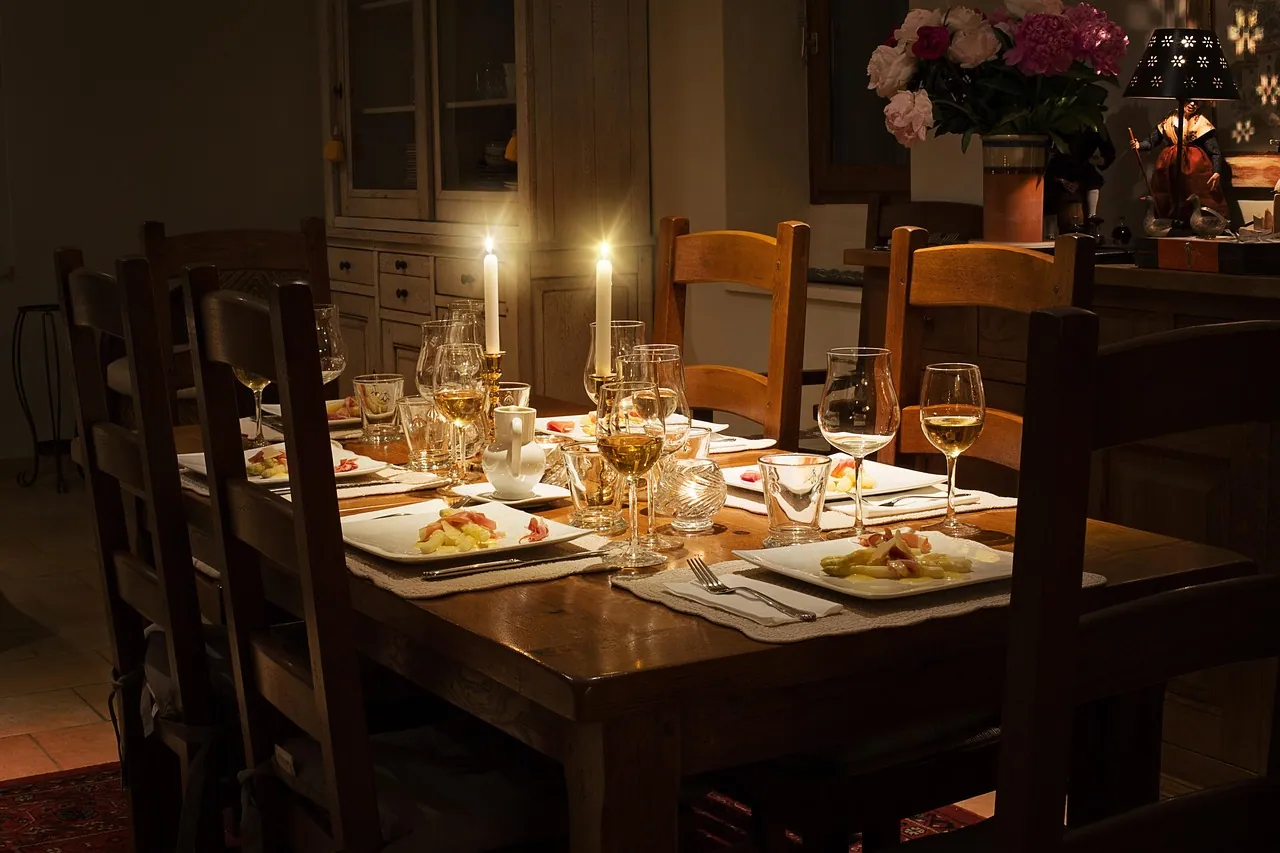
Food deserves a note. Most camps serve a set breakfast, a light lunch and a plated or shared dinner, often by candlelight. The very best offer a bush dinner under the stars, with a fire and a table laid in the open. Tell the camp about allergies and dietary needs at booking, not on arrival. Good kitchens in remote places cope superbly when they have warning, and struggle when they do not.
08
Our three stay collections: Trail, Ridge and Summit
Lemala Safaris groups the partner stays we book into three collections, so you can compare like with like instead of reading stars. The Trail collection is described as comfortable and great value. It suits travellers who want the safari to take the budget, not the bed, with clean rooms or tents, friendly camps and excellent locations close to wildlife. A plain tented camp on the Serengeti plains or the Tarangire circuit is typical.
The Ridge collection is about character, comfort and standout settings. It covers a mid-range safari lodge with generous rooms, strong guiding, attentive service and well-considered details such as views and pools. Couples, families and friends who want a sense of place tend to love it. The Summit collection is exclusive, refined and luxurious: private suites, exceptional service and cuisine, and prime, often remote, locations. Think of it as the choice for honeymoons and milestone trips, and for anyone who wants the stay to be part of the story.
These collections describe the budget level and general feel, not a guarantee of any particular facility, and details can change, so ask us for the latest information on any stay you are considering. A good approach is to mix them: a Summit night or two where the setting is exceptional, and Trail or Ridge stays elsewhere. That blend often makes a luxury safari lodge experience reachable while keeping the whole trip balanced.
09
Families, honeymooners and accessibility
A family safari lodge needs space and flexibility more than luxury. Look for connecting rooms or family tents, a pool, early dinner for tired children and a guide who enjoys young company. Some lodges set minimum ages, often around six, and relax them for exclusive-use bookings, so check before you fall in love with a particular property. Fenced or enclosed layouts can make younger children easier to manage after dark.
A honeymoon safari asks for privacy and a little ceremony. Think of a private deck, an outdoor bath, a bush dinner for two and a camp small enough that nobody else is watching. A raised suite overlooking a waterhole or a river is hard to beat, and the quiet matters as much as the view. If you are celebrating something, tell us early and the camp can often arrange a surprise.
Accessibility needs honest conversation. Many camps have steps, sandy paths and raised platforms, and a wheelchair cannot always cross them. A few lodges have ground-level rooms, ramps and wider doorways, and an accessible safari is possible with the right choices, a suitable vehicle and an understanding guide. Tell us about mobility, hearing, sight or medical needs at the very beginning. We will say clearly what is possible, and we would rather suggest a different property than promise something that will not work.
10
Zanzibar beach lodges after the bush
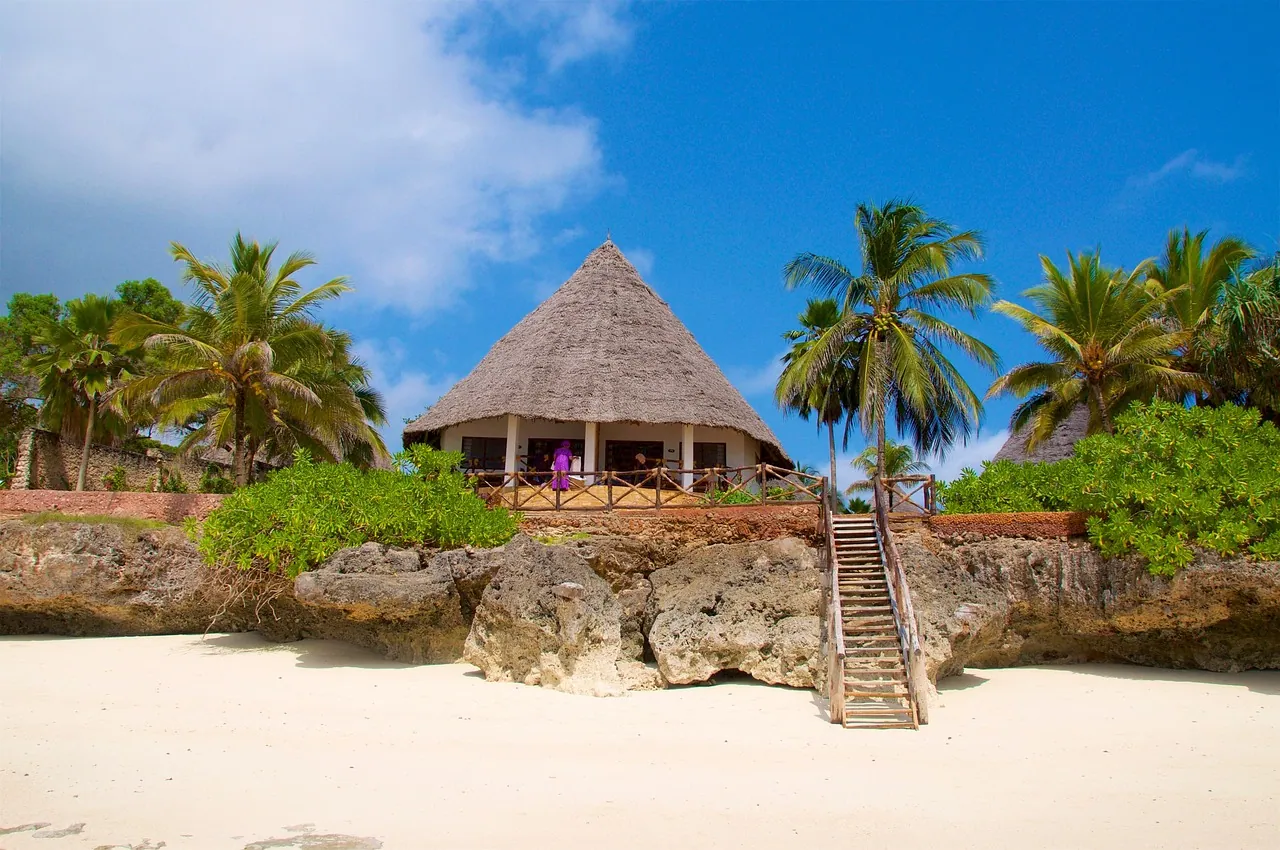
Many itineraries finish on Zanzibar, and the choice of a Zanzibar beach lodge deserves as much thought as the safari camps. Beaches differ by coast. The north, around Nungwi, offers gentle swimmable water and dependable sunsets, while other shores have lower tides that expose the reef. Some resorts are all-inclusive, which suits travellers who want to stop making decisions, and others are boutique stays with private pavilions and dip pools.
We usually suggest three to five nights on the island after the safari, because the dawn starts are done and a slow day by the sea is the right ending. Consider whether you want a lively resort with several restaurants or a quiet pavilion with a plunge pool, and whether you prefer to walk to Stone Town or stay in the sand. Flights from the Serengeti or Arusha reach the island in under two hours, so the change from dusty savanna to turquoise sea is quick and dramatic.
11
Matching a stay to your budget, noise levels and questions to ask
If you want a safari on a budget, spend where it counts. A fair tented camp in an excellent location beats a lavish lodge two hours from the action, and extra nights in the right park beat a fancier bed. Put money into the guide and the vehicle first, then the position of the camp, and only then into the bathroom marble. Honest operators will tell you where a modest stay is a smart choice.
Night sounds are part of the deal. Expect hyenas, lions in the distance, hippos grunting, frogs, owls and the odd elephant stomach rumble outside your door. If you are a light sleeper, bring earplugs, and choose a lodge with solid walls. If you love the sounds, choose a small camp in the open. Either way, the noise you will remember is the lion at three in the morning.
Before you commit, keep a short list of questions to ask before booking. These cover the practical things that brochures skip, and any good property will answer them readily and without fuss. If an answer is vague, that is useful information too.
- How far is the camp from the nearest gate and from the best game viewing, in minutes by vehicle?
- Is the camp fenced, and how are guests escorted at night?
- Is there reliable hot water, and when is the generator or solar power on?
- Can I charge cameras and phones in my room, and what plug do you use?
- How many tents or rooms are there, and how many vehicles will share the sightings?
- Is the bathroom fully enclosed, and is there heating for cold nights?
- Can you cater for my dietary needs, and are children or wheelchair users welcome?
- Does the property sit in the Trail, Ridge or Summit collection, and what is included?