01
Pack light, pack soft, pack for layers
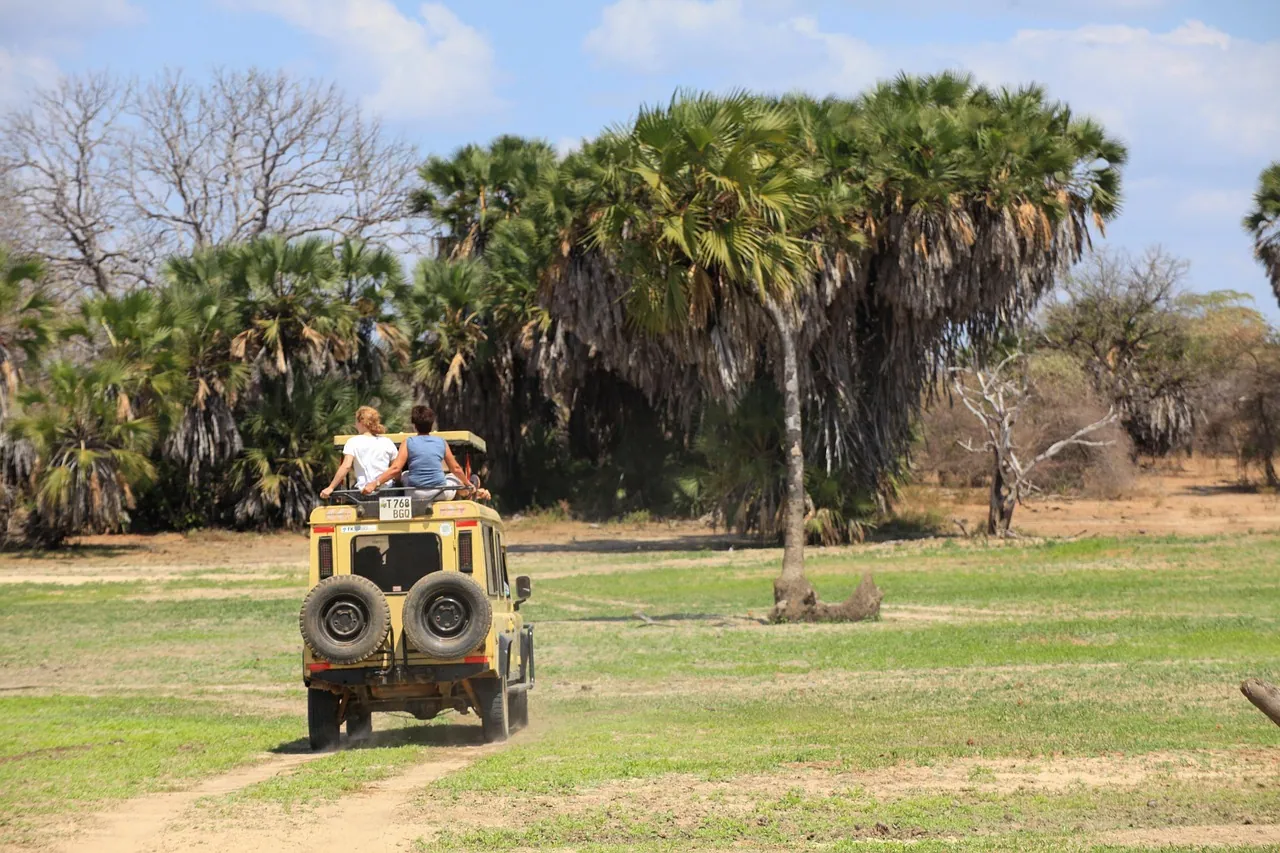
Most people overpack for their first trip. The good news is that a safari asks for very little, and the lighter you travel, the happier you will be in a vehicle, on a small plane and in a tent. When people ask what to pack for a Tanzania safari, our answer starts with three ideas: soft bags, neutral colours and layers. Everything else is detail, and most of the detail is covered below.
Think about the day you will actually live. You wake before dawn, when the air can be properly cold. By ten the sun is strong, by midday it is hot, and by the evening game drive the temperature drops again. Add a dusty track, a bumpy ride and a few days between laundry, and you can see why a handful of versatile pieces beat a suitcase of outfits. Most lodges and camps offer laundry, so you rarely need more than three or four days of clothes.
02
Clothing, colours and layers
On the question of what to wear on safari, comfort comes first and colour second. Neutral safari clothing colours such as khaki, olive, tan, stone and grey blend into the landscape and hide dust. Avoid dark blue and black near tsetse flies, which are attracted to them and have a painful bite in some areas, mainly where there is thick bush. Avoid bright white too, because it shows every mark. Bring lightweight long-sleeved shirts and long trousers, since they protect from the sun, thorns and evening mosquitoes.
Layers for dawn game drives make the difference between a miserable first hour and a wonderful one. Bring a fleece or a light insulated jacket, and a scarf or buff for your neck. In the high places, such as the Ngorongoro crater rim at roughly 2,300 m / 7,500 ft, you may want a warm hat and gloves in the cooler months. Wear a base layer, a shirt and the fleece, and peel them off as the sun climbs. A light waterproof jacket is worth carrying in the green season too.
- Three or four lightweight long-sleeved shirts in neutral colours.
- Two pairs of long trousers and one pair of shorts for camp.
- A fleece or light down jacket, plus a scarf or buff.
- A light waterproof jacket for showers.
- Comfortable underwear and socks, and a swimming costume.
03
Sun protection and footwear
Sun protection matters more than people expect, because you will be in an open or pop-top vehicle for hours near the equator. Bring a wide-brimmed hat with a chin strap or toggle, since wind is common on the plains. Pack good sunglasses with UV protection, a high-factor sunscreen and a lip balm with a sun filter. Reapply sunscreen in the middle of the day, even when it feels cool at altitude, because the thinner air lets more ultraviolet light through.
For feet, closed shoes are the sensible choice. Light walking shoes or trail trainers suit the vehicle and the camp paths, and if you plan a guided walking safari, a broken-in pair of lightweight boots is better. Add a pair of sandals or flip-flops for the lodge and the pool. Do not bring brand-new boots to try for the first time in Africa, because blisters will cost you more than any amount of money spent on gear.
04
Binoculars, cameras and dust
Binoculars for safari are the best small purchase you can make. A good pair, 8x42 or 10x42, turns a distant speck into a leopard, a kingfisher or a lion cub, and every person in the vehicle will use them. Do not share one pair among a family if you can help it. If you cannot buy new, ask whether your operator or lodge has a spare pair to lend, although it is wise to bring your own.
Safari camera gear need not be extravagant. A phone with a good camera will give you lovely pictures, and a camera with a telephoto lens, around 200 to 400 mm, will give you more reach. Bring a spare battery, plenty of memory cards and a soft cloth. Dust is the enemy, as dry-season tracks throw it everywhere. Keep your camera in a padded bag or under a scarf when you are driving, change lenses in the vehicle with care, and wipe sensors only if you know how. A beanbag helps steady a long lens on the vehicle's roof.
Charging varies by camp. Many vehicles have a charging point, but it is not guaranteed, so charging in the vehicle should not be your only plan. A power bank is the best backup. Tanzania uses Type D and Type G sockets at around 230 V, so pack a suitable adaptor, and a small extension lead, because camp sockets are often few and shared. Charge everything overnight and again whenever you have the chance.
05
Health, medicines and small comforts
See a doctor or travel clinic six to eight weeks before you leave. They will advise on routine vaccines and on malaria tablets or other prevention, which are suited to your health and your route. We are not medical professionals, so we do not give medical advice. Bring prescription medicine in its original packaging, with a copy of the prescription, enough for the whole trip plus a few spare days, and keep it in your hand luggage.
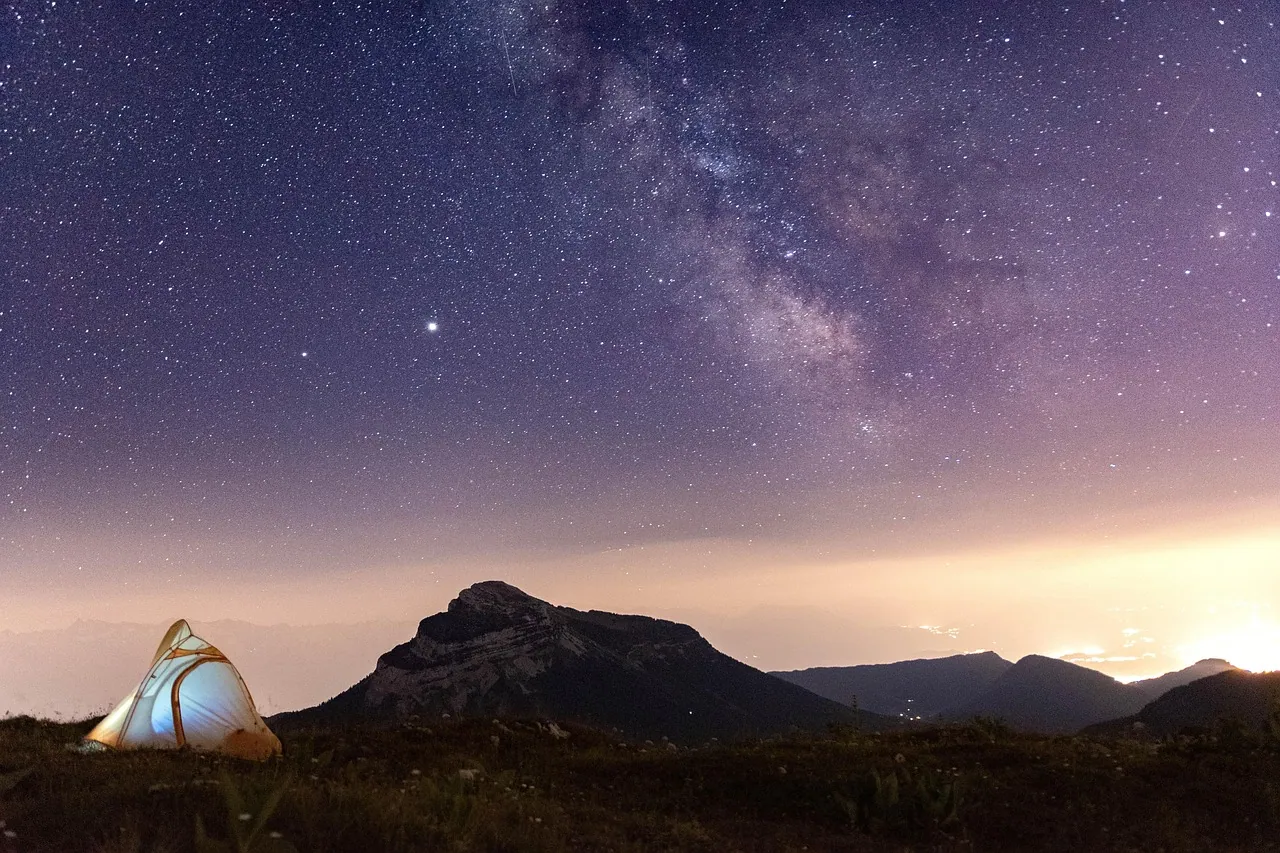
Pack a small first aid kit with plasters, blister treatment, antiseptic, painkillers, rehydration salts and any regular items you use. Insect repellent is essential for dusk and dawn, and a head torch is more useful than a hand torch, because it keeps both hands free in camp. Add lip balm, wet wipes, hand sanitiser, a refillable water bottle and, if you are a light sleeper, ear plugs. Tented camps are full of night sounds, which most guests enjoy, though some like a little help sleeping.
06
Your daypack for the game drive
A small daypack saves you from rummaging through your duffel at the wrong moment. Put in the things you will want within reach: sunscreen, a hat, a buff, your binoculars, a spare camera battery, lip balm, wet wipes, a light layer and your water bottle. Most vehicles carry drinking water, but your own refillable bottle cuts down on single-use plastic, which suits the spirit of the parks. Tell your guide if you want something for the road, such as a favourite snack, and they will often keep a cool box on board.
It also helps to keep a few small items in a zipped cloth pouch: a pen and notebook for your sightings list, a field guide to birds or mammals if you enjoy that, and a few tissues. Many guests begin keeping a list without planning to, and by the end of the trip it is a treasured record. A phone with offline maps and photos is handy, but coverage is patchy in the parks, so do not count on it. This is your safari packing list in miniature, and it will make every drive easier.
One last point: pack as if you will be photographed. Plenty of travellers end up in group photos at the airstrip, the lodge and the gate, wearing the same fleece for four days. Choose pieces you feel good in, and that dry quickly when washed in a sink. Comfort and ease matter far more than looking the part, and every guide we know would rather see a relaxed, well-rested guest in an old shirt than a stiff one in new gear.
07
Documents, money and insurance
Keep your travel documents together and close at hand, never in checked luggage. Your passport should usually be valid for at least six months from the date you arrive and have blank pages. Check visa rules with official Tanzanian immigration sources, because they change. Carry printed copies of your visa, itinerary and flight details, and keep photos of them on your phone and with someone at home. If a yellow fever certificate may apply to your route, check the current rules with official health sources.
Travel insurance is essential, not optional. It should cover medical care, evacuation, delays and the activities on your itinerary. Pack the policy number and the emergency contact line in your hand luggage as well as your phone. Bring a bank card and a small amount of cash in a mix of notes for tips and small purchases. Your planner will explain how tipping usually works on your trip, and carrying small notes in a clean envelope makes it easy.
08
Soft bags and light-aircraft luggage limits
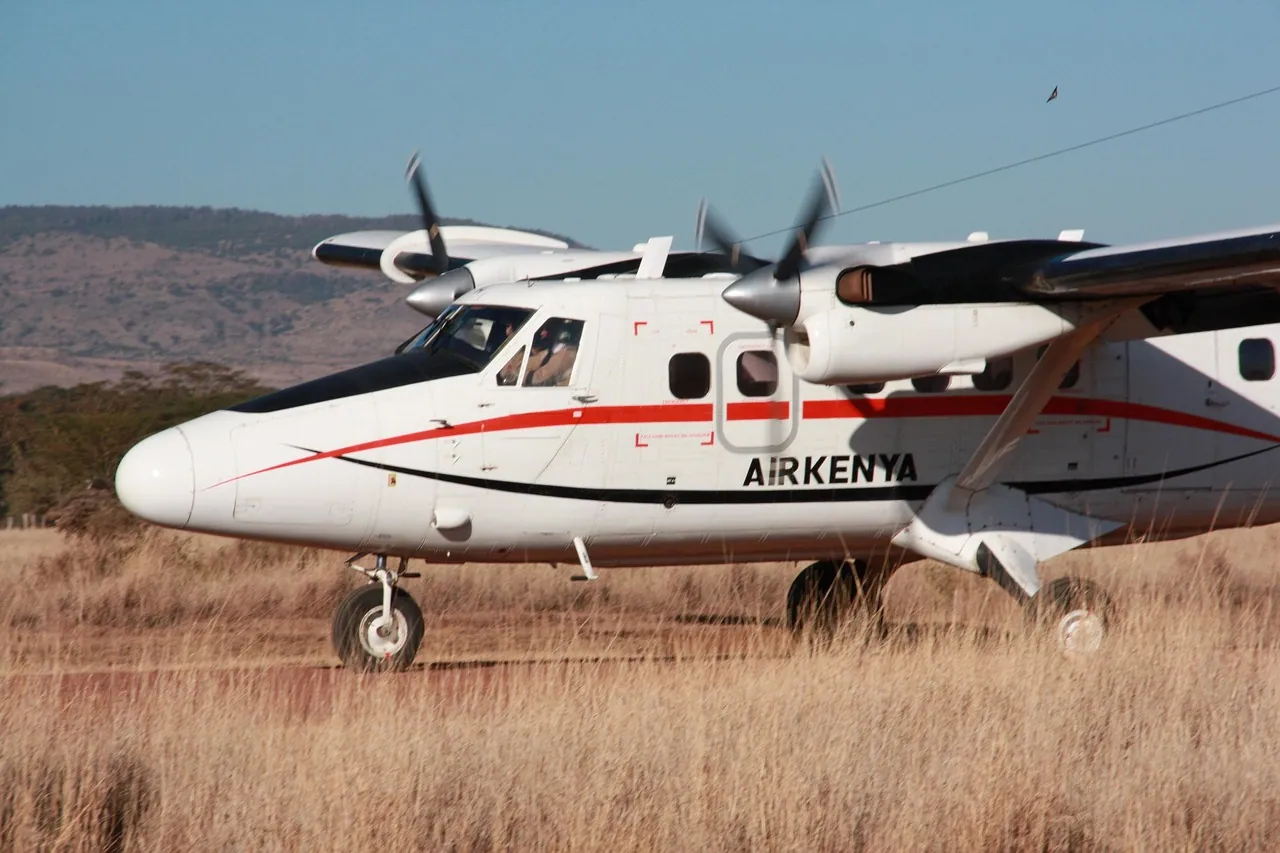
How much luggage can I take on safari is one of the most common questions we hear. Light aircraft have strict weight limits, and baggage allowances are commonly around 15 kg / 33 lb per person, including camera gear and hand luggage. The exact figure depends on the airline and aircraft, and we confirm it for your trip. Pack your main items in a soft duffel bag with no wheels or frame, because a rigid suitcase will not fit in the small cargo hold of a light aircraft.
Light aircraft baggage rules are strict because safety depends on weight and balance, and airlines may weigh passengers as well as bags. If you must bring extra, we can often arrange storage in town while you are in the parks. Keep valuables, medicine and your camera in a small daypack that you carry with you. Weigh your bag at home, leave a margin for souvenirs, and put heavier items such as camera lenses in your hand luggage, if the airline allows it.
09
Zanzibar, plastic bags and what to leave at home
A beach stay is often the second half of a trip, and Zanzibar needs its own small kit. Beachwear is fine at resorts, but a Zanzibar dress code applies in Stone Town and in villages, where most of the population is Muslim. Cover your shoulders and knees when you walk around town, and carry a light scarf or shawl. Bring reef shoes if you plan to swim from rocky shores, a hat, reef-safe sunscreen and a light, quick-drying cover-up.
Plastic bags banned in Tanzania is a rule worth knowing before you fly. Tanzania restricted plastic carrier bags in 2019, and visitors are advised not to bring them into the country. Reports differ on zip bags for toiletries, so the safest plan is to use reusable cloth pouches or packing cubes, and to check the latest guidance before you travel. Please confirm current rules with official sources, because we cannot promise how they are applied.
What not to bring on safari is a shorter list than most expect. Leave behind camouflage clothing, which is restricted in several African countries, and drones, which need permits and are generally not allowed in the national parks. Leave expensive jewellery, hard suitcases, bulky hairdryers and too many shoes. If you wish to carry gifts for children, speak to us first. Handing out sweets or money can do harm, while donating notebooks or pens through a school or a community project works better.
10
Kilimanjaro versus safari packing, and a checklist
Packing for Kilimanjaro vs safari is a different task. A safari needs light, neutral, breathable clothes. The mountain needs warm layers for temperatures well below freezing on summit night, a waterproof shell, insulated gloves, a four-season sleeping bag and well-fitted hiking boots. If you plan both, we send a separate Kilimanjaro kit list, and you can leave the mountain gear in storage in town while you are on safari.
To pull it together, here is a safari packing checklist. Use it as a starting point, then trim it to the length of your trip. If you are unsure about an item, ask your planner, who knows the camps you will be staying in. A bag that is half-empty on departure leaves room for what you will want to bring home, and most travellers realise on day three that they could have brought even less.
- Passport, visa, insurance, flight details and printed copies.
- Soft duffel bag under 15 kg / 33 lb, plus a small daypack.
- Neutral long-sleeved shirts, long trousers, shorts and a warm fleece.
- Wide-brimmed hat, sunglasses, sunscreen and lip balm.
- Closed walking shoes, sandals and a swimming costume.
- Binoculars, camera, spare batteries, memory cards and a power bank.
- Type D and Type G adaptor, head torch and a refillable water bottle.
- Insect repellent, prescription medicine and a small first aid kit.
- Scarf or shawl for Zanzibar, and reusable cloth bags instead of plastic.