01
Two dry seasons and two rainy seasons
The honest answer to the best time to visit Tanzania is that it depends on what you want to see, and there is no single perfect month. What helps is understanding the shape of the year. Tanzania sits just south of the equator, so it does not have summer and winter in the way Europe does. It has two dry seasons and two rainy seasons, and each one changes the land, the wildlife and the price of a bed.
When to visit Tanzania is really a question about these four seasons. The main Tanzania dry season runs from about June to October. Skies are clear, days are warm and nights are cool, and animals gather around the water that remains. A shorter, hotter dry spell follows from January to February. The long rains, known locally as the masika, arrive from roughly March to May, and the short rains, the vuli, come in November and sometimes into December. The Tanzania rainy season is therefore split in two, with a dry gap between the halves. Think of those dates as a guide rather than a promise, because the weather changes from year to year and the rains have a habit of arriving early or lingering.
02
Tanzania weather by month, in plain terms
If you like a quick summary, here is Tanzania weather by month on the northern safari circuit, which covers Arusha, Tarangire, Ngorongoro and the Serengeti. January and February are warm, with short showers and green grass. March is the start of the long rains, April is the wettest month and May eases off. June to October is dry and clear. November brings the short rains back, and December is warm and festive with brief showers.
Altitude matters as much as the calendar. The Ngorongoro crater rim sits at roughly 2,300 m / 7,500 ft, so mornings there can feel cold even in the dry months, and Ngorongoro crater weather can change within an hour. The Serengeti plains are warmer and breezier. The coast is hot and humid for most of the year. Pack for the altitude you will be at, and not only for the month on the page.
- January and February: warm, green, short showers, calving in the south.
- March to May: the long rains, with April usually the wettest and quietest month.
- June to October: dry, clear and cool at night, the classic safari window.
- November and December: the short rains, fresh green landscapes and migrant birds.
03
The great migration, month by month
Many travellers ask when to see the great migration, and the answer is that the herds are always somewhere. About 1.5 million wildebeest, along with zebra and gazelle, follow the rains in a rough clockwise loop through the Serengeti and into Kenya's Maasai Mara. A useful wildebeest migration by month outline helps you choose where to base yourself, but treat every date as approximate, because the animals follow the grass and not a timetable.
From December to March the herds are on the southern plains around Ndutu. In April and May they begin to drift north and west through the central Serengeti, and the long rains can make this the greenest, quietest stretch of the year. June and July find the herds massing in the western corridor and moving toward the north. From late July to October they are in the northern Serengeti, near the Mara River. In November the short rains pull them back south, and by December they are returning to the plains where the cycle began.
04
Calving, crossings and the best months for each
The wildebeest calving season is concentrated on the short-grass plains from late January to March. Thousands of calves are born in the space of a few weeks, often within the same morning, and the predators know it. Lions, cheetahs and spotted hyenas patrol the herds, so February is one of the best months for dramatic wildlife action. Calving season in Ndutu also suits travellers who like a quieter Serengeti, with fewer vehicles than the northern crossings attract in August.
The Mara River crossings are the other famous spectacle, and the river crossing months are the ones most travellers ask about first. From about July to October the herds gather on the banks of the river in the northern Serengeti and cross to the far side, past crocodiles and over steep, muddy banks. Crossings are unpredictable. A herd may stand at the water for hours, then turn away, and then cross in a rush the next morning. August and September are the most reliable months, and September is calmer than August. Plan several days in the north and you will give yourself a fair chance.
05
Dry season highlights in the parks
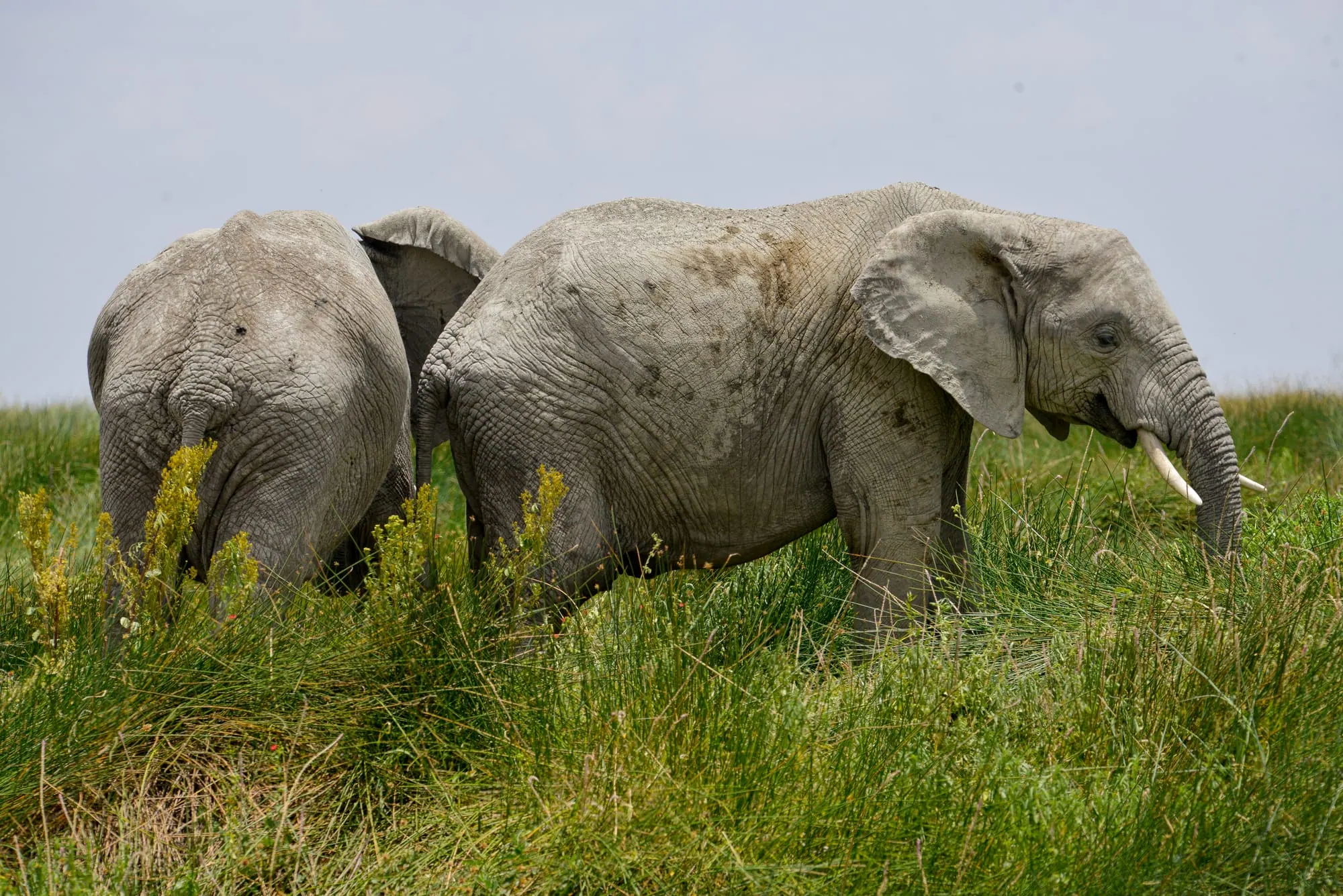
The dry months suit Tarangire especially well. As the Tarangire River shrinks, Tarangire elephants, buffalo, zebra and wildebeest travel long distances to reach it, and you can watch large family groups at close range along the banks. The park is among the best places in northern Tanzania for elephants from about June to October. Baobab trees, striking sunsets and clear air round out a season that photographers love.
A lot of travellers ask about the Serengeti in June. It is a good month, because the rains have gone, the roads are firm and the herds are moving through the western and central areas. The grass is still tall in places, so some sightings are easier to find in July and August when it has dried and shortened. Ngorongoro Crater works all year, since the animals live on the crater floor permanently, though the dry months mean easier driving and clearer views from the rim.
06
Green season value and the rainy months
A green season safari is the best kept secret in Tanzania. From March to May, and again in November, rates at many lodges drop, the parks are quiet and the landscapes turn a vivid green. Newborn animals are everywhere, and migrant birds arrive in numbers. Rain tends to fall in short, heavy bursts, often in the afternoon, and the mornings can be clear. For birdwatchers, photographers who love dramatic skies and travellers on a budget, it is a rewarding time to go.
Is it worth going in the rainy season? It can be, if you are flexible. The long rains reach their peak in April, when some camps close, roads can be slow and cloud may hide Kilimanjaro. A Tanzania safari in April therefore suits relaxed, adaptable travellers more than those with a single week and a long wish list. If April is your only option, choose a lodge with an all-weather road and give yourself extra days so a wet morning does not cost you a game drive.
07
Kilimanjaro, Zanzibar and the southern parks
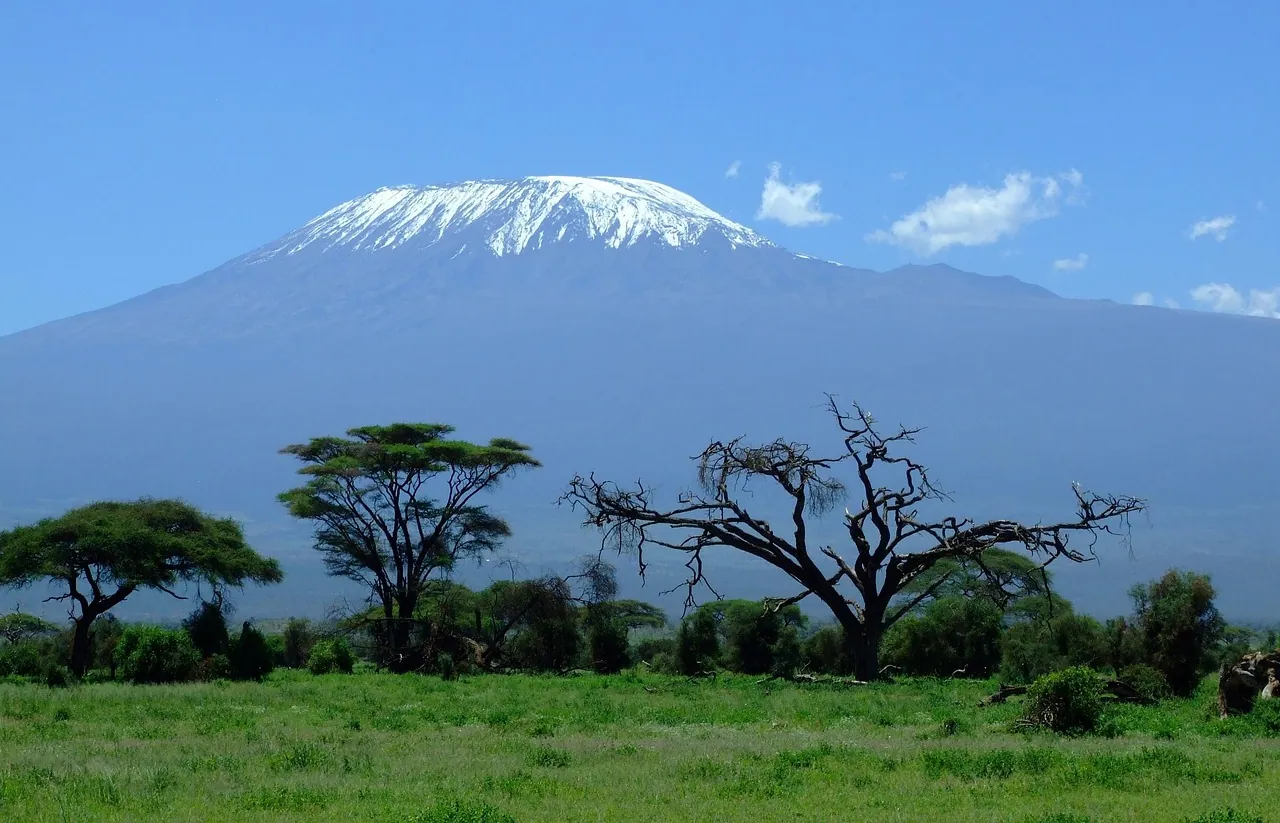
The best time to climb Kilimanjaro is during the two drier windows: late June to October, and January to the middle of March. Skies are clearer, trails are firmer and summit mornings are more likely to be bright. These are also the busiest months. The Rongai route on the northern side of the mountain sheds the heaviest rain, so it is the usual choice for anyone who must climb during the long rains. On most routes the wet months are possible but muddier and colder.
Zanzibar weather follows the monsoon winds. The kaskazi, a northeast wind, blows from about December to March and brings hotter, more humid days. The kusi, a southeast wind, blows from about June to September and brings cooler, breezier and drier weather. The long rains in April and May are the wettest time on the island. For the best time for Zanzibar beach days, aim for June to October, or the warmer window from December to February. Our June to October and January to February recommendations work well after a climb or a safari.
In the south, the best time for Ruaha is the dry season from June to October, when the Great Ruaha River draws game and the bush thins. The best time for Nyerere, formerly the Selous, is also the dry season, when boat safaris and walking safaris are at their best. In the wet months some southern camps close, and the roads can be impassable, so check before you book.
08
What a wet month is really like
People imagine the rains as days of grey downpour, and that is rarely how it works. In the long rains, a typical day starts bright and cool, clouds build through the late morning, and a heavy shower arrives in the afternoon, often lasting an hour or two before the sun returns. Game drives happen as normal in the morning, and many guests are surprised by how much they see. The real changes are practical: some dirt roads turn to mud, some remote camps close for the season, and long drives can take longer than the map suggests.
The short rains are gentler. They usually begin in late October or November, arrive in showers and refresh the grass without closing roads in most places. Migrant birds from Europe and Asia arrive, the dust settles, and landscapes that were brown and crisp in October turn green within weeks. If you are weighing November against August, you will trade guaranteed clear skies for solitude, softer light and lower rates. Many returning guests tell us they prefer the second trip, once they have done the classic one.
Whatever the month, a few habits help. Carry a light waterproof jacket in the vehicle, keep your camera in a dry bag, allow a spare day in your plan, and accept that mornings are the most dependable time to be out. Your guide reads the sky and the tracks daily and will adjust the route. A flexible attitude counts for more than any forecast, because wildlife does not run to a schedule and neither does the weather.
09
Crowds, rates and how seasons are priced
A peak season safari runs from July to October, with the Christmas and New Year weeks and the calving weeks of February also busy. Lodges fill early, rates are at their highest and the northern Serengeti can have many vehicles around a crossing point. Tanzania safari crowds are still modest compared with some other destinations, but you will notice them at popular sightings, so book well ahead if you want a particular camp.
A quiet season safari offers the opposite. April and early May are the quietest period, March and November are shoulder months with lower rates and good game viewing, and lodges often offer better value. Tanzania safari rates by season vary from camp to camp, so we do not quote figures here. Ask us for a comparison of your preferred months and we will show you where the savings really are and what you give up in return.
10
Choosing a month for your kind of traveller
For the best month for a first safari, September is hard to beat. The air is clear, the herds are in the north, crowds have eased since August and the weather is reliable. June, July and October are also strong choices. If you want the classic big five experience with minimal risk of rain, anywhere from late June to early October will work well for a first-timer.
The best time for a photography safari depends on the picture you want. Dry months give clean light and dust at sunrise and sunset, while the green season offers moody skies and fresh backdrops. The best time for a family safari is often the dry season, when school holidays line up, though families with flexible dates may find January to February warm and quiet. For the best time for a honeymoon, pair a dry season safari with a Zanzibar stay, and consider June to October or December to February.
11
If you can only travel in one month
Plenty of people have fixed dates. If you plan a Tanzania safari in January or February, ask for a southern Serengeti and Ndutu itinerary for calving. In March to May, choose lodges with good roads and expect fewer crowds. In June, head to the western or central Serengeti and Tarangire. For Tanzania in July, add the northern Serengeti. In August and September, prioritise the north and the Mara River. In October, try Tarangire and the southern parks, and in Tanzania safari in November, expect showers, green views and lower rates.
No month is wrong, only different. The best time for the Serengeti is the month when your priorities match its cycle, and the best time for a safari in Tanzania is whenever you can go with realistic expectations and a flexible guide. Tell your planner what matters most, whether that is calving, crossings, elephants, a quiet camp or a beach, and let the month shape the route. A good itinerary for April looks nothing like one for September, and that is the point. If you are still unsure, send us your dates and we will suggest the safest, most rewarding plan for them.