01
What the green season actually is
Is it worth going on safari in the rainy season? Often yes, if you know what to expect. Tanzania has two rainy periods, and neither is a wall of water. The short rains arrive around November and December, usually in brief storms that freshen the land after a long dry spell. The long rains run from about March to May, and they are heavier and more persistent, with April and May the wettest part of the year in most of the country.
People often call this the Tanzania green season, and the name is fair. Within a few weeks of the first good rain the plains turn from tan to emerald, waterholes fill, rivers run and the air smells of wet earth. A green season safari in Tanzania is a different version of the same country, not a lesser one: the animals are still there, the guides are still working, and the landscapes are at their most vivid.
Weather varies from year to year, and the rains do not arrive on a timetable. Some seasons start late, some end early, and some years the short rains barely appear. We describe typical patterns, not promises, and a good itinerary is built with that uncertainty in mind.
02
What the weather really feels like
Ask people who have visited Tanzania in the rainy season what surprised them, and many say the same thing: it did not rain all day. A typical wet day starts clear and bright. Cloud builds through the late morning, a heavy shower or thunderstorm arrives in the afternoon, often lasting an hour or two, and the evening opens up again to a washed sky. Those afternoon showers are the rhythm of the season.
Temperatures are warm to hot at lower elevations and pleasantly mild in the highlands around Ngorongoro, where mornings and evenings can be cool and damp. Humidity rises, especially towards the coast. Wet roads and tall grass are part of life on the unsurfaced tracks, and your guide will plan drives around the weather, heading out early and coming back to camp when the clouds turn black.
There is a downside, and we want to be honest about it. In some seasons the rain does set in for several days, particularly in April, and visibility drops. A rain-soaked game drive in an open vehicle can be a wet and chilly business, though safari vehicles carry covers and ponchos. If that sounds miserable to you, choose another time of year.
03
Lush landscapes, dramatic skies and softer light
The scenery is the first reward. Hills and acacia woodland turn deep green, wildflowers carpet the plains, and ponds attract frogs, storks and herons. Clouds stack up over the horizon in a way they never do in the dry months, and you will often see a storm marching across the grass on one side of the vehicle while the sun shines on the other. These dramatic skies are a gift to anyone with a camera.
For safari photography, wet season conditions are generous. The light is softer, with fewer harsh shadows at midday, and the colours of the grass, the animals and the sky are richer. Rain also washes dust out of the atmosphere, so the air is clearer and distant views, including Kilimanjaro on a good morning, can be sharp. The dust free air also means cleaner lenses and cleaner lungs.
If you shoot photographs, bring dry bags or rain covers for your equipment, a few microfibre cloths and a way to keep lenses from fogging when you move from an air conditioned vehicle to humid air. Shoot early, shoot late and be patient between storms. The light after a downpour is often the best of the whole trip.
04
Calving, newborn animals and the southern plains
The headline event of the green season is wildebeest calving. According to our month guide, herds gather on the Ndutu plains, the short grass country in the Ngorongoro Conservation Area from about January, and the births peak in February, when thousands of calves can be born in a single day. The herds come south to follow the new grass, and the births happen within a few weeks of each other.
Predators follow. Lions, cheetahs, hyenas and jackals concentrate around the plains, and the drama is real: newborn animals are vulnerable, and this is one of the best times for seeing hunts. Not everything is violent, though. You will also see calves wobbling to their feet within minutes of birth and running with the herd soon after, which is one of the most affecting sights in East Africa.
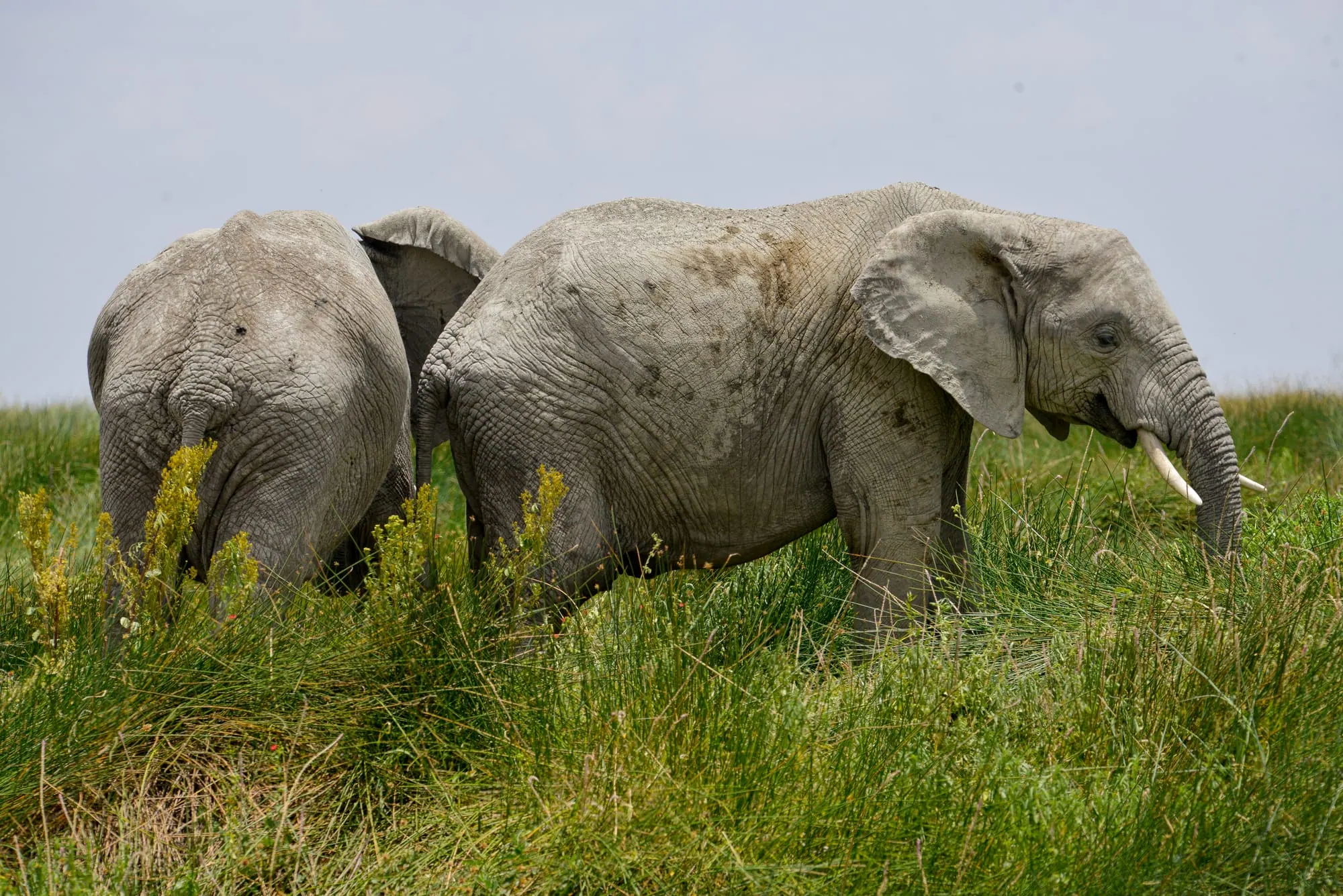
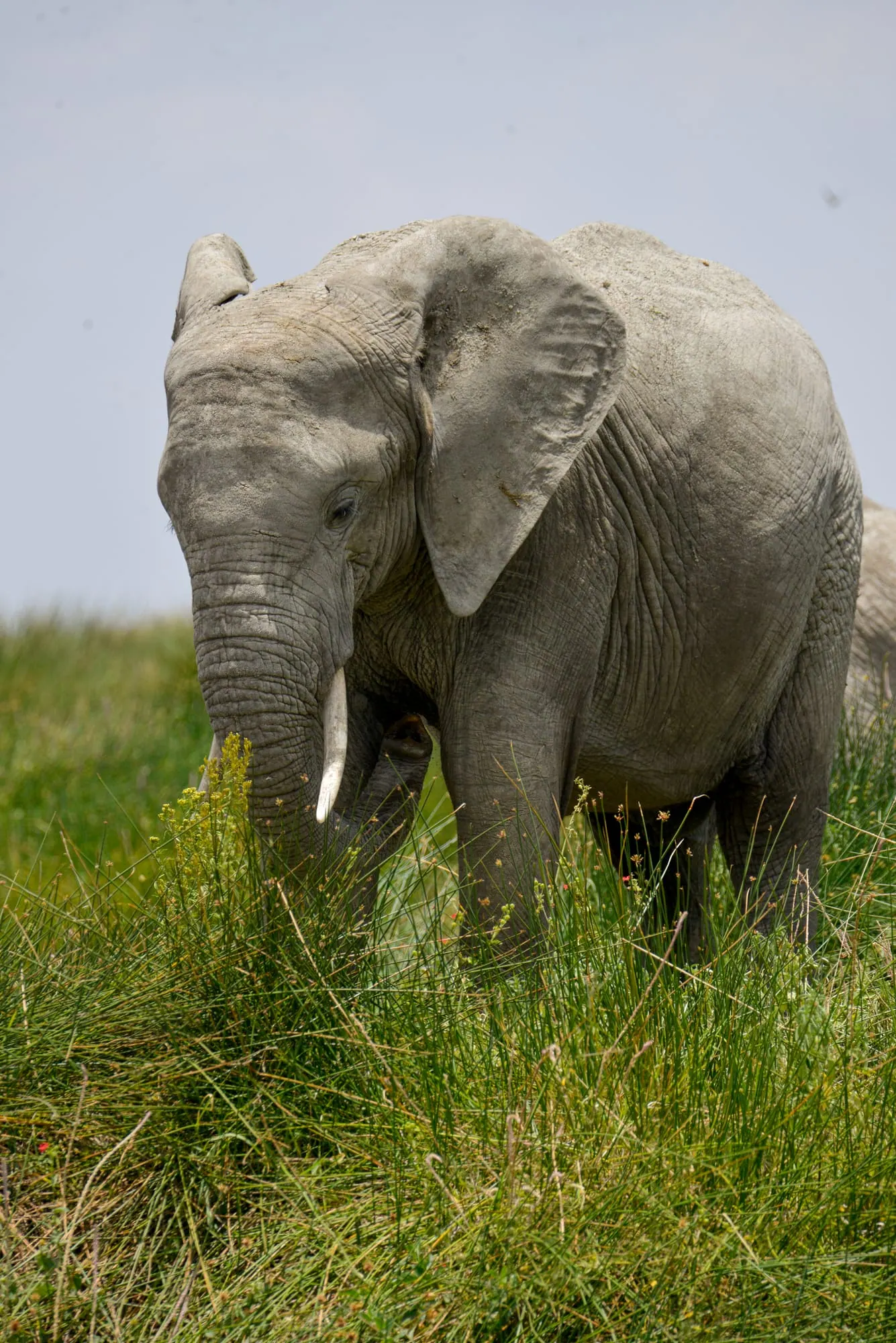
Timing varies with the rains. Calving is concentrated but not exact, and herds can shift from one part of the southern plains to another. Our advice is to book a flexible camp or a mobile camp that moves with the herds, and to allow at least three nights. Elsewhere in the parks, impala, zebra, giraffe and elephants also give birth in the green months, so young animals appear almost everywhere.
05
Birds, fewer vehicles and the quiet advantage
Birding in the rainy season is at its best in the wet months. Migratory birds arrive from Europe and Asia from roughly November, joining resident species that are breeding in bright plumage. Lake Manyara birds are a highlight, and Tarangire and the Serengeti woodlands fill with colour, from bee-eaters and rollers to storks and eagles. Keen birders often rank this as the best part of the year, and a guide with a good ear makes a huge difference.
The other quiet advantage is space. With quieter tracks in the rains, a sighting that would attract a dozen cars in August may be yours alone. Fewer vehicles also mean a calmer atmosphere at camp, easier conversations with the staff and more flexibility with your timetable. The northern parks in particular feel less busy, though the very best-known viewpoints still attract visitors.
Wet season rates are the other reason, and wet season safari value is real many people choose the rains. We do not publish figures here, but lodges and camps commonly offer more favourable terms, and some add extra nights or perks. If value matters to you, ask us what your dates look like. The saving can be significant enough to fund a longer stay or a better camp.
06
Which parks work best in the rains
The best parks for the green season are the ones where roads hold up and the wildlife stays visible. The southern Serengeti and Ndutu are superb from December to March. The Ngorongoro crater floor works all year, because its floor holds resident animals, although tracks on the crater rim can be slick. Lake Manyara and Tarangire National Park are both good for birds, and Tarangire's elephants remain a draw even when the herds disperse.
In April, things change. The Serengeti in April is lush and almost empty of visitors, with the herds moving north through the central and western areas, but roads can be slow and some tracks may be impassable after heavy rain. By May the rains ease, the park is still green, and the crowds are still thin. If you want a classic wildlife scene, early in the long rains is not the time, but late May is a quiet joy.
Nyerere in the wet months and other southern and western parks such as Ruaha and Katavi are harder in the wet months. Roads can flood, vegetation thickens, and many camps close. We would generally steer first time visitors towards the north in the green season, and keep the south and west for the dry months.
- Best for calving: southern Serengeti and Ndutu, roughly January to March.
- Best for birds: Lake Manyara, Tarangire and the Serengeti, November onwards.
- Best for quiet: the central and northern Serengeti in May.
- Harder in the rains: the far south and west, where roads can be cut off.
07
Roads, closed camps and planning around them
The reality of wet weather is mud. Muddy roads are slow, and sometimes vehicles get stuck, particularly on the black cotton soil of some plains. Your driver guide will know where it is safe to go, and in severe weather a drive may be cancelled. Plan extra buffer on transfers between parks and avoid squeezing tight itineraries into the wettest weeks.
Several camps close for part of the wet season, usually during April and May. In the north, some mobile camps and seasonal camps are dismantled, and in the far west and south the options shrink further. On the western circuit, camps at Mahale and Katavi are among those that typically close in the heaviest rains. Check which properties are open before you pick your dates, because closed camps cannot be fixed with a phone call.
Flights are another consideration. Light aircraft can be delayed by low cloud, so add a buffer day if you have to make an international connection. We keep an eye on the weather throughout your trip and will adjust drives, rest days and routes. Flexible travel plans make the difference between a stressful week and a relaxed one.
08
What to pack for a rainy season safari
What to pack for a rainy season safari is a short list, and most of it is common sense. A lightweight waterproof jacket with a hood is essential, along with a warm layer for cool mornings and open vehicle drives. Quick drying trousers are better than jeans, which stay wet for days. Pack closed shoes with a good grip, plus a pair of sandals for camp.
Insects thrive after rain, so bring mosquito repellent and discuss malaria prevention with your doctor or a travel clinic six to eight weeks before you travel. Long sleeves at dusk help too. A hat, sunglasses and sunscreen are still needed, because the sun can be strong between storms. Bring binoculars, ideally with a rain guard, since the birds are a highlight.
Protect your electronics with dry bags and zip bags, and use soft luggage for light aircraft. Buy comprehensive insurance for a wet season trip, which covers delays, cancellations and medical care, and check that it fits a wet season trip. Please remember that plastic carrier bags are banned in mainland Tanzania, so leave them at home and bring reusable bags instead.
09
Zanzibar and Kilimanjaro in the rains
Zanzibar in the rainy season is a mixed picture. The long rains, roughly March to May, are the wettest months on the coast, and the rain tends to arrive in heavy bursts. Some hotels close or run quieter operations, and the sea can be cloudy. Showers are often followed by sunshine, the island stays warm and green, and the spice farms and Stone Town are still very much worth seeing. In November and December the rains are shorter and the beaches usually pleasant.
Kilimanjaro in the wet months is a harder call, and we are going to be straightforward: the wetter months, especially March to May, are more demanding and generally not recommended. Paths turn muddy and slippery, visibility drops, and the summit nights are colder and wetter. The mountain makes its own weather at any time, but the drier periods, roughly January to February and June to October, give you a far better chance of a comfortable climb.
If your only holiday window falls in the wet months, tell us. We would rather talk through the options than sell you a route that is miserable. A safari in the north followed by a few days on a quieter stretch of the coast might serve you better than a rain-soaked mountain.
10
Who a green season safari suits, and how to plan it
Who is a green season safari for? It suits travellers who care about scenery, birds, photography and quiet more than a guaranteed river crossing. It suits second and third time visitors who have seen the dry-season spectacle already, and people who can travel flexibly, or who are willing to trade a little comfort for space and value. It is less suited to anyone who dislikes mud, hates being damp, or needs everything to go to plan.
To plan well, pick a region first and then a month. November and December are an excellent entry point, and the Serengeti in November is a good example, with warm days, fresh green, returning migrants and herds drifting south. January to March is the sweet spot for calving in the south. April is for the adventurous, and late May is a rewarding secret. Keep your itinerary short on transfers and long on time in each camp.
Talk to us early. We will check which camps are open, where the herds are likely to be, how the roads are performing and what your rates look like. Expect an honest conversation, including a warning if the dates you have in mind are poor ones. A good green season trip is built on flexibility, good guides and realistic expectations.