01
Six routes, one mountain
Kilimanjaro rises to 5,895 m / 19,341 ft, and there are several well-worn ways to reach its summit. Lemala Safaris offers six: the Machame, Lemosho, Marangu, Rongai and Umbwe routes, and the Northern Circuit. Kilimanjaro routes compared on paper look similar, since all of them end on the same crater rim and none needs ropes or technical climbing. In practice they feel very different, and the choice you make months before you fly will shape your whole climb.
Most people ask which Kilimanjaro route is best, and the fair answer is that it depends on your time, your experience and what you want from the walk. Some routes give your body more days to adjust. Some sleep you in huts. Some are quiet and some are busy. Some suit a photographer, and others suit a trekker who is short of holiday. This article sets the six side by side, so that you can match one to your own circumstances.
02
Why more days usually means better odds
The single most important factor in a Kilimanjaro climb is not strength, but time at altitude. Kilimanjaro acclimatisation is the process by which your body copes with thinner air, and it cannot be hurried. Climbers who gain height slowly, and spend an extra night or two on the way up, are less likely to suffer badly from altitude sickness, and more likely to feel strong on summit night. This is why guides talk constantly about how many days to climb Kilimanjaro before they talk about anything else.
Two habits help. The first is pole pole, the Swahili for slowly, slowly: your guide will set a pace that feels almost embarrassingly gentle, and that is deliberate. The second is the principle of climb high, sleep low, where you walk up to a higher point during the day and then return to a lower camp for the night. Several of our routes build this in, and the climb high sleep low pattern is the reason the Lava Tower detour on Machame and Lemosho is worth the effort. Neither habit guarantees anything, but both stack the odds in your favour, and a longer itinerary makes both easier.
03
Machame and Lemosho, the two favourites
The Machame route, nicknamed the Whiskey Route, covers about 62 km and starts at Machame Gate at 1,800 m. You sleep in tents and cross five climate zones, from rainforest to the glacier-draped summit zone. The seven-day version spreads the hardest sections over more time, and a six-day option exists for fit climbers with recent altitude experience. It is busy in peak months, but it offers the most varied landscape and a good climb-high-sleep-low pattern on the day you reach Lava Tower, at roughly 4,630 m.
The Lemosho route starts at Londorossi Gate at 2,100 m on the quiet western side and covers about 70 km. It offers six, seven or eight days, and the 8 day Lemosho route adds a full acclimatisation day at the Shira Plateau, which is why many guides name it their personal favourite. The first days are gentle and uncrowded, before the trail joins the southern circuit near the Barranco Wall. If you are comparing Machame vs Lemosho, Lemosho is longer, quieter at the start and kinder to the lungs, while Machame is shorter and a little more direct.
- Machame: 6 or 7 days, about 62 km, tents, busy but varied and scenic.
- Lemosho: 6, 7 or 8 days, about 70 km, tents, quiet start and strong acclimatisation.
04
Marangu, the hut route
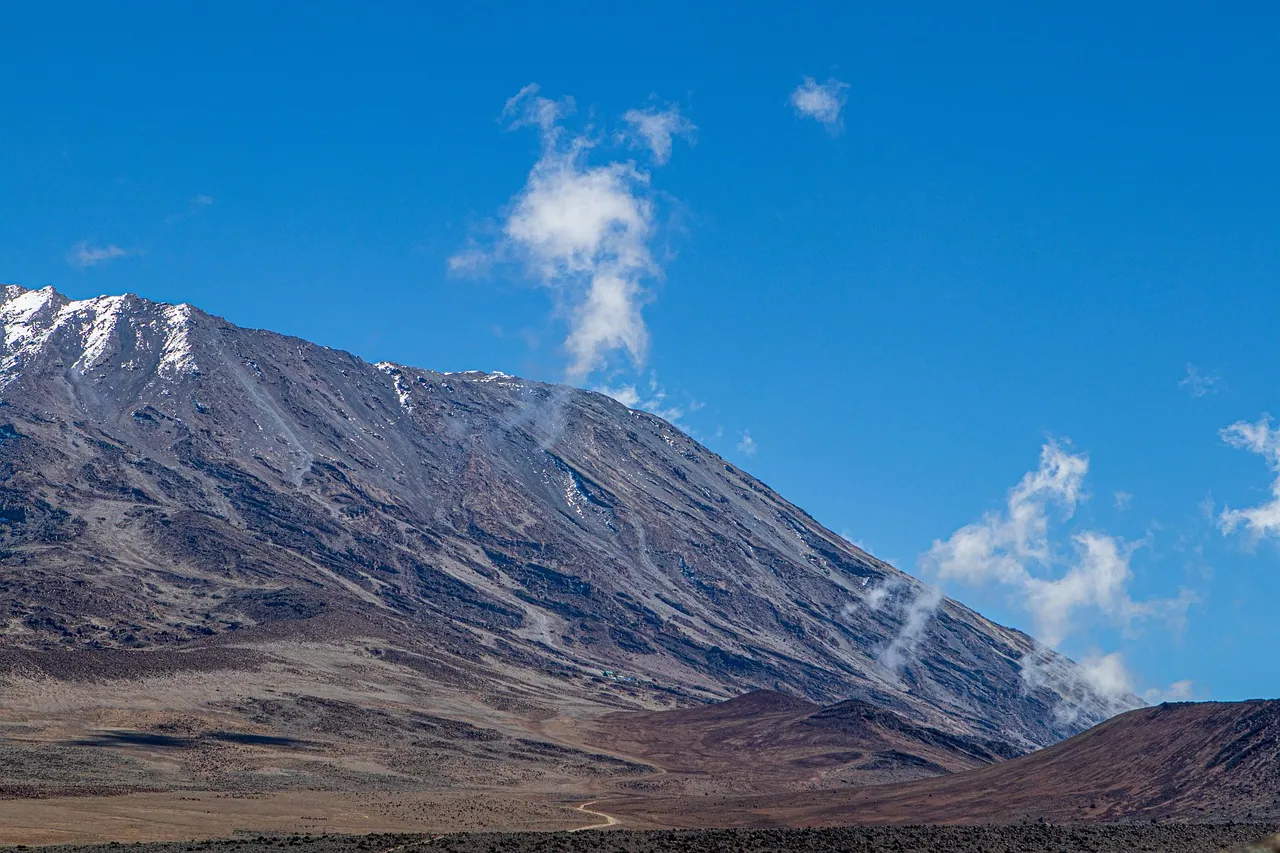
The Marangu route is the oldest organised trail on the mountain, about 64 km long, starting and finishing at Marangu Gate at 1,860 m. It is the only route with permanent dormitory huts, at Mandara, Horombo and Kibo, and it is nicknamed the Coca-Cola Route. Travellers choose it for the beds, the simple logistics and the fact that you come down the same trail you went up. It runs for five or six days, and it is the shortest of our itineraries.
We would rather be plain about the trade-off. The ascent is quicker than on the longer tented routes, which leaves less time to acclimatise, and summit estimates for the route are generally lower. Huts are shared dormitories, so earplugs are sensible. If you are choosing between Marangu vs Machame and you have never been high before, Machame or Lemosho gives you better odds. Choose Marangu because you love the idea of a classic, history-rich climb, and if you do, consider adding a day on the mountain.
05
Rongai, Umbwe and the Northern Circuit
The 7 day Kilimanjaro route most people ask about is the Machame, but the Rongai also runs for seven days. The Rongai route enters from the north, near the Kenyan border, at Rongai Gate (1,950 m), and takes seven days, descending via Marangu Gate. The slopes are drier, the trail is quiet, and the lower forest holds wildlife such as elephant, buffalo and eland. The climb gains height gradually and the final slope to the rim is steeper than on the southern lines. This is the quietest Kilimanjaro route in most seasons, and the one we suggest for the rainy months.
The Umbwe route is the most direct, about 54 km, and the hardest. It climbs steeply from the first step through rainforest and joins the southern circuit at Barranco Camp. It suits experienced, well-acclimatised climbers who have been high before and know how they react, and it is the hardest Kilimanjaro route we run. Our seven-day plan includes a rest day at Barranco, and we recommend it over the six-day version.
The Northern Circuit route is the longest standard route, about 98 km, in eight, nine or ten days. It starts at Londorossi Gate, curls around the quiet northern slopes of Kibo and turns south for the summit. The slow build-up and extra days make it a strong choice for a first climb if time allows, and the trail is often empty. The cost is simply more days away from home.
06
Huts versus tents, and what the days feel like
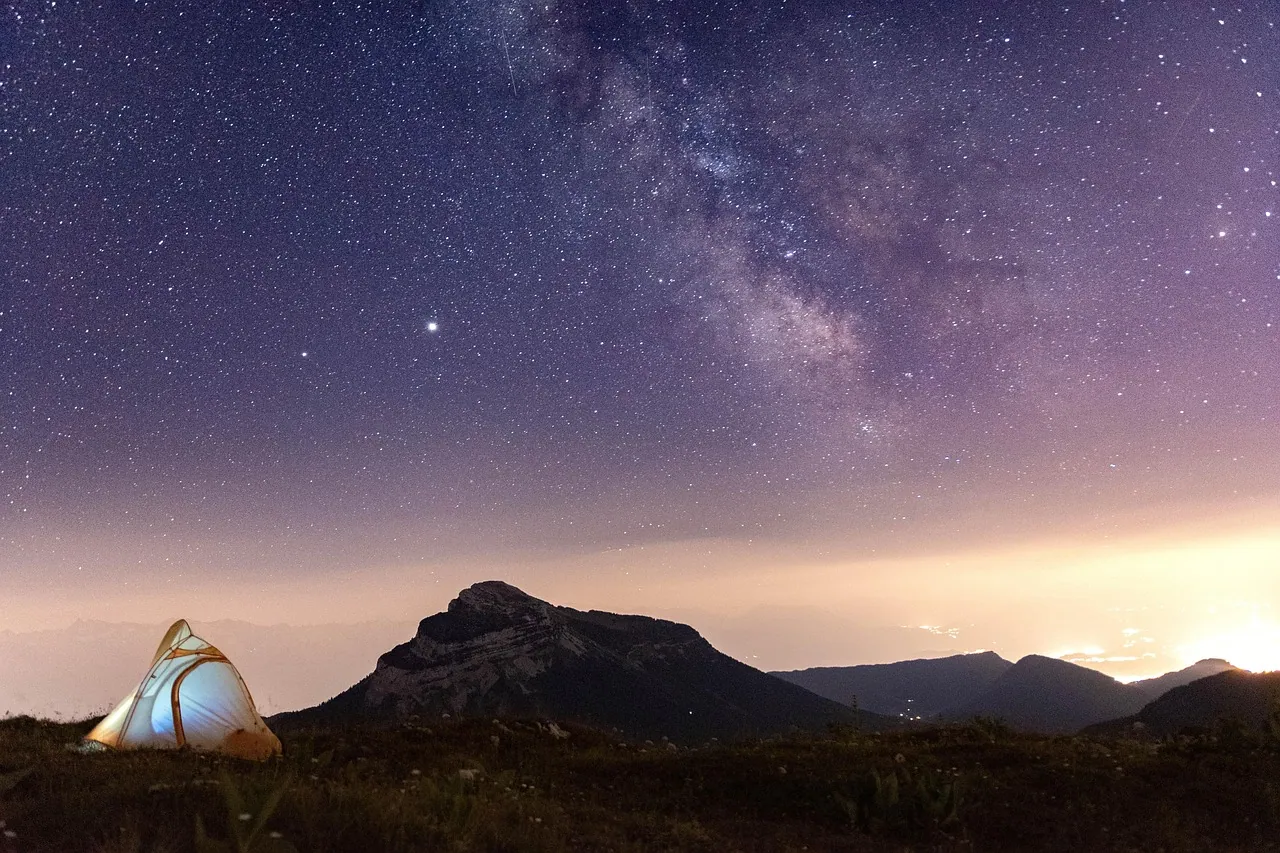
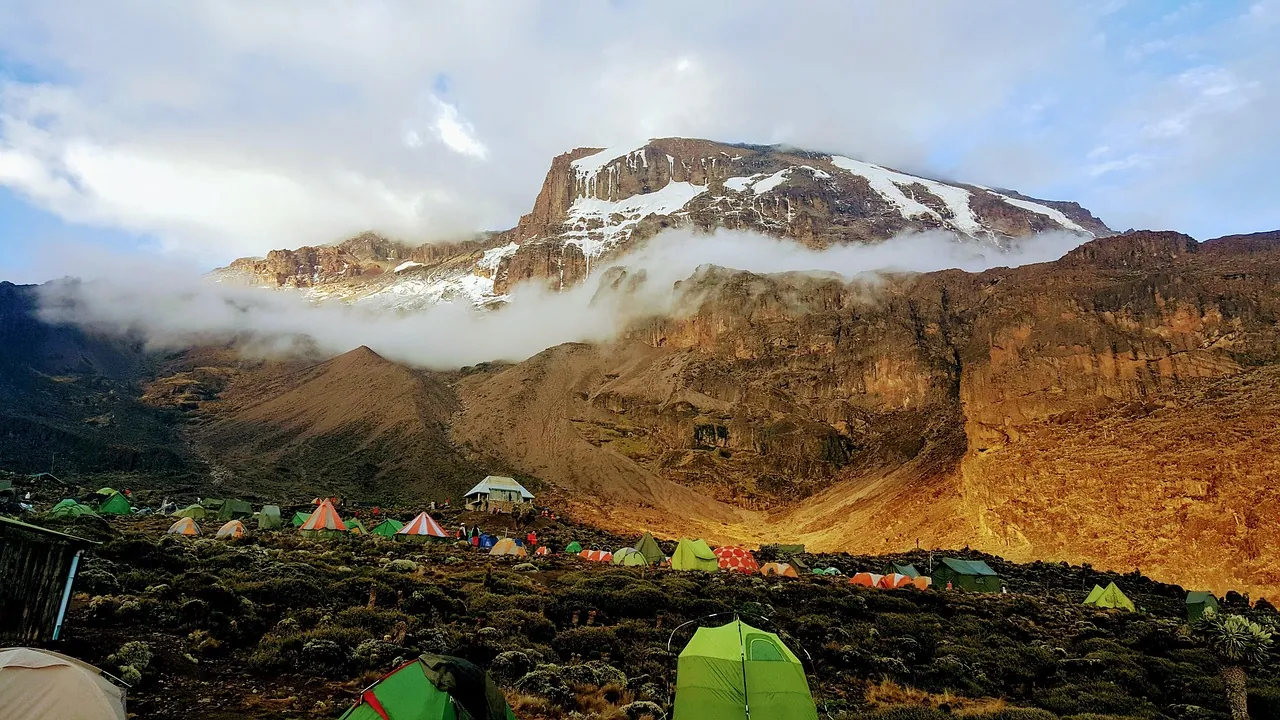
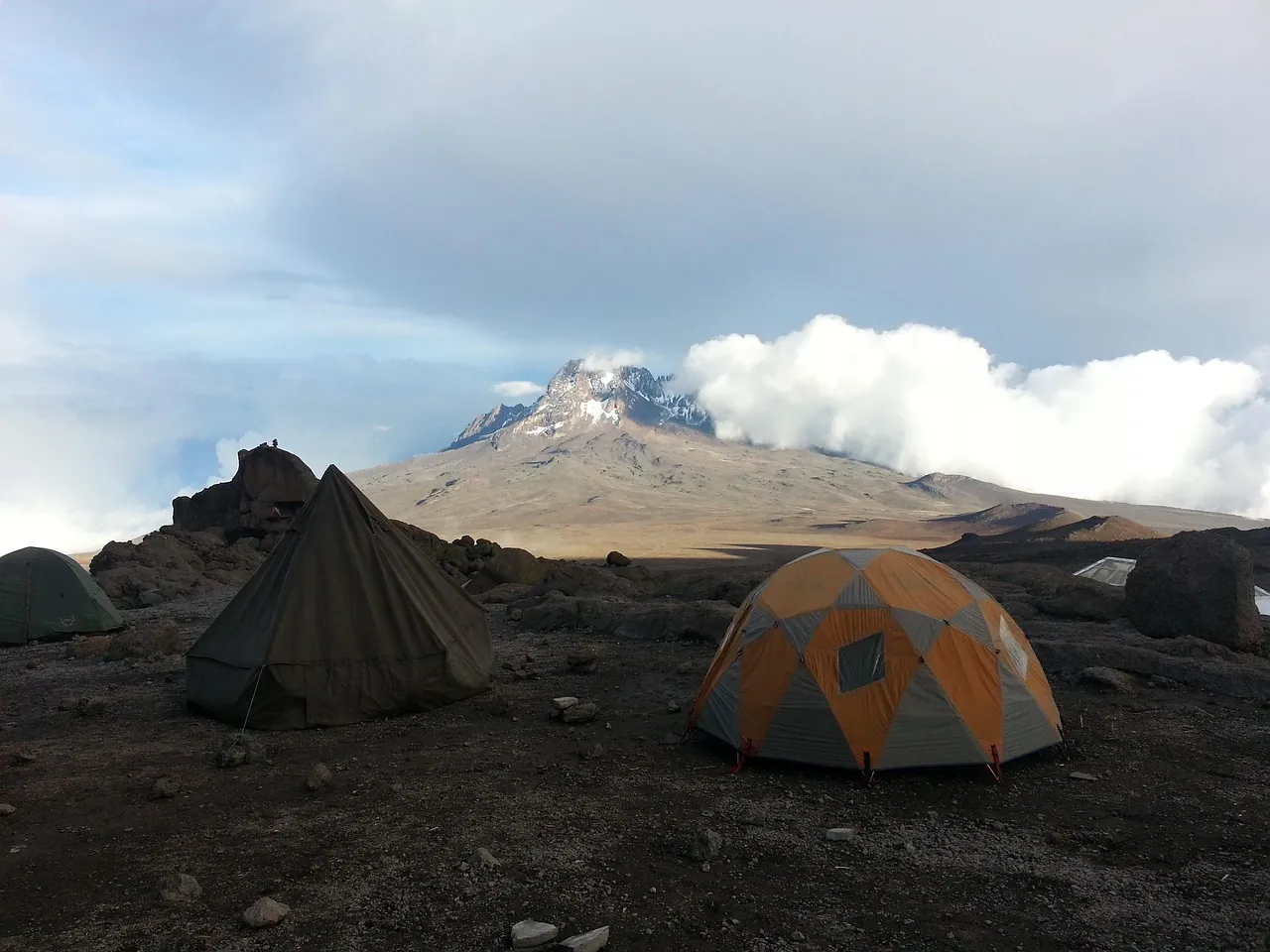
On the Kilimanjaro huts vs tents question, the choice is made mostly by the route. Marangu uses shared huts. Every other route we run uses four-season tents, with foam mats, a dining tent, a kitchen tent and a private toilet tent set up by the crew at every camp. The Rongai route also uses the stone hut at Kibo on the night before the summit. Tents feel closer to the mountain, and the crew's care makes camps surprisingly comfortable, though nights at higher camps are cold.
A few other routine features shape the days. You walk with a small daypack while porters carry the rest, and each trekker's duffel is capped at 15 kg. A mountain cook prepares hot meals at every camp. Morning and evening, the guides check each climber's oxygen levels and general condition with a pulse oximeter. That daily rhythm of walking, eating, resting and being checked is much the same on every route, and it is part of why people find the climb more manageable than they expected.
07
Crowds, scenery, photography and the way down
Kilimanjaro crowds depend on the route and the month. The southern lines, especially Machame and Marangu, carry the most climbers in July to September. The quietest Kilimanjaro route is usually the Northern Circuit or the Rongai, and Lemosho is calm until it merges with the southern circuit. If solitude matters to you, choose a longer or less-travelled route and avoid peak weeks.
For scenery, Machame and Lemosho give the widest range, from forest and heather moorland to the Barranco Wall and the Shira Plateau. The best Kilimanjaro route for photographers is probably the Lemosho or the Northern Circuit, because of the light on the open moorland and the extra days to pause, though the Machame suits those who want classic mountain views. At the top, you reach Stella Point at 5,739 m, with sunrise spreading across the ocean, and then walk the final stretch to Uhuru Peak at 5,895 m. The Kilimanjaro descent is long, usually via Mweka Gate at 1,640 m, and your knees will thank you for trekking poles.
08
Seasons, fitness and summit chances
The best season to climb Kilimanjaro is during the two drier windows: late June to October, and January to mid-March. Skies are clearer and the trail is firmer. These months are also the busiest. Climbing Kilimanjaro in the rainy season is possible, especially on the Rongai, which sheds the worst of the rain, but you will meet mud, cloud and colder nights on most other lines. Your outfitter should explain honestly what to expect in the month you pick.
People like to ask about the Kilimanjaro summit success rate. Estimates vary widely between operators and sources, and we do not quote a single figure, because a number without context misleads. What we can say is that longer routes with gradual height gain, such as the Lemosho and Northern Circuit, tend to do better than shorter ones. Kilimanjaro fitness matters too. You do not need to be an athlete, but regular hiking with a loaded pack in the months before you go will make every day more enjoyable. Altitude sickness can affect anyone, however fit, which is why time matters most.
09
Summit night, whichever route you choose
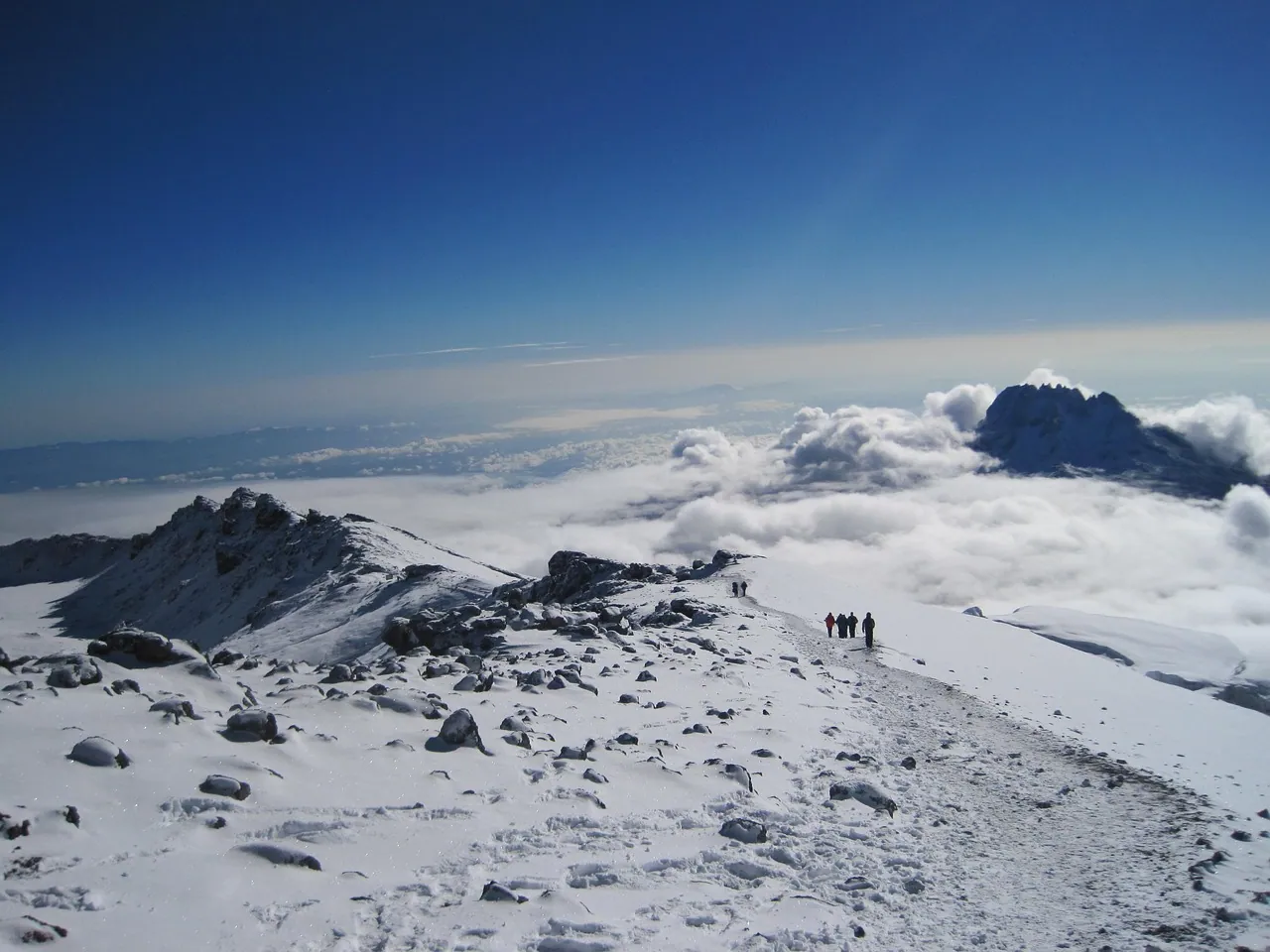
Every route converges on the same last push. Summit night starts around midnight, in the dark and the cold, with a head torch and many layers. You walk slowly, in single file behind your guide, up a steep slope of loose scree toward the rim. It is the hardest part of the trip for nearly everyone, and it is as much a test of patience and sleep as of legs. Most climbers reach Stella Point as the sky begins to lighten, and the walk on to the top takes a further stretch along the crater rim.
This is where your choice of route pays off or does not. A climber who has spent extra days at height tends to arrive at the final camp calmer, hungrier and better rested. Another who rushed may arrive with a headache, no appetite and little sleep. Eat the full dinner, drink more water than you want to, tell your guide the truth about how you feel, and accept that the best guides will sometimes turn a climber around for safety. Reaching the top matters, but getting home well matters more.
The descent begins soon after the summit photographs. Most people come down the same morning to a lower camp, then walk out the following day. Long days, sore knees and dry throats are normal. Trekking poles help, as does keeping your layers on until you are properly below the cold. At the gate you will receive a summit certificate if you reached the top, a driver will be waiting, and a hot shower and a cold drink at your hotel will taste better than you can imagine.
10
Who should pick which route
For Kilimanjaro for first timers, we generally suggest the 8 day Lemosho or the seven-day Machame, because both give your body time. If you want the easiest Kilimanjaro route on paper, people often point to Marangu, because of the huts and the moderate gradients, though easy on the legs is not the same as easy on the lungs. A first-time trekker who loves the idea of huts might still choose Marangu with an extra day. A Kilimanjaro route for beginners should always favour days over speed. If you are fit, experienced at altitude and want a tougher challenge, the Umbwe is the answer, and for a long, quiet, immersive trek, the Northern Circuit stands out.
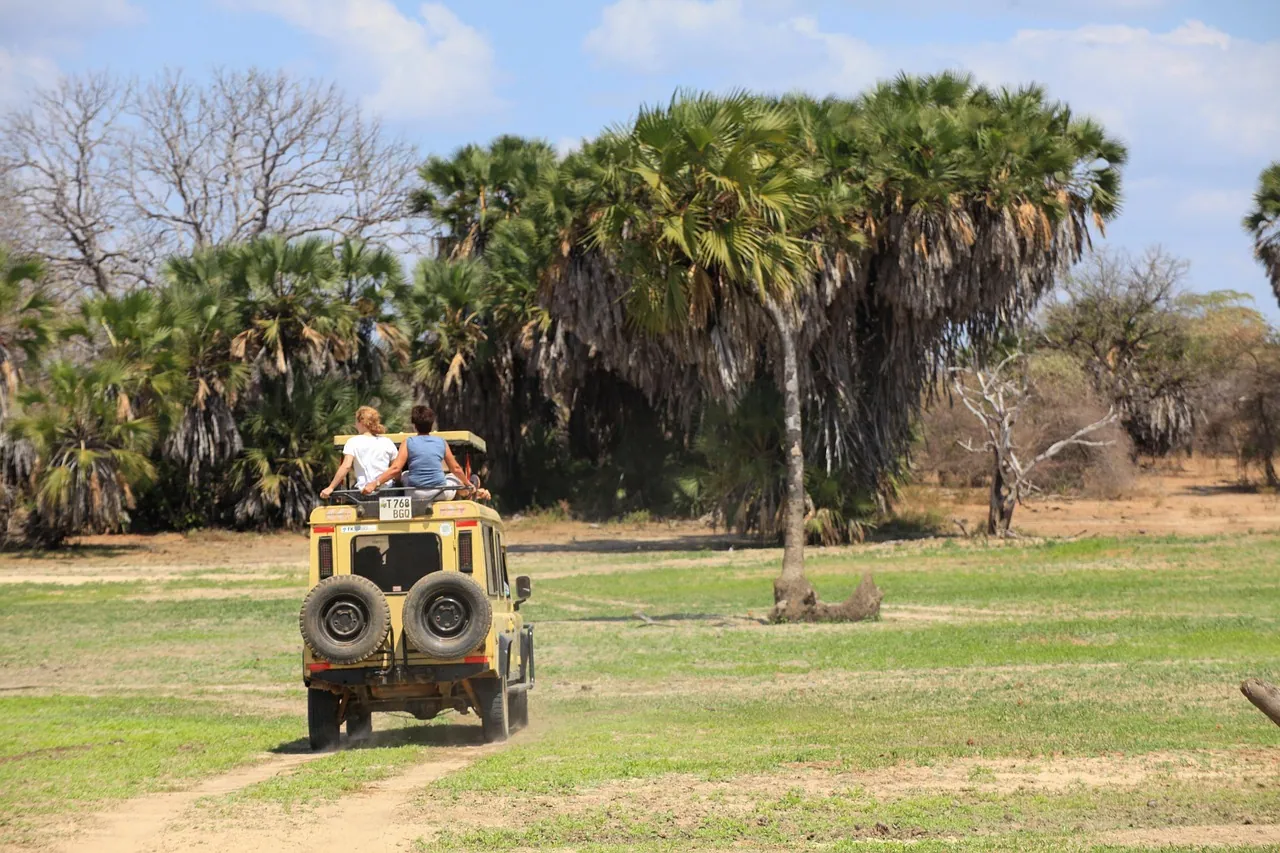
Kilimanjaro when short on time is a common situation. A six-day Machame or five-day Marangu fits a tight holiday, but both leave little margin, so be honest with yourself about the trade. If you can find one more day, take it. If you must climb during the long rains, the Rongai is the sensible pick. And if your plan includes a safari, a beach stay or a chimpanzee trek afterwards, tell us early so that we can order the pieces well, with the mountain first and the rest as a reward.
11
What a good operator provides
What a good operator provides matters as much as the route. Look for park fees included, a lead guide with an assistant guide for every three trekkers, and a porter for each trekker. Look for a mountain cook, proper four-season tents and emergency bottled oxygen carried with the team. Ask whether guides are trained in wilderness first response, and whether oxygen levels are checked twice a day. Ask how Kilimanjaro porters are treated, paid and equipped, and whether their loads are limited.
Ask also about the plan, not only the price. A good operator will talk you out of a route that does not suit you, tell you plainly about the weather in your month, and give you a kit list well in advance. They will remind you that personal insurance is essential and that gratuities for the mountain crew are separate. If you are still unsure which route is right, tell us your dates, your experience and your worries, and we will recommend one honestly.