01
A country of many peoples
Tanzania is often introduced through its wildlife, yet the people are what make a visit feel like a journey through a living country. The population is made up of more than 120 ethnic groups, each with its own language, history and ways of making a living. Most people also speak Kiswahili, the national language, which acts as a common thread across the country and connects communities that might otherwise struggle to talk.
That diversity matters for how you travel. A herder on the plains, a coffee farmer on the slopes of Kilimanjaro and a fisherman on the coast live very different lives, and none of them exists to entertain you. A good visitor treats every conversation as an exchange between equals, learns names, listens more than they speak and remembers that a village is someone's home, not a stage.
This guide is about practical habits: what to say, how to dress, how to take photographs, how to tip and how to choose an operator whose values show in the way they work. Tanzania culture and responsible travel go hand in hand, and a few small choices make the difference between a visit that is welcomed and one that is merely tolerated.
02
Communities you may meet
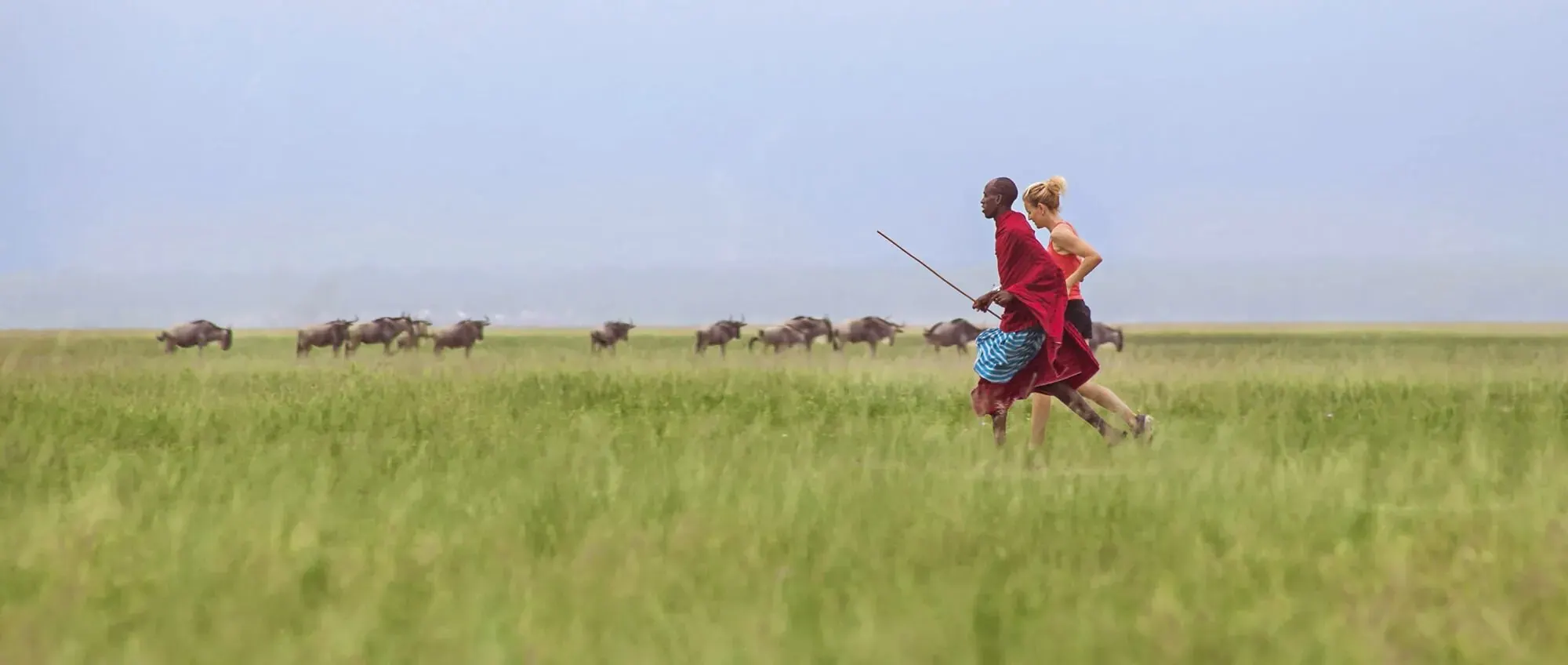
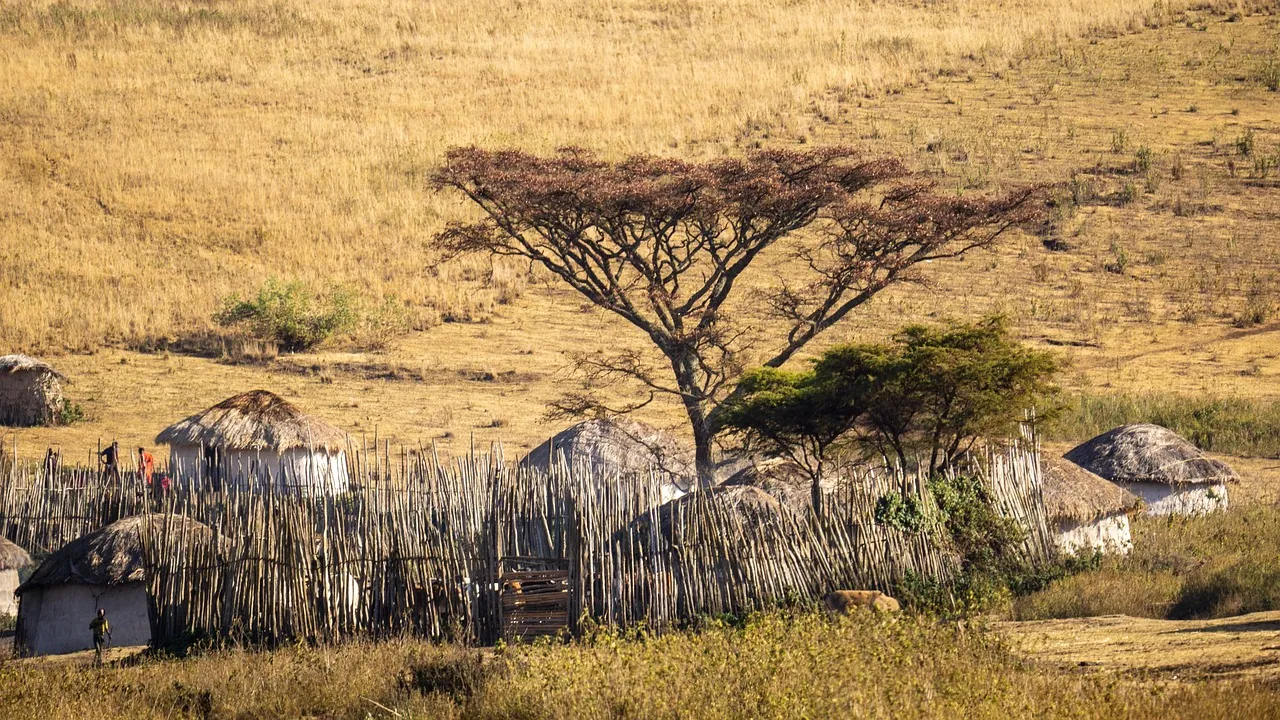
Many travellers meet Maasai communities in northern Tanzania. Maasai culture is based on pastoralism, with cattle at its centre, and is known to outsiders for red cloth, beadwork and the traditions of age sets. It is also much more varied and modern than postcards suggest. Many Maasai people are teachers, guides, drivers, lodge staff and entrepreneurs, and a person in a red shuka may also be on a smartphone.
Around Lake Eyasi, the Hadzabe are a small community of hunters and gatherers who speak a click language, and the Datoga are pastoralists and skilled blacksmiths who make jewellery and tools. On the slopes of Kilimanjaro, the Chagga are known for their coffee, banana groves and irrigation channels. In the Usambara and Pare Mountains and across the south and west, other peoples farm, fish and trade, each with distinct customs.
Along the Swahili coast and on the islands, Swahili culture has been shaped for centuries by Indian Ocean trade, with Arab, Persian, Indian and African influences. You see it in the architecture, the food, the music and the language. Treat these descriptions as a starting point, not a label. Every individual is different, and no community is a museum.
03
A little Swahili goes a long way
If you wonder how to greet in Swahili, start with the easy ones. Jambo is a friendly hello that visitors often hear, and the reply is often jambo or sijambo. Karibu means welcome, or you are welcome, and you will hear it everywhere. Asante, or asante sana for thank you very much, is the most useful word in the language. Always greet people before asking a question or making a request.
Swahili phrases for travellers need not be complicated. Habari means news, and habari yako asks how are you. Mambo is an informal, youthful greeting, and the usual reply is poa, which means cool or fine, so mambo poa is a friendly exchange between friends. Pole means sorry, as in sympathy, and pole pole means slowly. What does pole pole mean in practice? It is advice to take your time, which porters say on Kilimanjaro and everyone says about Tanzanian time in general.
Is hakuna matata Swahili? Yes, it means no problems, but it became famous through a film and a song, and many Tanzanians use it mostly with tourists. You will hear hamna shida or hakuna shida more often between friends, and using hakuna matata with a smile is fine but best not overdone. Treat the language with the respect you would want for your own. Learn a few words, try them and laugh when you get them wrong.
- Jambo or hujambo: hello. Reply: sijambo, I am fine.
- Karibu: welcome. Karibu sana: you are very welcome.
- Asante, asante sana: thank you, thank you very much.
- Mambo? Poa. Hello, how are you? Cool. A casual exchange.
- Pole pole: slowly, slowly. Tutaonana: see you later. Kwaheri: goodbye.
04
Photographing people respectfully
Photographing people respectfully starts with a simple rule: ask before taking photos, every time. A smile and a gesture towards your camera is usually understood, and your guide can translate. Some people will say yes, some will say no, and some will ask for something in return. Accept a no gracefully. A person's face is not part of the scenery, and nobody owes you a photograph.
Never photograph children without a parent or guardian's consent, and be careful with religious ceremonies, funerals, government buildings, airports and police or military sites. Do not take photographs from the vehicle of people who have not agreed to it. If someone offers payment as part of the conversation, consider it fairly and ask your guide how it normally works locally, not as a transaction you impose.
Share the results. Show people the photo on your screen, which often starts a conversation. If you can, send or print a copy later. Be wary of staged poses that exist purely for cameras, and ask yourself how you would feel if a stranger pointed a lens at your family while you were shopping. The best portraits come after you have spent real time with someone.
05
Dress, modesty and Zanzibar
On safari, practical clothes in neutral colours are all you need. Away from the park, dress is a form of respect. In towns and villages, covering shoulders and knees is a sensible default. Zanzibar's population is predominantly Muslim, and you should dress modestly in Zanzibar outside the beach resort areas: loose long trousers or a long skirt, and a top with sleeves, will be well received in Stone Town.
Swimwear belongs on the beach and at the pool. Walking through a village or market in a bikini or bare chest gives offence and invites unwanted attention, even where residents are too polite to say so. During Ramadan, avoid eating, drinking or smoking in public during the day in Muslim areas, and be sensitive about alcohol. Public displays of affection are best kept discreet.
Women travelling should not worry unduly, but a light scarf is handy for visiting mosques, where you remove your shoes and cover your head, arms and legs. Men also need long trousers. Ask before entering any place of worship, and follow your guide's advice about timing, since prayer times can limit access.
06
Tipping, gifts and money
Tipping etiquette in Tanzania is straightforward once you know the logic. Tipping is customary, and for guides, drivers, cooks, porters and camp staff it forms a meaningful part of their income. We share guidance on how and when to tip before you travel, so you can bring the right notes. We do not publish amounts here because they depend on the trip, group size and service.
Give tips in cash, ideally in small, clean notes, and hand them directly or into a staff tip box at the camp, accompanied by a thank you. For a mountain climb, tips are typically pooled and shared among the whole crew, so ask your operator how it works. Tip for good service, not as an obligation, and never feel pressure to tip a child or an official.
On the subject of giving gifts to children, resist the instinct to hand out sweets, pens or money from a vehicle window. It encourages begging, damages teeth, undermines teachers and parents, and turns a greeting into a transaction. If you want to help, ask your operator about schools or projects they know and trust, and give through a proper channel, not through a quick handout from the road.
07
Cultural visits done well, and staged ones to avoid
Cultural village visits can be wonderful or awkward. The good ones are arranged with the community, with the money going where it should and the hosts deciding what is shared. The poor ones are rushed, repetitive performances with a hard sell at the end. Authentic cultural experiences are usually slower, smaller and a little unpredictable, with time to ask questions and no pressure to buy.
Ask your operator some direct questions. Who owns the visit? How is the money shared? Is the village expecting you? Are there limits on group size and time? Does the guide come from the community or the same ethnic group? Be honest if the answers are vague. Community tourism works best when the people hosting you have a real say in the schedule, the price and what is on offer.
When you visit, arrive as a guest. Greet the elders, wait to be invited into a home, follow local customs about where to sit and remove your shoes if asked. Do not wander off to photograph, and do not treat the visit as an entertainment. Listen to the stories, ask about daily life as well as tradition, and leave with respect, not merely a set of photographs.
08
Buying crafts and supporting local trade
Buying crafts fairly means paying a price that respects the work. Markets in Arusha, Moshi, Stone Town and the villages sell woven baskets, carved wood, batik, paintings, kangas and kitenge fabrics. Maasai beadwork is among the best known, with colours and patterns that carry meaning within the community. Ask about who made it, and how long it took.
Bargaining is normal in markets, but treat it as a friendly negotiation, not a contest. A few minutes of good humoured haggling is expected, but squeezing every shilling from a maker who spent days on a piece is poor form. If you want to buy, offer a fair price and accept it. Buy from the maker or a cooperative where possible, so the money reaches the person who earned it.
Avoid anything made from protected species, including ivory, shells, coral, certain hardwoods and animal skins. Export rules are strict and the penalties are severe. Ask your guide to take you to reputable shops and to help with shipping. Also carry cash in small notes, as many stalls cannot give change for large ones, and keep your receipts.
09
Wildlife, parks and your footprint
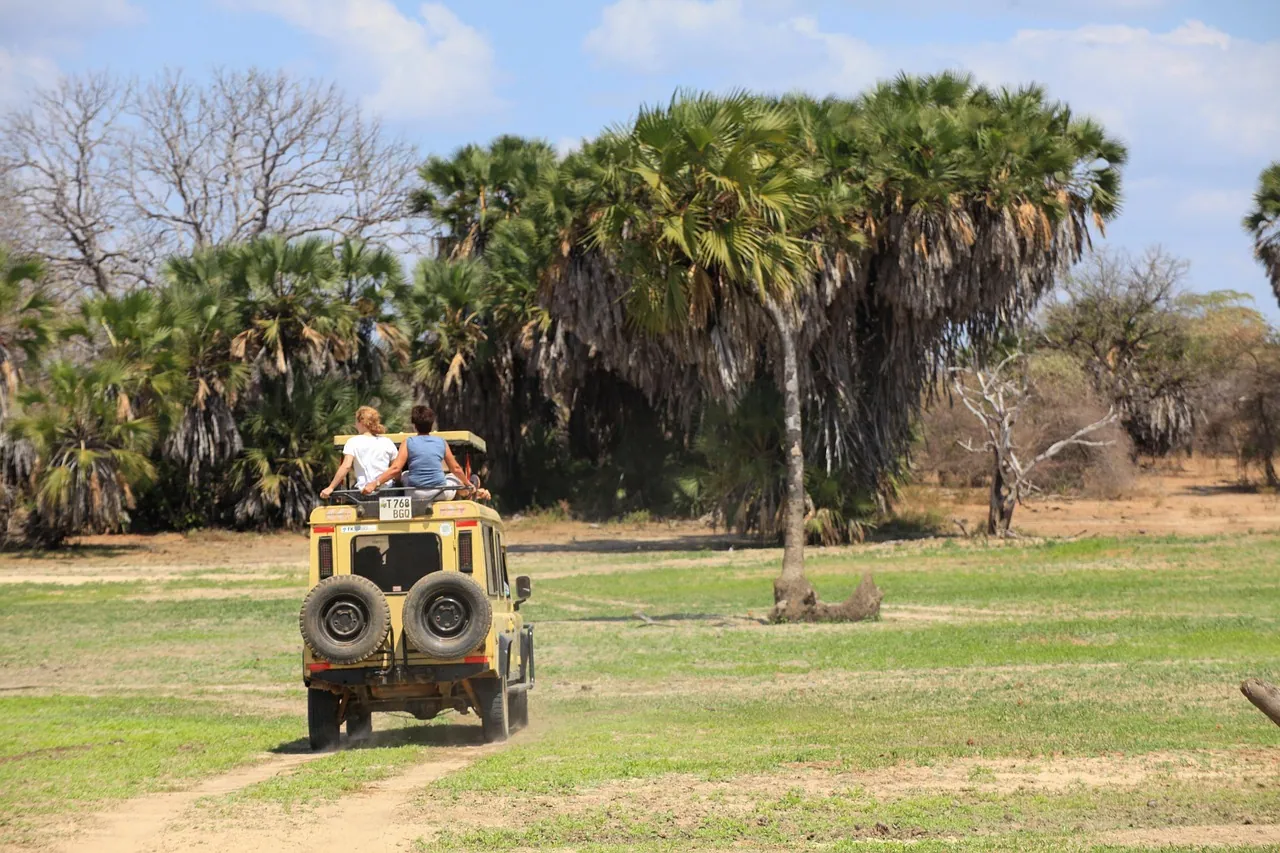
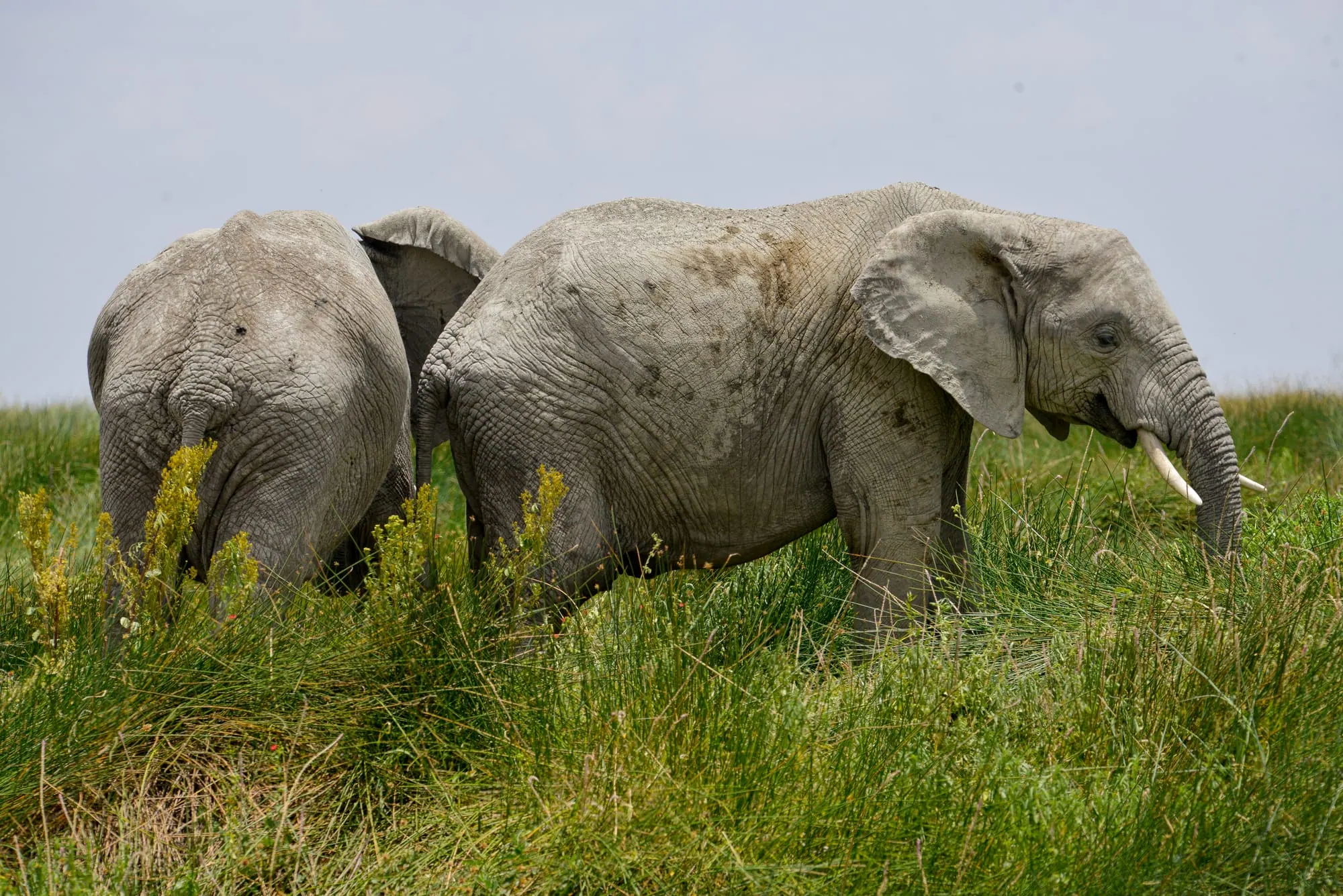
Wildlife viewing ethics are simple. Keep your distance, keep quiet, never feed or call animals, and never leave the vehicle except where your guide says it is safe. Do not push your guide to get closer to a kill, a den or a nest, and be prepared to leave a sighting if the animals look stressed. A good guide will say no when it is the right thing to do, and a good traveller will thank them.
Conservation and park fees pay for rangers, anti-poaching work, roads and the management of protected areas. They are part of what makes a safari possible, and they should not be a surprise on your invoice. A responsible operator explains clearly what is included. When you pay park fees, you are helping to keep wild land intact as a livelihood for those who live beside it.
Camp life has a footprint too. Water and energy at camp are limited, so take short showers, switch off lights and charge devices sensibly. The Tanzania plastic bag ban, introduced in 2019, means you should not bring plastic carrier bags into the mainland, and a refillable bottle is better than buying bottles of water. Take your rubbish with you from the vehicle and stay on tracks.
10
Choosing an operator with real local roots
Responsible travel in Tanzania is easier when your operator shares the values. A locally owned safari operator keeps decisions, jobs and profit in the country, and usually has stronger relationships with camps, guides and communities. Ask who owns the company, where the office is, who your guide will be and whether the guides and camp staff come from Tanzania. Honest answers are a good sign.
Look for operators who pay and treat staff fairly, support local guides in their careers and explain their tipping and park fee arrangements clearly. Notice whether an operator talks about people by name, whether they take your questions seriously and whether they will say no or suggest changes to your plans. Be wary of big claims about community work with no detail behind them.
We are happy to answer these questions directly, and we hope every operator you consider will do the same. Whoever you choose, ask them. Your questions tell the industry what travellers want, and the more people ask, the more the better operators are rewarded. Travel slowly, listen well and leave places a little better than you found them.