
Big, rugged and almost empty: Tanzania's wildest lion country
Ruaha National Park
The place
Big, rugged and almost empty: Tanzania's wildest lion country
At 20,226 km², Ruaha is one of the biggest national parks in Tanzania and one of the great protected wildernesses of the continent. It is also one of the quietest, which is the surprise. Down in the remote south, East African and southern African ecosystems meet here, so the animal list reads differently from anywhere on the northern circuit. Everything revolves around the Great Ruaha River, which cuts through the middle of the park and decides where life gathers.
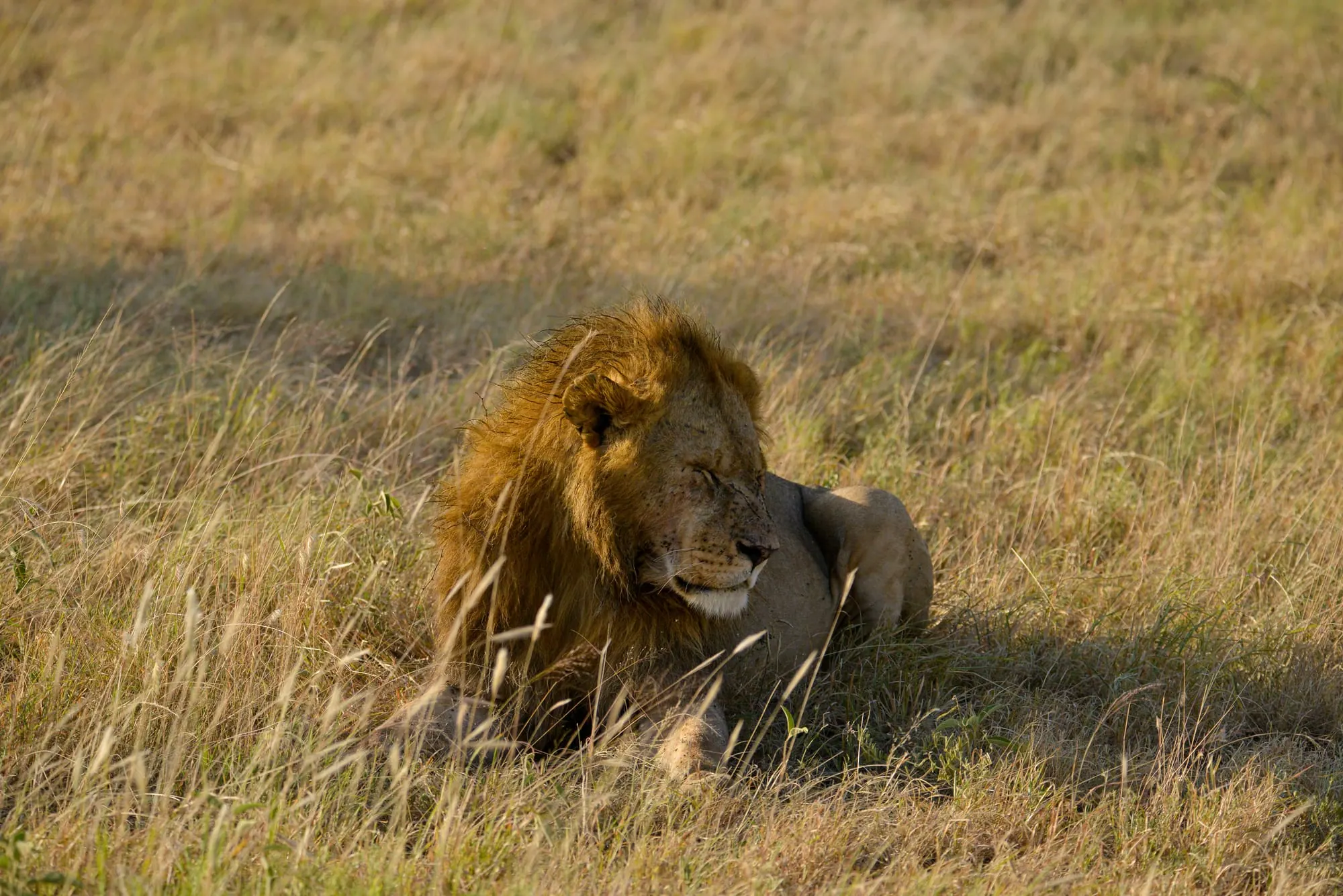
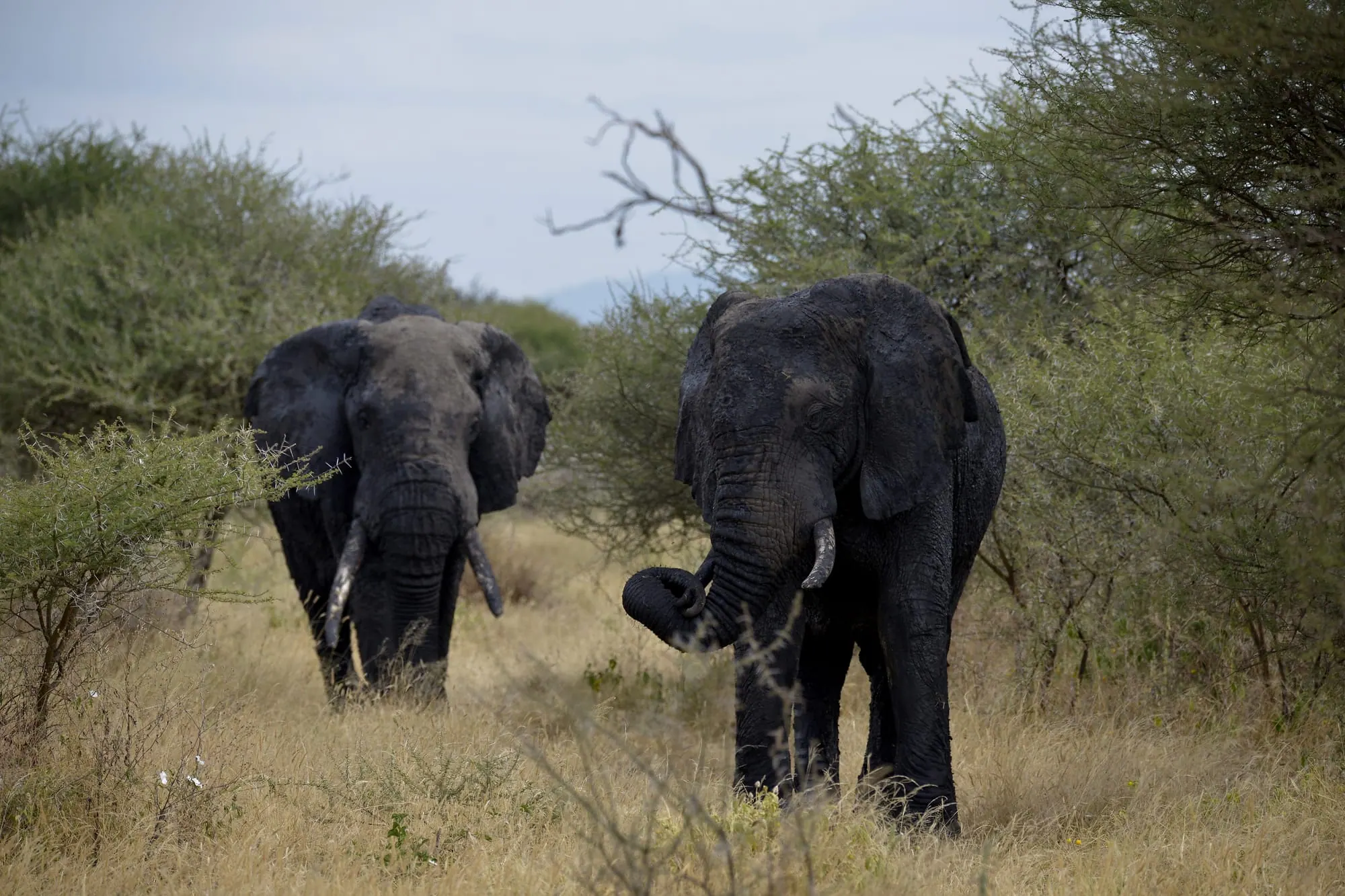
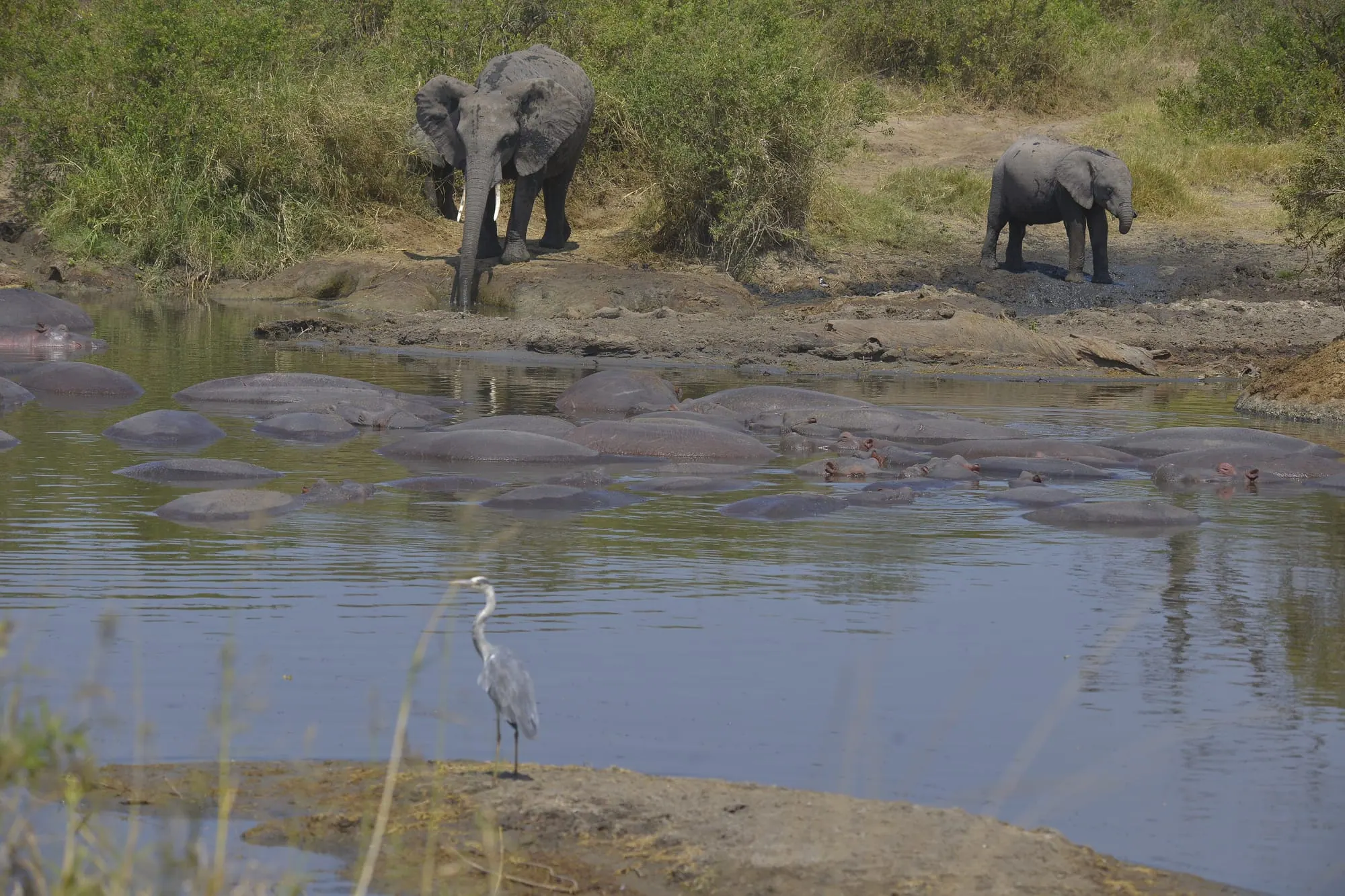
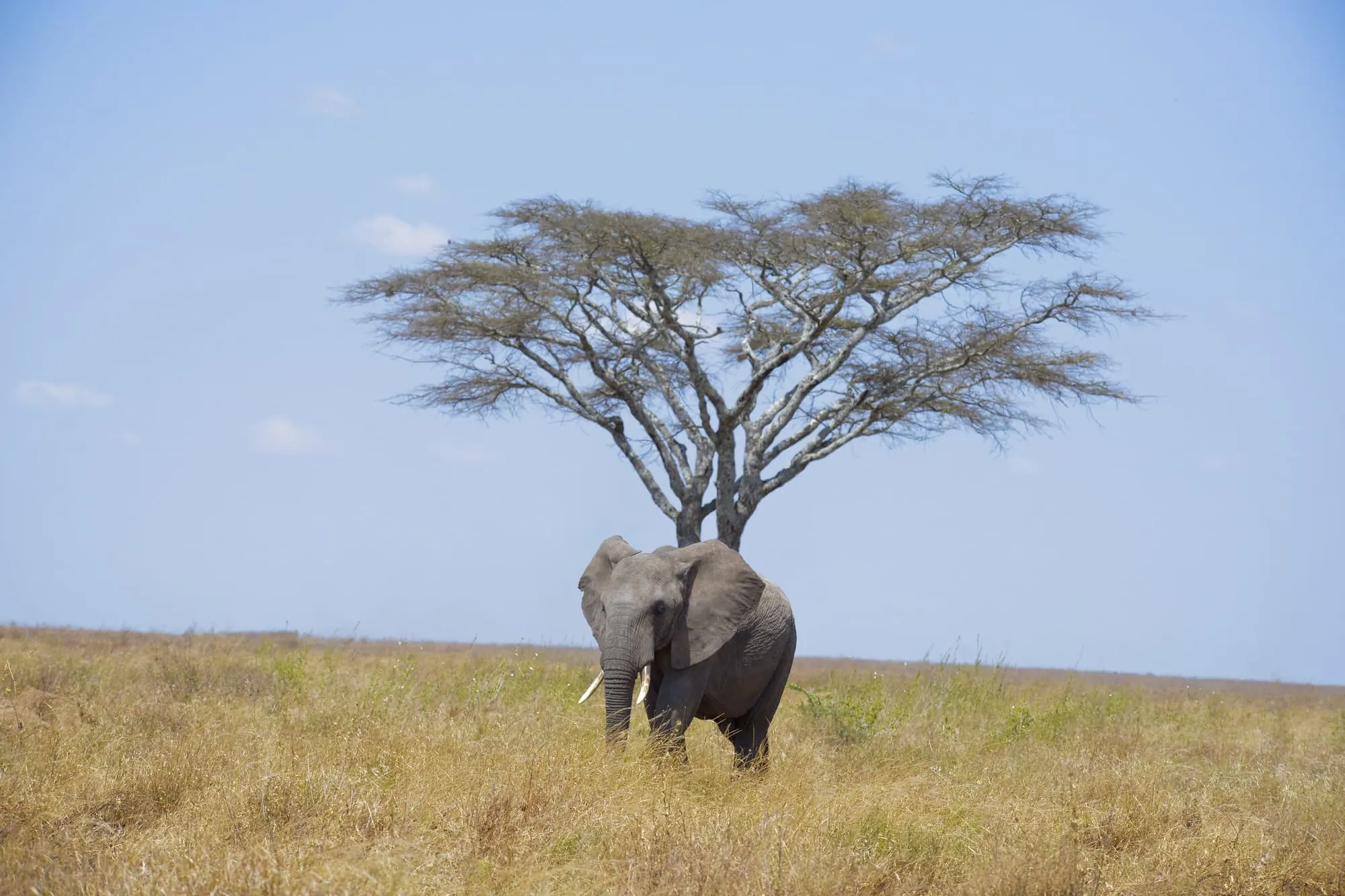
The numbers are striking. Ruaha is thought to shelter around a tenth of the world's remaining lions, one of the densest populations anywhere. Endangered African wild dogs run here in good numbers, leopards are as common as in far more famous reserves, and elephant herds counted in the thousands move to and from the river through the year. Greater and lesser kudu, roan and sable antelope round out a roster you rarely get on the Serengeti side of the country.
Few people make the journey, so the drives feel properly wild. Watching a pride settle in for the afternoon or a wild dog pack work through the bush without another vehicle in view is normal rather than lucky. The scenery is its own draw: baobabs stud the hills, riverine woodland follows the water, and rocky escarpments frame the horizon, a rougher, more textured landscape than the open plains of the north. Guided walks are possible in some areas for anyone who wants to meet the terrain on foot.
June to October is the time to come. The river shrinks, and the animals that depend on it squeeze into the channels that remain. Distance shapes the trip too: most visitors arrive by light aircraft rather than a long road transfer. Ruaha suits seasoned safari-goers and anyone wanting a true off-the-beaten-track chapter, and it is often paired with Nyerere as the two anchors of a southern circuit.
- One of the densest lion populations on the continent
- Endangered African wild dogs on patrol
- Elephant herds in the thousands along the river
- Roan and sable antelope you will not meet in the north
- Baobab hills and escarpments with hardly a vehicle in sight
Ready when you are
Plan a trip to Ruaha National Park
- Jun, Jul, Aug best
Tell us your dates and group. We reply with a tailored itinerary and a clear, personal quote, with no obligation.
- Best months
- Jun, Jul, Aug, Sep, Oct
- Wildlife
- Lion, Leopard, Cheetah, Wild Dog, Elephant, Buffalo, Roan Antelope, Sable Antelope, Hippo
- Size
- 20,226 km²
- From Arusha
- 625 km
Gallery
Ruaha National Park in pictures
Safaris
Safaris that include Ruaha National Park
Where to stay
Stay near Ruaha National Park
Summit
Ikuka Camp
Perched on rocks overlooking the Ruaha River, this exclusive camp lies within a vast park that few travellers ever reach.
Ridge
Ruaha River Lodge
Spread along the banks of the Great Ruaha River inside one of Tanzania's biggest national parks, a place that still sees far fewer visitors than the northern circuit.
Questions
Good to know
Scale, solitude and species. It is Tanzania's biggest park yet sees few visitors, and its mix of eastern and southern African wildlife brings kudu, roan and sable antelope into the picture alongside very strong lion, wild dog and leopard numbers.
From June to October. As the Great Ruaha River shrinks, wildlife concentrates along what water remains, so sightings are easier and more frequent.
The remoteness means most travellers take a light aircraft rather than make the long road journey. The park lies roughly 625 km from Arusha.
Yes. Walking safaris run in several parts of the park for guests who want a closer feel for the landscape alongside the vehicle drives.
Very naturally with Nyerere, which together form the core of a southern Tanzania circuit that feels nothing like the classic northern route.
Plan your time in Ruaha National Park
Tell us when you want to go and we will shape the trip around it.