
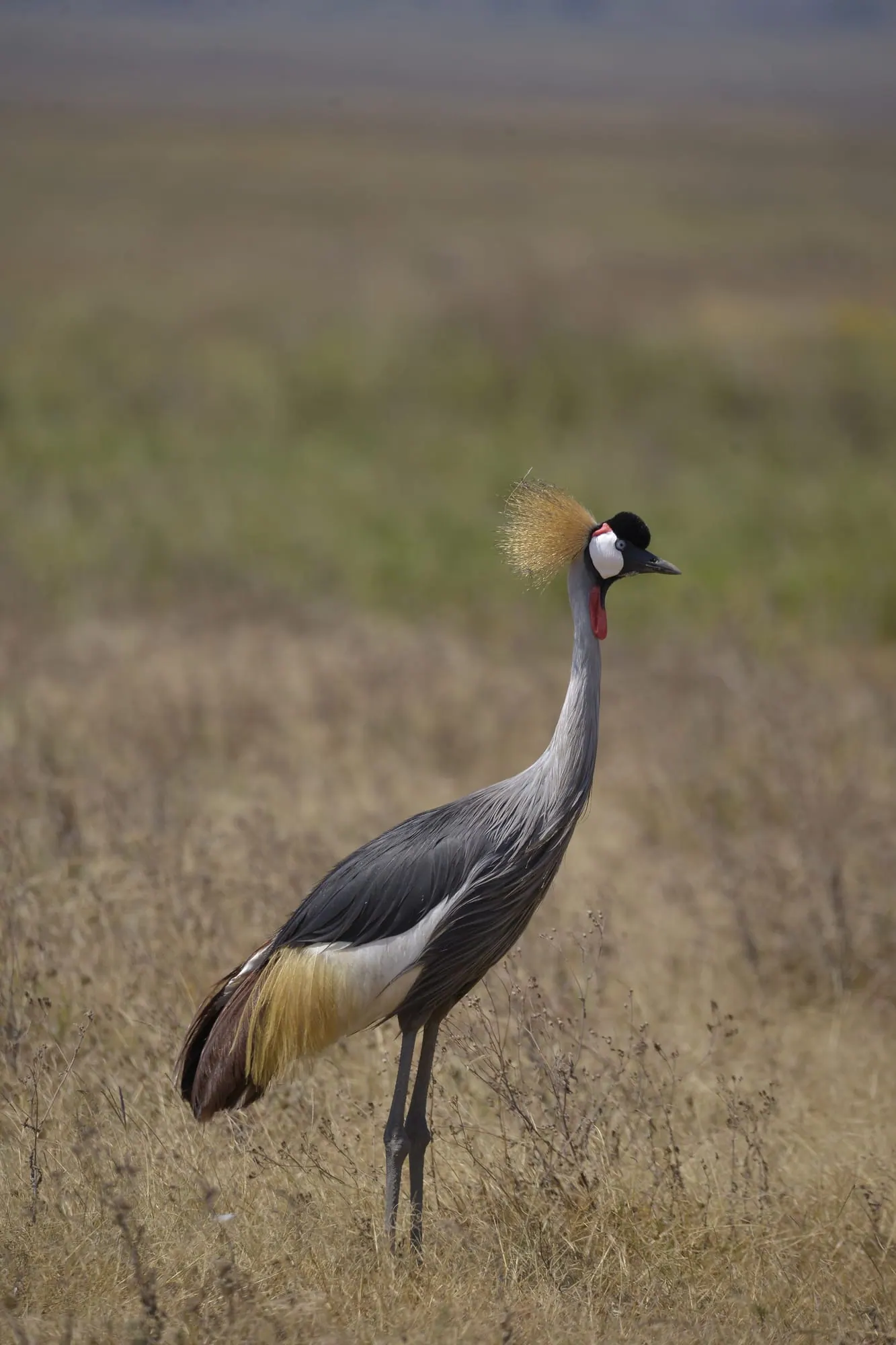
Birdwatching
Birdwatching Safari in Tanzania
More than a thousand species, and a safari paced for those who look closely
- Duration
- Tailor-made
- Location
- Manyara, Tarangire, Serengeti and the south
- Season
- November to April adds the northern migrants
- From
- $1,525 per person
The experience
More than a thousand species, and a safari paced for those who look closely
From the flamingo shores of Lake Manyara to raptors over the Serengeti and fish eagles on the Rufiji, Tanzania is a leading birding country. This itinerary runs slower and follows dawn and dusk activity, for travellers who want depth over distance.
- More than 1,000 recorded species nationwide
- A specialist birding guide
- Flamingos at Lake Manyara and raptors in the Serengeti
- Can be added to any safari or a Nyerere boat trip
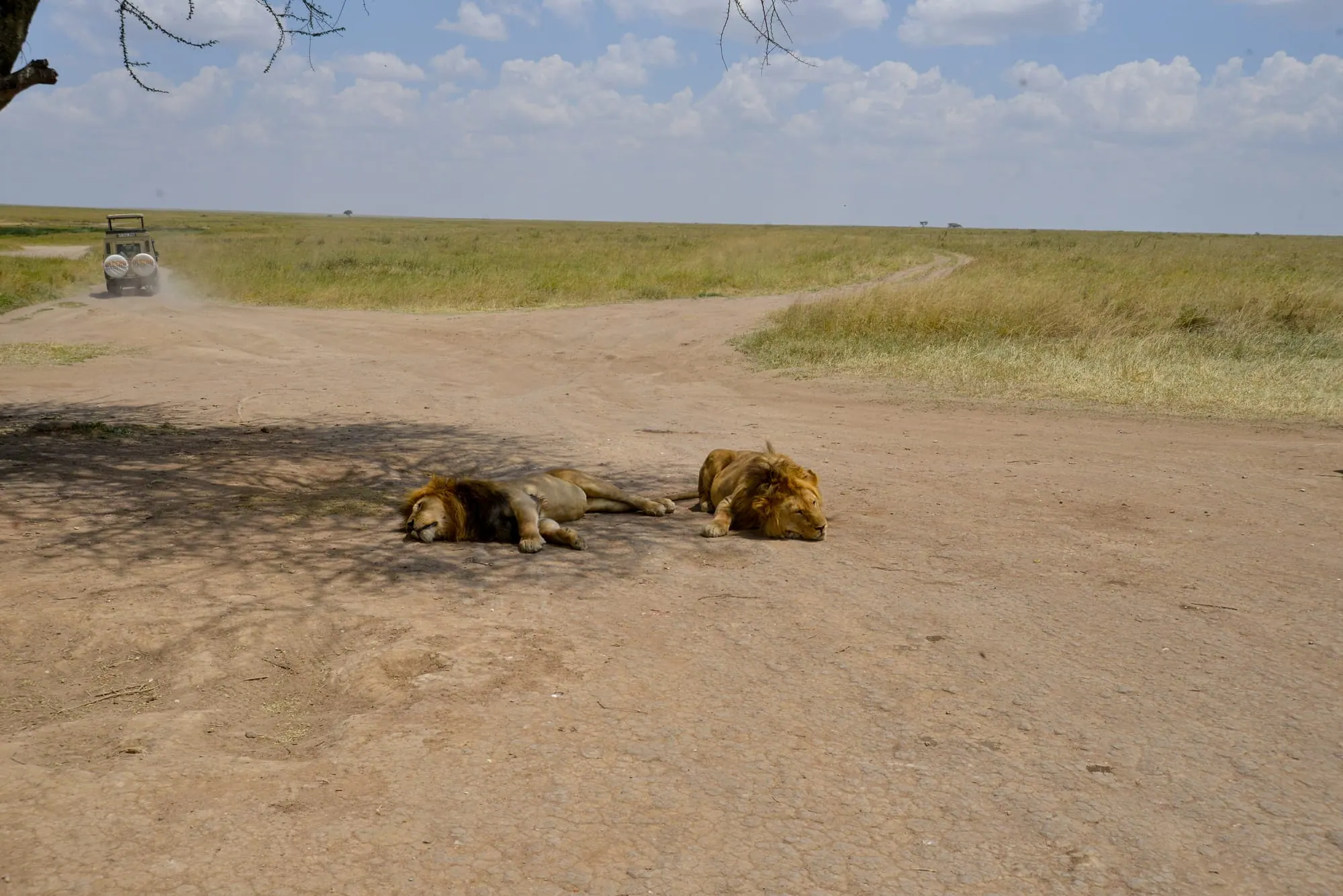
Every birder recognises the moment priorities diverge. Other vehicles crowd around a dozing lion, yet your guide quietly swings onto a side track because something small and improbable stirred in a sausage tree. Seconds later a Von der Decken's hornbill fills your binoculars, and the lion is forgiven for napping.
Tanzania is one of Africa's great birding countries, with more than 1,000 recorded species across a wide spread of habitats: soda lakes edged in pink with flamingos, riverine forest, open savanna, miombo woodland, mountain forest and coast. A birding safari reorders the usual priorities so that the most varied group of wildlife comes first, without losing the elephants, who tend to stroll through the middle of the birding anyway.
What a birding safari means
In structure, it is a private safari led by a specialist guide, paced by when birds are active: early starts, slower drives with long stops, walks where parks allow them, and time divided by habitat instead of by big-game circuit. A typical sequence might open with the groundwater forest of Lake Manyara, move to the swamps of Tarangire for the afternoon, and then spend several days on the Serengeti plains among larks, coursers and skies busy with raptors.
Each trip is built to order, so your wish list sets the route. Birders who want breadth will find enormous variety on the northern circuit. Dedicated listers head south for the miombo specialities of Ruaha and the rivers of Nyerere, where boat trips offer the country's finest chance at kingfishers and bee-eaters. Big game still happens: you give up nothing except impatience.
Why birders should look here
**The numbers are continental in scale.** More than a thousand species are recorded, dozens of them found nowhere else: think of Fischer's lovebird darting between acacias, or the grey-breasted spurfowl picking its way across the Serengeti kopjes. A well-routed fortnight can pass 400 species without heroics.
**Watching is wonderfully easy.** Wide open country, dense bird numbers and creatures unbothered by vehicles create an ideal place to learn. Kori bustards display next to the track, lilac-breasted rollers pose as though on commission, and secretarybirds stalk the grass at eye level from the pop-up roof.
**It suits mixed company.** When one partner birds and the other does not, few countries balance the day so well. While the birder fills notebooks, the other person sees lions and leopards on those very same drives, and both return home convinced the trip was designed around them.
When to come
Jan to Dec
Birding turns the usual safari calendar on its head. **November to April** is the high season: Palearctic visitors flood in from Europe and Asia, resident species nest in their showiest plumage, and the lush countryside buzzes with sound. That it overlaps with wildebeest calving in the south is a bonus, giving you predators and passerines in the same morning.
**June to October** is still excellent. Residents, raptors and waterbirds stay, and dry-season game viewing peaks for the non-birders in the vehicle. The trade-off is no migrants and less breeding colour. Anyone chasing a long tally should visit during the wetter months and bring a light rain jacket.
A day in the field
5:45 AM
Dawn chorus with coffee
The best birding hour starts at the lodge itself, since gardens and camp edges count as habitat.
6:30 to 11:00 AM
The long morning drive
Unhurried birding with the engine switched off, working through one habitat after another, from forest fringe to swamp edge to open grassland. Dozens of new birds can join the list within an hour.
Midday
Lists over lunch
Records are updated, field guides are argued with, and the afternoon habitat is chosen.
3:30 to 6:30 PM
A second habitat
A contrasting ecosystem to the morning's, such as the edge of a soda lake, a river corridor or rocky kopje country, stayed with until the sun sinks low and golden.
Dusk
Nightjars and owls
Where lodges and rules allow, the night shift closes the day: nightjars on the tracks and owls calling in the dark.
How the cost is worked out
Every birding safari is custom-built and priced one at a time, since route, season, guide expertise and pace differ too widely for a useful flat rate. At heart it is a private safari, which means costs in that range, adjusted by the factors listed here.
- **The specialist guide:** the most valuable line in the budget. Ears matter more than optics, and theirs are remarkable.
- **Route ambition:** a week of birding around the northern circuit costs about the same as a standard private safari, whereas extending into the southern parks brings in flights and remote camps.
- **Pace and length:** birding rewards slow travel with fewer lodges, longer stays and less repositioning, which offsets some of the specialist premium.
- **Season:** the November to April high point coincides with the green season, so lodge prices tend to be softer than during busy July.
Included
- Specialist birding guide and private 4x4
- Park fees and full-board lodging
- Boat safaris where the route includes them
- Checklists and spotting support
Not included
- International flights and visas
- Gratuities
- Personal optics and field guides
- Travel insurance
What to bring
Bring your own binoculars, a pair per person, with 8x42 the sweet spot for safari birding. A good East African bird guide proves its worth daily, whether printed or on a phone: the app is quicker at sunrise, while the paper copy settles the arguments over lunch. A spotting scope helps at soda lakes and on the plains if you own one, and ours can be arranged. Otherwise the usual neutral safari clothes apply, plus a rain layer in migrant season.
- Binoculars, 8x42, one pair each
- East Africa field guide, book or app
- Spotting scope if you have one
- Notebook or listing app
- Neutral clothing and sun protection
- Light rain layer for November to April
Gallery
In pictures
Journeys
Safaris built around this
Questions
Good to know
A focused week on the northern circuit usually records 250 to 350 species, and a well-routed two weeks across north and south can top 400. Three things shift the count: the time of year (migrant months add dozens), the range of habitats you visit, and how frequently the non-birders aboard persuade the group to stop for a lion.
The reverse. Tanzania is arguably one of the best places in the world to start, because the birds are big, bold, colourful and close. With an expert guide introducing rollers, hornbills and bee-eaters over your first week, the hobby takes hold for good, and newcomers frequently go home carrying a first life list and a fresh obsession.
It is one, in effect. The vehicle passes the same lions and elephants, and also stops for the small things. For mixed groups we set the balance openly: birds in the morning and cats in the afternoon, or dedicated birding days within a classic itinerary. Nobody is held hostage.
From November to early April, with February and March at their best: visiting Palearctic species are present in force, resident birds wear breeding colours, and the calving season unfolds in the south close by. Pack a rain layer and accept the odd dramatic sky; the light after a storm is a photographic bonus.
Because a figure that means anything simply cannot be given. Seven days in the north with a birding guide costs a very different amount from a fortnight that also flies to Ruaha and Nyerere. Tell us your dates, the habitats you want and any species you refuse to miss, and we will price an actual itinerary.
Yes, there are dozens of endemics and near-endemics. The easiest ones to find on standard safari circuits are the ashy starling in Tarangire, Fischer's lovebird, and the grey-breasted spurfowl among the Serengeti kopjes, while the southern parks and the Eastern Arc mountains hold a fuller set if your route heads there.
Over 1,000 species have been logged, among them dozens of endemic and near-endemic birds, for instance Fischer's lovebird and the grey-breasted spurfowl. Seven dedicated days typically yield 250 to 350 species, and two carefully planned weeks can go beyond 400.
Birdwatching Safari in Tanzania
Add it to a safari or build a trip around it. We will take care of the details.