
Photography Safari
The Photographer's Safari
Light, patience and position, for people who count keepers not sightings
- Duration
- 7 to 12 days
- Location
- Serengeti, Ndutu and Ngorongoro
- Guide
- A guide who positions the vehicle for the picture
- From
- $4,000 per person
The experience
Light, patience and position, for people who count keepers not sightings
An itinerary run on the photographer's clock: first-light departures, longer stays with each subject and a vehicle set up for shooting. Suitable for keen enthusiasts through to professionals.
- Long, unhurried sessions at productive sightings
- Schedules built around golden hour
- A guide who understands light and backgrounds
- Vehicles with hatch or window-level support available
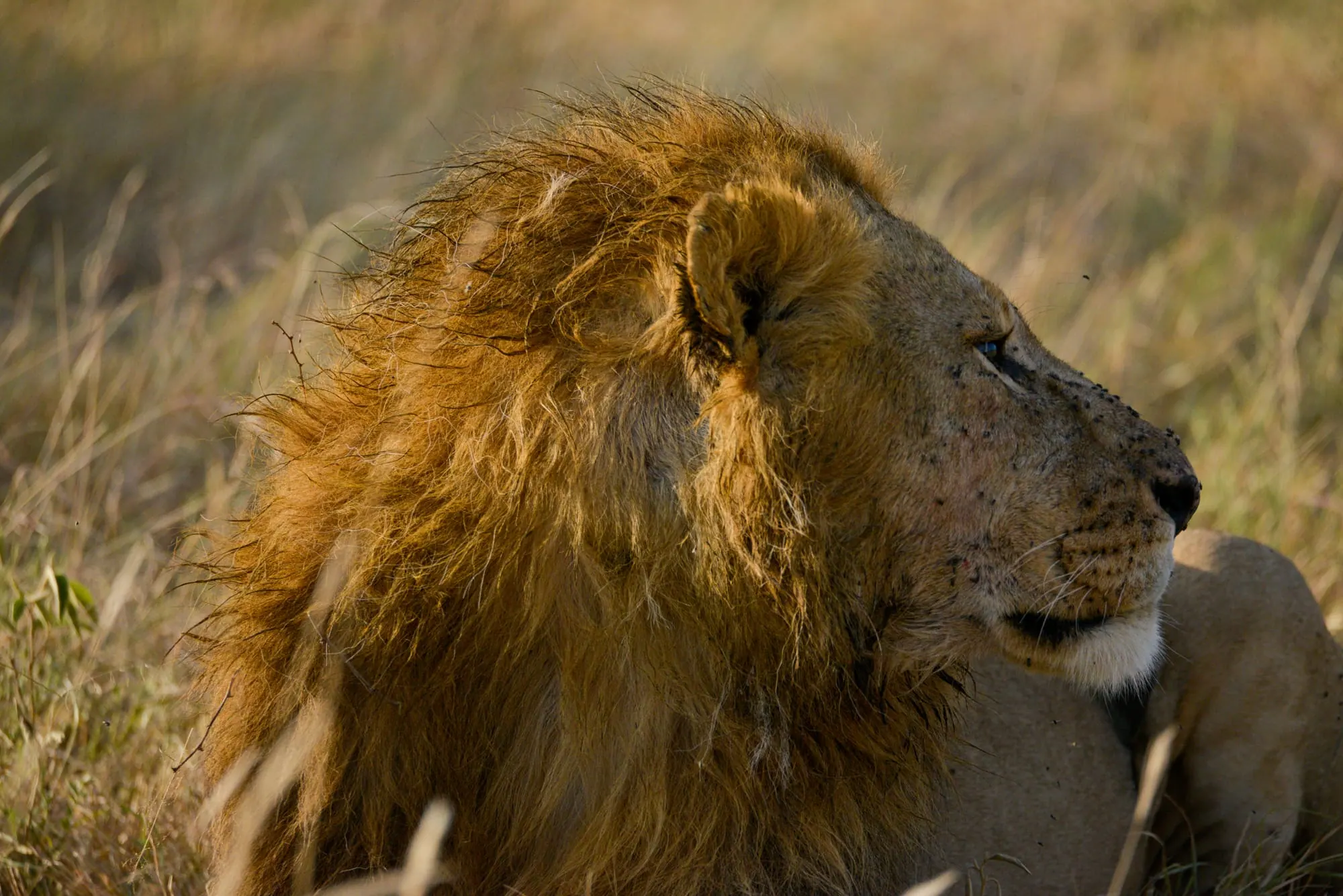
Pulling up beside a lion is something any driver can do. What separates a photographic safari is what happens next. The guide kills the engine and rolls forward two more metres so the light crosses the lion's face instead of lying behind it. Nobody calls time after a minute and a half. Instead you wait, five minutes, then twenty, then forty, since sooner or later the lion will yawn, and that yawn in golden light justifies hauling eleven kilos of glass halfway around the planet.
This is not an ordinary safari with extra camera talk. It is a separate kind of journey, keeping its own hours and weighing every choice differently, from the vehicle and the timetable to which sightings you pass by and which you will not abandon. Here is how it works, when light and action coincide, and what shapes the price.
What changes on a photographic trip
The key difference is intent. An ordinary safari aims to see as much as possible, while a photographic one aims to capture fewer subjects at a far higher standard. On the ground, that translates into setting off at first light instead of after breakfast, a guide who judges the sun's angle and the backdrop before positioning the vehicle, long sessions at good sightings, and a vehicle set up for shooting with window-level support, room for gear, charging for batteries and, above all, fewer people inside.
Routes follow photographic potential too: the short-grass plains at Ndutu in calving season for predators, the Seronera river lines for leopards, the crater floor at Ngorongoro for portraits against hazy blue walls, and the migration crossings for the most explosive action frames in Africa.
Why a dedicated trip beats improvising
- Position is impossible to fix later. What separates a snapshot from a portfolio image tends to be a thirty-degree shift in where the vehicle sits, plus the willingness to hold out for behaviour. Aboard a mixed-interest safari you cannot count on either, because others aboard have seen enough of the leopard.
- Time is what you are really spending: action erupts after long stretches of calm, be it a hunt, a take-off or a greeting. Anyone who gives a single cheetah family two hours will regularly beat the photographers who rush through twenty sightings at four minutes each.
- The guide is half the picture: one who anticipates behaviour, reading a tail flick, an ear angle or vultures gathering two kilometres off, has you parked and silent before it happens, not during.
Choosing your light
Jan to Dec
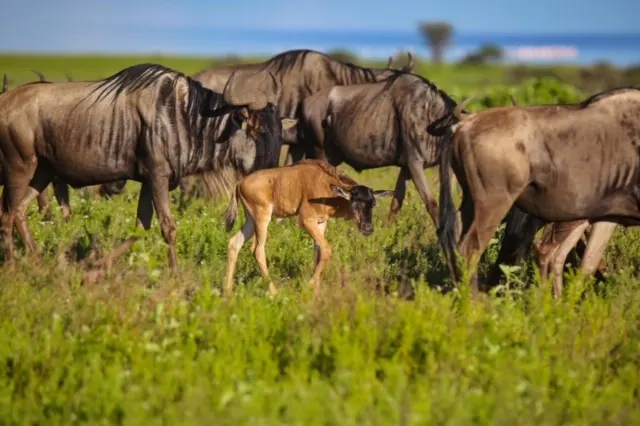
Calving season at Ndutu, from January to March, offers perhaps the best chance in Africa to photograph predators: cheetah and lion hunt every day over open short grass, under brooding storm clouds, with newborn animals all around. From June to October the greenery gives way to dust, glowing backlight and the river crossings; light turns harsh by mid-morning, but the action is unmatched.
The contrarian choice is April, May and November. Yes, it rains, yet showers deliver dramatic skies, rainbows, washed air, verdant backdrops and hardly another vehicle beside you at a sighting. Lower rates can also pay for extra days, which help a portfolio more than perfect weather. No season is poor here; each simply yields a different set of pictures.
How a day runs
5:15 AM
Leave in the dark
You head out before first light to reach the target area as the sky changes. Coffee travels with you.
6:00 to 10:30 AM
Golden hour and the long sit
The demanding session: dim light, hunting predators and willingness to stick with a single animal as events unfold.
Midday
Edit, charge, rest
In the harsh-light hours at camp you back up cards, make first edits, charge everything and compare notes.
3:30 to 6:45 PM
Afternoon session
You go out again as the light softens, working backlight and dust into sundown and staying out to the legal limit for dusk frames.
Evening
Review over dinner
The day's best frames on a laptop, and a plan for tomorrow based on what the bush is doing now.
What shapes the price
Photography itineraries cost more than a comparable standard safari, and the extra buys specific things. Lemala Safaris will confirm figures for your dates.
- Fewer seats filled in each vehicle: a photographer wants a whole row, or the entire car, and the unoccupied seats are the fair cost of elbow room and uncluttered angles.
- Camps in the productive zones: sleeping where the action is, such as Ndutu in February or the north in August, costs more but saves golden hour from being spent in transit.
- More days: portfolios come from repetition and luck, so ten days clearly beats seven, and we would sooner add days than upgrade a lodge.
- A vehicle all to yourselves: no concessions are needed, which is why committed shooters and small photo parties usually choose it.
Included
- Photography-configured 4x4 and guide
- Park fees and accommodation
- Meals on safari
- In-vehicle charging and bean bags
Not included
- International flights and visa
- Camera gear and insurance
- Gratuities
- Drone permits (drones are tightly restricted, so ask first)
Kit
Bring the longest lens you can travel with. For tightly framed wildlife, 400mm is the realistic floor. Pairing it with a second camera body wearing a 70-200mm spares you the lens change that inevitably lands mid-action. Apart from optics, unglamorous items make or break the trip: dust protection, spare batteries, since cold mornings drain them, and twice the memory cards you expect to need. Inside a vehicle a beanbag outperforms a tripod, and we can supply those.
- Telephoto lens (400mm or longer ideal)
- Second camera body
- Bean bag support (on request)
- Dust covers and cleaning kit
- Spare batteries and extra memory cards
- Laptop or drive for nightly backups
Gallery
In pictures
Questions
Good to know
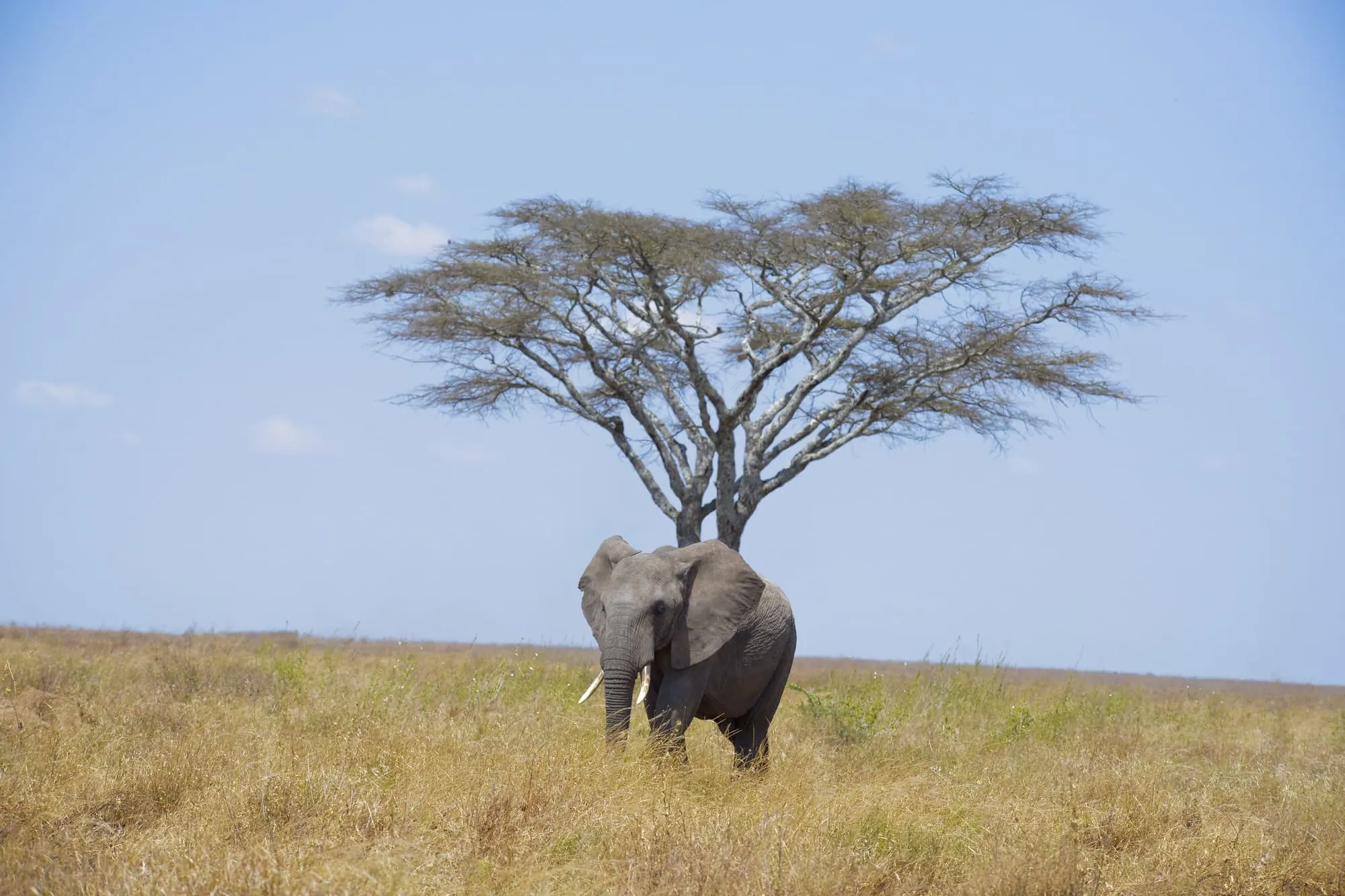
Yes. Anybody who cares about their images gets something from this format, whatever the kit. The typical guest carries advanced amateur gear, and the largest improvements, in light, position and patience, owe nothing to exotic lenses. Guides pitch their coaching to your level, from exposure basics to anticipating behaviour.
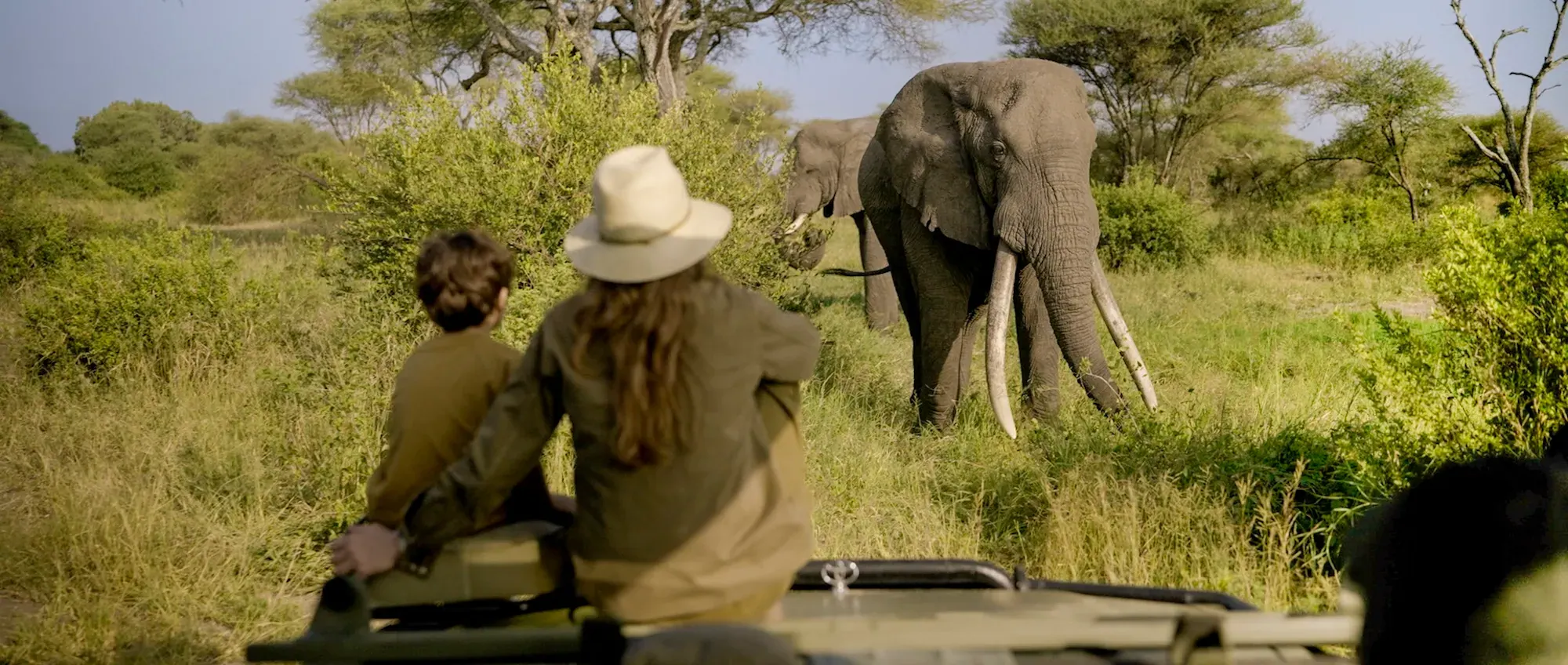
A 100-400mm or 200-600mm zoom is the most versatile safari lens. It is long enough for portraits and flexible enough for environmental frames when an elephant fills the viewfinder at thirty metres. Pair it with dust protection and more batteries than seems reasonable.
Yes. Solo photographers and small groups can book the whole vehicle, which is the gold standard, with every angle and every decision yours. Couples who shoot together often find a shared vehicle with a row each is a good balance of cost and space.
Our photography guides are chosen for photographic literacy, meaning positioning, light and behaviour, and they can help with settings and technique. For tuition-led trips hosted by a professional photographer, ask about scheduled photo-hosted departures.
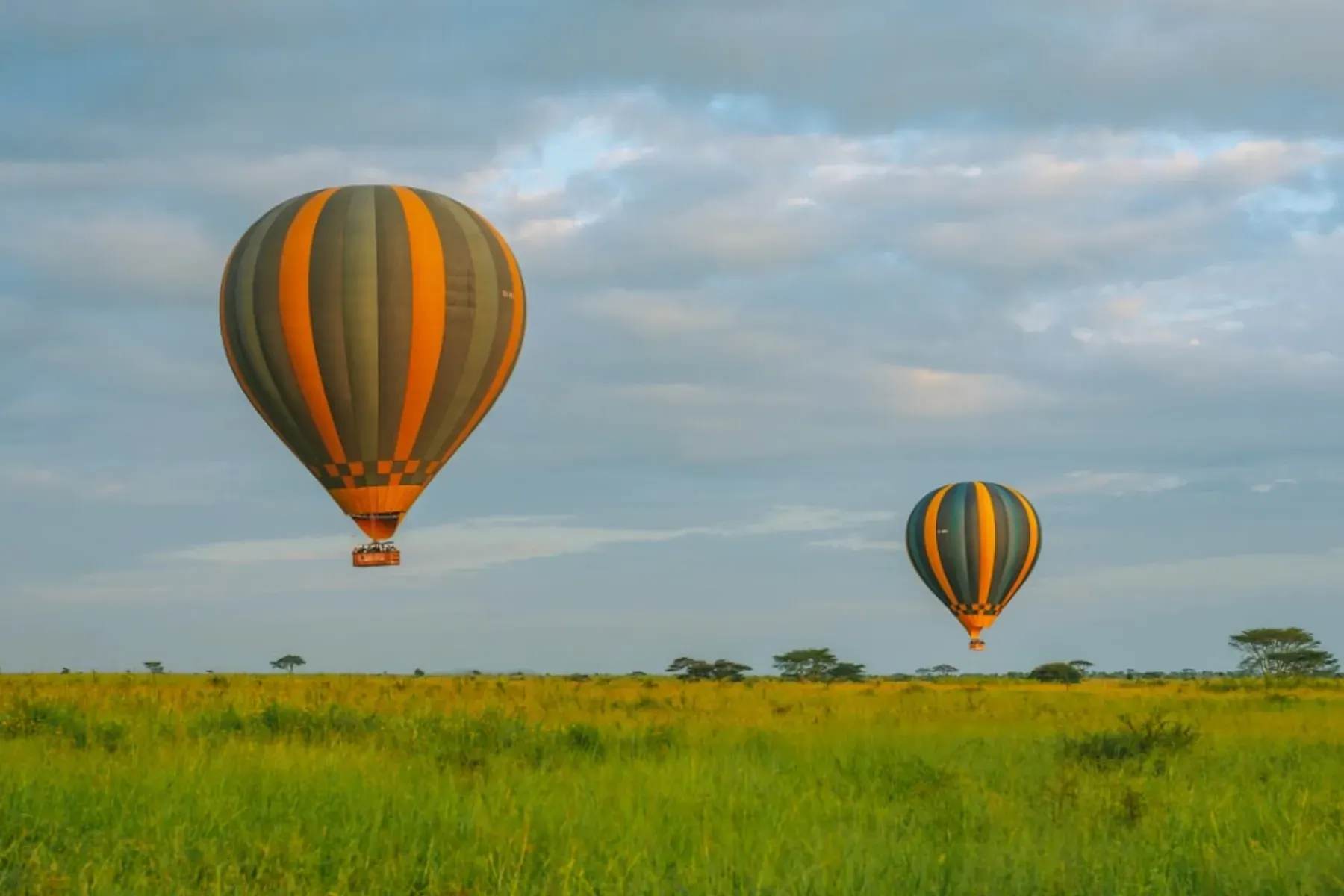
Inside Tanzania's national parks, drones are all but banned: the permits exist, yet visitors seldom receive them. Plan on leaving yours at home, and flag it early if overhead footage is central to your trip. For a lawful bird's-eye view of the Serengeti, book a balloon ride.
For predator action, February at Ndutu during calving is the strongest single answer. For dust and river-crossing drama, choose August or September in the northern Serengeti. Both deliver, just different portfolios.
Ndutu in February, for predators in action every day across open plains beneath storm light, and August to September in the northern Serengeti for crossings and golden dust. In the green months of April, May and November you accept some rain in return for uncrowded sightings and atmospheric skies.
The Photographer's Safari
Add it to a safari or build a trip around it. We will take care of the details.