
Remote Tanzania
Ruaha and Katavi: The Empty Parks
Tanzania's wide, quiet corner, with almost no one else in it
- Duration
- 5 to 8 days
- Location
- Southern and western Tanzania
- Flights
- Light aircraft access; remote by design
- From
- $4,300 per person
The experience
Tanzania's wide, quiet corner, with almost no one else in it
Beyond the northern circuit lie two huge parks where lion prides are big, buffalo and elephant gather in numbers and wild dogs roam. Rugged and unhurried, they are reached by light aircraft and best for travellers who want the bush without queues.
- Some of the largest lion prides in the country
- Wild dog sightings, with denning in the dry months
- Katavi's rivers and pools packed with hippos
- Small camps reached only by light aircraft
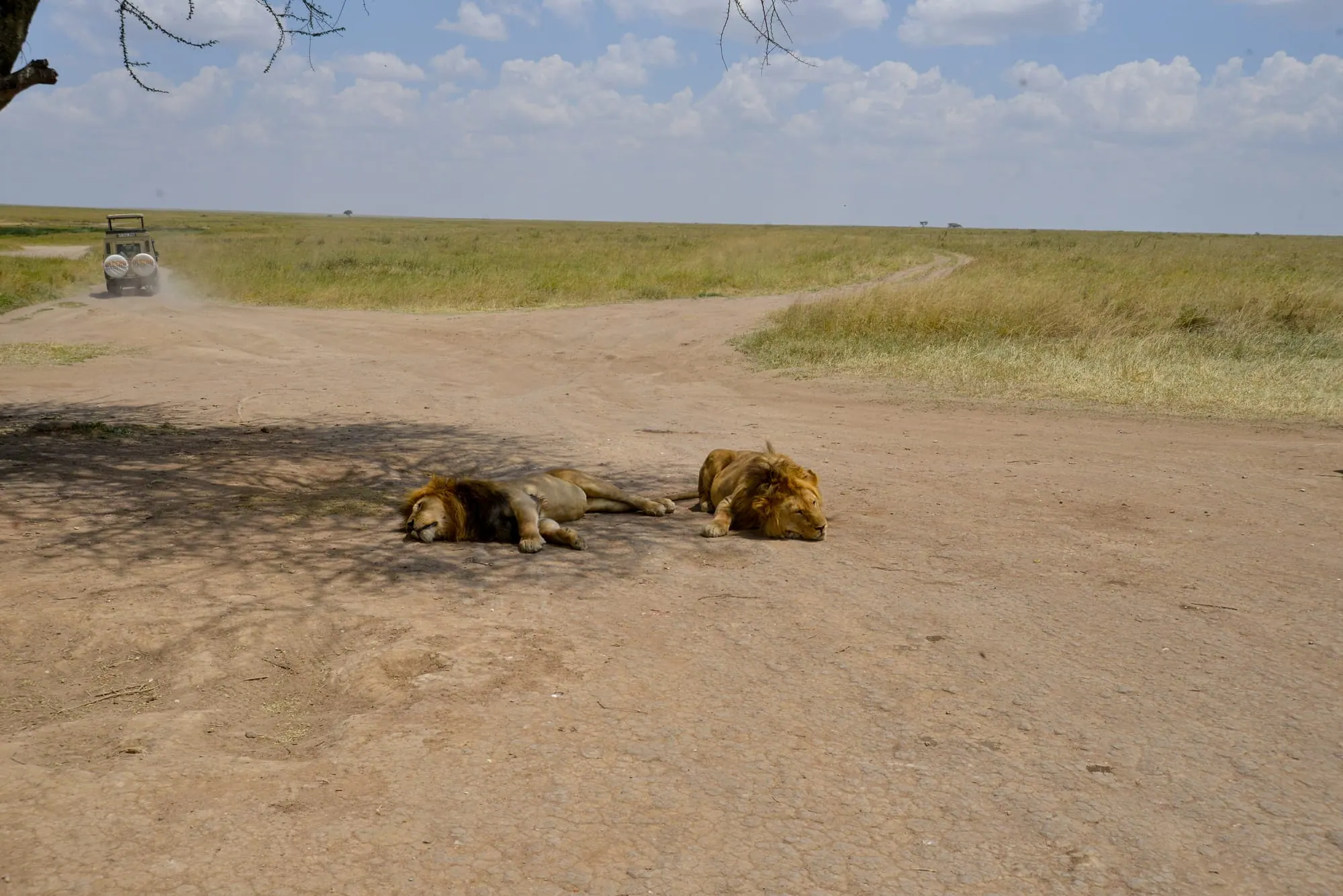
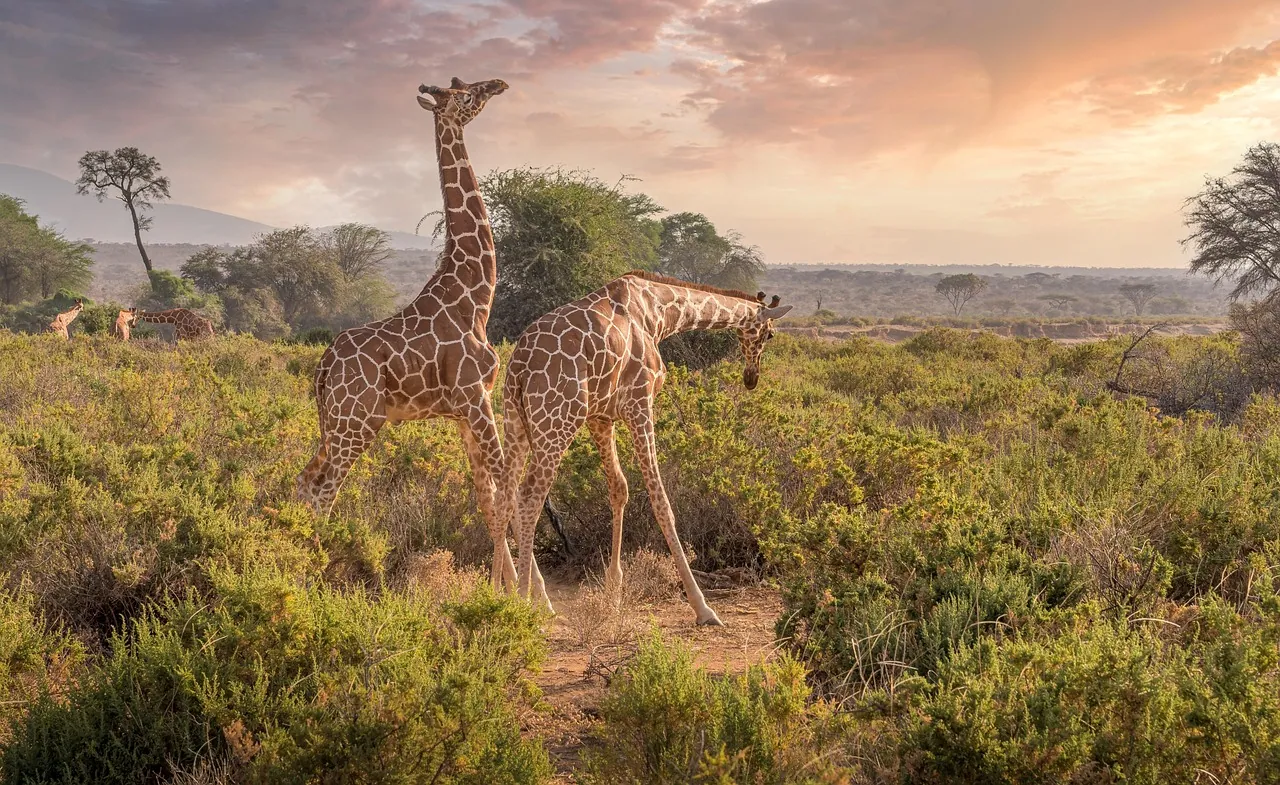
Ruaha wins people over in one scene. You are parked by a river with a pride of lions strewn along the bank, twenty or more, like guests after a long party. Then it dawns on you what is absent: engines, other vehicles, a single person. You scan the horizon and only giraffes are moving. The sighting is entirely yours.
Ruaha and Katavi show Tanzania with the crowd taken out. At Ruaha, one of Tanzania's biggest national parks, the terrain is dry and rugged, of baobabs and sand rivers that shelters about ten percent of the continent's lions. Katavi lies further west and is harder to reach. Its visitors number only in the hundreds each year, and in the dry months hippos crowd into shrinking pools by the hundreds while buffalo herds run into the thousands. Here is both parks in plain terms, including who should skip them.
What the trip involves
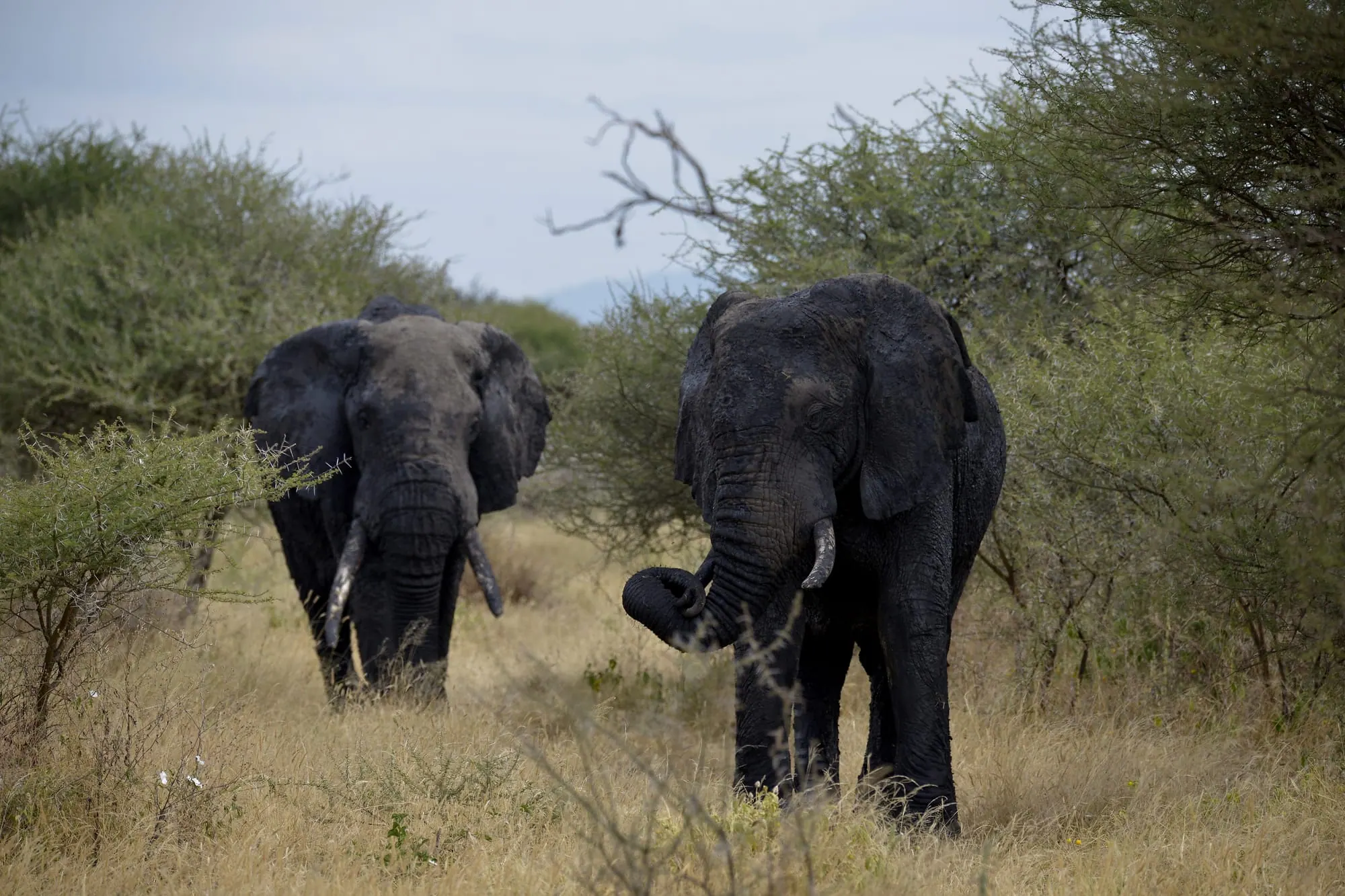
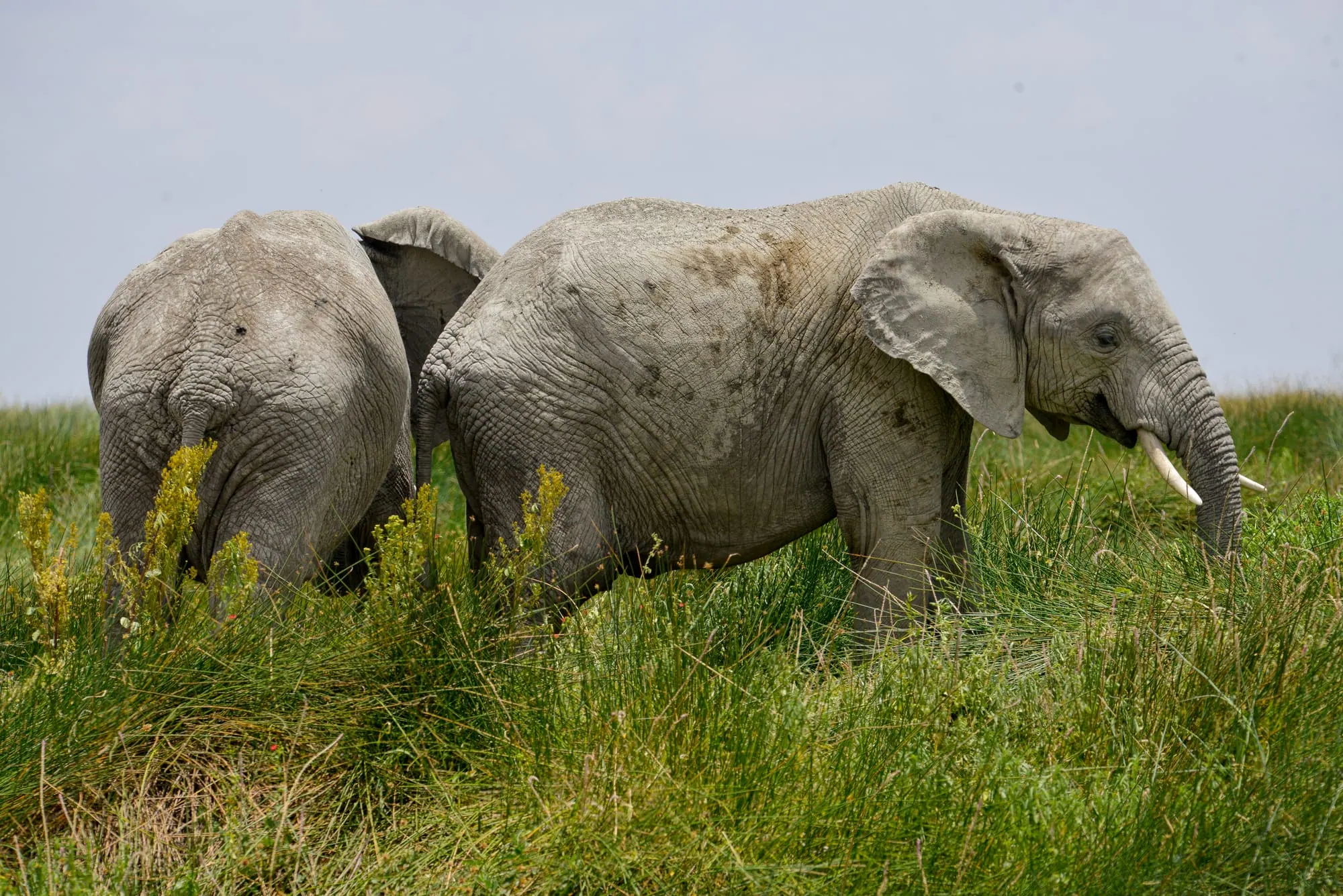
You fly by light aircraft to the remote south and west and stay in a handful of small bush camps. Ruaha looks nothing like the north: rocky escarpments, ancient baobab woodland and dry riverbeds of sand, where elephants scoop out wells once the rains stop. Wildlife follows the Great Ruaha River and its tributaries. Expect very large lion prides, leopard and cheetah, plus African wild dog in some of the best numbers anywhere in the region.
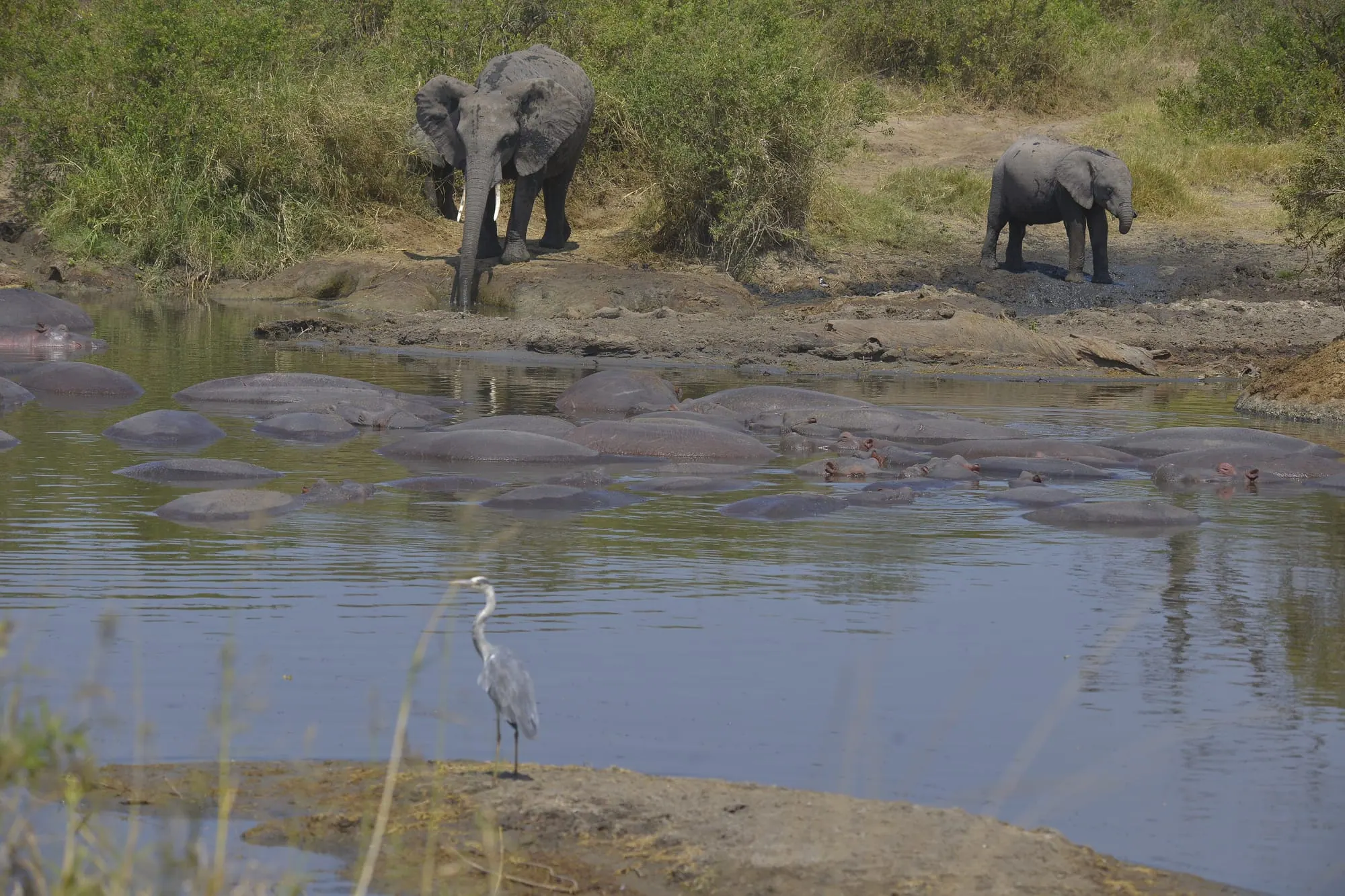
Go further in and you reach Katavi, a floodplain where the dry months unfold as a drawn-out emergency. When the water shrinks, every animal is squeezed toward what is left. Hippos jam into the last muddy pools, crocodiles sleep through the heat in riverbank burrows, and buffalo sweep the plains with lions never far behind. It is raw and at times brutal, and few people ever see it.
Why make the effort
**The emptiness is built in.** These parks are quiet because distance and flight costs keep numbers low, not because you timed it well. Camps are few and small, and you will often enjoy superb sightings without another vehicle for the entire day.
**The wildlife stands up by itself.** This is not a case of fewer animals but more privacy. The lion prides here rank among the biggest anywhere, wild dog sightings are a realistic aim, and Katavi's dry-season hippo gatherings are one of Africa's most overlooked sights.
**It brings back a feeling the north can lose.** Experienced safari-goers often say this is the trip that reminded them why they love Africa: the sense of being a small guest in something vast, not part of an audience at a managed show.
Timing
Jan to Dec
Few places in Tanzania are as seasonal. **June to October** is the window: water shrinks, animals gather along the rivers, the bush thins out, and Katavi's floodplain drama builds toward a September and October peak. If you are travelling this far, travel then.
**November to March** turns the parks green, scatters the game and brings excellent birding. Ruaha still rewards repeat visitors who know what to look for, but several camps close and Katavi all but shuts as its floodplains fill. **April and May** are best avoided. In short, this is dry-season country.
A day in camp and bush
6:00 AM
Coffee while the bush wakes
Camps are unfenced and lively at first light. Elephants crossing the sand river are an ordinary breakfast view.
6:30 to 11:00 AM
A long morning drive
You work the river lines where everything gathers: lions, elephants digging wells and, with luck, wild dogs.
Midday
Rest like the lions
Return to camp while the heat peaks. Around noon the doves rule Ruaha, along with whoever has claimed a hammock.
4:00 to 7:00 PM
Afternoon into dusk
Gold light on the baobabs, buffalo heading for water, and sundowners with a view that runs for miles.
Night
Sounds of an open camp
Lions calling along the river, hyenas nearer than you expect, and a Milky Way with nothing to compete against.
What drives the cost
Remoteness has a price. Fly-in itineraries cost more than road-based ones, and the combined routes that include other southern parks vary with length and camp choice.
- **Getting there means flying:** a light aircraft out of Dar es Salaam, or a connection via Arusha, is all but unavoidable. Katavi demands a further leg, so it works best as an add-on to Ruaha rather than a lone stop.
- **Small camps:** Because each camp has twelve tents or fewer and meals are fully included, deep in the bush and far from supply lines, nightly rates reflect the logistics.
- **Length of stay:** flight schedules make three or four nights per park a sensible minimum, and a Ruaha and Katavi combination needs seven days or more.
- **Season:** September and October are priciest. June and early July offer the same space at slightly softer rates.
Included
- Light aircraft flights as set out in the itinerary
- Park fees and full-board bush camps
- Shared game drives (private on request)
- Guided walks where camps offer them
Not included
- International flights and visas
- Gratuities
- Premium drinks at some camps
- Travel insurance
Packing notes
The usual dry-season safari kit applies, with three local points. Small aircraft require soft bags of about 15 kg. Parts of both parks hold tsetse flies, which are drawn to blue and black, so cover up with long sleeves and trousers in muted earth tones. And June to August evenings in Ruaha's dry air turn properly cold, so bring the fleece you nearly left behind.
- Soft duffel under 15 kg
- Neutral long sleeves and trousers, no blue or black
- Warm fleece for cold dry-season nights
- Binoculars, since distances are large
- High-SPF sunscreen and a hat
- Strong insect repellent
Gallery
In pictures
Questions
Good to know
Usually not. First trips do well in the north, where wildlife is dense and infrastructure is deep. Ruaha and Katavi suit those already familiar with how bush days flow, who prize room to breathe and depth over ticking off species. The exception is a seasoned wilderness traveller who would resent queues of vehicles; start here and you may never look back.
Nobody can promise them, as packs cover enormous ranges, but Ruaha counts among the more realistic spots in the region to search, as it supports a significant population. Denning, roughly June to August, ties packs to a fixed site and improves the chances. Guides share sightings between camps, and a longer stay helps.
They are different kinds of safari. The Serengeti offers open plains at vast scale, the migration and the infrastructure around it. Ruaha is rugged, baobab-studded and rich in predators, while Katavi is a dry-season pressure cooker. You give up the migration and polish in return for solitude, big prides and a sense of having Africa to yourself.
Yes, and that is the classic western loop: fly to Ruaha for three or four nights, hop to Katavi for about three, then return. Eight days does it properly. Katavi alone seldom justifies the flight, but as the second act after Ruaha it is excellent.
Yes. Remote here means small and distant, not basic. Expect real beds, private bathrooms with hot water, cold drinks and good food, all within open, unfenced camps, so the bush begins right outside your canvas door. What you give up is choice, as each park has only a few properties.
Camps and guides follow the same professional standards as in the north, with radio and air links for rare emergencies. The usual rules for unfenced camps, such as escorts after dark and listening to your guide, apply as they do across wild Africa. Remoteness changes the atmosphere, not the safety margin.
June to October, without question. Shrinking water pulls wildlife onto the rivers, and Katavi builds to a hippo and buffalo climax in September and October. These are dry-season parks, and April and May are effectively closed.
Keep exploring
More experiences
Ruaha and Katavi: The Empty Parks
Add it to a safari or build a trip around it. We will take care of the details.