
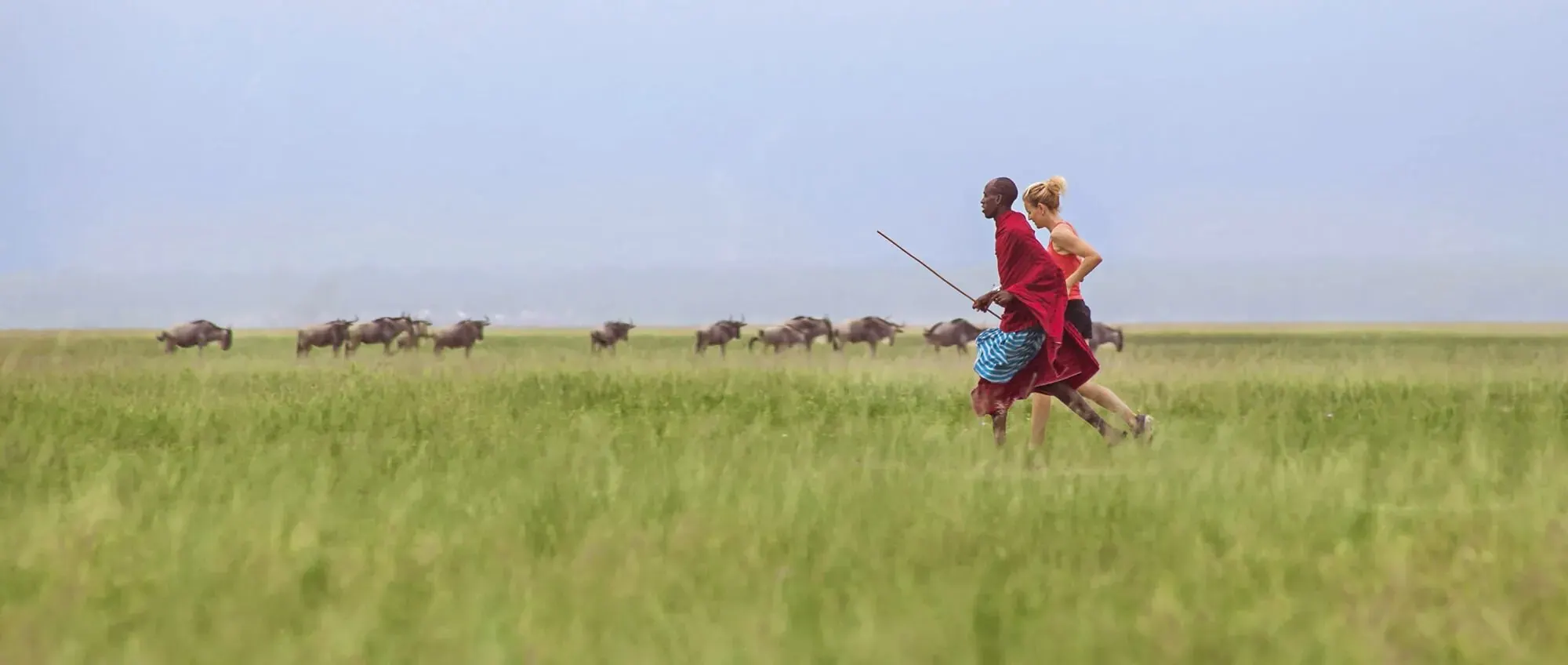
Culture and wildlife
Hadzabe, Datoga and Maasai Encounters
Meet the people who have lived beside the wildlife the longest
- Duration
- 4 to 7 days
- Location
- Lake Eyasi, Ngorongoro and Tarangire
- Guide
- Community-led visits with local translators
- From
- $1,350 per person
The experience
Meet the people who have lived beside the wildlife the longest
Elephants in Tarangire and the Big Five of Ngorongoro Crater, set beside respectful, community-led time with the Hadzabe, the Datoga and the Maasai. Meetings are arranged with the hosts, not staged for visitors.
- A morning forage with Hadzabe hunter-gatherers
- The Datoga blacksmiths' forge at Lake Eyasi
- Ngorongoro Crater and Tarangire game drives
- Visits led by the communities, with local translators
Before the heat builds, you set off on foot behind a pair of Hadzabe hunters, crossing acacia scrub close to Lake Eyasi. Their stride wastes nothing, and they murmur what the earth tells them in a click-studded tongue. One stops and gestures at a thing invisible to you; a short while on, there is honey, coaxed from inside a tree cavity with smoke from an ember that was brought along wrapped in a leaf. Nothing is being performed. For a short while you are inside a morning that has run this way for thousands of years.
Tanzania is known for its animals, but its human story is just as remarkable: upwards of 120 distinct peoples, among them a few of the final hunter-gatherer societies left on earth. Handled badly, cultural tourism turns people into exhibits. Handled properly, with the community in charge, fair payment and no script, it is the part of a safari many travellers find most moving. This page explains the difference and how it sits alongside wildlife.
What you will encounter
The core itinerary weaves three meetings into a northern-circuit safari. Beside **Lake Eyasi** a morning belongs to the **Hadzabe**, among the world's last true hunter-gatherers, joining a real forage or hunt at whatever distance you prefer. Nearby live the **Datoga**, herders famed for their smithing, who welcome you into their homesteads and workshops to watch brass and iron take shape over bellows, using a craft older than any machine you own. Around the parks, **Maasai** homesteads offer the most accessible visit: family compounds, a cattle-centred way of life and an economy increasingly tied to conservation.
How a visit is run matters more than where. Meetings are arranged with the communities, not laid on for arriving vehicles. Interpreters come from the area, pictures are taken only with permission, and the fee is paid straight to your hosts. What you attend is authentic, so it also owes you nothing. Some mornings the honey turns up within twenty minutes, and some mornings the bees win.
Why give it a day
**It changes how you see everything else.** The Hadzabe read the same land you have been photographing, but as larder, pharmacy and chart. Once you have walked that morning, the bush on later drives seems inhabited, readable and much older than before.
**These cultures are at a turning point.** Only around a thousand Hadzabe remain, and just some of them still live mainly by foraging. Few economic options let their traditions survive on their own terms rather than turn into an exhibit, and one of them is a considerate visit that the hosts shape and profit from directly.
**Children remember it.** Young travellers who politely enjoyed the lions often come home talking about trying a Hadzabe bow or watching a Datoga bracelet appear from scrap metal. Meeting people beats spectacle at every age, and most of all for them.
Best time
Jan to Dec
Visits run all year, since daily life has no low season, so timing follows the safari around them. **June to October** gives dry comfort and easy roads to Eyasi, while **November to February** turns the landscape green and thins out the traffic. The long rains make the roads harder going than the visits themselves.
A word on pace: the Hadzabe morning follows Hadzabe time. Hunts are real, so they may be long or short, may end empty-handed, and always happen on foot as the heat builds. The dry months make that walk easier.
A sample itinerary
Day 1
Tarangire
Baobab country and elephants in large numbers, the wildlife overture.
Day 2, dawn
Morning with the Hadzabe
Take part in an authentic foraging outing by Lake Eyasi, with bows, edible roots, wild honey and a lesson in how to read the land.
Day 2, midday
The Datoga forge
Bellows, brass and arrowheads at the workshops of the smiths who have equipped this valley for generations.
Day 3
Ngorongoro Crater
A dawn descent for the Big Five, with Maasai cattle sharing the rim road.
Day 4
A Maasai homestead, then home
A visit on the way back: how a cattle economy works, beadwork, and questions flowing both ways.
What shapes the cost
A single village stop is a modest add-on to any northern safari, while a full Eyasi day with both communities costs more because it needs an overnight stay and a dedicated local guide.
- **Community fees are the point:** a real share of what you pay goes straight to the host communities, which keeps visits welcome and worthwhile.
- **Group size:** these meetings do not scale. Small private groups pay a little more per person and get visits that feel personal.
- **How deep you go:** a village stop is cheap; the whole Eyasi experience with the Hadzabe and Datoga and a local translator fills a day on its own.
- **The safari around it:** the wildlife part follows ordinary safari pricing, set by parks, lodges and season.
Included
- Community and cultural visit fees
- Local guides and translators
- Park fees, guide and 4x4
- Meals and accommodation as specified
Not included
- International flights and visas
- Gratuities
- Craft purchases (bring small notes)
- Travel insurance
Visiting well
A few habits separate guests from spectators. Always ask before photographing someone; your guide will help, and buying a craft or leaving a tip after a portrait is a fair exchange. Dress modestly, join in when invited instead of watching from the edge, and buy beadwork and blades directly from the people who made them, which is the most direct economic act of your trip. Carry small notes, as forges and homesteads do not take cards.
- Small-denomination cash for crafts
- Modest, comfortable clothing
- Walking shoes for the Hadzabe morning
- Sun hat and sunscreen, since Eyasi is hot
- Curiosity first, camera second
- Water bottle for the forage walk
Gallery
In pictures
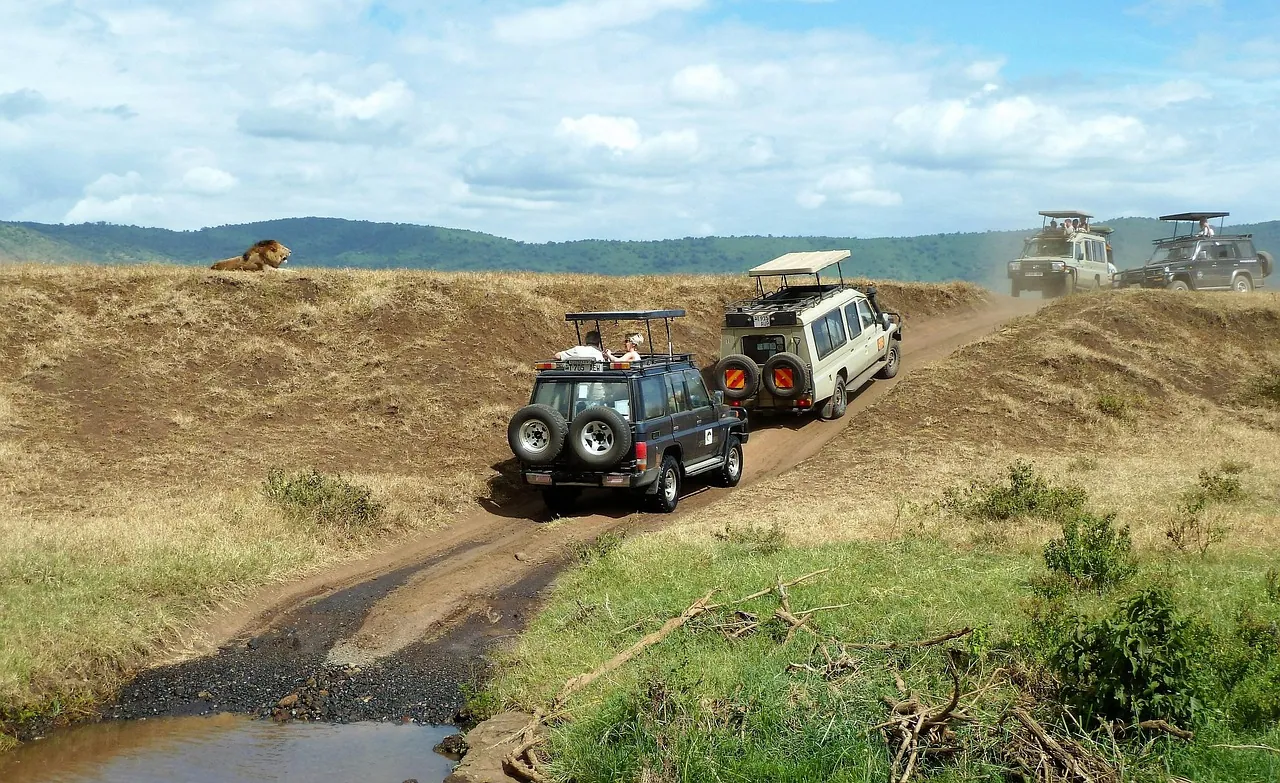
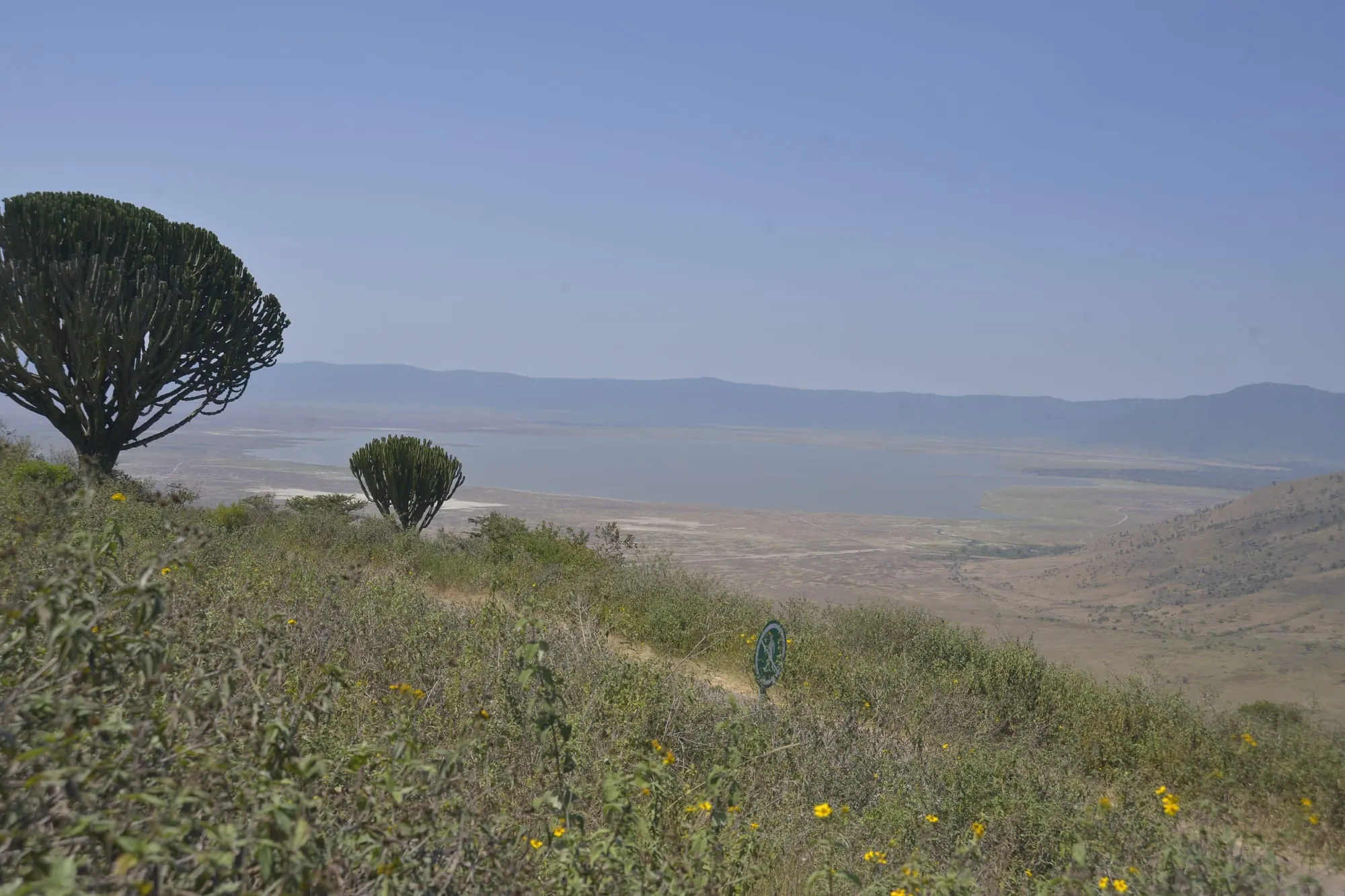
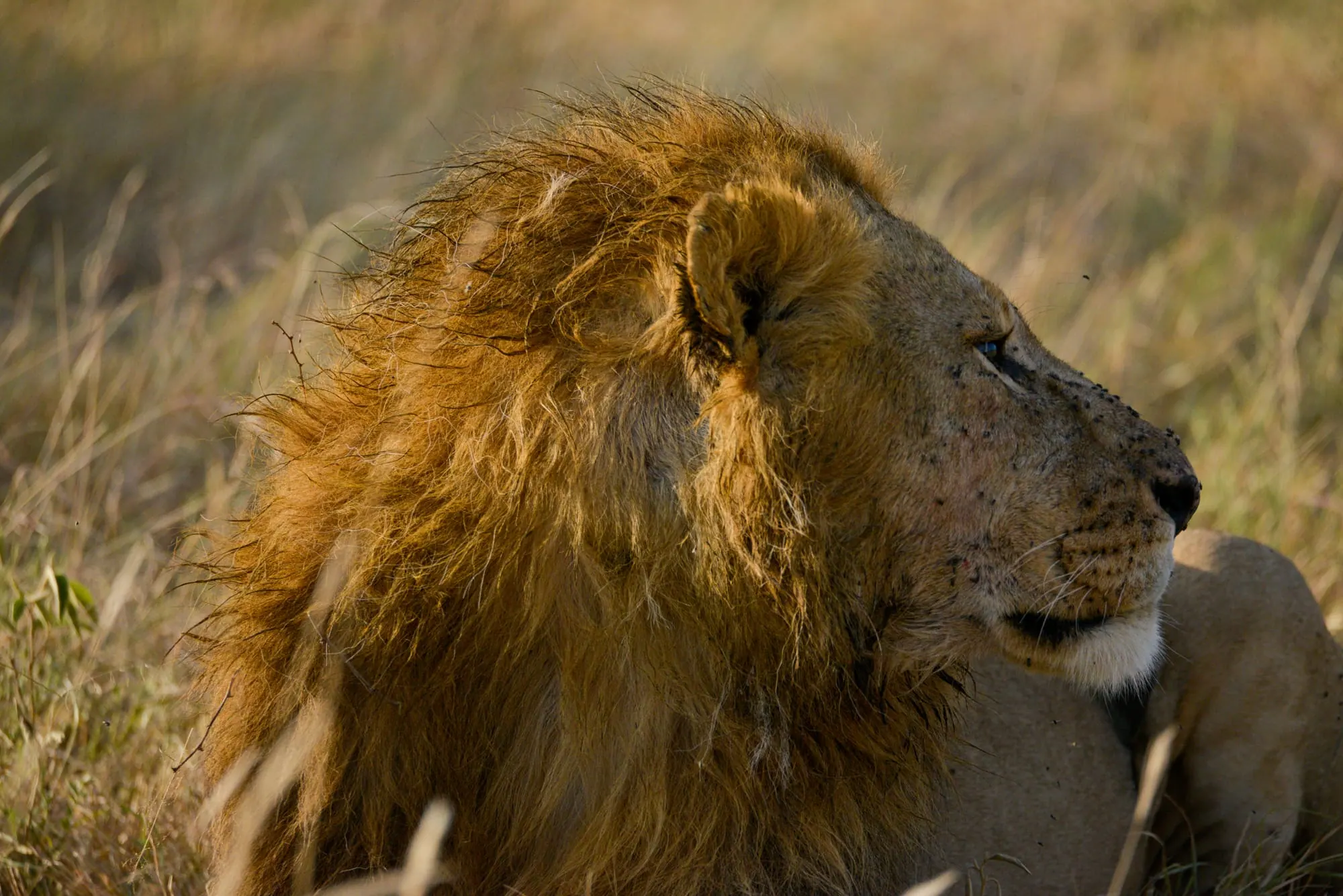
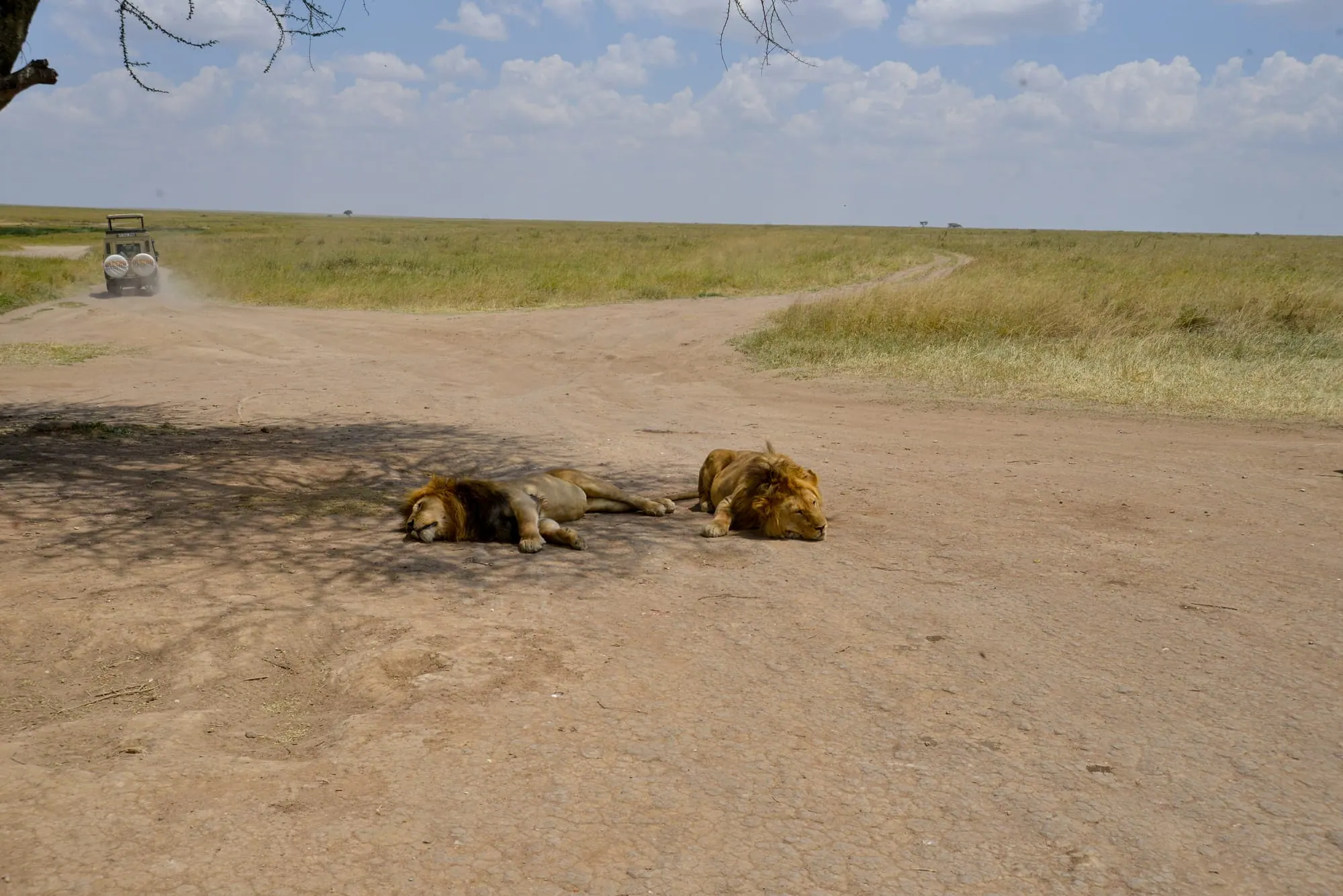
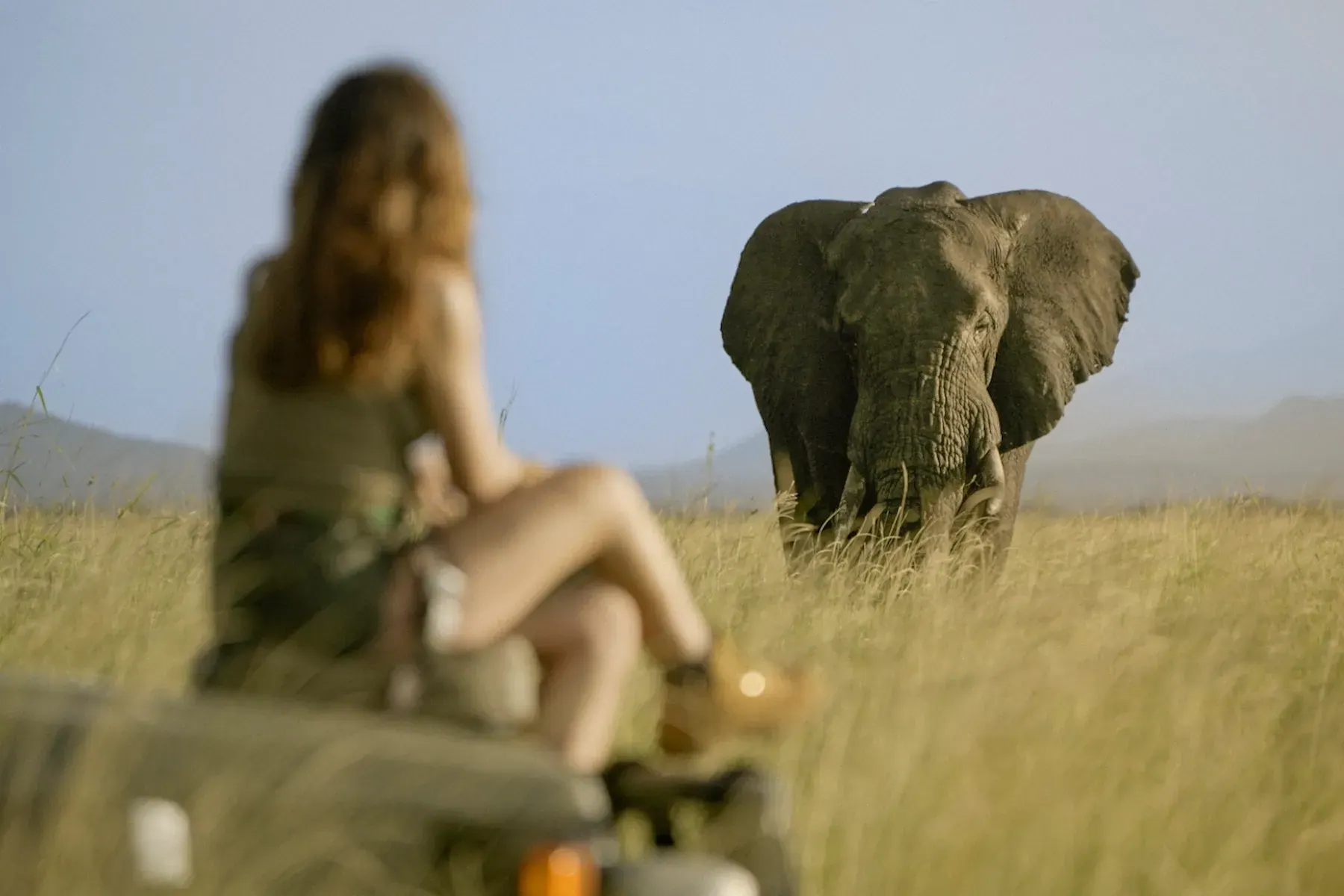
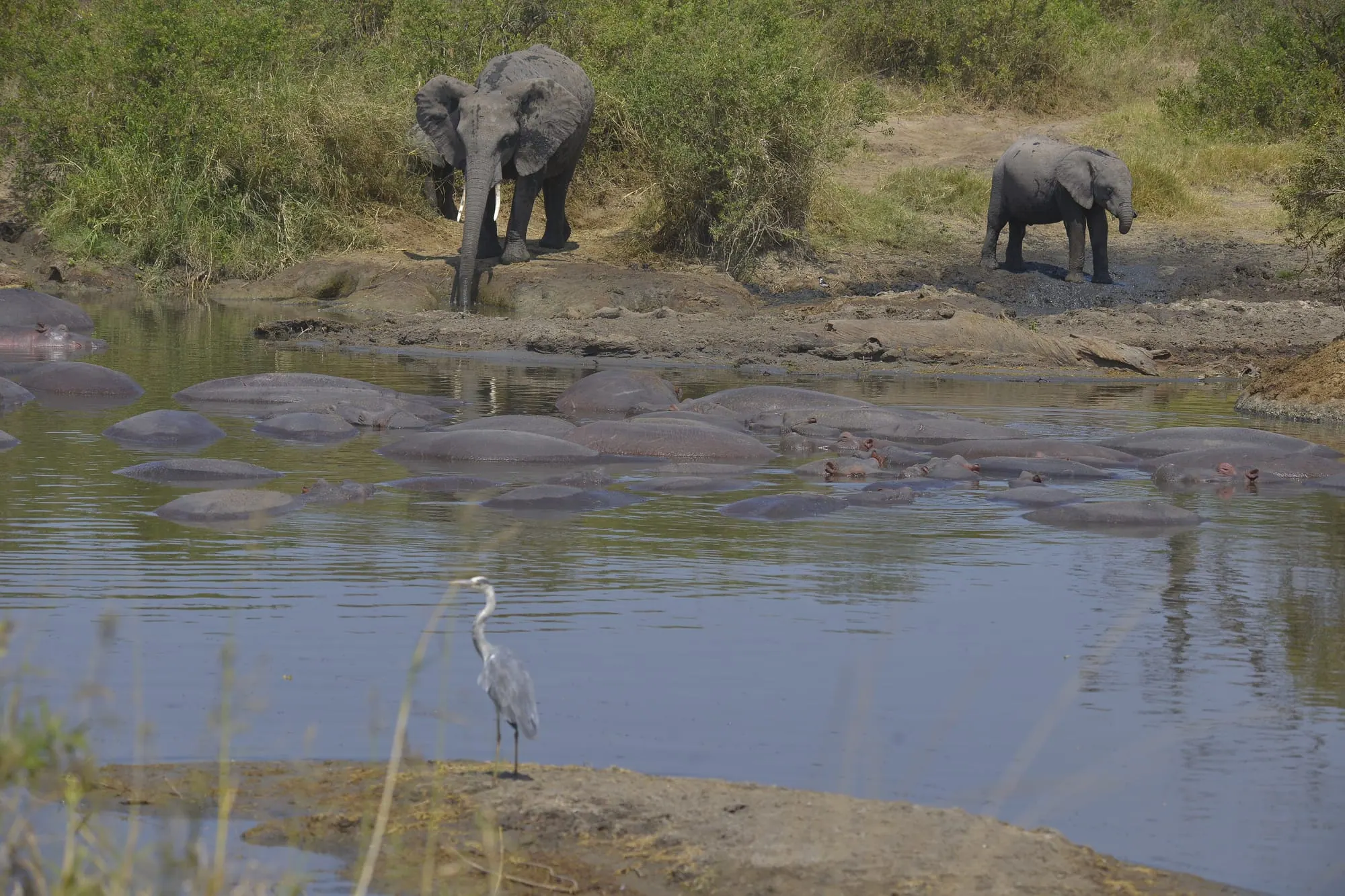
Photo credits: Woodlouse, CC BY-SA 2.0 via Wikimedia Commons; Idd ninga, CC BY-SA 4.0 via Wikimedia Commons; Mike Krüger, CC BY-SA 4.0 via Wikimedia Commons.
Questions
Good to know
That is exactly why the format matters. What you join with the Hadzabe is an actual foraging trip, one that would take place regardless, whenever the community agrees, and results vary because life does. Calls on villages carry more planning by their nature. Even so, the community steers each one, residents translate, and the money reaches families directly, so the encounter stays a real exchange and never a staged act. Should any visit start to feel staged, let us know, because avoiding that is what our planning is for.
Yes. The community's fee is handed over on the spot, crafts change hands person to person, and the guides and translators we use come from the area. That is also why we suggest buying crafts on site instead of in a gift shop later.
Very, and the encounters are often their highlight. Hadzabe children and visiting children tend to melt the formality faster than adults can, and a lesson with the bow and arrow is a lasting memory. The forage walk suits children from about 6, and village visits work at any age.
The Hadzabe hunt to feed themselves, as they always have, mostly small game and honey. Whether a hunt happens or succeeds depends on the morning. You decide how close to get and how involved to be; walking along and watching the tracking is a full experience.
Easily. A Maasai homestead visit or a stop at Olduvai Gorge fits into almost any northern-circuit day. The Hadzabe and Datoga at Lake Eyasi need a dedicated overnight, which is what the four-day itinerary is built around.
Your safari guide translates Swahili, and at Eyasi a local guide bridges the Hadzabe click language and Datoga. Conversation flows better than you might expect through that chain, and children everywhere communicate well by showing off.
It is a small add-on to any safari, paid to the community, and an Olduvai Gorge stop is similar. Tell us your route and we will quote both, along with the full Lake Eyasi experience.
Keep exploring
More experiences

Hadzabe, Datoga and Maasai Encounters
Add it to a safari or build a trip around it. We will take care of the details.