
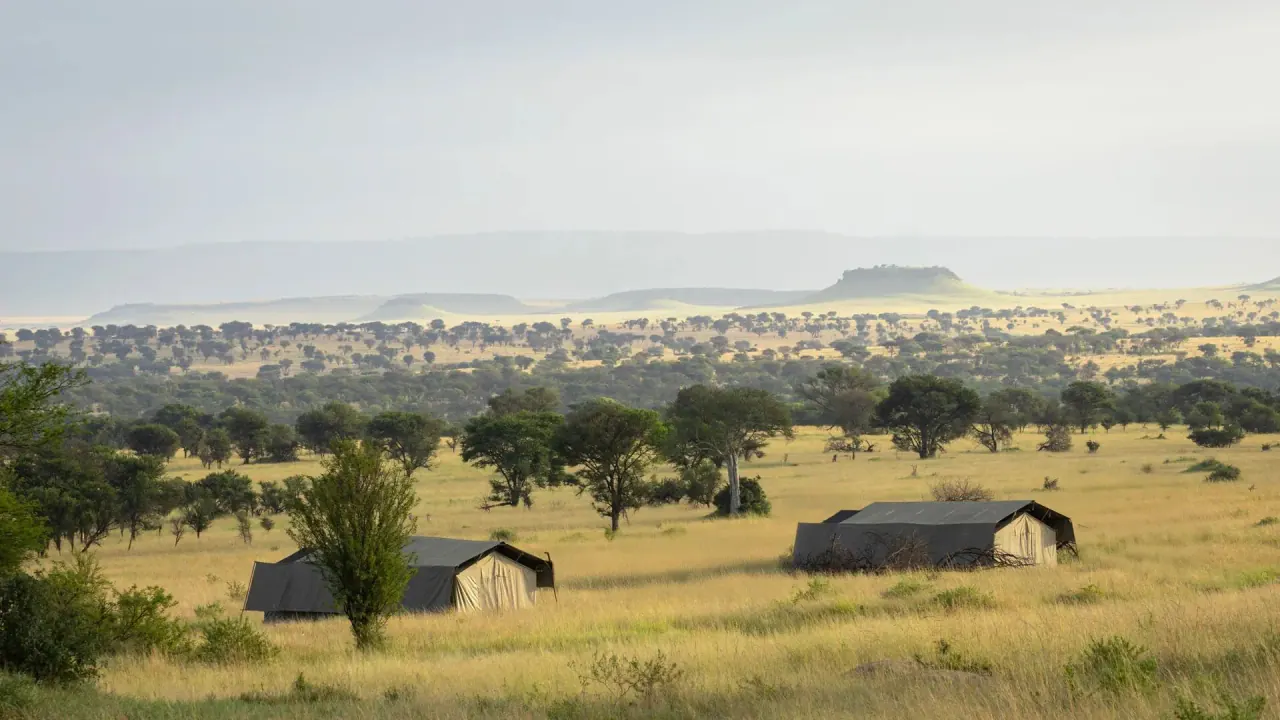
Ridge collection · Serengeti
Olakira Migration Camp
A seasonal mobile camp placed near the Great Migration, with tents made for stargazing
- Camp run by
- Asilia Africa
- Collection
- Ridge · Mid-range to upper mid-range
- Destination
- Serengeti
- Area
- North and south, moves with the herds
- Style
- Mobile tented camp
- Best months
- Jul, Aug, Sep, Oct, Jan, Feb
About Olakira Migration Camp
Olakira Migration Camp is a mobile tented camp in the Serengeti, and an Asilia Africa camp. It moves twice a year to put guests close to the Great Migration. From June to October it stands in the Bolongonja area of the northern Serengeti, and from December to March it is at Ndutu, in the Ngorongoro Conservation Area. It is closed in April, May and November.
In the north, the camp has 10 tents and 2 family units. In the south, it has 9 tents, including 1 family unit with two bedrooms. Every tent has an en suite bathroom with a solar-heated hot shower, and the tents are covered in mesh with wooden decking so that you can sleep under the stars. Power is solar with a backup generator, and there is Wi-Fi.
In the north, hundreds of thousands of wildebeest may attempt to cross the Mara River past waiting crocodiles, and crossings usually begin in early July, though they are never guaranteed. In the south, wildebeest give birth on the plains, with up to a thousand calves a day, and predators follow. A private photographic vehicle can be booked for a photo safari.
Olakira Migration Camp is run by Asilia Africa. Lemala Safaris books and arranges this stay as a partner, and plans the rest of your trip around it. About the Asilia camps we book
- A mobile camp that moves twice a year
- June to October in the northern Serengeti, near the Mara River
- December to March at Ndutu, in calving season
- Mesh-covered stargazing tents with wooden decking
- Solar power with a backup generator
- Private photographic vehicle available to book
Where Olakira Migration Camp is and what surrounds it
Olakira is positioned to be where the Great Migration is. In the north, the Bolongonja area is close to the Mara River, where wildebeest and zebra try to cross and crocodiles wait on the banks. In the south, Ndutu in the Ngorongoro Conservation Area is where wildebeest give birth, and lions, cheetahs and leopards hunt the weak. Around camp you may also see impala and secretary birds. Wildlife sightings are never guaranteed.
Rooms and tents at Olakira Migration Camp
Tents are covered in mesh and set on wooden decking, so you sleep with nature just beyond the netting and can see the sky from your bed. Every tent has an en suite bathroom with a solar-heated hot shower. The northern camp has 10 tents and 2 family units, and the southern camp has 9 tents including 1 family unit with two bedrooms. Power is solar, with a backup generator, and battery charging and Wi-Fi are available.
Meals and dining at Olakira Migration Camp
Dining happens in a mix of settings: lantern-lit dinners overlooking the plains, lunches under the trees, riverside meals and bush breakfasts under an acacia tree. There is a relaxed lounge and bar area, and guests gather around the fire for stories and sundowners. Tell us about dietary needs when you book so we can pass them on to the camp.
Things to do at Olakira Migration Camp
- Watching Mara River crossings, June to October
- Seeing wildebeest calving at Ndutu, December to March
- Game drives for lions, cheetahs and leopards
- Photo safaris in a private photographic vehicle
- Bush breakfasts and sundowners
- Stargazing from your tent
Best time to visit Olakira Migration Camp
In June the northern camp reopens after the rains, a quiet moment before July, when the herds gather and crossings usually begin. They continue back and forth through the season, but are never guaranteed. Short rains arrive at the end of October as the herds head south, and the camp closes in November. It reopens at Ndutu in December, when the plains are green, calving usually starts in January and continues into February, and by mid-March visitor numbers fall.
Good to know about Olakira Migration Camp
- The camp is open from June to October and from December to March, and closed in April, May and November.
- The nearest airstrip for the northern camp is Kogatende, a 45-minute drive. For the southern camp it is Ndutu, a 20-minute drive.
- Children aged 5 and older are welcome, and both locations have family units.
- The camp moves, so your location depends on your travel dates.
Gallery
Inside Olakira Migration Camp
These photographs are from Asilia Africa and are used with their permission.
Questions answered
Olakira Migration Camp: questions and answers
Olakira Migration Camp is an Asilia Africa tented camp that moves twice a year to follow the Great Migration. From June to October it is in the Bolongonja area of northern Serengeti, and from December to March it is at Ndutu in the Ngorongoro Conservation Area.
In the north, Olakira Migration Camp has 10 tents and 2 family units. In the south it has 9 tents and 1 family unit with two bedrooms. Every tent has an en suite bathroom with a solar heated hot water shower, and the mesh enclosed design lets you stargaze from bed.
Olakira Migration Camp is open June to October and December to March, and closed in April, May and November. June to October suits Mara River crossings in the north, usually from early July. December to March suits calving in the south, with January and February especially busy.
It depends on the camp's location. In the north the closest airstrip is Kogatende, a 45 minute drive away. In the south it is Ndutu, a 20 minute drive away. Lemala Safaris can arrange flights, transfers and your wider Tanzania itinerary to match the season you choose.
Yes, children aged 5 and older are welcome at Olakira Migration Camp. The camp offers family units in both locations, including a two bedroom tent in the south and two family units in the north, so parents and children can stay comfortably close together.
At Olakira Migration Camp you can follow the migration on game drives, watch herds attempt Mara River crossings in the north, or see calving in the south. Guests can also book a customised private photographic vehicle, enjoy bush breakfasts, sundowners and fireside evenings, and stargaze from the tent.
Olakira Migration Camp is placed for wildebeest and zebra herds, and for crocodiles at the Mara River. In the south, lion, cheetah and leopard often hunt around the calving herds. Impala and secretary birds also feature. Sightings are never guaranteed, and timing varies with the rains.
Rates change with the season, so we give you a personal quote once you tell us your dates and group size. Lemala Safaris books and arranges your stay at Olakira Migration Camp as a partner of Asilia Africa, and can plan flights, transfers and the rest of your Tanzania trip too.
More partner stays
Other stays in Serengeti
- Summit
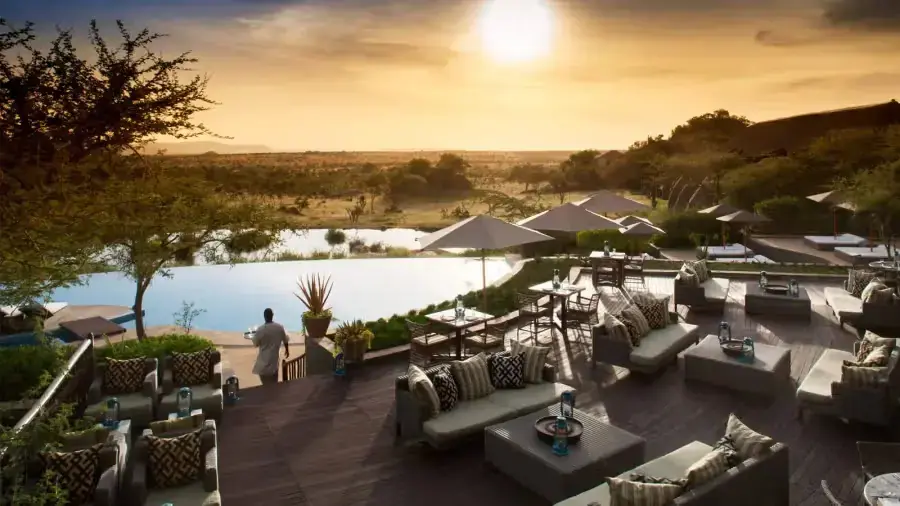
Serengeti · Central Serengeti
Four Seasons Safari Lodge Serengeti
Luxury safari lodge
- Pool
- Spa
- Scenic views
- Ridge
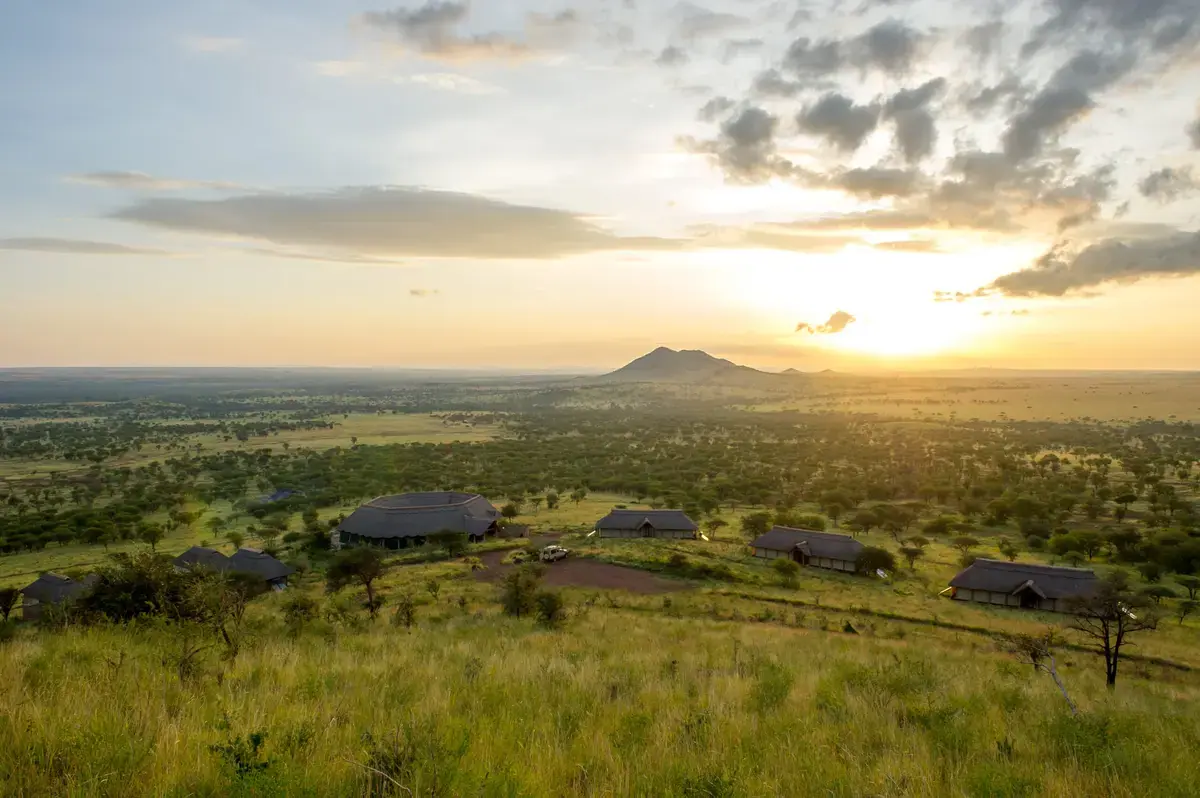
Serengeti · Central Serengeti / Tarangire
Kubukubu Tented Lodge
Plains-view tented lodge
- Pool
- Scenic views
- Restaurant
- Ridge
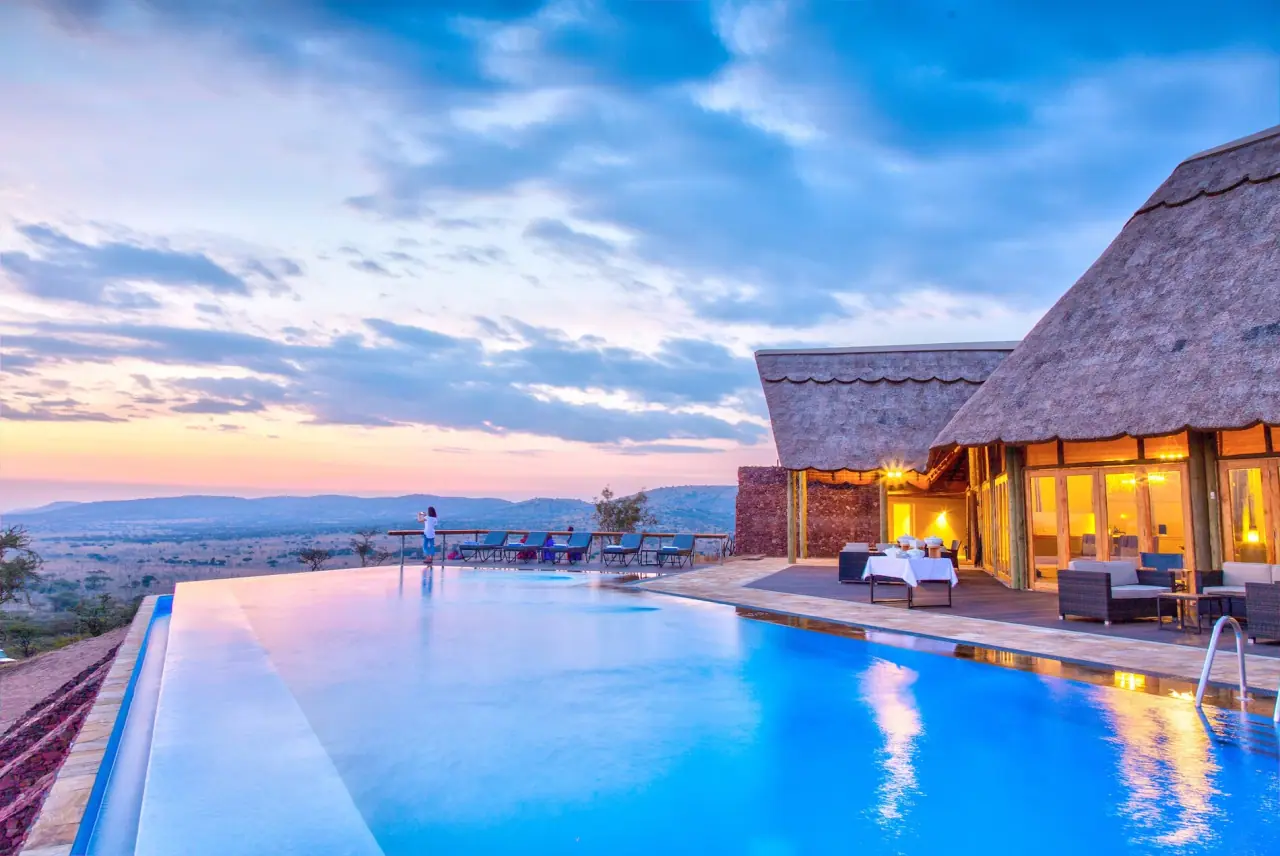
Serengeti · Central Serengeti
Lahia Tented Lodge
Stilted plains camp
- Scenic views
- Restaurant
- Wildlife views
Your Tanzania journey
Stay at Olakira Migration Camp
Tell us your dates, group and budget, and we will build the trip around this stay.
No obligation and no pressure. We reply personally.
- 01
Tell us what you love
Dates, who is travelling and the moments you are dreaming of. Two minutes is enough.
- 02
A real person replies
A Lemala Safaris planner writes back personally with ideas, not a template.
- 03
Get your tailored plan
A day-by-day itinerary and a clear quote, shaped around you. No obligation.