01
Why western Tanzania is worth the journey
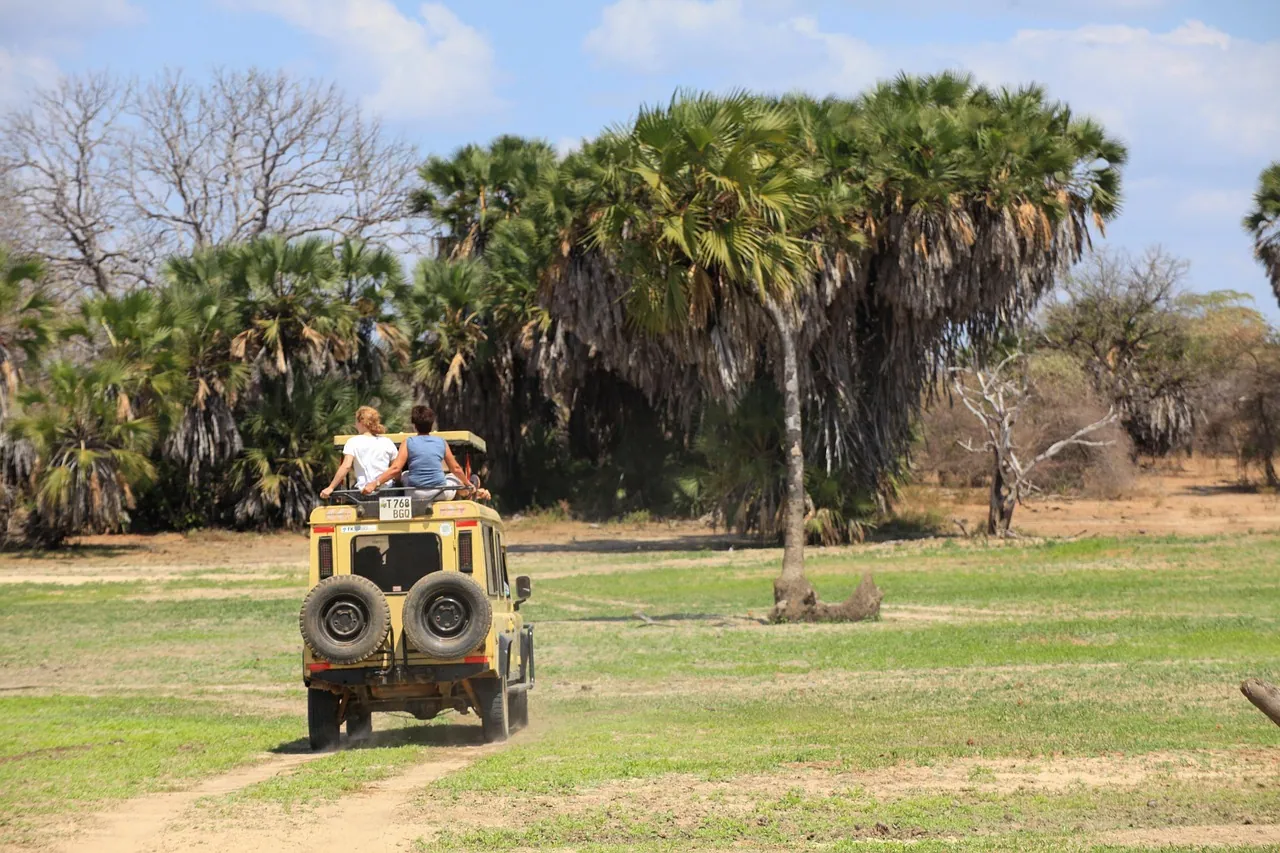
Most people picture Tanzania as open plains, acacia trees and big cats. The west of the country is a different place altogether. Along the shore of Lake Tanganyika, rainforest ridges tumble straight into clear water, and the only way in is by water or by air. This is where chimpanzee trekking in Tanzania happens, and it feels more like a quiet expedition than a conventional safari.
Two parks protect the chimpanzees here. Mahale Mountains National Park is remote, large and wild, with a community that researchers have followed for decades. Gombe Stream National Park is small and easier to reach, and it is forever linked with Jane Goodall, whose patient observation began there in 1960 and changed how the world understood our closest relatives.
Neither park resembles the northern circuit, and that is the point. There are no crowds of vehicles, no dust and no long drives. You walk, you listen, and you wait for the forest to show you something. Many of our guests say that an hour with a chimpanzee family stayed with them longer than any lion sighting.
02
Mahale or Gombe: which park suits you?
Choosing between Mahale or Gombe comes down to time, budget and the kind of trip you want. A Mahale chimp trek is the larger, wilder and more remote of the two experiences. Roughly 800 chimpanzees live there, and the setting is dramatic: forested peaks, a white sand shoreline and a handful of small camps. It is a destination in its own right, not a quick add-on.
Gombe is far smaller, one of the smallest national parks in Africa, and its chimpanzee community is also much smaller, numbering roughly one hundred animals. Its great appeal is history. Walking where Jane Goodall first sat on the slopes above the lake gives the visit a weight that few wildlife experiences can match. A Gombe chimp trek is also easier to fit into a short itinerary, because you reach it from the town of Kigoma.
If you have the time and the budget for a genuinely remote stay, Mahale is usually the more rewarding choice, with longer, quieter days and the lake on your doorstep. If you are short of days, or you care most about the research story, Gombe makes a good alternative. Tell us how long you have and we will say honestly which one fits.
- Mahale: remote, light aircraft and boat access, a handful of small camps, a larger chimpanzee community, snorkelling from the camp beach.
- Gombe: reached by boat from Kigoma, a compact park with steep forest trails, strong research history, simpler logistics for a short trip.
- Either park: sightings are likely but never promised, so build in more than one trekking day wherever you can.
03
How to get to Mahale and Gombe
There is no road to Mahale. Most travellers fly from Arusha in a small plane on a scheduled charter, which takes roughly four to five hours including a stop, then finish with a boat transfer along the shore of Lake Tanganyika to camp. Flights run on set days of the week, which is why itineraries are built around them, and why how to get to Mahale, and whether you are comfortable flying to Mahale in a small plane, is the first question to settle when planning.
Gombe lies north of the lakeside town of Kigoma, and there is no road to the park itself either. You reach Kigoma by scheduled flight, then take a boat up the shore. A fast boat can take about an hour to an hour and a half, while a slower traditional boat takes considerably longer, so confirm which one your plan uses. Many visitors stay overnight in or near the park to make the trek easier.
Baggage allowances on light aircraft are strict and usually call for soft bags rather than hard cases. Pack accordingly and keep your main luggage light. Because flights cannot be rearranged at short notice, we always suggest a spare night at either end of this part of a trip, so a delayed aircraft does not cost you an international connection.
04
Permits, rules and staying safe around the apes
Trekking is controlled to protect the animals. Chimp trekking permits are bought per person per trek, and your operator normally arranges them as part of the itinerary, together with park fees. Numbers are small, and you are always accompanied by a ranger guide. We do not list fees here because they change, so ask for a current quotation for your dates.
The chimpanzee trekking rules are simple and strictly applied. You stay at least ten metres from the animals, which is further than many people expect, because wild chimpanzees can catch human infections such as colds and flu, and those can be deadly to a whole community. Groups are kept small, commonly around six people, and your time with the chimpanzees is limited to about one hour once you find them.
You must wear face masks while with the apes, and rangers will hand them out if you forget yours. Do not eat or drink near the chimpanzees, do not use flash, and do not go if you are unwell, even with a mild cold. Rangers will turn anyone away who shows symptoms, and the rule applies to guides too. Please treat it as a kindness to the apes, not an inconvenience.
- Keep ten metres away, even if a curious young chimp comes closer. Step back calmly instead.
- Wear your mask from the moment you leave the trackers' meeting point until you leave the group.
- Speak quietly, do not point or stare directly at dominant males, and never touch or offer food.
- Stay on the trail and carry out everything you carry in, including tissues.
05
Age limits and who can go
Park authorities set a minimum age for trekking, and it differs between the two parks. At Mahale the minimum age is 12, according to the information on our own Mahale experience page, and Gombe is generally reported as higher, around 15, though you should always confirm with us before you book. Can children go chimp trekking? Older teenagers usually can, younger ones cannot, and the rule is not negotiable.
The reason is partly health and partly behaviour. Young children are more likely to carry infections and less likely to stay quiet for a full hour in the forest. If your family includes children under the limit, a traditional game drive safari in the north or south is the better plan, and a lakeshore stay can still be arranged separately if you want a quiet beach break for everyone.
Adults with some health conditions can often still trek, because pace is controlled by the guides and the group moves only as fast as its slowest member. Be honest with us about your knees, heart and breathing. We would rather adjust the plan to suit you than have you struggle on a slope halfway through the morning.
06
How a trek works, and how long it takes
Mornings start early. Before you are awake, trackers go out to find the chimpanzees where they slept. Chimps build fresh sleeping platforms every night, and these chimpanzee nests, woven from branches high in the trees, give trackers their first clue. When the trackers radio a position, your ranger leads you up forest trails to the group.
People always ask how long does a chimp trek take, and the honest answer is that it varies. Some days the chimps are only twenty or thirty minutes away. On other days they have climbed higher and the walk takes two or three hours each way. Add your hour with them and you should plan for a morning, sometimes most of a day, with breaks along the route.
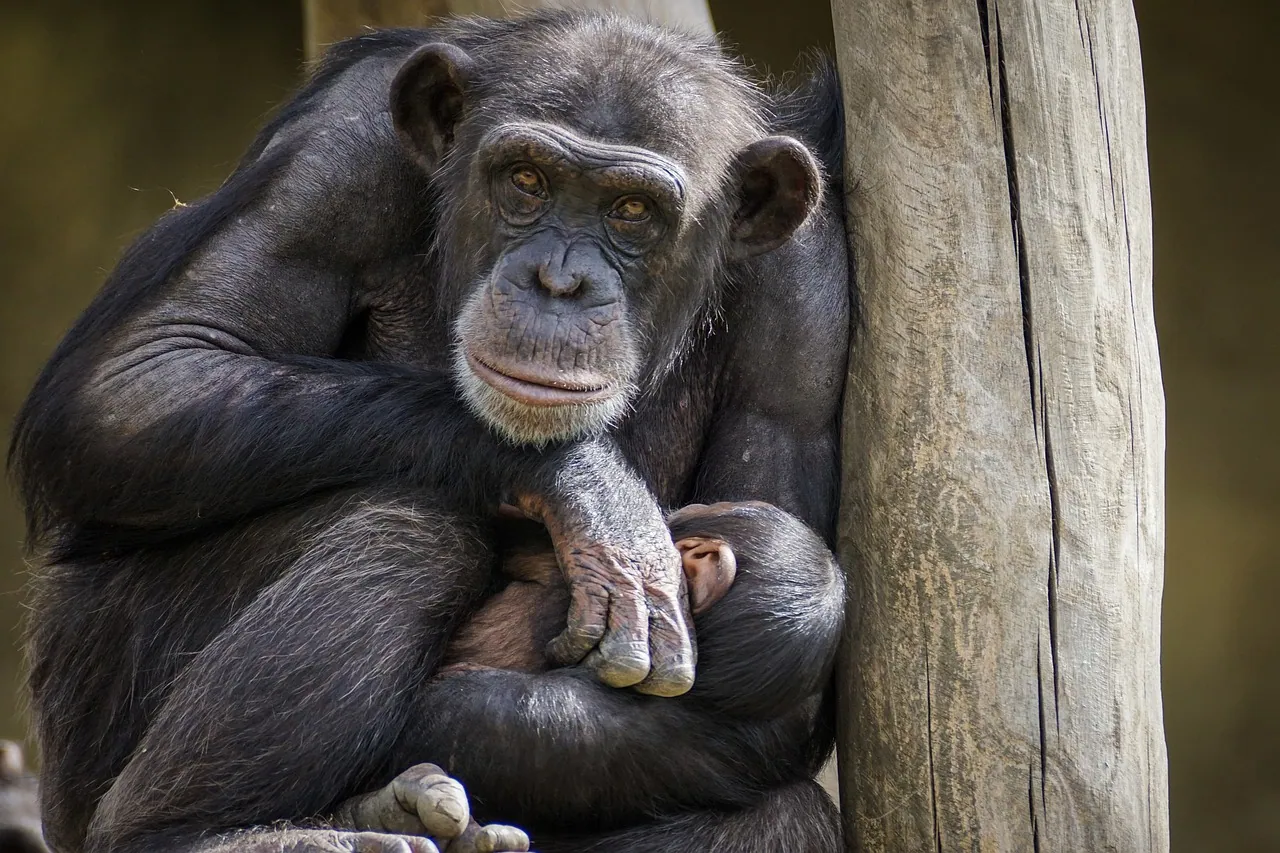
Once you reach the group, the clock starts. The experience is not a performance. Habituated chimpanzees carry on grooming, feeding, sleeping and squabbling as though you were scenery. You may find yourself sitting quietly while a mother with an infant passes within a few metres, then spend ten minutes watching an adult male stare into the middle distance before suddenly charging through the undergrowth.
07
Fitness, terrain and what to wear
A common worry is how fit do I need to be. You do not need to be an athlete, but you do need to be comfortable walking uphill on uneven ground for a few hours. Trails can be steep, narrow and slippery with roots and loose soil, and the humidity makes everything feel harder. Regular hill walking before you travel is the best preparation, and trekking poles can help.
Knowing what to wear for chimp trekking makes a real difference. Choose long trousers in a neutral colour, a lightweight long sleeved shirt, sturdy walking boots with good grip, and thin socks that dry quickly. Long sleeves protect you from stinging plants and insects. Bring a light rain jacket year round, a hat, and gloves if you like to grab branches on the climb.
Carry water, a small first aid kit, insect repellent and a few snacks to eat before you reach the chimps. Keep your camera in a dry bag. A small daypack with a rain cover is plenty. Leave scented products at camp, since strong smells can be distracting for animals and for the rest of your group, and leave heavy lenses behind unless photography is your main aim.
- Sturdy boots with a good tread, and an extra pair of socks.
- Long lightweight trousers and a long sleeved shirt in muted colours.
- Light rain jacket, hat and a small daypack with a rain cover.
- Reusable water bottle, insect repellent and sunscreen.
- Binoculars for the canopy, plus a camera that works well in dim light.
08
The best time for chimpanzee trekking
The best time for chimpanzee trekking is usually the drier half of the chimpanzee trekking season, roughly June to October, although the site's Mahale destination page says May to October gives the easiest walking. During those months the trails are firmer, the lake is calm, and the chimpanzees often feed lower on the slopes when fruit ripens near the shore, so treks tend to be shorter.
The rains do not close the forest completely. From about November to March the chimps often climb higher, and treks can become longer and steeper, with showers common in the afternoon. In return you get lush forest, quieter trails and fewer other visitors. April and May bring the heaviest rain, several camps close, and unless you have a particular reason, we usually suggest other months.
Wild animals follow their own calendar, so treat all of this as a tendency, not a promise. Habituated groups have been seen in every month of the year. The more flexible your dates and the more trekking days you allow, the better your odds of a calm, close encounter, whatever the season.
09
What you will see and hear in the forest
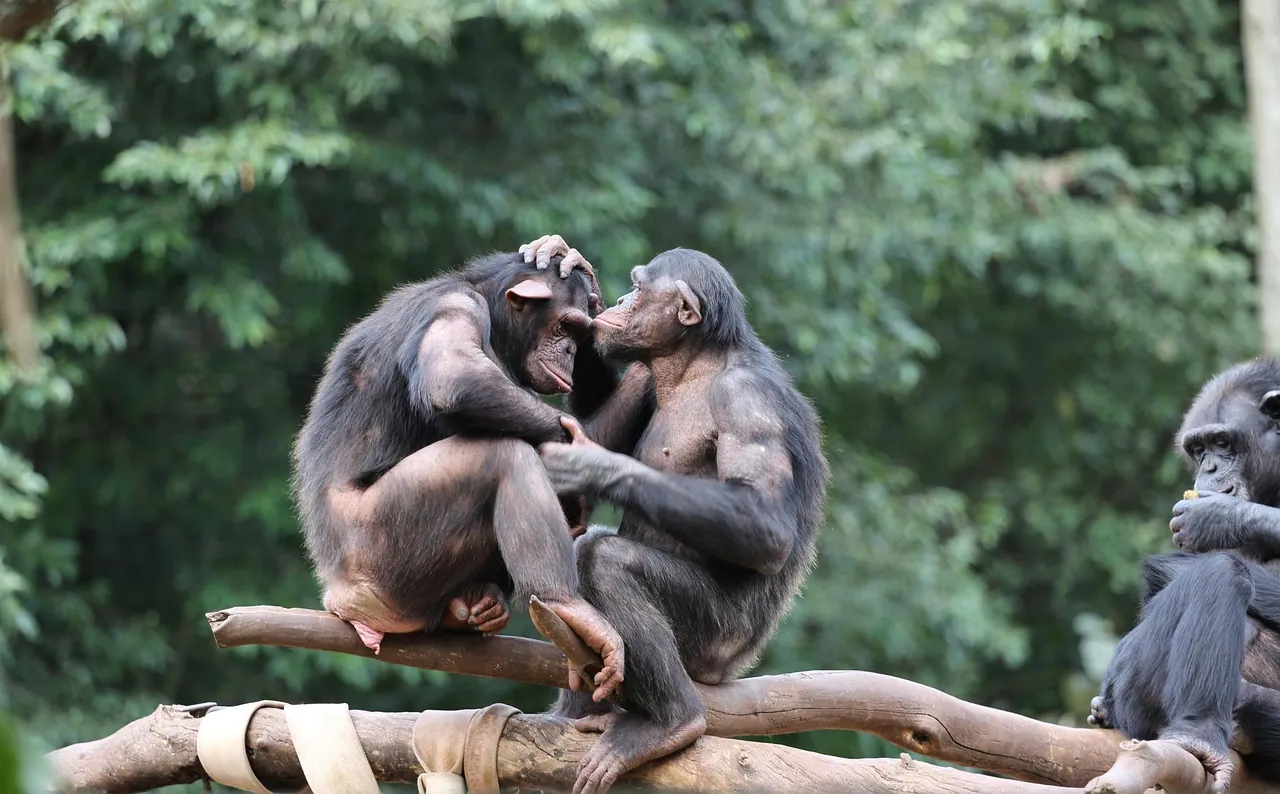
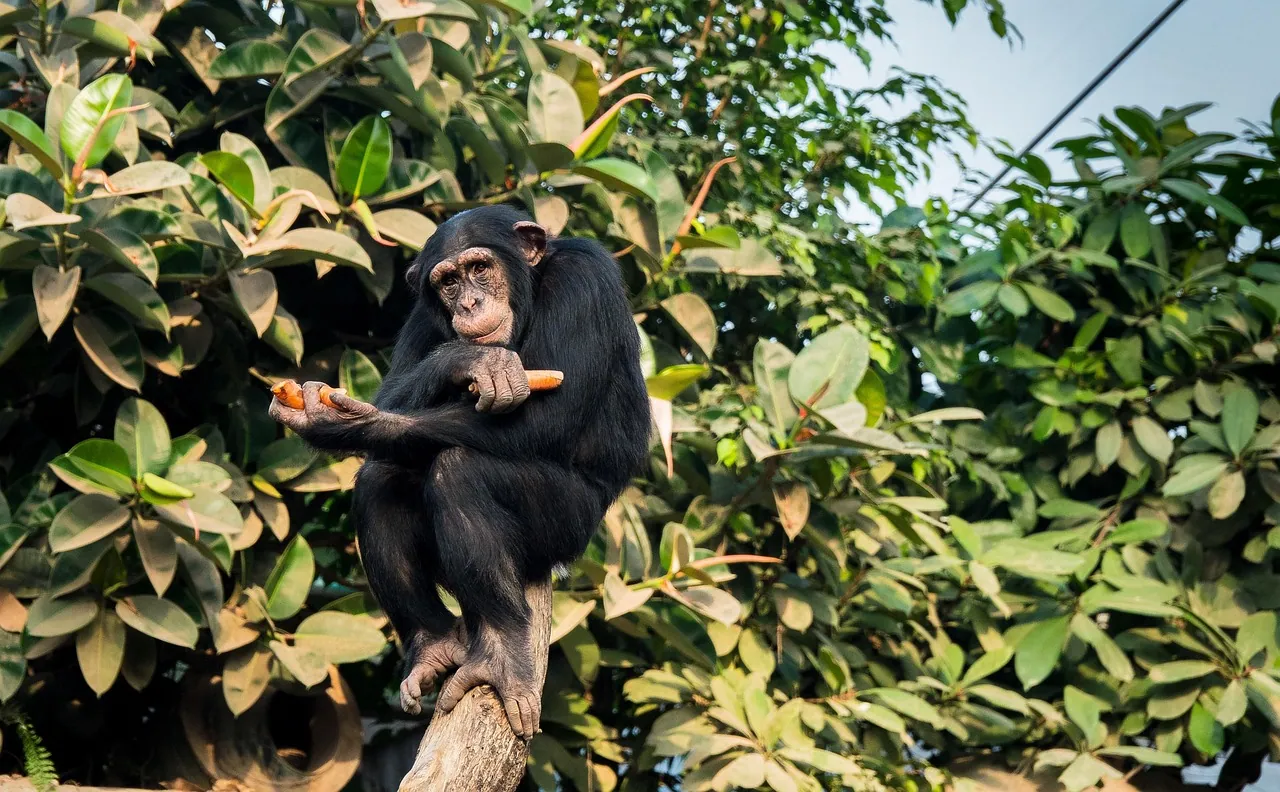
Chimpanzee behaviour is the reason people come. Grooming is the glue of their society, and you will often see pairs and small groups picking through each other's hair for long, peaceful stretches. Status matters, and you may witness a subordinate approach a dominant male with a series of submissive grunts, or a sudden display with hair bristling and branches shaken.
Listen as well as look. Pant hoots are the long, rising calls that carry through the trees and let separated groups find each other. Hand drumming on buttress roots is another way to send a message across the forest. Sometimes you hear them before you see anything, and the tracker will stop, tilt his head and change direction.
At Mahale and Gombe researchers have recorded tool use, such as stripping twigs to fish termites from mounds, using leaves as sponges or cracking hard nuts with stones. You may not see it on your visit, since it depends on the season and the group, but it is part of why these places matter. Among the other primates you may meet are red colobus monkeys, blue monkeys and baboons.
10
The lake, the wildlife and the evenings
Lake Tanganyika is the longest freshwater lake in the world, and it is startlingly clear. After the morning trek, afternoons at Mahale revolve around the water. Snorkelling over rocky reefs reveals schools of cichlids, small fish found nowhere else on earth, in colours that rival a coral reef. You can also kayak, swim, fish or sail along the shoreline in a traditional dhow.
Evenings are quiet and barefoot. Camps are small, and dinner is frequently served on the beach, with the forest climbing in the dark behind you and the lamps of fishing boats glinting out on the water. There is no mobile signal to speak of, no traffic and little electricity beyond what the camp generates, which many guests find surprisingly restful after a long journey.
Beyond chimpanzees and monkeys, the western forests are home to bushbuck, hippos along the shoreline, crocodiles at the river mouths, and a wide variety of forest birds including hornbills and sunbirds. Keep an eye on the beach at dawn, where footprints can reveal who passed by in the night, and listen at dusk for the forest chorus.
11
Combining chimps with a northern or southern safari
Few travellers fly to western Tanzania for the apes alone. Many choose to combine chimp trekking with a safari, either in the north or in the southern and western wilderness. A classic pattern is to spend a few days in the Serengeti and Ngorongoro, then fly west from Arusha for four or five days beside the lake, finishing with a rest on the Indian Ocean coast.
If you prefer wilder, quieter country, Katavi National Park lies close to Mahale and pairs naturally with it on a western circuit, with huge hippo pools and buffalo herds in the dry months. Ruaha and Nyerere in the south add walking safaris and boat trips. Our itinerary specialists can show how these fit together, and how many nights each stop deserves.
One practical note: because flights run on fixed days, the whole trip hangs on the schedule. Build the chimpanzee section first, then fit the safari around it, not the other way round. Allow a buffer day before an international flight home, and consider the pace. Several fly-in stops in a row can feel tiring, so a proper rest on the lake is a bonus.
12
Setting honest expectations and travelling responsibly
Are chimp sightings guaranteed? No, and anyone who tells you otherwise is not being straight. These are wild animals in a large forest. In season, sightings are very reliable, particularly over two trekking days, but a chimp group may move out of reach, or a storm may keep everyone in camp. We would rather you arrive with calm expectations than a promise that the forest cannot keep.
Responsible practice starts with the rules. Respect the ten metre distance, wear your mask, stay home if unwell, and keep your voice low. Choose small camps that employ local staff, source food locally and manage waste carefully, and ask how they treat water and power. Bring a refillable bottle, since single-use plastic has no place in a fragile lake environment.
Spend time talking to your guides and trackers. They know the individual chimpanzees by name and personality, and their stories are the best souvenir of the trip. Tip them as you would any guide on safari, following the guidance we send before travel. Finally, remember why the hour is so short: your respect for the limit is what keeps the apes healthy for the next visitor.