01
Why the south feels different
Most first visits to Tanzania follow the northern circuit of Tarangire, Ngorongoro and the Serengeti, and for good reasons. But there is a second map of the country, lower on the page and far quieter, and a southern Tanzania safari is a different experience from the first line to the last. The parks are larger, the camps are smaller, and the number of other vehicles you meet in a day is often zero.
This article covers the three big names of the south and west: Nyerere, Ruaha and Katavi, with a short word on Mikumi. It explains what each park does best, how to get there, when to go, and how to join the south to a northern itinerary or a Zanzibar beach finish. We have tried to be honest about who it suits and who should wait until their second trip.
02
Nyerere: the Rufiji, boats and walking
The question we hear most is simple: is Nyerere the same as the Selous? Yes, Nyerere National Park is the former Selous Game Reserve under a new name. The Selous was renamed in 2019 in honour of Julius Nyerere, the first president of Tanzania, and the old name is still the one many travellers know. It has been a UNESCO World Heritage Site since 1982, and it is among the largest protected areas in Africa. The national park alone covers about 30,900 km² (11,930 sq mi), roughly the size of Belgium, which makes it the largest national park in Tanzania.
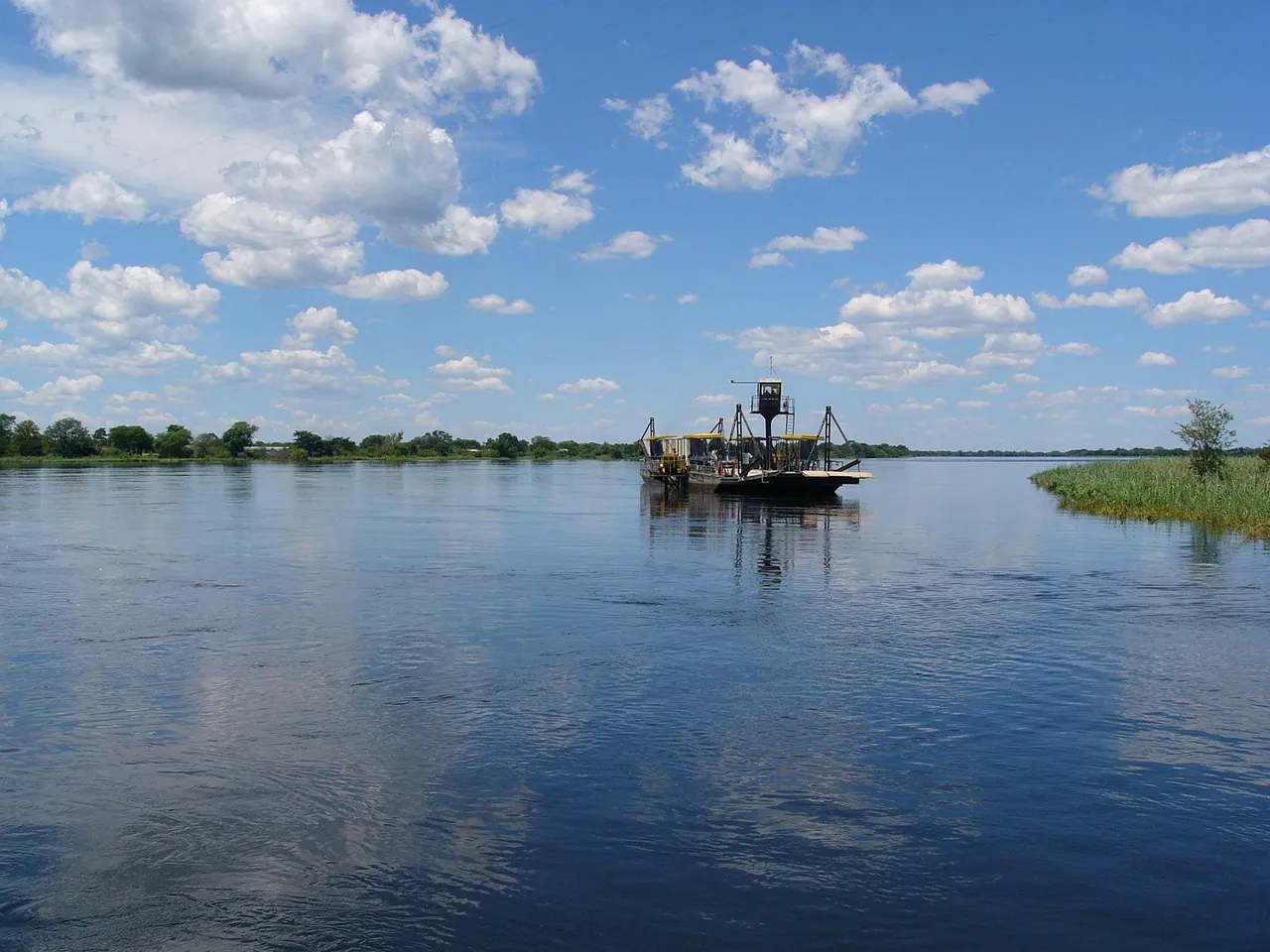
What sets Nyerere apart is water. The Rufiji River, the longest river in Tanzania, braids through lakes and channels, and a boat safari at the end of the day brings you level with hippos and crocodiles and the herons, storks and bee-eaters along the bank. Elephants wade across at shallow crossings, and a boat can follow the river where no vehicle track exists.
Nyerere is also one of the few big Tanzanian parks where leaving the vehicle is normal. A walking safari goes out in the cool of the morning with a guide and an armed ranger, and the point is not to chase animals but to read tracks, dung, termite mounds and trees. Some camps offer fly camping, a night in simple bush beds under mosquito nets, which is only sensible in the dry months.
- Boat safaris on the Rufiji River and its lakes, usually in the late afternoon
- Guided walks with an armed ranger, best from June to October when the grass is short
- Game drives through riverine forest, open grassland and miombo woodland
- Fly camping, where camps offer it, for a night away from walls
03
Ruaha: baobabs, lions and sand rivers
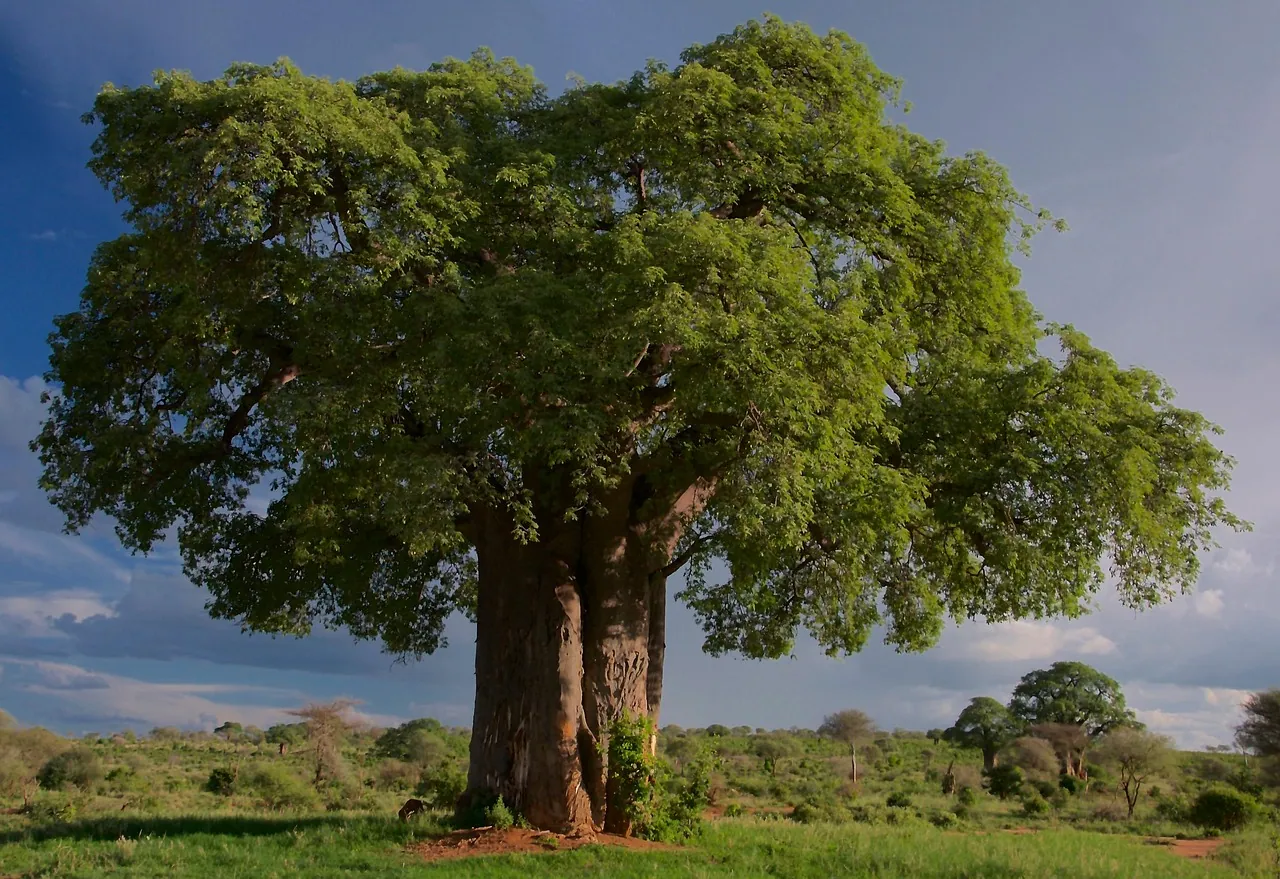
Ruaha National Park covers 20,226 km² (7,809 sq mi) and is the second largest national park in Tanzania, after Nyerere. It sits where East African and southern African species overlap, so the animal list reads differently from the north. You see greater kudu, sable antelope and roan, and the hills are dotted with ancient baobab trees. The Great Ruaha River runs through the middle, and in the dry season it shrinks into pools and sand channels that decide where everything goes.
The reputation of Ruaha rests on predators. The park is thought to shelter about a tenth of the world's remaining lions, and the lion prides here are large, sometimes twenty animals strung along a riverbank. Leopards are seen as often as in far more famous reserves, cheetah work the open ground, and the African wild dog is a realistic hope, particularly when packs are tied to a den in the drier months, though no honest guide promises them.
Elephants number in the thousands and dig for water in dry riverbeds, which is one of the quiet pleasures of the park. Evenings can be properly cold from June to August, so pack a fleece. The country is rougher and more textured than the open Serengeti plains, and many travellers find that it reminds them why they love the bush.
04
Katavi: the remote west
Katavi National Park lies far out in western Tanzania, covers 4,471 km² (1,726 sq mi) and receives only a few hundred visitors in a season by the estimate we work from. Miombo woodland, wide floodplains and seasonal lakes make up the landscape. A whole day can pass without meeting another vehicle, which is why it suits travellers who have already done a northern safari and want something less managed.
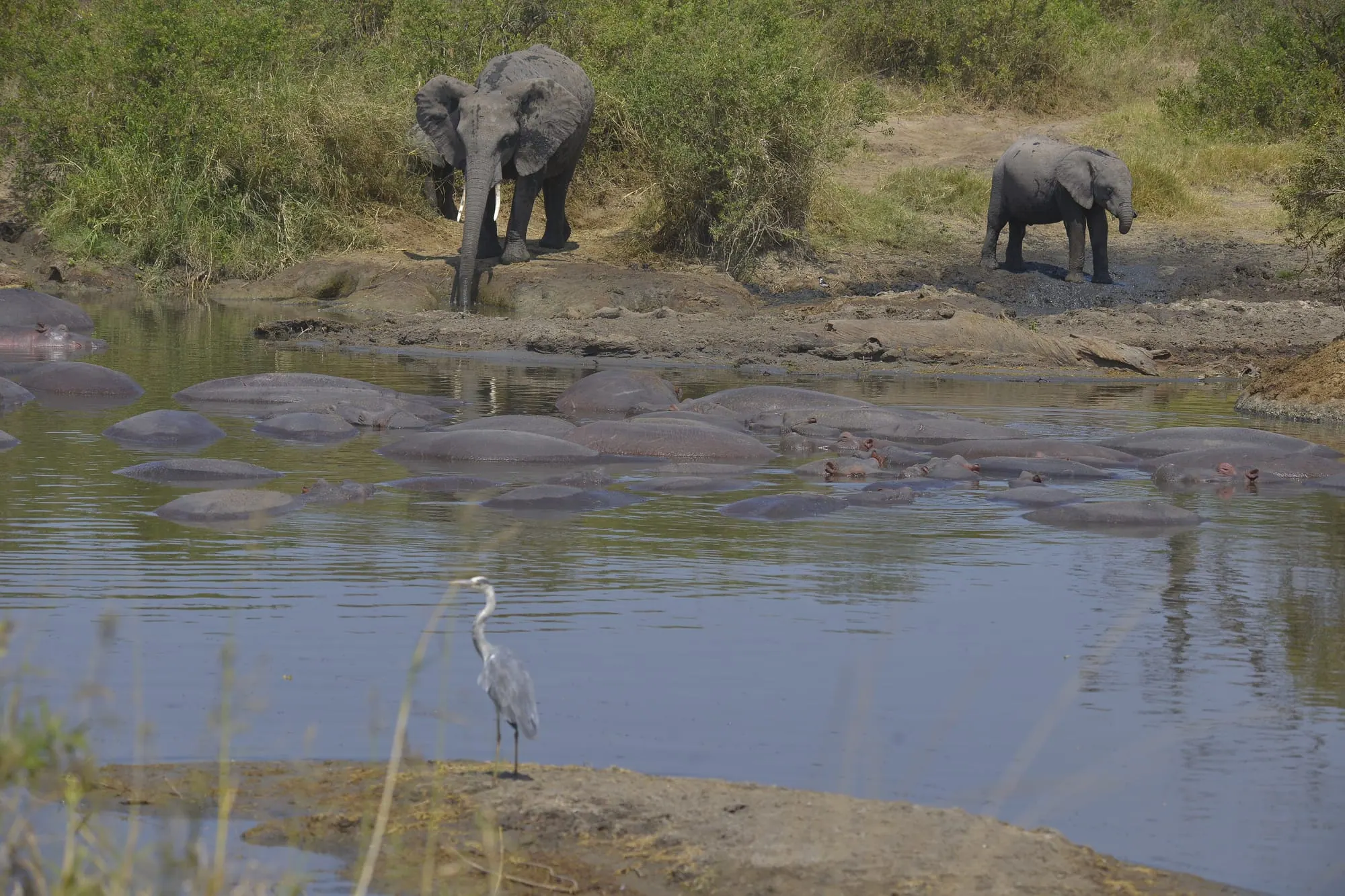
The drama arrives with the dry season. The Katuma River and its floodplain lakes contract, and hippos and crocodiles crowd into the last pools in scenes that are crowded, noisy and sometimes violent. Buffalo herds of well over a thousand animals come to drink, big lion prides follow them, and you may see roan antelope and puku, a species few Tanzanian parks hold. July to October is the window.
Katavi is reached only by light aircraft, and that shapes the plan. People who ask how to get to Katavi usually learn that the park works best as the second chapter after Ruaha, or as part of a western circuit with the Mahale Mountains, where chimpanzee trekking sits on the shore of Lake Tanganyika. As a single stop it is a lot of flying for a short stay.
05
Mikumi and the road south
Mikumi National Park gets less attention than its neighbours, but it earns a place in the conversation. It lies a few hours by road from Dar es Salaam, and the Mkata floodplain gives open, easy game viewing that has earned it the nickname of the Serengeti of the south. Elephant, eland, lion and buffalo are regular sights, and it makes a sensible stop for anyone who prefers to drive.
The Wild South itinerary on our site uses it that way, linking Nyerere to Ruaha by road with a night at Mikumi and a walk in the Udzungwa Mountains, where a forest hike ends at Sanje Waterfall and a swim in its pools. That route suits travellers who enjoy scenery and do not mind long driving days. It is not a quick link, so allow time and keep expectations realistic about distances.
06
Ruaha or Nyerere: how to choose
Travellers often ask us to settle Ruaha or Nyerere, and the honest answer is that they do different things. If you want variety in a short stay, with a boat, a walk and a drive in the same day, Nyerere is the better choice. If you want deep, predator-focused game driving through baobab country and are willing to spend several nights, Ruaha rewards patience and gives larger rewards the longer you stay.
Combining them is the classic southern circuit: a few nights on the Rufiji, then a flight to Ruaha. Katavi comes in as a third act if you have a week or more. Whatever the mix, we would not squeeze three parks into five days. Light aircraft hops eat time, and the bush asks for it back. Three or four nights per park is a sensible minimum.
- Choose Nyerere for water, boat safaris, walking and an easy link to Dar es Salaam or Zanzibar
- Choose Ruaha for lions, wild dog, kudu, baobabs and a rugged landscape
- Choose Katavi for hippos, buffalo and total remoteness, ideally after Ruaha
- Add Mikumi if you prefer to drive and want a gentler first taste of the south
07
Getting there: flights and roads
Most guests travel by light aircraft. A fly-in safari from Dar es Salaam reaches Nyerere in a short flight, and scheduled and charter services connect Nyerere, Ruaha and Katavi along the circuit, though the schedules are limited and change with the season. Nyerere is also reachable by road from Dar es Salaam in about four hours, so it is the simplest southern park to try if you dislike small planes.
Light aircraft have strict luggage limits, commonly around 15 kg (33 lb) per person including camera gear, and soft bags only. That matters if you are moving from a northern safari or a Zanzibar stay with a large suitcase. We arrange for spare luggage to be stored at your starting point, and we build in a buffer day because bush flights depend on weather and on other passengers.
Road journeys to Ruaha and Katavi are long and rough, and we rarely recommend them unless time is generous and the scenery is the purpose. Ruaha is roughly 625 km (388 miles) from Arusha by the figure on our destination pages, Katavi roughly 1,000 km (621 miles). In practice, flying is what makes the south workable in a normal holiday.
08
Seasons: when the south works best
The south is dry season country. From June to October the bush thins, animals gather along the rivers, and the dry season safari gives the best chance of everything described above. This is the best time to visit Ruaha, and it is when Katavi builds to its hippo and buffalo peak in September and October. Nyerere is also at its best then for walking and for boat trips near the shrinking channels.
The green season from November to March turns the parks lush and fills them with birds, but game scatters and grass lengthens. Some camps shut, and Katavi nearly closes as its floodplains flood. April and May bring the heavy rains, when most camps are closed and roads can wash out. Nyerere's boat safaris can still be good in the green months, which makes it the most flexible of the three if your dates are fixed.
09
Pace, activities and fewer vehicles
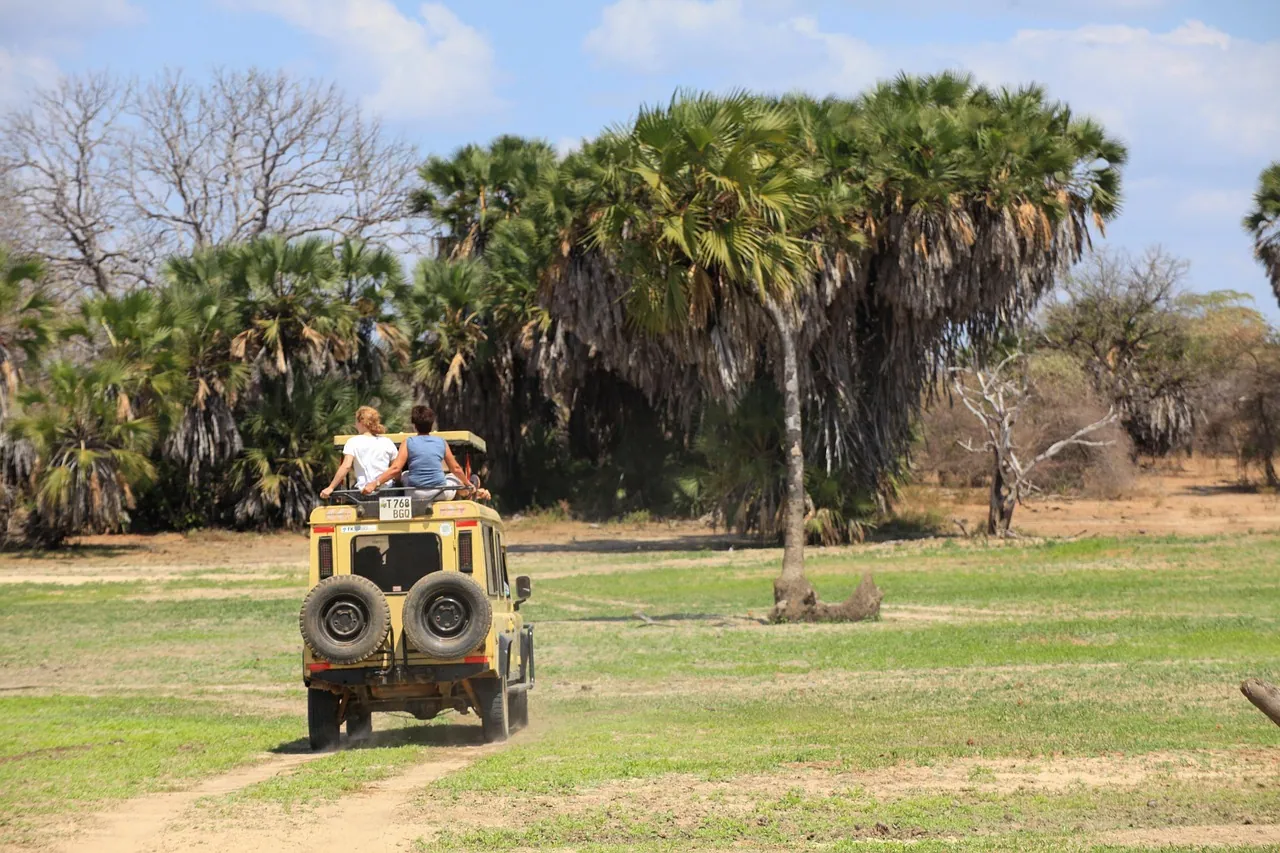
The day in the south follows the same dawn and dusk rhythm as elsewhere, but it feels slower. Camps are small, often twelve tents or fewer, unfenced and open to the sounds of the bush. Drives are long and quiet, and with fewer vehicles at each sighting you can stay for as long as you like. That is the main reason people come back from Ruaha talking about the silence.
Being off the beaten track also changes the small things: camps are intimate enough that your guide can adjust the next day over dinner, and an early start or a long picnic in the bush is easy to agree. Compared with the northern parks, the south gives you more ways to move. In the north, park rules largely keep you in a vehicle. In Nyerere you can walk, boat and drive in a single day, and in Ruaha some camps offer walks as well. In exchange, you give up the great migration, the density of the crater floor and the polish of a big lodge with a gift shop.
Who does it suit? Seasoned safari-goers, photographers who dislike crowds, couples who want privacy, and anyone ready for a second safari. First-timers with young children or a very short holiday will usually do better in the north. It is not a better safari, only a different one, and the ideal answer for some travellers is to do both.
10
Combining the south with the north or Zanzibar
To combine north and south Tanzania, the simplest approach is a ten to fourteen day trip with the northern parks first and the south after, linked by Dar es Salaam, which has good domestic connections. Spending three or four nights in the Serengeti and Ngorongoro, then flying south for Nyerere and Ruaha, gives you both kinds of Africa without too much repetition.
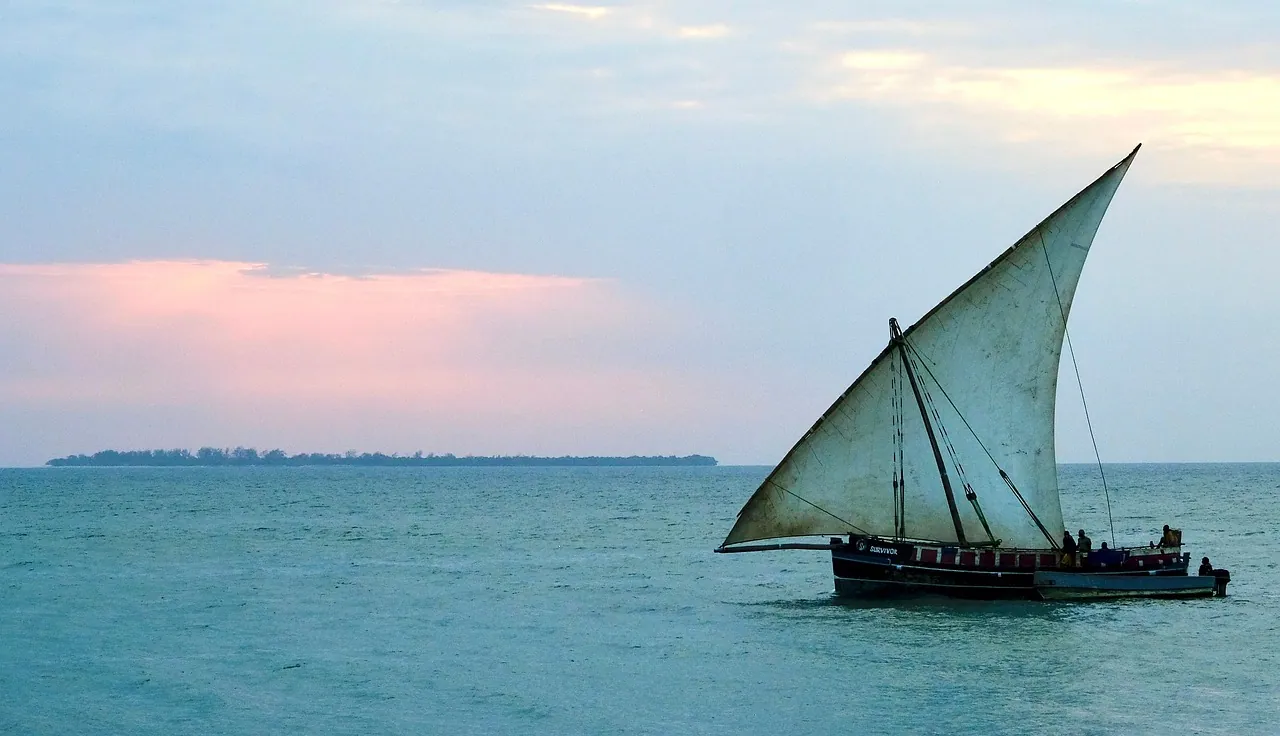
A Zanzibar beach extension fits even more naturally. Nyerere is a short flight from the island, so a two day Nyerere escape from Zanzibar is possible, and our South to the Spice Island itinerary pairs Ruaha and Nyerere with the coast. Do the bush first and the beach last, so the early starts come while you are fresh and the island is a soft landing.
If you want a western finish instead, Ruaha and Katavi connect by air, and the Mahale Mountains can be added for chimpanzees. That is a remote route, best for experienced travellers with time, and Lemala Safaris will say plainly if a combination looks too ambitious for the days you have.
11
Planning checklist for a southern trip
Before you book, settle four things: the month, the number of nights per park, how you will travel between parks, and whether walking and fly camping matter to you. Each changes the choice of camp. A trip for photographers might add nights in Ruaha, while a first southern trip with a beach finish may centre on Nyerere.
Practical details are short but important. Bring neutral long sleeves and trousers, since tsetse flies in parts of Ruaha and Katavi are drawn to blue and black. Take a warm layer for June to August evenings, good binoculars because distances are large, and insect repellent. Ask your doctor about malaria prevention well before you travel, since the parks lie in a malaria area.
- Travel in June to October for the strongest wildlife, and confirm which camps are open if you go outside it
- Allow three or four nights per park and a spare day for flights
- Pack in a soft bag of about 15 kg (33 lb) for light aircraft
- Tell your operator whether you want walks, boats or a fly camp, as camps differ
- Book early for July to October, because small camps have few rooms