01
Is a family safari in Tanzania a good idea?
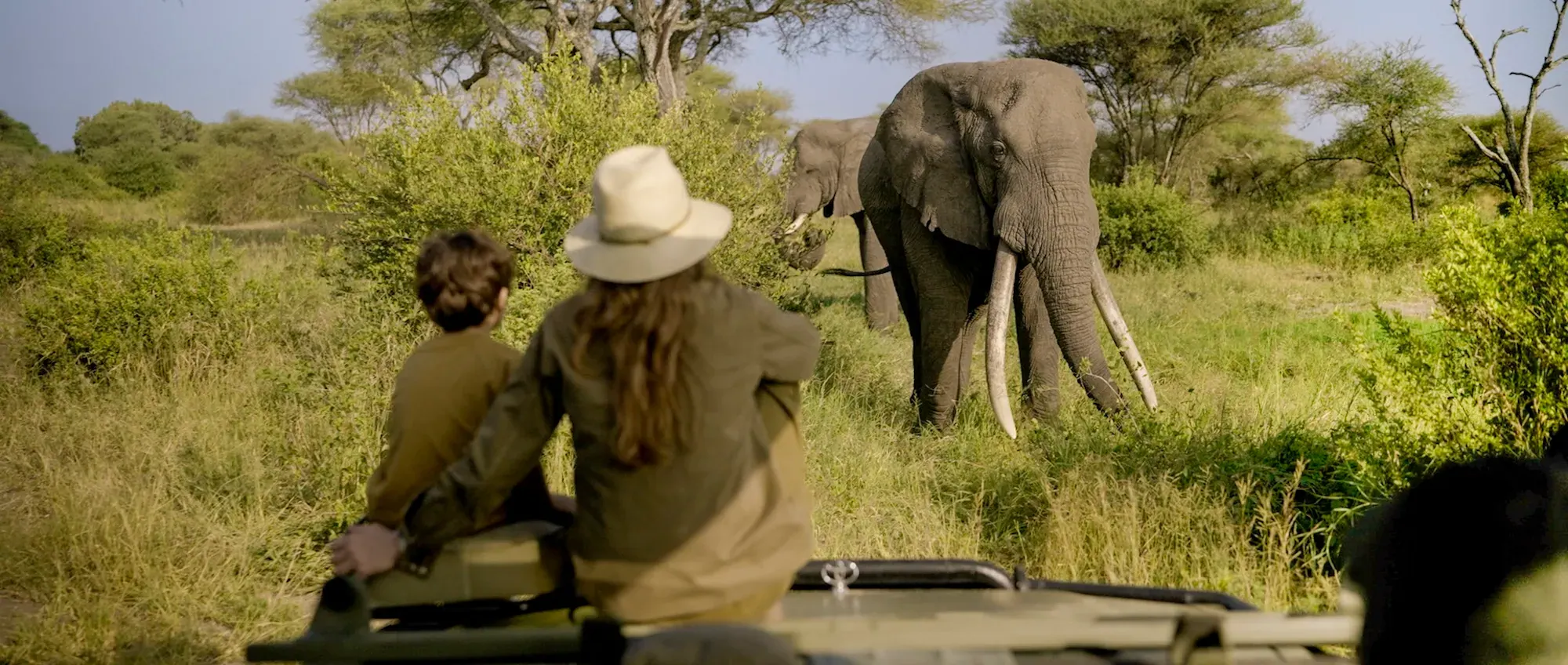
It usually arrives around the second day. The child who spent the flight staring at a tablet is on their feet beneath the roof hatch, hair blown flat, announcing ELEPHANT at full volume. A few days later the same child can tell a Thomson's gazelle from a Grant's at a hundred metres and holds firm views on hyenas. A family safari Tanzania style rarely leaves anyone unchanged, and that is the honest reason people come back.
It is also a trip where small decisions matter more than usual. The length of each drive, the choice of lodge, the age rules, the flexibility at mealtimes and the pace of the whole week decide whether the holiday is joyful or tearful. This guide sets out how we think about it, and where the rules differ from camp to camp, we say so rather than guess.
02
Choosing the right age and the right parks
People often ask about the best age for a safari. There is no single answer, and no legal minimum for a game drive in a private vehicle, but most children start to enjoy it between about six and eight, when patience and curiosity are in balance. Teenagers are often the most engaged of all. A safari with toddlers is possible, but it needs a calm plan, short drives and an honest conversation about naps.
Rules differ widely by camp, park and activity. Some lodges set a minimum age, often around six, sometimes relaxed for exclusive use bookings. Walking safaris and balloon flights have their own limits, commonly higher, and chimpanzee trekking is stricter again. We never assume: we check every rule against your children's ages before we propose a lodge or activity, and you should do the same with any operator.
For first family trips we favour the northern circuit, where the wildlife is dense, distances are manageable and lodges are used to families. Remote southern parks are wonderful, but long flights and basic logistics make them better for older children. A family friendly safari is mostly about matching the park to the youngest member of the group.
03
Why a private vehicle changes everything
On a shared vehicle you keep to somebody else's timetable. On a private vehicle, the day belongs to your family. You can stop for snacks, toilets and a nap, leave a sighting that has lost its charm, and stay for an hour with a warthog family if the children are hooked. For parents this is a practical benefit, not a luxury, and it is the part of the budget we would protect last.
Game drives with children also work better when the guide is part of the team. A good guide turns spotting into a game with a scoreboard, explains behaviour at the right level, and reads the mood in the car. Tell us in advance if anyone is nervous, carsick or fascinated by birds, and we can choose a guide whose style fits.
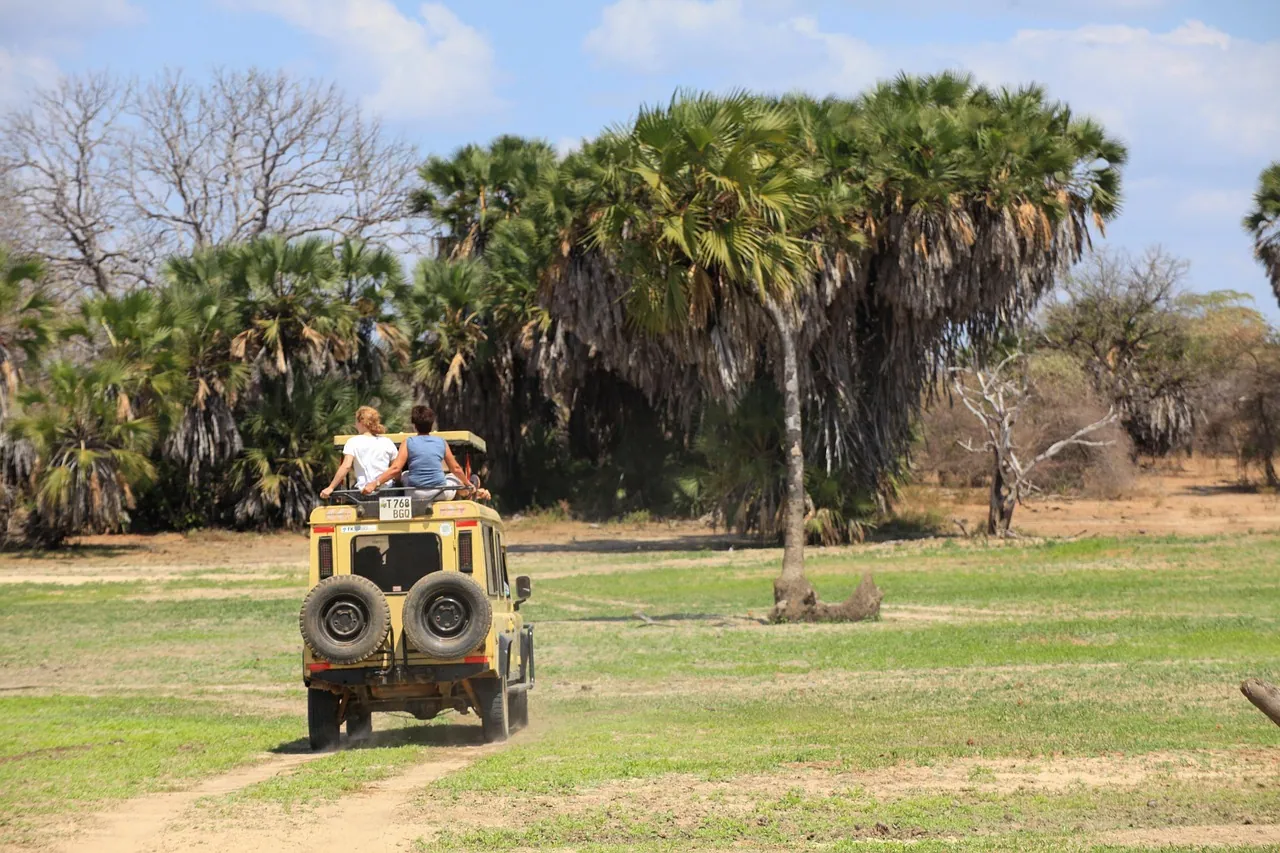
Open roofs and roof hatches are the best feature of a safari vehicle for children, since everyone can stand and see. Seat belts and the guide's rules about standing and noise still apply, and younger children should stay seated while the vehicle moves. Ask about the vehicle layout when you book, because the number of window seats matters when there are three or four of you.
04
Length of drives and keeping children engaged
No child will sit through eight hours of driving, and no one should be asked to. A family itinerary shortens the morning drive, builds in a long break at midday, and leaves a lighter second drive in the late afternoon. Many families skip one drive altogether on a long day, and nobody regrets the pool time. The aim is a child who is curious on day five, not exhausted.
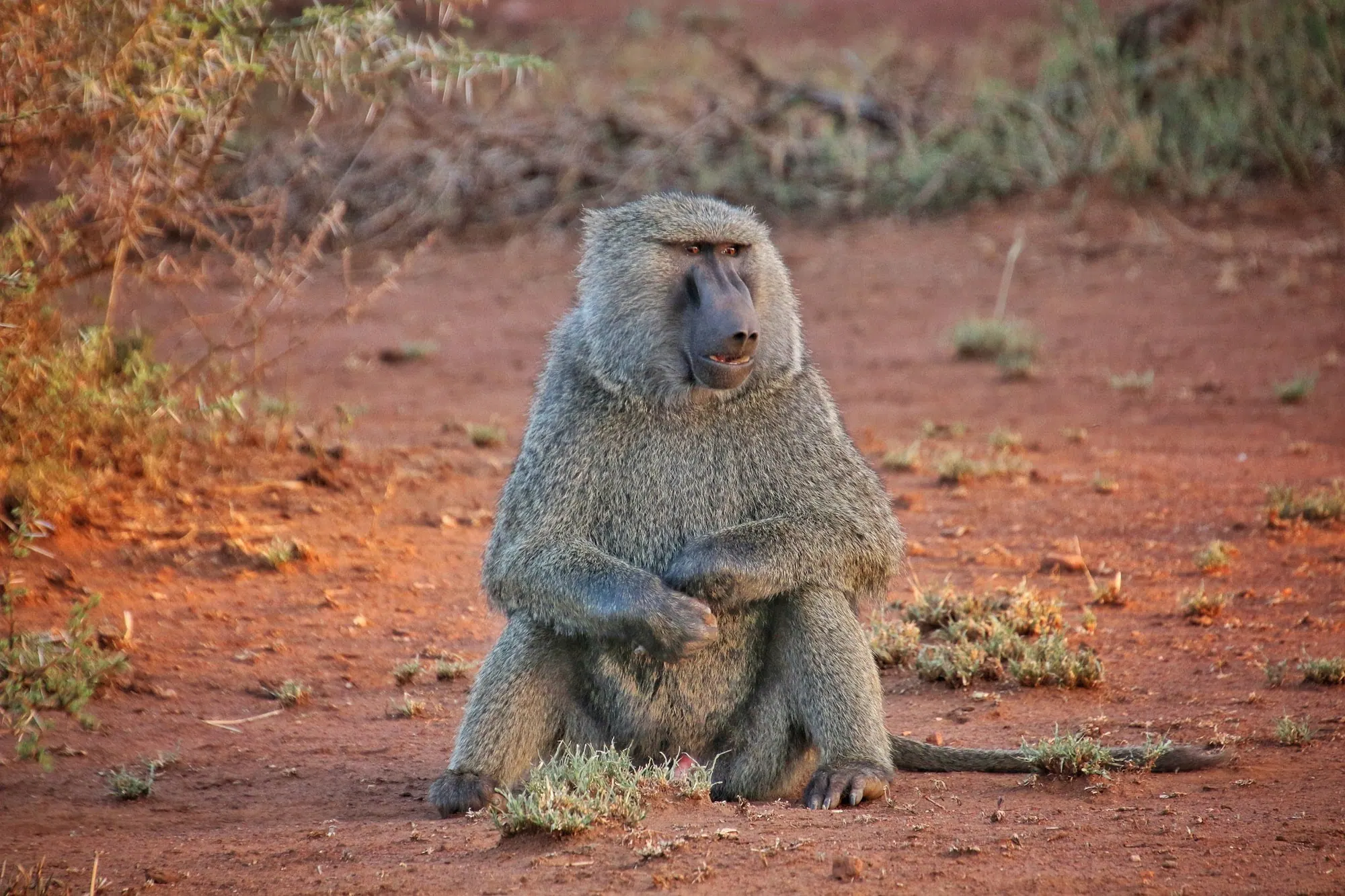
The safari day suits children if you give them jobs. Hand out child-sized binoculars, one pair each because sharing never lasts, and a spotting journal where they tick off animals and sketch what they saw. Ask the guide for tracking lessons, and let older children keep the species list. Short, regular rewards help far more than a lecture about patience.
Pack a few safari games for kids as well. Simple ones work best: bingo cards of common animals, a count of how many zebras are in a herd, or the first to spot a bird of prey. For the long road transfers, audio stories and a paper puzzle book help, and a few screen free hours are a gift to everyone.
- Keep morning drives to about three hours for younger children, and extend only if they ask
- Build a fixed midday break at the lodge, with a swimming pool if possible
- Give each child a role: navigator, bird spotter, record keeper, photographer
- Carry more snacks than you think you need, because drives run past snack time
05
Rooms, tents and safety around camp
A family tent or a pair of interconnecting rooms makes bedtime easier, and nights in an unfenced camp feel safer when children are close by. Not every lodge has them, and the number of family units is small, so the rooms often sell out first. Say how many beds you need and how old each child is, and we will match that against the real room layouts instead of assuming.
Safety around camp is simple and non negotiable. Lodges inside wildlife areas escort guests after dark, and children should never walk alone between the dining area and the room. Keep them close to an adult near water, steps and low walls, and follow the guide's instructions at every sighting. Is Tanzania safe for children? When the trip is run well, yes, and the risks are manageable with common sense.
A swimming pool is the great reward at midday, and some lodges add a children's menu, small activities and staff who enjoy having families around. Check pool depth and fencing if you have toddlers. Ask whether the camp offers childcare, and if it does, what the arrangements are, since these vary and some places do not provide it.
06
Health: malaria, sun and water
Malaria is present in much of Tanzania, and malaria prevention is advised for everyone, including children. Medication choices and dosing depend on a child's age and weight, and some drugs are not suitable for the youngest, so talk to a doctor or a travel clinic early, ideally six to eight weeks before you leave. We cannot give medical advice, but we can tell you which areas you will stay in.
Repellent, long sleeves and trousers in the evening, and nets where the camp provides them, are simple measures that work alongside medication. Ask your clinic about routine vaccines too. Check yellow fever certificate rules for your route, as they depend on where you have travelled from. Our travel information pages cover the basics, and your clinic has the final word.
Sun and water need more attention than parents expect. A sun hat, high factor sunscreen and sunglasses are essential, and the equatorial sun is strong even on a cool morning. Children should drink often during long drives, and bottled or filtered water is provided at lodges. Bring motion sickness tablets for the crater road if anyone is prone, and ask your doctor what is suitable for their age.
07
When to go: school holidays and booking early
School calendars usually decide the dates. July and August combine the long summer break with excellent dry season wildlife, which makes them the obvious window and also the busiest. Christmas and New Year form a second window, and a Christmas safari has a different character: green scenery, warm weather and newborn animals in the south. Many children respond more to a lion cub than to any river crossing.
Because school holidays fill the small number of family rooms first, book early. For July and August we would start six to twelve months ahead, and for Christmas about the same, since the best family units go quickly. If your dates are flexible, the shoulder months of June, September and October have fewer visitors, and Easter and the long rains are quiet but come with wetter weather and some closed camps.
08
Ngorongoro, Tarangire and Arusha for families
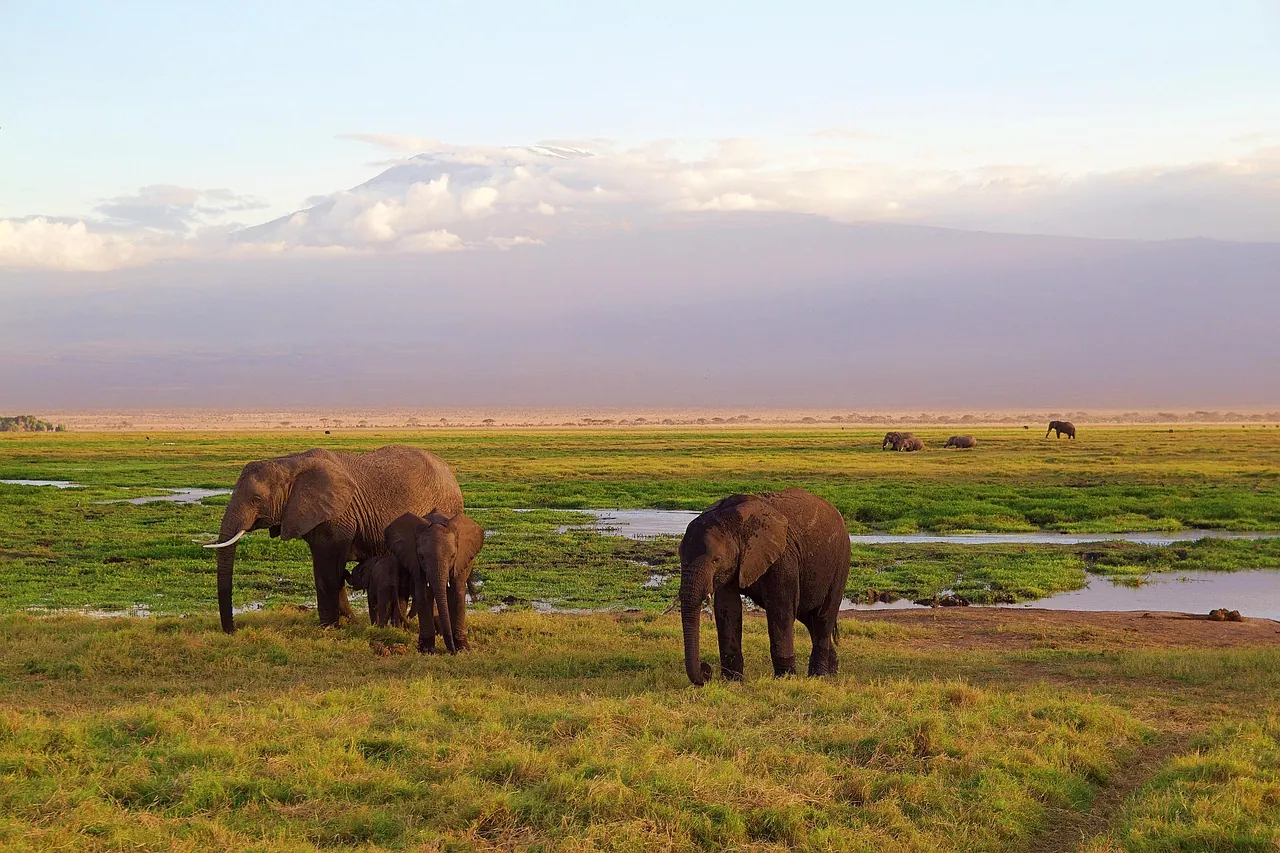
Three places work especially well for families. Arusha National Park is a gentle start, close to town, with giraffe, zebra and colobus monkeys, and one of the few parks where a guided walk is possible at any season. Tarangire National Park follows with baobab country and large herds of elephants, and the drive between the two is short enough to suit tired travellers.
The Ngorongoro Crater is the showpiece. A closed caldera of roughly 260 km² (100 sq mi), it holds close to 30,000 animals, so sightings come fast and children seldom get bored. The road down is steep, so bring motion sickness tablets. Combine it with a visit to a Maasai boma and the museum at Olduvai Gorge, where the Leakey discoveries are explained in terms children can follow.
The Serengeti is the long, slow finale. Central Serengeti keeps lions and other big cats year round, so you do not need to time the migration to see something thrilling. A bush flight back to Arusha shortens the last day, and it is usually a highlight in itself for children who have never been in a small aircraft.
09
Zanzibar as a beach finish
A Zanzibar beach finish is the most popular way to end a family safari, and the usual advice is safari first and beach second. Children cope with early mornings at the start of a holiday, and the island acts as a soft landing for everyone. Four days of safari followed by four on the coast is a common family split, though a longer trip allows more of each.
On the island, Nungwi and Kendwa in the north have little tidal change, so swimming works at any hour, which parents of small children appreciate. The east coast has wide sandbanks at low tide, and its water depends on the tide. Choose a hotel with a children's pool or shallow water, a gentle beach, and a short transfer from the airport.
Stone Town, spice farms, a dhow cruise at sunset and a visit to the tortoises on Prison Island all suit older children. Younger ones are often happiest with sand, shells and a pool. Remember that the island is hot and the sun is strong, so plan a rest in the middle of the day just as you did on safari.
10
Packing, food and picky eaters
Start with the adult basics of neutral clothing, a warm layer for cold mornings, a sun hat and sunscreen, and add the family extras. Bring child-sized binoculars, a notebook, motion sickness tablets, a few small games and a favourite toy for bedtime. Most lodges wash clothes the same day, so pack less than you think. Soft bags are essential if you fly in light aircraft, where luggage limits are about 15 kg (33 lb) a person.
If you wonder what to pack for a safari with kids, remember that muted colours are best and that blue and black attract tsetse flies in some parks. Bring slip on shoes for the tent, a head torch for each older child, and any medicines in your hand luggage. Keep your child's routine items close, because comfort objects help with unfamiliar sounds at night.
Food is usually easier than parents fear. Camps cook fresh meals, and picky eaters are catered for if you tell us in advance, with plain pasta, rice, eggs, chips and fruit usually available. Many lodges offer children's meals at an earlier time, and breakfast and packed lunches can be arranged to suit. Allergies need a clear note at booking, so each kitchen can prepare.
11
Multi-generational trips and a sample route
A multi-generational safari works well, because everyone shares the sightings and then goes their own way at midday. Grandparents on safari enjoy comfort and a sundowner, teenagers on safari get cameras and real adventure, and little ones get animals, water and dust. Choose lodges with gentle paths, easy steps and a pool, and ask for ground floor rooms for anyone who finds stairs difficult.
How long should a family safari be? Six to eight days on the ground lets you see the main parks at a child's pace, and ten days suits families who also want a beach. Here is a sample itinerary for a 10 day family safari: the one on our site runs for ten days in northern Tanzania, with a soft landing and a flight home from the Serengeti.
- Day 1: arrive in Arusha, rest at altitude of about 1,400 m (4,593 ft) and meet your guide
- Day 2: Arusha National Park, with giraffe, colobus monkeys and an optional guided walk
- Day 3: Tarangire, a full day among elephants and baobabs
- Day 4: a cultural morning around Karatu, giving the vehicle a rest
- Day 5: a full day on the floor of Ngorongoro Crater
- Day 6: a Maasai boma visit, Olduvai Gorge and on to the Serengeti
- Days 7 and 8: two unhurried days in the Serengeti
- Days 9 and 10: bush flight to Arusha, then home, or on to the coast for a few extra days