01
Five parks, one circuit, and a lot of choice
Most first safaris in Tanzania begin in the same corner of the country: the northern circuit, a loose ring of parks around Arusha. It includes the Serengeti, Ngorongoro Crater, Tarangire, Lake Manyara and the small but charming Arusha National Park. Each has a different landscape, a different strength in wildlife and a different feel, so the right choice depends on what you hope to see and how much time you have.
People often ask us a version of the same question: Serengeti or Ngorongoro, or perhaps Tarangire instead? The honest answer is that these parks are not really rivals. They complement each other, and the best northern Tanzania safari usually combines two, three or four of them in a sensible order. What matters is how many nights each deserves, which season you travel in and how much time you are prepared to spend on the road.
This guide goes through each park in turn, with distances from Arusha in kilometres and miles, the wildlife each does best, the season that suits it and the number of nights we would give it. After that you will find a comparison list, three sample itineraries for four, seven and ten days, and a simple way to decide. If you are comparing Tanzania safari parks for the first time, this is a good place to start.
02
The Serengeti: scale, predators and the herds
The Serengeti covers 14,763 km² of plains, kopjes, acacia woodland and river forest. It is the largest and most famous park on the circuit, and it is the one that gives you the feeling of being on the open African savanna. It lies about 335 km / 208 miles from Arusha, a drive of six to eight hours, so most visitors fly in on a small plane to one of the park airstrips, a flight of about an hour.
The Serengeti is best for big cats and for the movement of the herds. Lions, leopards and cheetahs are all seen regularly, and the Seronera area in the centre gives good game viewing in every month. Calving in the south runs from about January to March, and river crossings in the north are most likely from July to October. Our migration guide goes through the year in more detail, because the herds are never in the same place twice.
Because of its size, the Serengeti deserves time. How many days in the Serengeti? We recommend a minimum of three nights, and four or five if you can manage it, ideally split between two areas so you see more than one landscape. Balloon flights at dawn and, in selected concessions, walking safaris and night drives add variety. It suits first-time visitors and seasoned safari travellers alike, though it is also the busiest park on the circuit in peak months.
03
Ngorongoro Crater: the most wildlife per hour
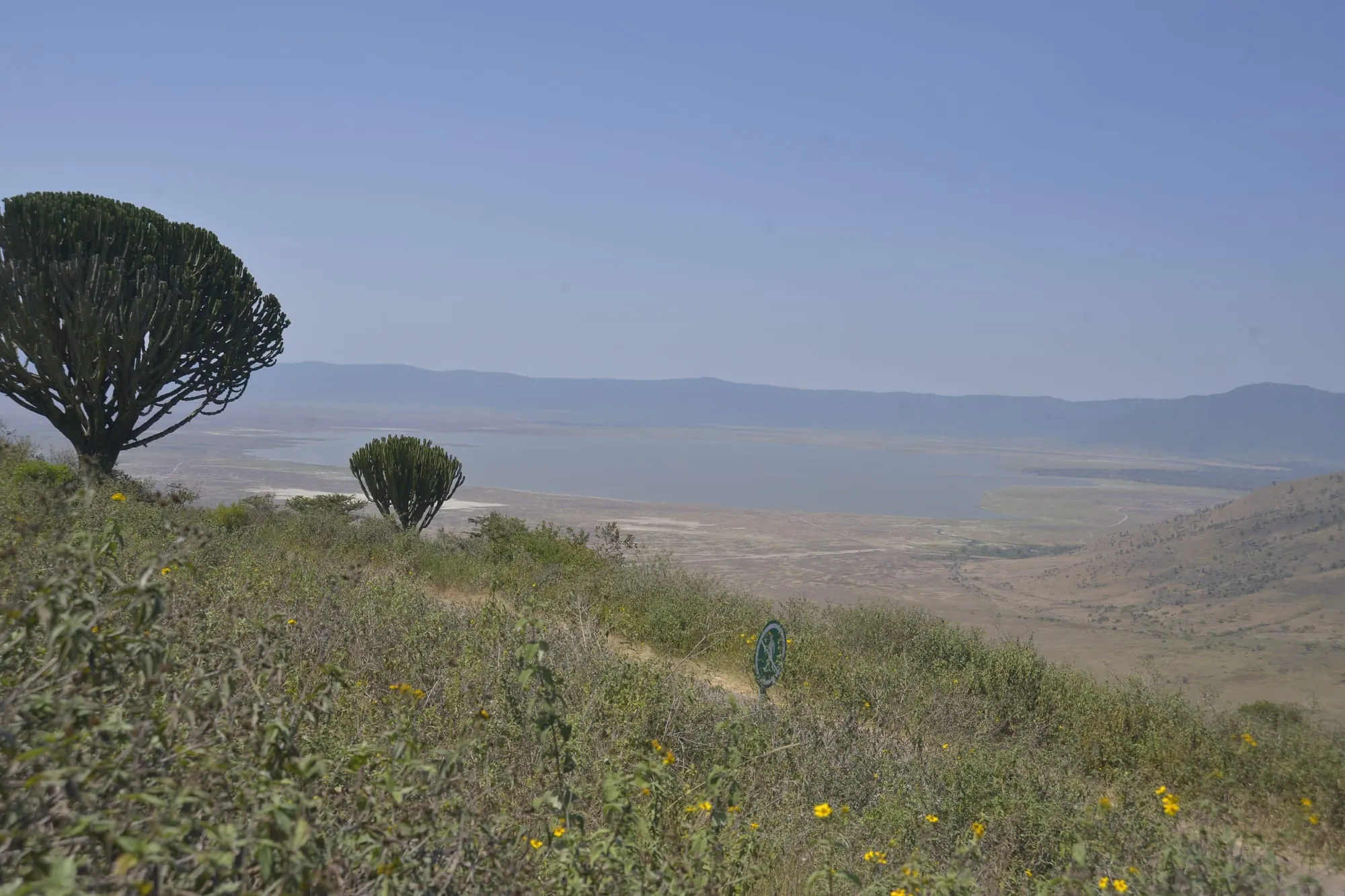
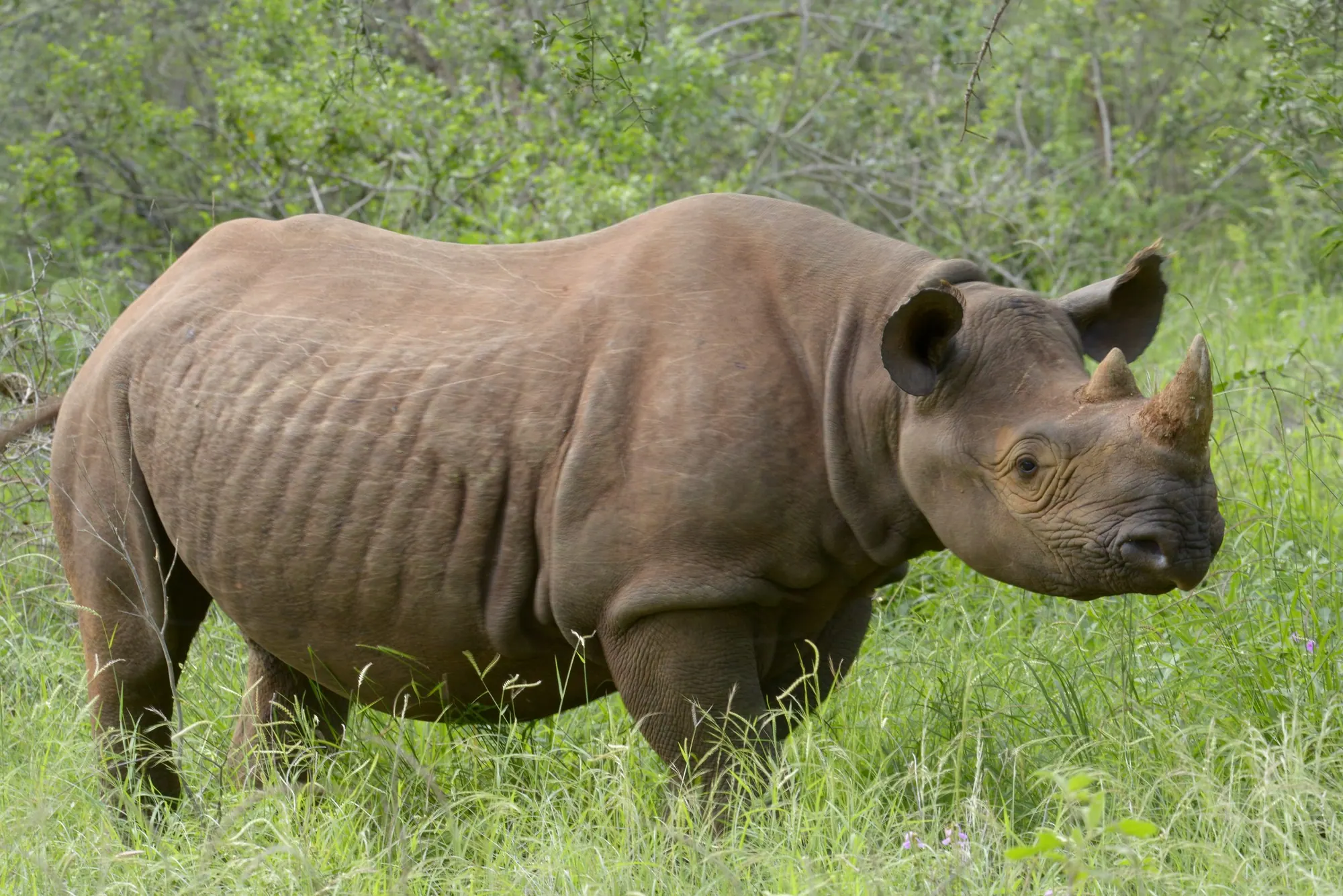
Ngorongoro is a collapsed volcano whose floor lies about 610 m / 2,000 ft below the rim. The crater floor covers 260 km², and it holds a remarkable density of animals in a space you can cross in an hour. Lion, elephant, buffalo, hippo and large herds of wildebeest and zebra live here all year, and seeing all of the Big Five in a single day is a realistic prospect. It is also one of the few places in Tanzania where black rhino can be seen with reasonable regularity. The drive from Arusha is about 180 km / 112 miles, three and a half to four hours by road.
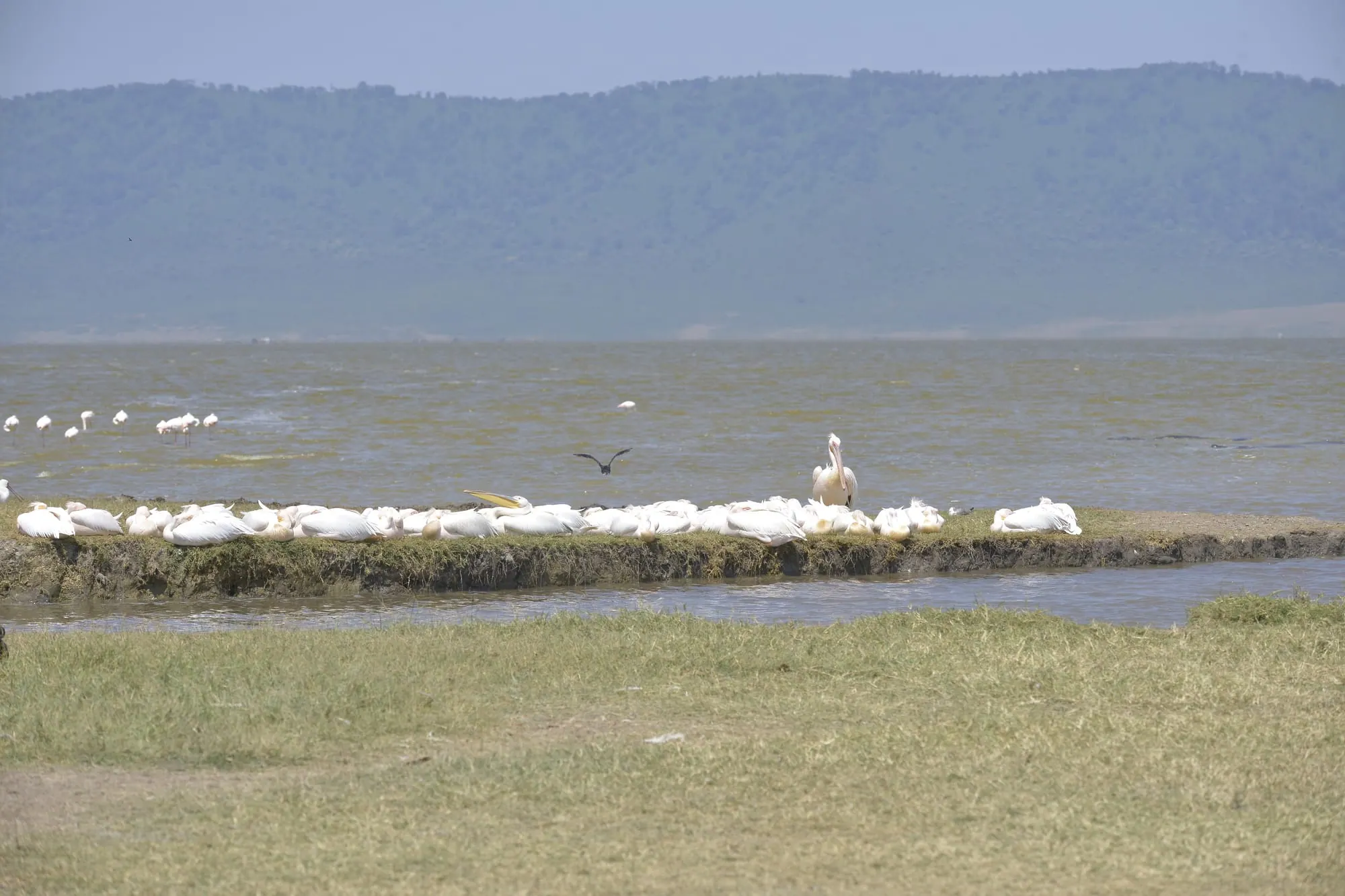
A visit is usually one long morning and early afternoon on the floor. You descend a steep track, drive across open grassland and the Lerai forest, stop for a picnic lunch by a hippo pool and climb back up in the afternoon. Lake Magadi, the soda lake on the floor, can hold flamingos when conditions suit. Nearby, Olduvai Gorge is a worthwhile stop for anyone interested in the story of early humans.
As for how many nights in Ngorongoro, one night on the crater rim is normally enough, and it lets you be among the first vehicles down in the morning. The crater works in every month, with the clearest skies in the dry months of June to October and January to March. It can be busy, since many vehicles descend at once, and there is no walking on the floor. If your time is short, a night on the rim is one of the best uses of a single day.
04
Tarangire: elephants, baobabs and quieter roads
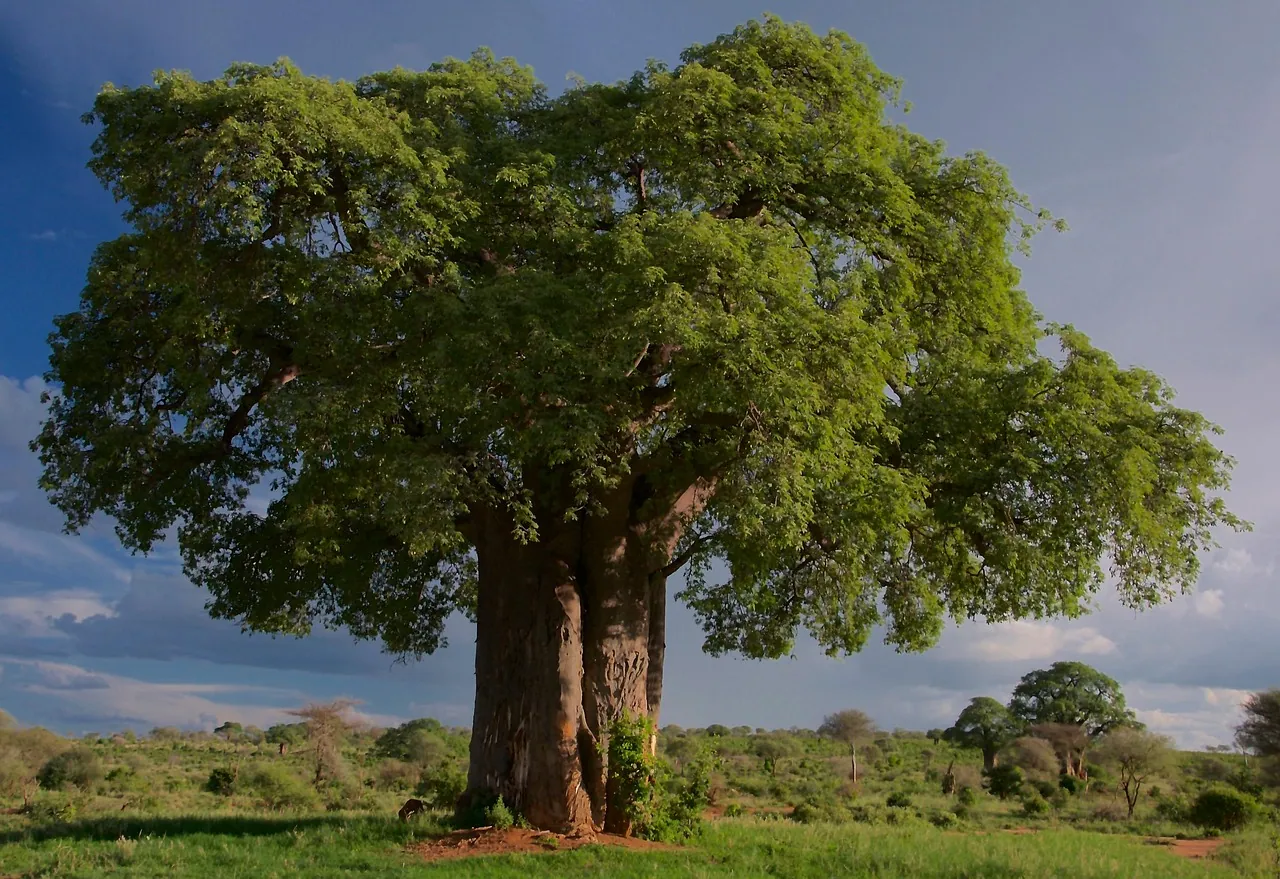
Tarangire covers 2,850 km² of rolling country shaded by baobab trees, some believed to be more than a thousand years old. It lies about 120 km / 75 miles from Arusha, a drive of around two hours, which makes it the easiest park to reach and a natural first or last stop. It is the park to choose if you love elephants: in the dry months, elephant herds of 300 or more come down to the Tarangire River to drink.
The best time for Tarangire is June to October, when the surrounding plains dry out and the animals concentrate along the river. Lions that rest in tree branches, fringe-eared oryx, gerenuk and over 550 recorded bird species give it a character the Serengeti cannot match. In the rains the park turns green, the birdlife is excellent and the animals spread out, so sightings are less concentrated but the scenery is lovely.
Tarangire is a quiet park by northern circuit standards, with fewer vehicles at most sightings. We suggest one or two nights. Two nights lets you do a full day in the park and a second morning at a different pace, and it works well if you are arriving from overseas and want a gentle start rather than a long drive on your first day. It is also a fine choice if you prefer to avoid crowds and still want strong game viewing.
05
Lake Manyara and Arusha National Park
Lake Manyara is a small park, 648 km², squeezed between the lake and the Rift Valley escarpment, which rises more than 600 m / about 2,000 ft above the water. It is about 126 km / 78 miles from Arusha. You pass through groundwater forest, grassland and acacia woodland to the lake shore. It is known for its tree-climbing lions, though these are not seen reliably, and for large baboon troops, hippos and flamingos when water levels are right.
Most people give Manyara half a day, often on the road between Arusha and Ngorongoro or the Serengeti, or together with Tarangire. It works best from June to October for wildlife, while the wetter months suit birdwatching. The Rift Valley views alone justify the stop. It is a gentle park and a good choice for families with children who need a shorter, varied day.
Arusha National Park, at 552 km², sits right beside Arusha and is the most overlooked park on the circuit. It has no lions or elephants to speak of, which is exactly why guided walking and canoe safari outings are possible. You can see colobus monkeys in the forest, giraffe and buffalo on the grassland, and flamingos on the Momella Lakes, with Mount Meru above and Kilimanjaro on a clear day. A single day, or a night before or after a long trip, is plenty.
06
Lake Eyasi and the cultural visits
Lake Eyasi is not a wildlife park, but it deserves a mention because it adds something the national parks cannot. Near the lake live the Hadzabe, one of the last communities in Africa that still hunt and gather for much of their food, and the Datoga, who are known for their blacksmithing and livestock. A visit means walking with the Hadzabe in the early morning and meeting the Datoga at their forge, always with respect for their wishes about photography and conversation.
Eyasi sits to the south of the Ngorongoro highlands, reached from the town of Karatu, and a visit usually adds a night on the circuit. The landscape is hot and dry compared with the cooler highlands, so bring sun protection and sturdy shoes. Visits run through the year, though the dry months make roads easier, and the green months bring thinner traffic.
We treat these as meetings rather than shows. A good cultural visit is well organised, paid for fairly and led by a guide who has spent years building the relationship. If you want it to be more than a photograph, give it a full morning and ask questions. For many travellers it becomes the most memorable part of a northern Tanzania safari, a human counterpart to the wildlife.
07
Seasons, crowds and walking options
The dry months, roughly June to October, are the classic time for the northern circuit. Wildlife gathers near water, roads are good and skies are clear. They are also the busiest months, especially in the northern Serengeti and on the crater floor. January and February are another good window, with calving in the south and warm, mostly dry days. The long rains, from about March to May, are the green season: fewer visitors, lush landscapes and lower rates, with some camps closed.
If crowds matter most to you, Tarangire and Lake Manyara are the quietest of the main parks, and the Serengeti is quiet away from the crossing points. In busy months, ask your guide to leave a crowded sighting and find a quieter track. Staying outside the main gates, or in camps in a private concession, also helps. Ngorongoro Crater is busy at almost any time, so an early descent is the best answer.
On walking, the options depend on the park. Arusha National Park has guided walks and canoe safaris, and a walking safari is possible in some Serengeti concessions, with an armed ranger. Ngorongoro allows rim walks with a ranger but not on the crater floor. Tarangire and Manyara are mainly game drive parks, though villages around Manyara offer walks and cycling. If walking matters to you, mention it early, because it affects which camps and areas we choose.
08
Sample itineraries for 4, 7 and 10 days
A 4 day safari from Arusha can include Tarangire, Lake Manyara and Ngorongoro. Spend the first night near Tarangire after a full day in the park, the second in the highlands near Karatu after a morning at Manyara, and the third on the crater rim before a morning on the crater floor and the drive back to Arusha. It is a full programme with a lot of driving, but it gives a strong taste of the circuit without the Serengeti.
A 7 day safari gives you room for the Serengeti. Use one night in Tarangire, one near Karatu, three nights in the Serengeti and one on the crater rim, finishing with the crater and the return to Arusha. If you prefer less driving, you can fly between Arusha and the Serengeti on a scheduled flight, which saves most of a day and leaves more time in the park.
A 10 day safari allows a slower and deeper plan. Begin with a day in Arusha National Park, then two nights in Tarangire, one night near Karatu with a Lake Eyasi visit, four nights in the Serengeti split between two camps, and one night on the crater rim. This is the version we recommend for a first big safari, because nothing feels rushed and you have a spare morning if the weather or a special sighting changes your plans. Treat each of these as a sample itinerary, not a fixed package.
09
A quick comparison and how to decide
If you want a simple way to compare the parks, think about what you would be sorry to miss. For predators and the scale of open country, choose the Serengeti. For the highest density of animals in one day, and a chance of rhino, choose Ngorongoro. For elephants, baobabs and few vehicles, choose Tarangire. For forest, flamingos and Rift Valley views, add Manyara. For a gentle start with walking, add Arusha National Park.
Then think about time. A week gives you three or four parks without feeling hurried. Under five days, pick two or three of the closer ones and skip the Serengeti drive, or fly in and out. Over ten days, you can add Eyasi and a second Serengeti camp. In each case we would rather give a park the nights it deserves than add a fifth park for one rushed afternoon. Anyone worrying about how to choose should start with their dates and their appetite for driving.
If you are still unsure, tell us your dates, who is travelling and what you most want to see, and we will suggest a route and be honest about the trade offs. Many travellers begin by asking which national park is best and end by realising that the answer is a sensible combination of two or three. That is a good outcome, and it is how the northern circuit is meant to be enjoyed.
- Serengeti: 14,763 km², 335 km / 208 miles from Arusha, best for big cats and the migration, three nights or more.
- Ngorongoro Crater: 180 km / 112 miles, best for dense wildlife and black rhino, one night on the rim.
- Tarangire: 120 km / 75 miles, best for elephants and baobabs, one or two nights.
- Lake Manyara: 126 km / 78 miles, best for forest, flamingos and views, half a day or one night.
- Arusha National Park: next to Arusha, best for walking and canoeing, one day.