01
Why Zanzibar works so well after a safari
About 25 km (15 miles) off the Tanzanian coast, in warm Indian Ocean water, lies an archipelago of coral islands. The largest, known locally as Unguja, is the one most visitors mean when they say Zanzibar. This Zanzibar travel guide is for anyone deciding where to stay, what to see and when to go, and it leans on what we have learned sending guests there at the end of their time in the bush.
The pairing makes sense. After days of early starts, dust and long drives, a stretch of white sand and warm sea is exactly the right way to let the trip settle. Zanzibar after safari is also easy to arrange, because short scheduled flights link the island with the northern circuit and the journey from savanna to sea takes under two hours in the air.
But the island is more than a place to lie down. It has a layered history, a living Swahili culture, spice farms, a rare forest monkey and reefs worth a day of anyone's time. Treat it as a destination in its own right and you will leave with a better feeling for East Africa than a beach alone would give you.
02
Stone Town: alleys, doors and a layered past
Stone Town is the old heart of Zanzibar City and a UNESCO World Heritage Site. Its twisting alleys, carved wooden doors, coral-stone houses and busy markets have changed little in more than a century. Merchants from Europe, India, Persia, Arabia and the Swahili coast all met here, and the town became the centre of East Africa's spice and slave trades. That history is visible in the buildings, and a good local guide helps you read it.
The best things to do in Stone Town are mostly on foot. Walk the lanes early, before the heat, and look up at the balconies and brass-studded doors. The Darajani Market is the working centre of the town, with spices, fish, fruit and fabrics. The Old Fort and the seafront give you a break from the maze, and the House of Wonders, the grand ceremonial palace on the waterfront, is a landmark even from the outside.
Be honest with yourself about time. A morning feels rushed, and a full day of guided walking is worth it if you like history. Many guests also spend a night in town, which lets you see Forodhani Gardens at dusk and leaves the alleys quiet and cool in the evening. Note that some sites, including the House of Wonders, have at times been closed for restoration, so check what is open before you plan around it.
03
Markets, food and Zanzibar seafood
Food is one of the island's great pleasures, and it carries the same mix of influences as the architecture. Coconut, cardamom, cloves, tamarind and chilli appear in dishes that borrow from India, Arabia and the African mainland. At the waterfront Forodhani Gardens, food stalls set up after dark and grill fresh fish, squid, octopus and skewers while locals and visitors stand around the lamps. It is lively, cheap and sociable.
Zanzibar seafood is the highlight wherever you stay. Look for whatever was caught that day: grilled kingfish, octopus in coconut sauce, prawns and, in season, lobster. Many beach restaurants let you pick your fish and cook it simply over charcoal. On the street you may meet urojo, a tangy soup, and the Zanzibar pizza, which is really a folded, pan-fried parcel with fillings of your choice.
A few sensible habits make eating out easier. Choose busy stalls with fast turnover, drink bottled or treated water, and be careful with ice and raw salads if your stomach is sensitive. Ask for prices before you order at a market stall, and carry small notes. If you are vegetarian, there is plenty of choice in curries, lentils, fresh fruit and cassava dishes.
04
Spice tours, Prison Island and Jozani forest
Zanzibar was once the world's top exporter of cloves, and a spice tour is the easiest way to understand why. You walk through plantations where cloves, nutmeg, cinnamon, vanilla, black pepper and lemongrass grow, and your guide hands you leaves and fruit to rub and smell. Local boys may weave you a hat from palm fronds and climb a coconut tree to show how it is done. Go with a guide who explains the crops and does not hurry you towards the shop.
Prison Island, also called Changuu, is a short boat ride from the old town. The old buildings were built in the nineteenth century, and the island is best known for its giant tortoises, which live in a protected enclosure and eat leaves from your hand. Visits suit families well and fit neatly into a half day. The water around the island is clear enough that many boats combine the tortoises with an hour of snorkelling.
Jozani Forest, in the middle of the island, is the one place to see the Zanzibar red colobus monkey, which is found nowhere else in the world. A guide leads you along a short path and through a boardwalk across the mangrove swamp, and the monkeys are often easy to see in the trees close to the trail. It sits on the way between the capital and the southeast coast, so it is simple to combine with a transfer.
05
The beaches by coast: north, east and southeast
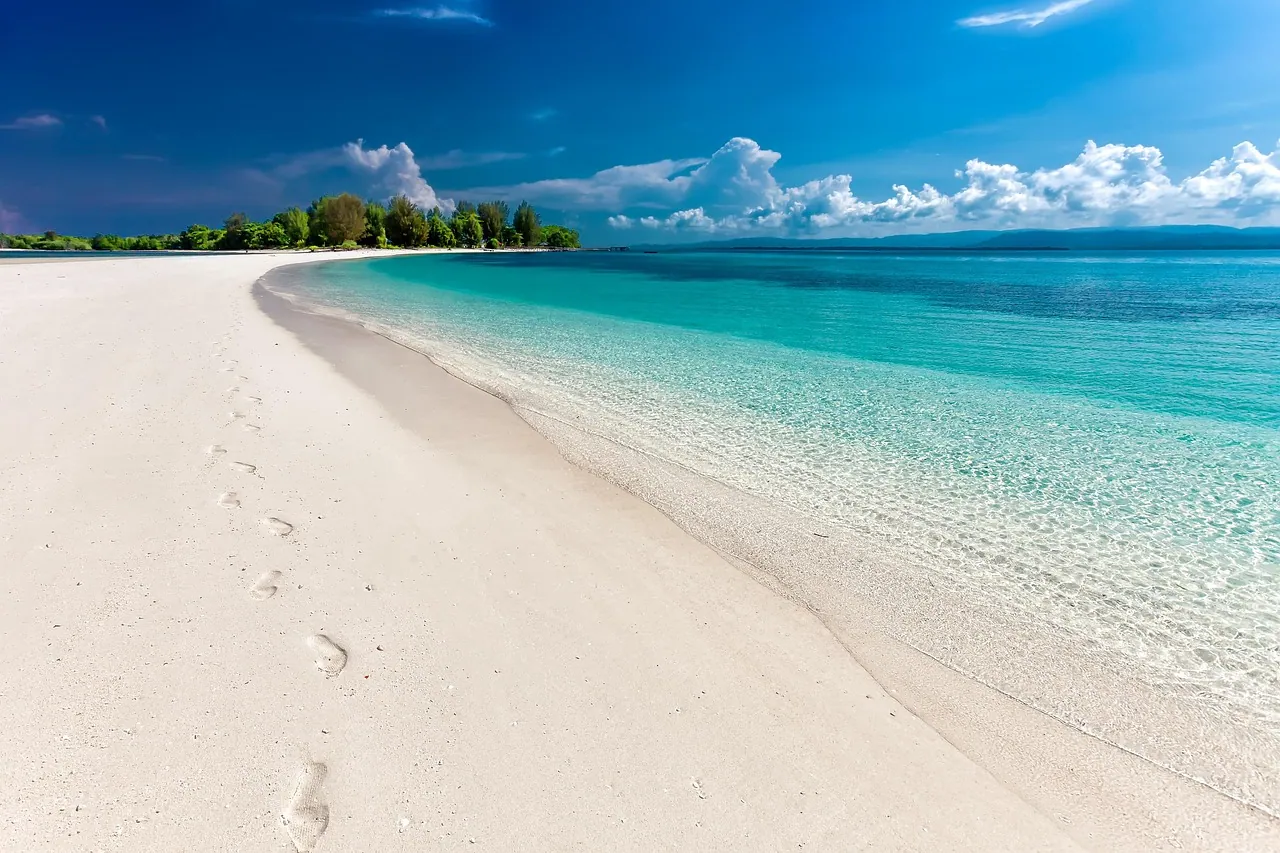
The coasts have distinct personalities, and choosing between the north coast or east coast is the most useful decision you will make. Nungwi and Kendwa in the north are barely touched by the tides, so swimming works at any hour, and the sunsets face the water. Nungwi is livelier, with restaurants, dive centres and a fishing village behind the sand. Kendwa is calmer and a little more spacious, with a beach that suits long walks.
On the eastern shore, Paje and Jambiani in the southeast draw kitesurfing fans, and their large tides leave wide sandbanks uncovered when the sea retreats. The water is shallow and beautiful, and at low tide you can see seaweed farmers working the flats. Kiwengwa on the east coast sits between the two styles, with long beaches and several larger resorts. We help you choose by asking what you want your days to be like.
The best beaches in Zanzibar are the ones that match your habits. If you want to swim at any time, choose the north. If you like wind sports, a barefoot atmosphere and wide-open views, choose the southeast. If you want a resort with plenty of facilities and a quiet beach, the east coast fits. None of them is wrong, and a few days on two coasts is a fine plan.
- North coast: Nungwi and Kendwa, swimmable at all tides and strong for sunsets.
- East coast: Kiwengwa, long beaches and larger resorts, with the sea moving more with the tide.
- Southeast: Paje and Jambiani, wide sandbanks, kitesurfing and a relaxed village feel.
06
Snorkelling, diving and Mnemba Atoll
Underwater, the island is just as rich as it is on land. Snorkelling in Zanzibar is excellent on the reefs around the coast, and boats leave from most beaches each morning. Mnemba Atoll, a small protected island and reef off the northeast tip, is the best known site, with clear water, colourful reef fish and turtles. Boats set out from the north coast and from Matemwe, and the trip usually takes a half day.
Diving in Zanzibar suits both beginners and certified divers. Dive centres in Nungwi and elsewhere offer introductory dives and certification courses, and the reefs vary from gentle shallow gardens to deeper walls. Visibility changes with the season and the tide, so ask the dive centre which site is best on the day you go. If you hold a diving certification, bring the card.
On the south coast, the sea off Kizimkazi is a dependable place to meet dolphins, and humpback whales pass seasonally. Always choose an operator that keeps a respectful distance and does not chase the animals. A good crew will limit the time in the water, keep engines low and put the dolphins' comfort first, which is also how you get the best encounters.
07
Dhow cruises, culture and modest dress
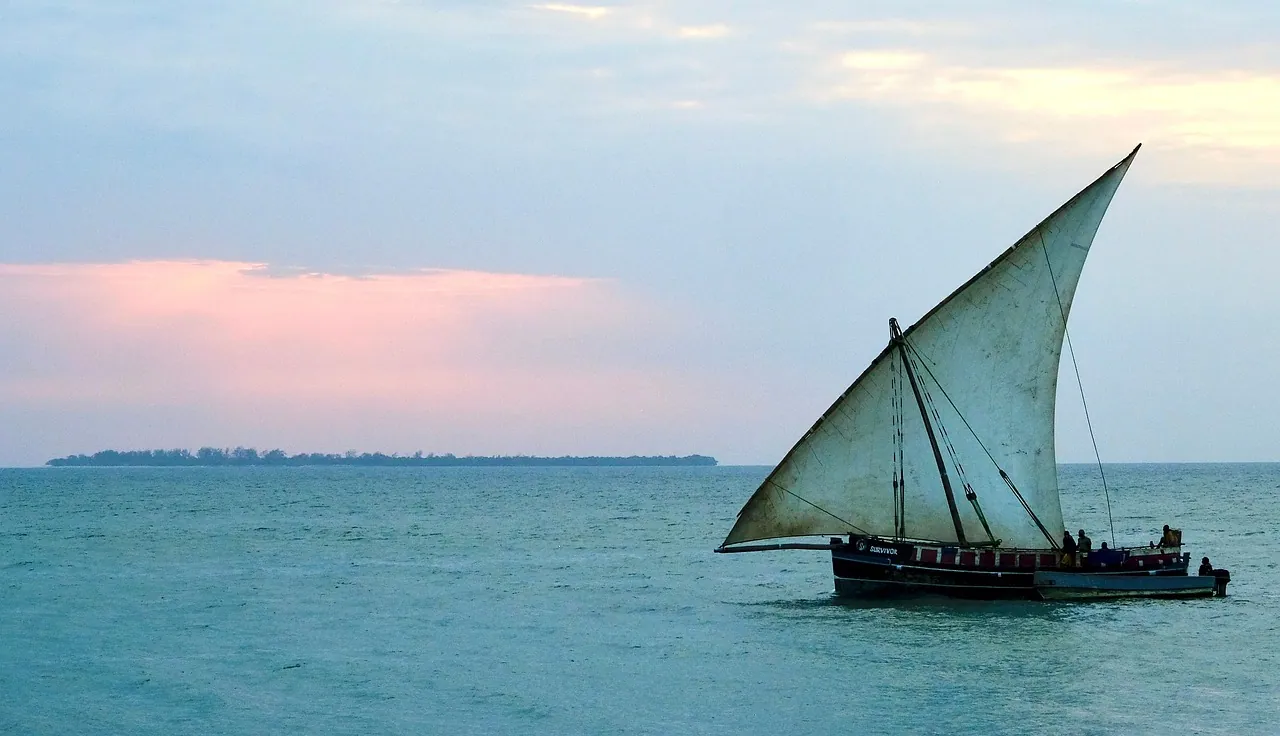
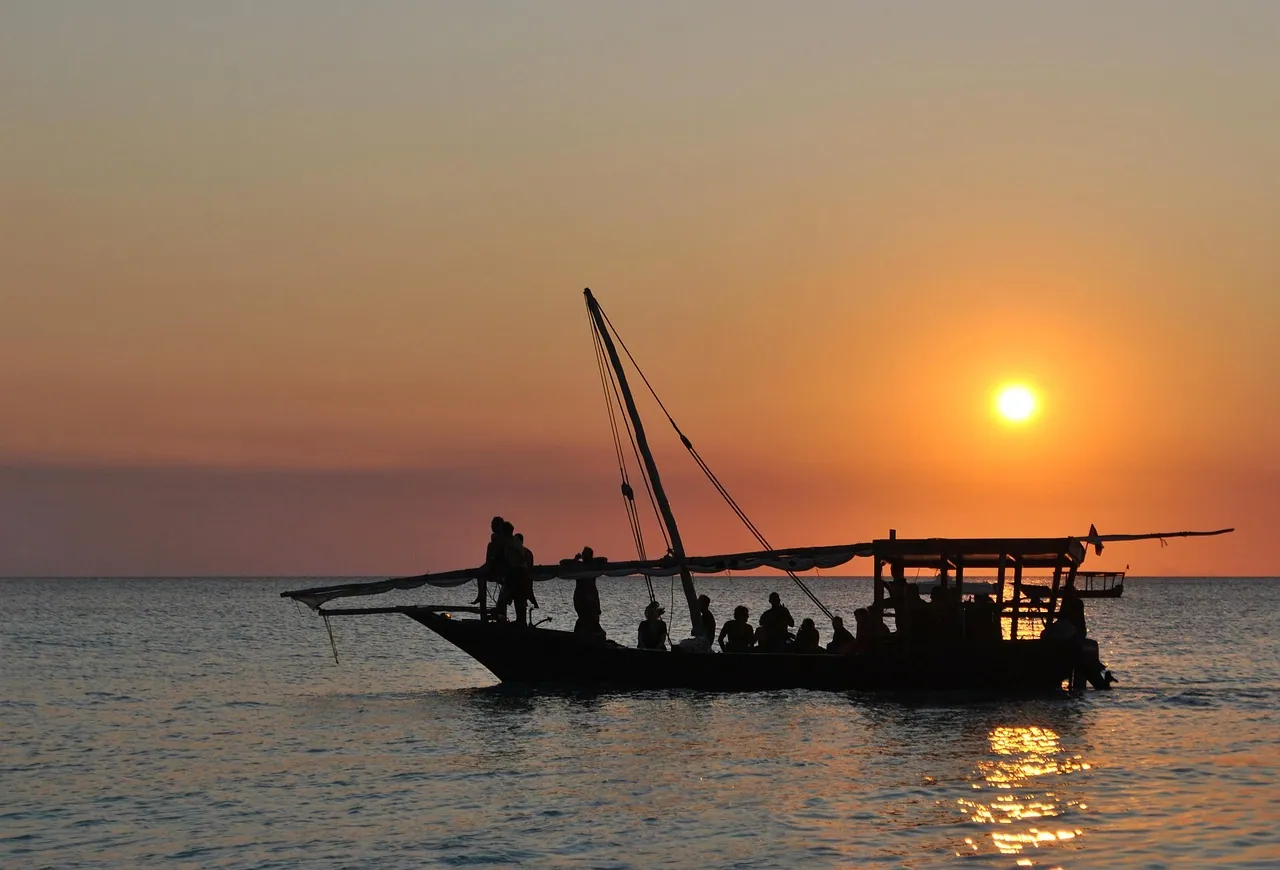
A dhow cruise at sunset is the classic way to see the coast from the water. These wooden sailing boats, with their triangular sails, have carried cargo and people across the Indian Ocean for centuries. Most evening trips offer drinks, fruit or a simple meal, and the light on the sea is lovely. Choose a boat with good lifejackets and a skipper who does not overload the deck, and avoid the busiest departure times if you can.
Swahili culture shapes daily life on the island, and the population is largely Muslim. In the old town and in villages, modest dress is polite and appreciated: cover your shoulders and knees, and keep swimwear for the beach and your resort. Ask before you photograph people, and be patient if someone declines. During Ramadan, expect quieter days, and eat and drink discreetly in public.
The call to prayer, the greetings in Swahili and the slower rhythm of the villages are part of what you came for. A few words help: jambo for hello, asante for thank you, and pole pole for slowly. Spend a little money in local shops and restaurants, hire local guides and boatmen, and the visit gives something back to the communities you pass through.
08
Best months, weather and the winds
Temperatures stay warm all year, so the question is rain and wind. The best time to visit Zanzibar is usually June to October and again from December to February, when the days are driest and most dependable. The long rains fall from about March to May, and the Zanzibar rainy season can bring heavy downpours, humidity and some quiet hotels. A short wetter spell tends to come around November.
The island's winds also change. The kaskazi wind blows from the northeast at the turn of the year and brings hot, humid days and calmer seas on the east. The kusi wind blows from the southeast in the middle of the year, bringing cooler, breezier weather that kitesurfers love. These patterns are a guide, not a promise, and weather in any single week can surprise you.
Tides on the east coast deserve planning. At low tide the sea may withdraw a long way, leaving sandbanks, rock pools and seaweed farms, and swimming at the beach in front of your hotel can be impossible for a few hours. Check the tide table when you arrive and arrange your boat trips, swims and walks around it. The north coast is much less affected.
Put together, Zanzibar weather rewards a little flexibility. If your dates are fixed in the wetter months, you can still have a good beach holiday: showers tend to arrive in bursts, the sea stays warm and the island is green and quiet. Pack a light rain jacket, reef shoes for rocky shores and a hat, and plan the old town and the spice farms for the mornings, when the heat and the cloud are kindest.
09
How to get to Zanzibar
Most guests arrive by air. Abeid Amani Karume International Airport, near Zanzibar Town, receives international flights, and there are regular scheduled flights from Dar es Salaam, Arusha and the Serengeti airstrips. The flight from the northern parks is short, usually under two hours in total with connections, and light aircraft flights have a baggage limit of around 15 kg / 33 lb, so pack in a soft bag.
The other way is the ferry from Dar es Salaam. Fast ferries run through the day and usually take around two hours, with slower boats taking longer. Sea conditions vary, and the crossing can be rough in strong winds, so it is not ideal for anyone prone to seasickness. Check times and book ahead in the busiest months. Some guests like the ferry because it feels like an arrival by sea.
No separate visa is needed because Zanzibar belongs to Tanzania, so your Tanzanian visa applies. There is an extra immigration check on arrival but no further visa fee. Visa rules change, so confirm them with official immigration sources before you travel. We arrange your airport transfers, and your driver will meet you at the airport or ferry terminal.
10
How many days in Zanzibar, and which stay to choose
For most people, how many days in Zanzibar comes down to three to five nights. That is enough for the old town and a spice farm, with unhurried beach days after. If you love diving, kitesurfing or simply doing nothing, a week is easy to fill. If you are short of time, two nights on the beach still help, but you will feel the transfer more.
Stays range widely. Simple beachfront guesthouses suit those who want to keep the budget for the safari, while mid-range hotels bring pools, restaurants and sea views. An all-inclusive resort takes care of meals and drinks, which is convenient if you want no decisions at all. Our partner stays in Nungwi and elsewhere on the island sit across the Trail, Ridge and Summit collections, so you can match your level.
To combine a beach stay with a safari, begin with the bush and end on the coast, because the beach is the better place to wind down. Our Bush to Beach itinerary does this in ten days, and a Kilimanjaro climb followed by a few days on the island is another popular pairing. Tell us your dates and your style, and we will fit the island around them.