01
Why choose a safari without domestic flights
Most travellers who ask for a safari without domestic flights have a clear reason, and it is rarely just one. Some want to avoid small aircraft because they are uneasy about them. Some have counted the cost of every extra seat and would rather spend it on nights in the bush. Others have read about baggage rules, or simply want to watch the country change from the window instead of from thirty minutes of cloud.
A road safari Tanzania style is also the original way to do it. Long before bush airstrips became routine, visitors reached the northern parks by road, and for the northern part of the country it still works well. The distances are real, but they are manageable, and the scenery between parks is part of the trip rather than something to hurry past.
If you recognise yourself in one of these reasons, you are in good company. Families with young children often prefer road travel because the pace is flexible. Photographers like it because they can stop when the light is good. Older travellers sometimes choose it because getting on and off a small plane with bags is one thing they would rather skip. None of these reasons needs an apology.
02
What road only means in Tanzania
Road only means that every transfer between your arrival point and your last park is done in a vehicle, normally the same private safari vehicle and the same driver guide from start to finish. You land at an international gateway, drive to your first night, drive between parks, and drive back. No bush airstrip, no scheduled hop, no weighing of bags at a small terminal.
It does not mean you never fly at all. Most visitors still arrive on an international flight, usually into Kilimanjaro Airport, which sits between Arusha and Moshi and is the natural start for the north. Some also use Arusha Airport or fly home from Kilimanjaro on an international service. What you avoid is the domestic flying that normally links parks and the coast.
It also helps to be clear about what road only is not. It is not a cheaper, lesser version of a safari. You are in the same parks, with the same wildlife and the same guides. The difference is how you get between them, and what the days feel like because of it. Understanding that difference early makes the rest of the planning much easier.
03
Which parks work by road from Arusha
This style of safari shines on the northern circuit by road. From Arusha and Kilimanjaro Airport you can reach Arusha National Park, Tarangire National Park, the Manyara area, Ngorongoro and Serengeti National Park on connected roads, all in one loop and all with the same vehicle. This is the classic Tanzania safari by road, and it covers a remarkable range of habitats.
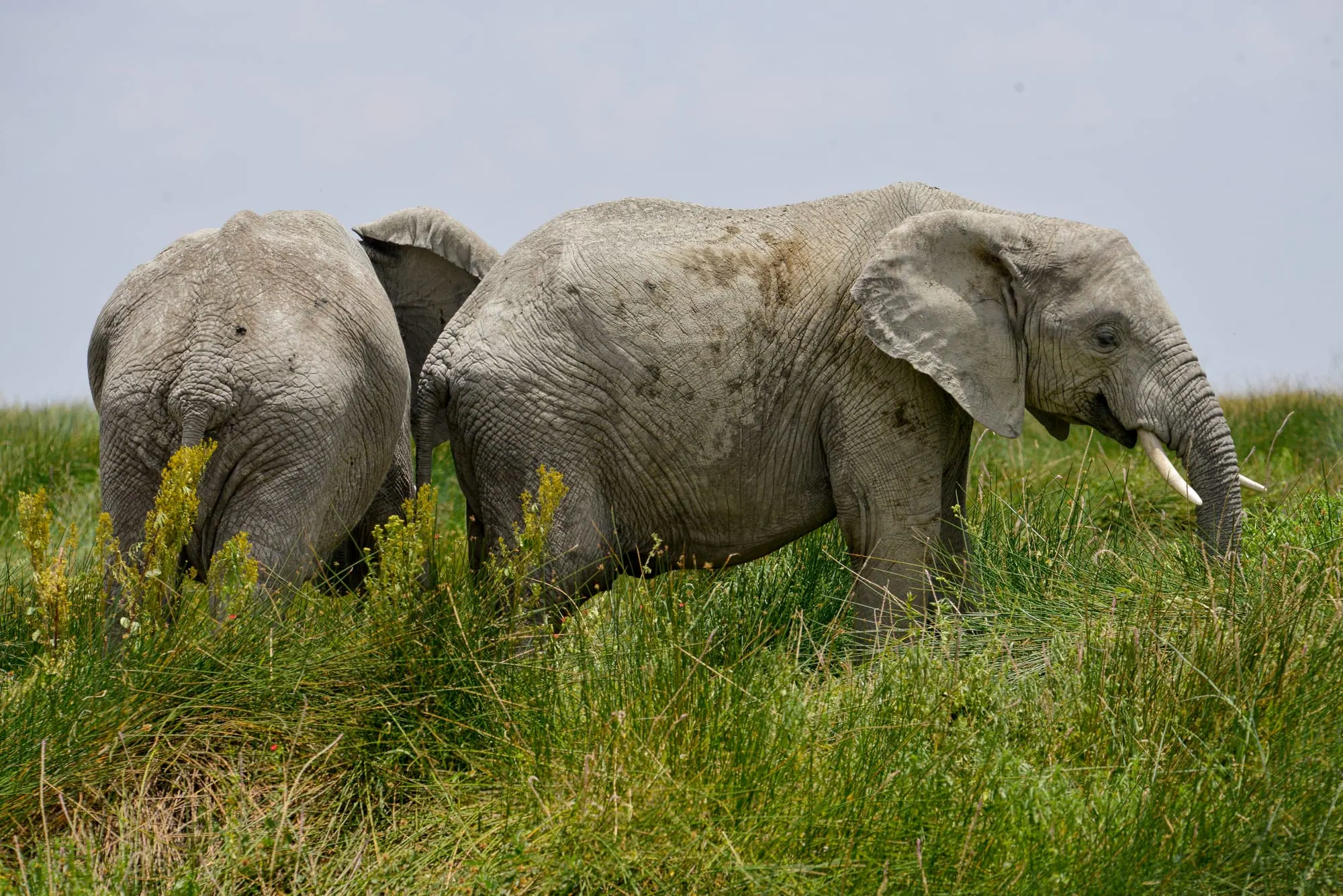
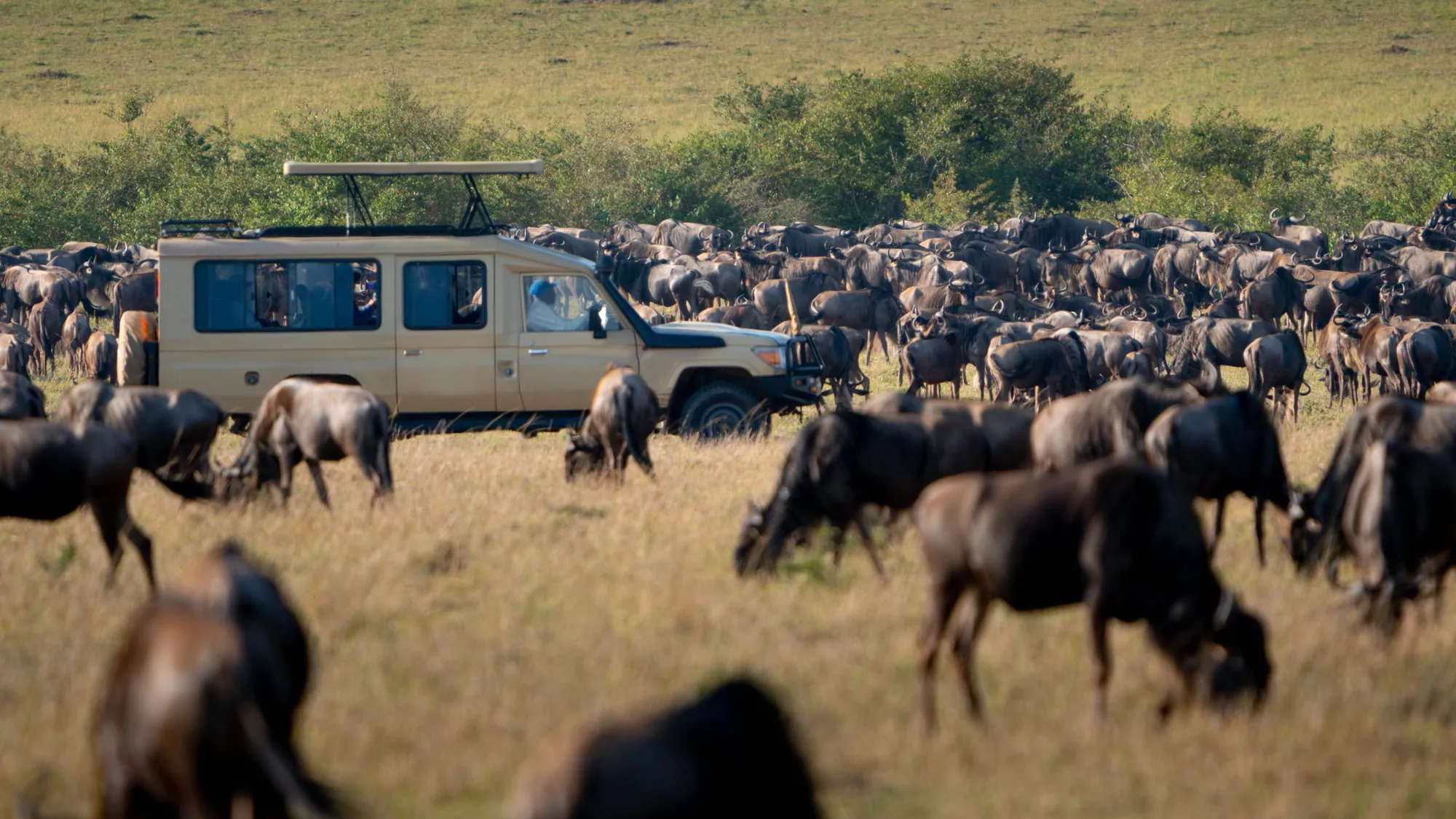
Arusha National Park is the closest, usually under an hour from town, and works well as a gentle first or last day, with forest, lakes and views of Mount Meru. Tarangire is known for elephants and baobab trees. Lake Manyara is a compact park under an escarpment, and the Ngorongoro Crater is a huge volcanic caldera that holds a dense concentration of wildlife on its floor. The Serengeti is the great open plain at the end of the loop.
Not every area in the north is equally easy. The central Serengeti is reachable by road in a long day, but the far northern Serengeti is a much bigger commitment, and we say more about that below. For the southern parks, the picture is different, and it is better to be honest about it now than to disappoint you later.
04
What does not work by road
The southern parks, including Nyerere National Park and Ruaha National Park, are normally reached by air. They sit far from Arusha, and the road journeys are very long, so most operators and travellers treat them as a fly in safari. Some are reachable by road from Dar es Salaam in a long day or more, but that is a different trip from a northern loop, and it is best planned on its own terms.
Zanzibar is an island, so it always needs a crossing. Visitors normally fly there, but there is also a Zanzibar ferry from Dar es Salaam. That is a sensible option if you want to avoid aircraft altogether, though you would need to reach Dar es Salaam first, which is a long way from the northern parks by road. Most people who want a road safari simply keep the coast for another trip or end the holiday at the northern parks.
We would rather tell you this plainly. A true road safari in Tanzania is a northern circuit safari. If you have your heart set on the southern wilderness or a beach finish, the honest answer is that you will need to accept a flight, or give those places more time and a separate journey. Many guests decide the north is plenty for a first visit, and we think that is a good decision.
05
Driving times and road conditions between the parks
Driving times between parks vary with traffic, weather, vehicle and how often you stop, so treat every figure as a rounded guide. Arusha to Tarangire is usually around two to three hours. Arusha to the Manyara park gate is often about two hours. Lake Manyara to the Ngorongoro rim is commonly one to two hours, and Karatu, the small town near the crater road, is a popular overnight base. Our drive from Arusha to Ngorongoro is typically around three to four hours without long stops.
The longest leg is the Arusha to Serengeti drive. From Karatu, you climb to the crater rim, pass through the conservation area, and continue on a much rougher road toward Naabi Hill gate and then Seronera in the central Serengeti. Expect a long day, often six to eight hours of driving from Arusha with stops, and sometimes more. It is a drive you plan for, rather than squeeze in.
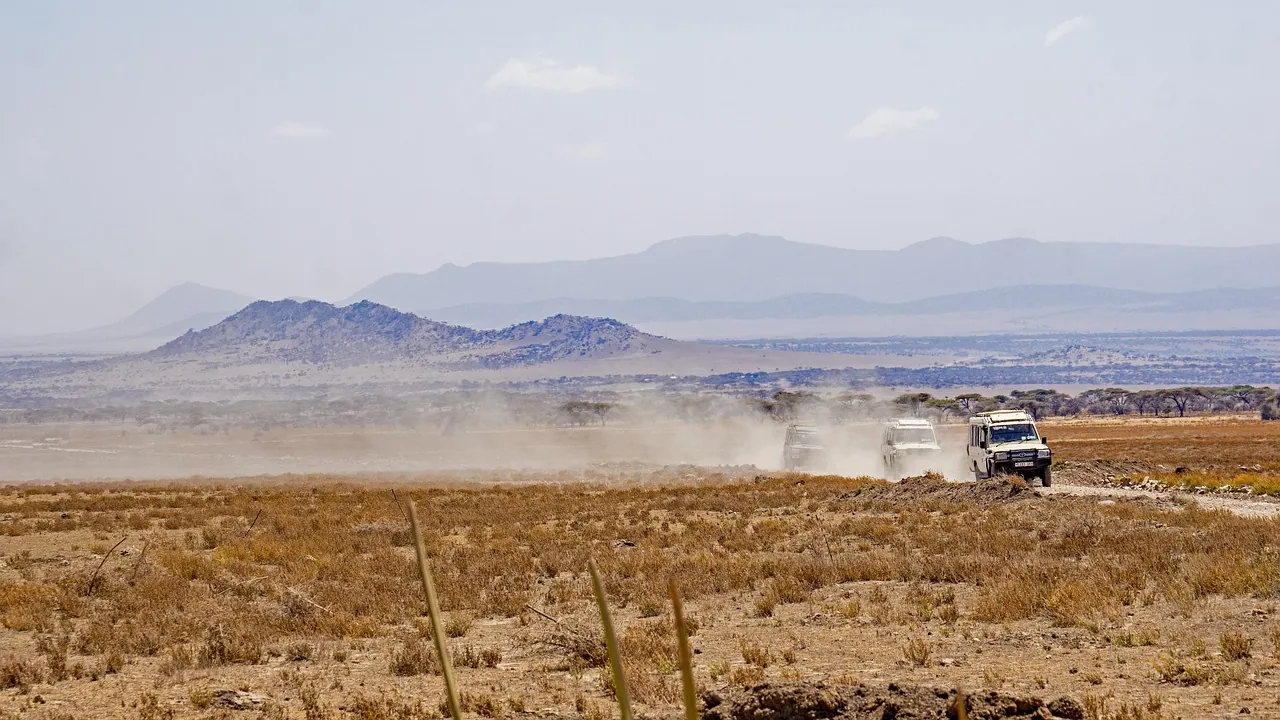
Road conditions are a real part of the experience. The main roads from Arusha through Karatu are generally paved. After the crater area and inside the parks, you will meet gravel and dirt tracks, and corrugated roads that shake the vehicle. Rain can make sections slippery, and dust is common in dry months. A good driver guide reads the surface well, slows down at the right places and chooses when to stop.
06
How a road only itinerary is paced
The secret of a good road itinerary is to avoid doing too much driving on consecutive days. A sensible pattern mixes one long travel day with two or three shorter ones, and gives the Serengeti and the Ngorongoro Crater the time they deserve. Here are sample routes, which we adjust to the people travelling.
A five day road safari is a compact trip. Spend one night near Arusha or Tarangire, one night around Manyara or the highlands, and a long middle stretch for the crater with a night on the rim, then return. It sacrifices the Serengeti, but it gives a very full taste of the north without rushing. Some guests choose a short Serengeti addition, but on road it is a big stretch for five days.
A seven day road safari is where the Serengeti becomes realistic. A common pattern is one night at Tarangire, one near Manyara, two or three in the Serengeti, one at the Ngorongoro rim, and a final night near Arusha. A nine day road safari adds breathing space: extra time at Tarangire and Manyara, three nights around Seronera, and a rest day without a long drive before you head home.
- Five days: Arusha area, Tarangire, Manyara, the crater, return to Arusha.
- Seven days: Tarangire, the highlands, Seronera for two or three nights, Ngorongoro rim, Arusha.
- Nine days: adds more time at Tarangire, Manyara and the Serengeti, with fewer back to back travel days.
07
What you gain and what you give up
The gains are easy to name. You see the landscape: farmland, highlands, the Great Rift Valley escarpment, Maasai villages and the slow shift from green to dry plain. You have flexibility, because a vehicle can stop for a bird, a sunset or a roadside breakfast. There are no safari luggage limits to worry about, since you are not boarding light aircraft with weight allowances, and the overall cost is usually lower than a trip that relies on several flights.
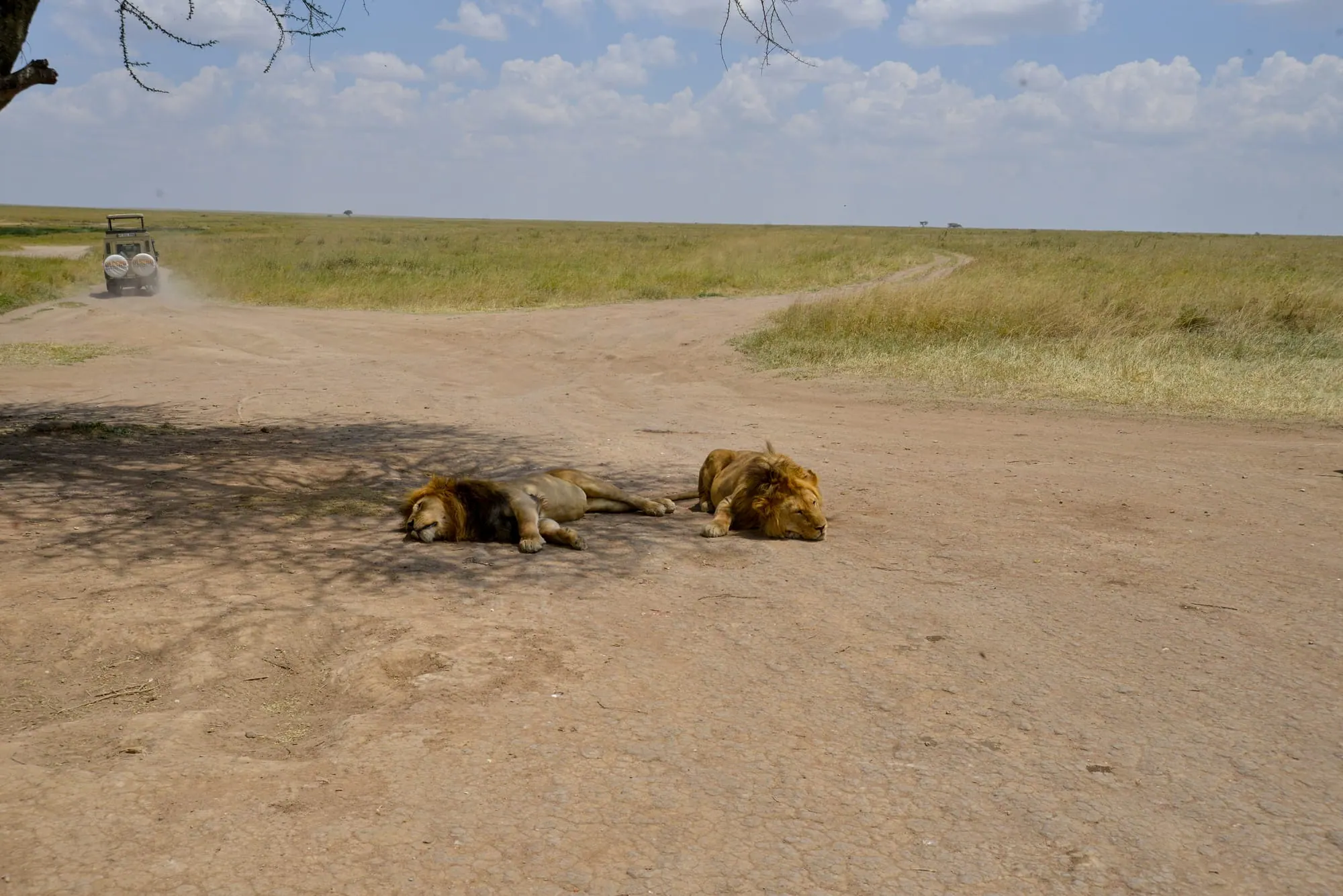
The costs are time and energy. Driving takes hours, and some of those hours are bumpy. You will not be able to reach the northern Serengeti in a short trip, because the road from Seronera north is long and slow. The northern Serengeti is where many travellers go for the river crossings, and by road it is a major addition that usually needs extra days. The Seronera area is the more realistic target for a road itinerary.
Whether those trade offs suit you depends on your priorities. If your time is short and you want the furthest corners of the Serengeti, a mixed trip may serve you better. If you have a week or more and value the journey, the road is a very good way to meet the north. A fair operator will help you decide rather than push you toward the more expensive option.
08
Luggage on a road safari
Luggage is one of the quiet advantages of travelling by road. Without light aircraft, you are not tied to a small weight allowance or the rule that bags must be soft. Even so, a safari vehicle has limited space, so we still suggest soft bags that squash into the back and leave room for people and camera gear. A hard suitcase takes more space than you expect.
Pack for changing weather. Mornings and evenings on the Ngorongoro rim are cool, and midday in the Serengeti is warm. Layers, a hat, sunscreen, closed shoes and a light rain jacket cover most needs. Bring a small day bag for the vehicle with water, binoculars, camera and a charger that works with a car socket.
If you are combining a safari with a Kilimanjaro climb or a longer holiday, you can often leave a bag at your Arusha hotel while you travel. Ask us before you arrive, because arrangements depend on the hotel. For people comparing options, safari luggage limits are one of the most common reasons to choose the road, and with a little planning they stop being a concern at all.
09
Comfort tips for long drives
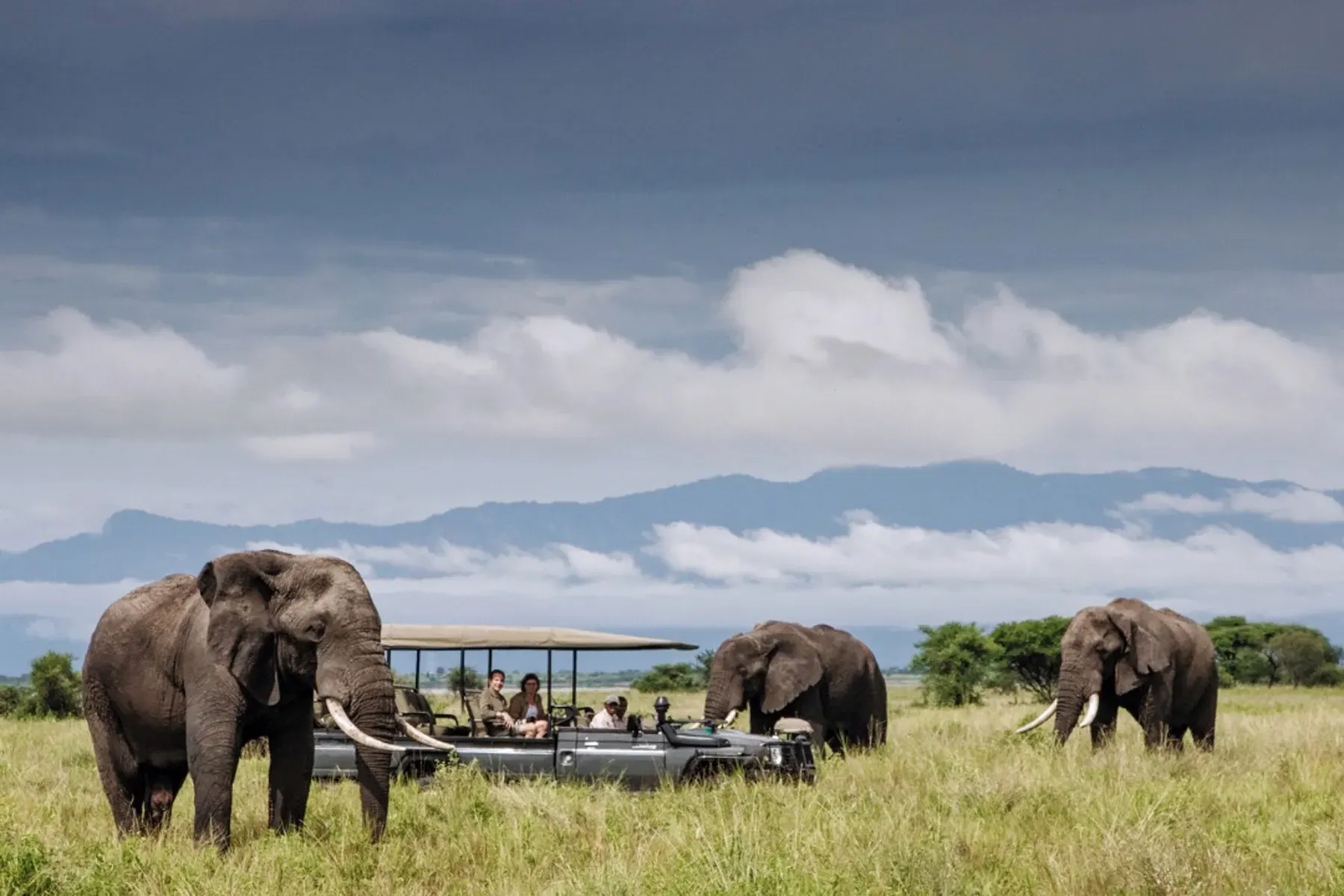
A good vehicle matters more than almost anything. Ask for a vehicle with a pop up roof so you can stand, look and take photographs, and make sure each guest has a window seat. A private safari vehicle means nobody else's schedule sets your pace, and you can ask for comfort stops whenever you need them. Reasonable stops every ninety minutes or so make a long day feel much shorter.
If you get motion sickness, tell your guide early. Sit at the front, keep your eyes on the horizon, avoid reading or looking at a screen, and eat lightly before the road gets bumpy. Some people carry travel remedies from their pharmacist, and fresh air helps more than most expect. Drivers can also slow on rough sections once they know it matters.
Plan the day around the heat and the light. Start early, because roads are quieter and the air is cooler. Keep water in the vehicle, carry a few snacks, and accept that a lunch stop on the way is part of the pleasure rather than a delay. Because the same driver guide stays with you, small preferences such as music, silence or a photo stop become easy to arrange.
10
Health, fear of flying and the best season for the road
Many guests ask about Tanzania safari for people who fear flying, and the northern circuit is the right answer, because you can do it with only your international flights. Others have back or joint concerns, and rough roads can be tiring, so mention it when you plan. For health in general, speak to your doctor or a travel clinic well before departure about vaccinations and malaria prevention, because advice changes and depends on the person.
Season shapes the road more than anything. The dry season, roughly June to October, brings firmer tracks, good wildlife viewing and a lot of dust. The long rains, usually March to May, can make some tracks muddy and slow, though the landscape is green and quiet. The short rains, often around November, are lighter and patchy. Road conditions change quickly after heavy rain, and guides adjust the plan accordingly.
None of this makes a particular month wrong. It simply means a longer drive in wet weather needs more margin in the schedule. If you can choose, the dry months are kinder to the vehicle and to people who dislike bumps, while the green season rewards flexible travellers with fewer vehicles and good light. Your guide will tell you honestly what each week looks like on the ground.
11
How Lemala Safaris plans a road safari
Lemala Safaris is an independent operator based in Arusha, and we book and arrange your stays with partner lodges and camps. For a road trip, we plan a private safari vehicle with a driver guide who stays with you throughout. You choose the pace: more time in the parks and fewer long days, or a faster route if your schedule is tight.
We start with the questions that matter. How many days do you have? How do you feel about long drives? Is a visit to the central Serengeti essential, or would you prefer a slower circuit of Tarangire, Manyara and the Ngorongoro Crater? From there we build a draft route, showing each night, each drive and where the long days fall, so nothing is a surprise.
If you want a safari without domestic flights, tell us when you first get in touch, and we will design around it from the start rather than adjust a trip built for flying. If you later decide a flight would help, we can add one for a particular stretch. Either way, the choice is yours, and we are happy to talk it through before you commit.