01
What Ruaha is and why it feels different
Ruaha National Park sits in the middle of Tanzania, a long way from the northern circuit that most first-time visitors know. It is one of the largest national parks in the country, and on the ground that size shows up as space: wide valleys, dry hills, rocky outcrops and long tracks that can run for an hour without meeting another vehicle. If you are weighing up a Ruaha safari, this sense of distance is the first thing to understand.
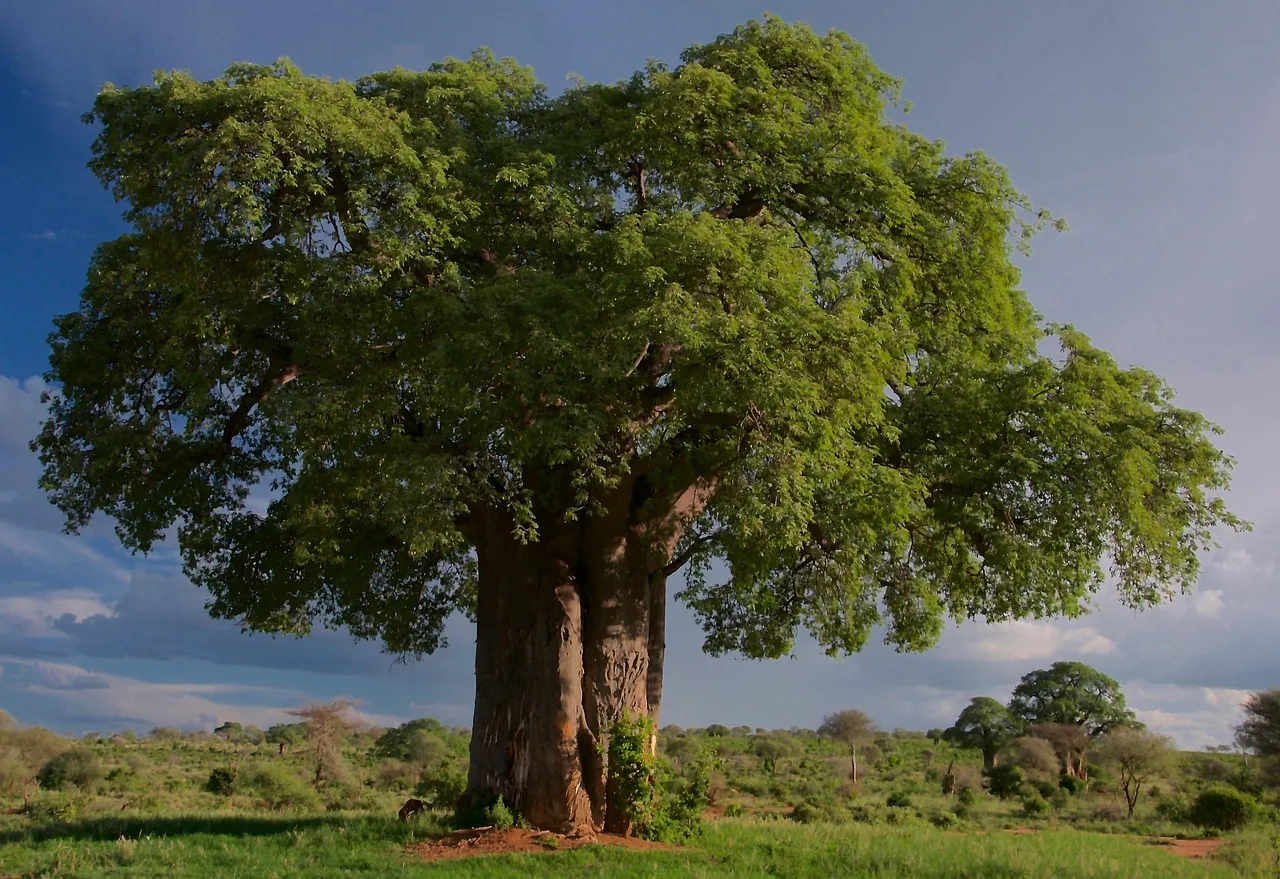
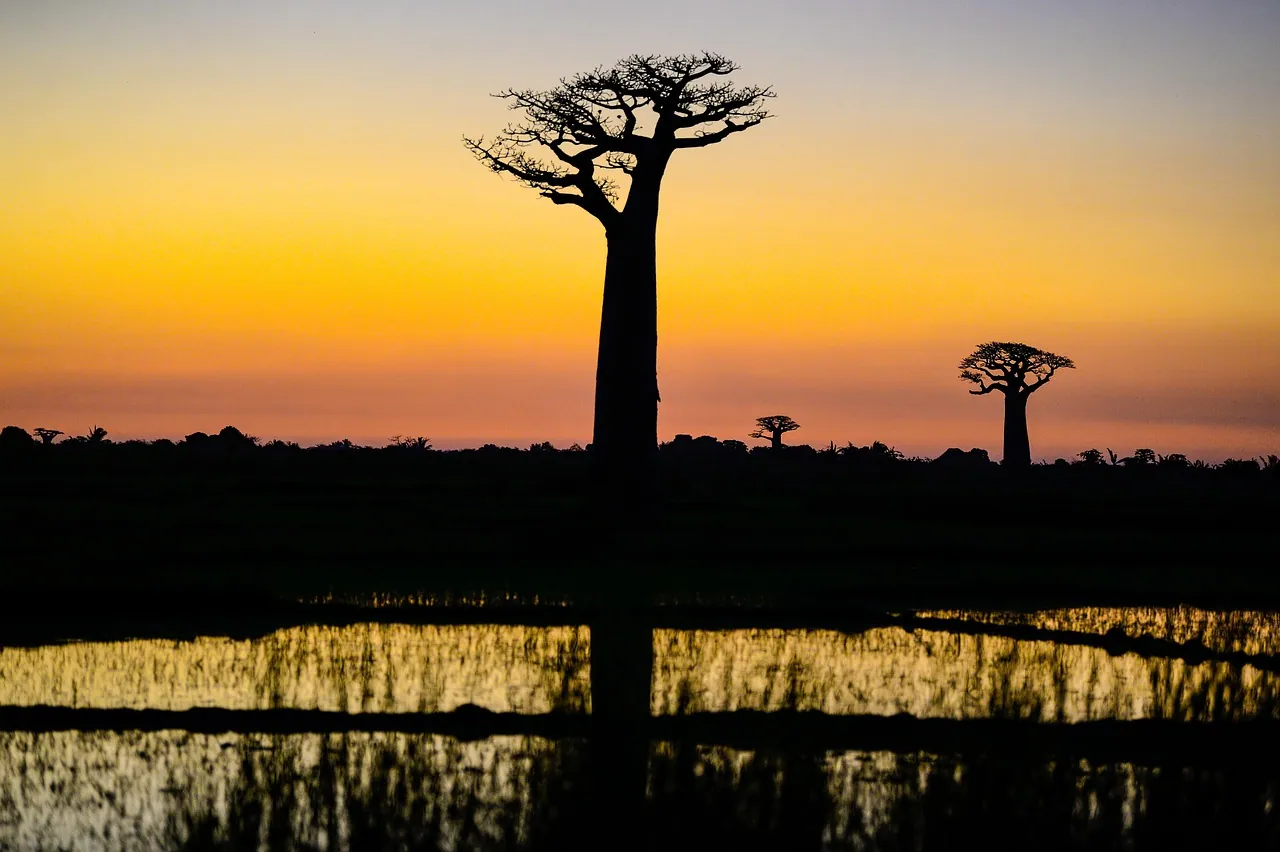
The park is also a meeting point. Its latitude and altitude put it where the animals and plants of eastern Africa overlap with those of the south, so the landscape and the animal list both read differently from the Serengeti. You find baobab trees standing on the slopes, thick miombo woodland over the higher ground and open, scrubby bush along the drainage lines. Nothing here is manicured, and that is a large part of the appeal.
Lemala Safaris plans trips here as part of a wider southern Tanzania safari, and we are straightforward about what the park gives and what it asks in return. It gives quiet, predators and a feeling of being properly in the bush. It asks for time, a flight and a willingness to accept that wildlife here is spread out rather than served up in crowds.
02
The Great Ruaha River and the landscape around it
The Great Ruaha River is the spine of the park and the reason the wildlife is where it is. In the wetter months it runs wide and brown, and the banks are thick with green. As the year dries out it shrinks into pools, sandbanks and long dry channels, and the animals that cannot live without water have nowhere else to go. Guides plan every day around the river for exactly this reason.
Away from the water the country changes quickly. Miombo woodland covers much of the higher ground, with flat-topped trees that turn rust and copper at the end of the dry months. Rocky kopjes rise out of the bush and make good lookout points for lions and leopards. Open grassy flats appear where the soil is heavy, and the old baobab trees give the horizon a shape you will recognise from every photograph of the park.
Because the vegetation is denser and the ground more broken than on the open plains, sightings feel earned rather than handed over. Good guides read tracks, listen for alarm calls from impala and baboons, and watch where birds gather. If you enjoy that slower, detective side of safari, the park rewards it generously.
03
Ruaha wildlife: what you can realistically hope to see
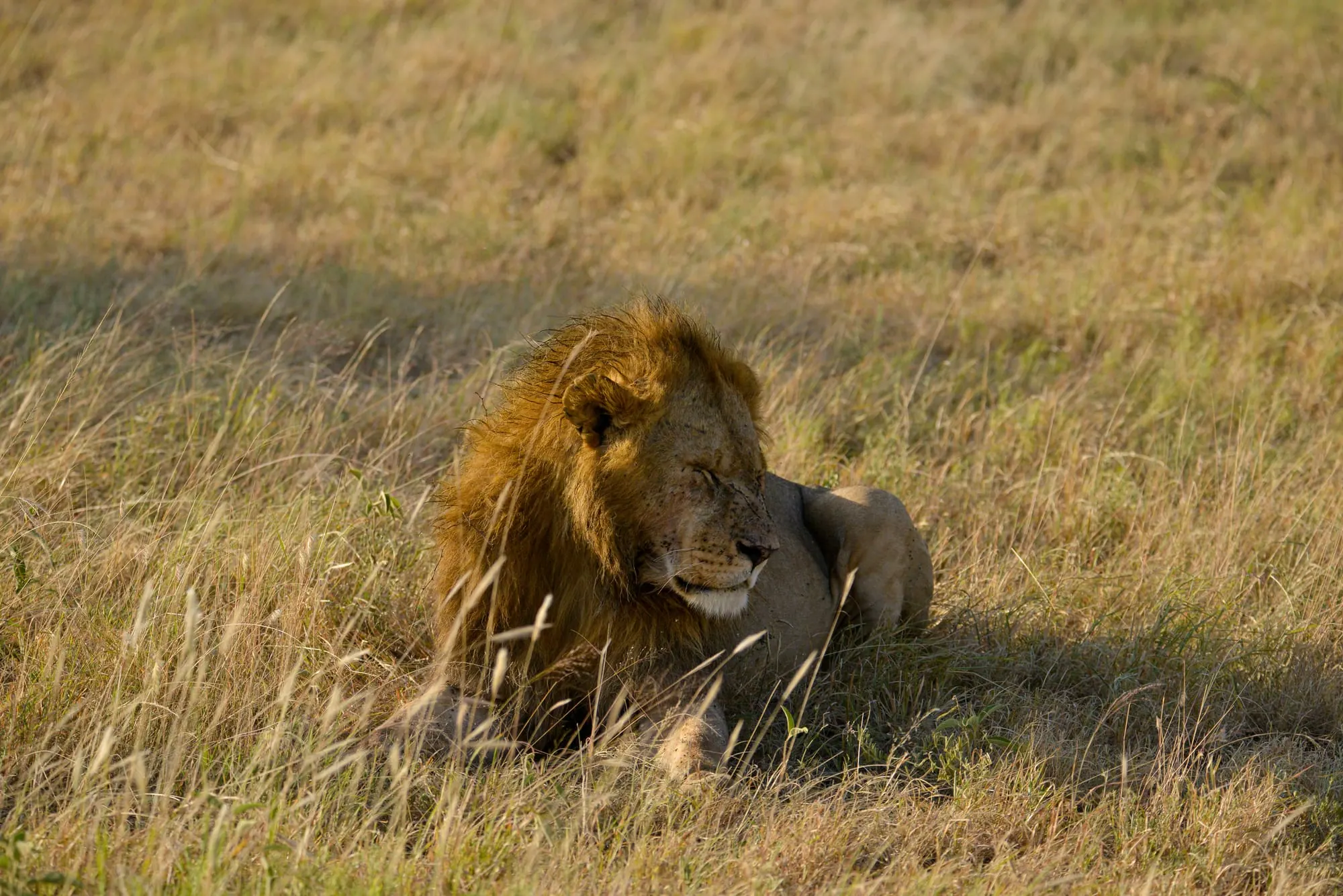
The park's reputation rests on its predators. Ruaha lions are well known for large prides, and a good morning can bring several adults, sub-adults and cubs together on a riverbank or a rock. Leopards are regularly seen in the riverine trees and on kopjes, and cheetahs hunt the open flats and are most likely when the grass is short. Spotted hyenas and jackals are common, and the night sounds are rarely quiet.
Wild dogs are the sighting many visitors hope for most. They live here in good numbers by the standards of the continent, but they roam widely and no honest operator can promise them. They are easiest to find when a pack is denned, which tends to fall in the drier part of the year, and the best approach is to spend enough nights that luck has time to work. Ask your guide about recent movements rather than expecting a guarantee.
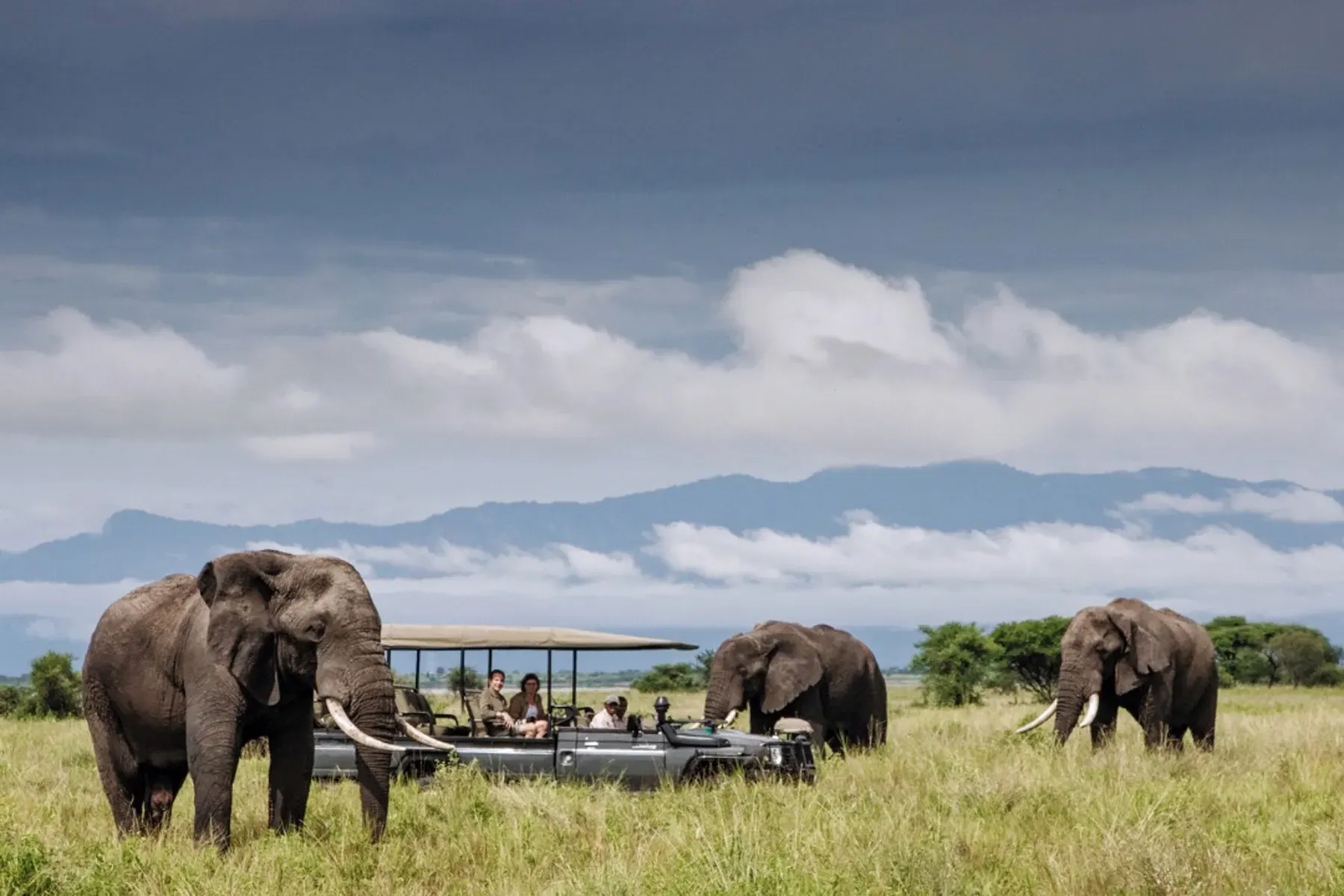
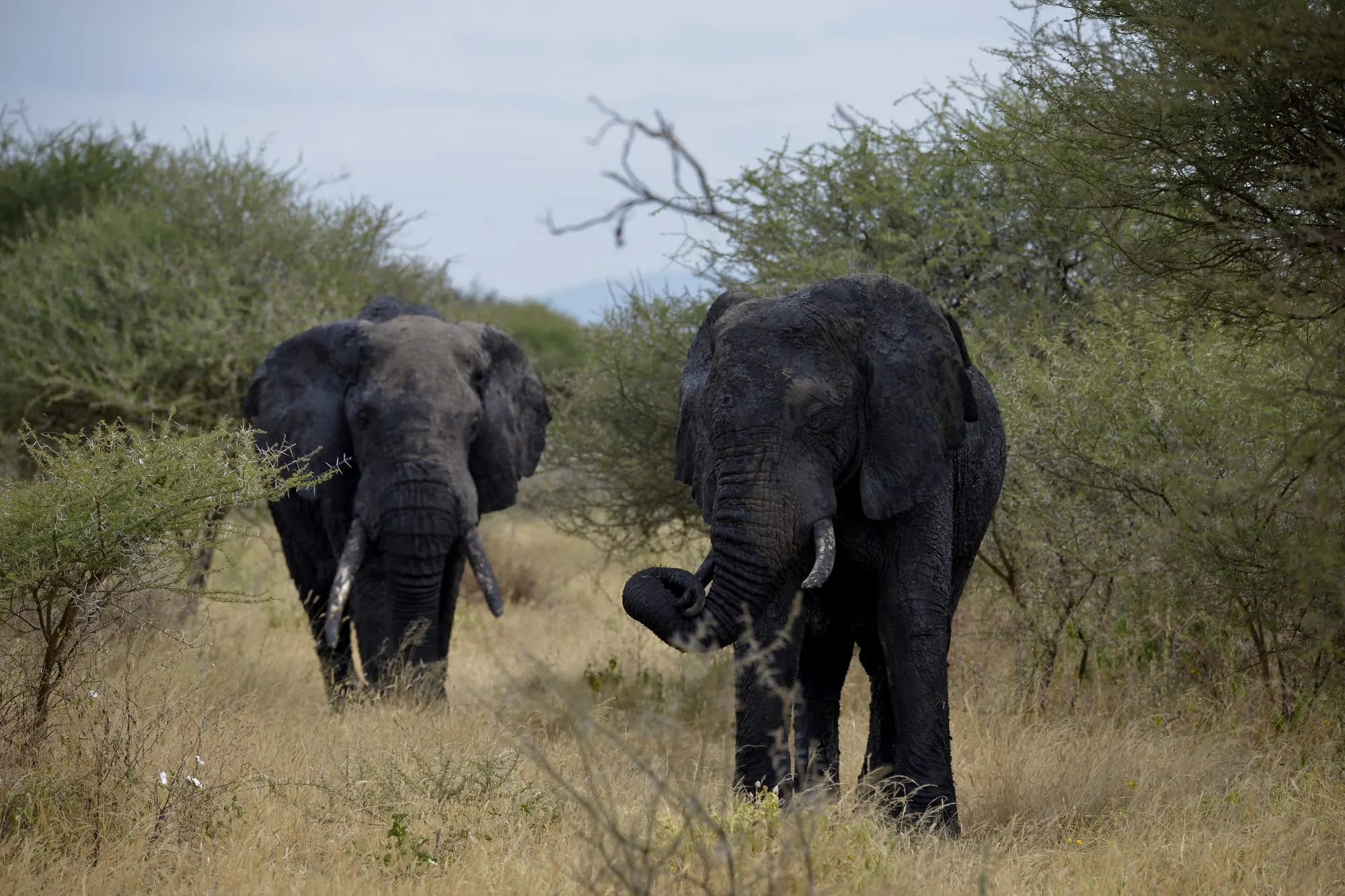
The herbivore list is where Ruaha wildlife stands apart from the north. Greater kudu, with their spiralled horns, are far easier to see here than in most Tanzanian parks. Sable and roan antelope, two of the finest animals in the bush, live in the woodland, along with eland and other antelope. Elephants are plentiful and dig in dry riverbeds for water, buffalo move in large herds, and giraffes, zebras, impala and warthogs fill in the picture.
- Predators: lions, leopards, cheetahs, spotted hyenas and, with luck, wild dogs
- Antelope of interest: greater kudu, sable and roan antelope, eland and other antelope
- Big herbivores: elephants, buffalo, giraffes, zebras and hippos in the river pools
- Birds: raptors, hornbills, bee-eaters, kingfishers and, in the wetter months, many migrants
04
Birds, small things and the quiet details
The birdlife is a pleasure in its own right, and you do not need to be a keen birder to enjoy it. Raptors patrol the ridges, hornbills work the woodland, and bee-eaters and kingfishers dart along the riverbanks. Species with a southern or dry-country range turn up here that are harder to find on the northern circuit, and guides who love birds will happily add them to the game drive.
The small details matter too. A dung beetle rolling its ball across the track, a chameleon in a thorn bush, a herd of elephants quietly digging a well in a dry bed: these are the moments people describe afterwards. The quiet of the park gives you the room to notice them, which is one of the strongest arguments for choosing it over a busier reserve.
05
A day in the park: drives, walks and what depends on the camp
A typical day follows the familiar rhythm of safari: an early start for a morning drive while the light is soft and the animals are active, a long brunch or lunch and rest in the heat, then a late afternoon outing that finishes with sundowners if the camp offers them. Ruaha game drives tend to be unhurried because there are so few vehicles. You can stay with a sighting for as long as it holds your interest.
What else you can do depends on the camp and on the park rules at the time. Some camps offer a walking safari in Ruaha with an armed ranger, usually early in the morning, and these are about tracks, plants and small creatures rather than chasing big game. Some offer night drives or bush meals, and some do not. Rules for night activities and walking differ between camps and areas, so these things must be confirmed camp by camp.
This is where a planner earns their place. When Lemala Safaris builds a private itinerary, we confirm the activity list, the vehicle arrangements and the camp's opening dates before you book, and we tell you plainly if a camp does not offer what you hoped for. A walk or a night drive is a good reason to choose one camp over another, so it is worth deciding early.
06
Seasons month by month
The dry season, roughly June to October, is the classic window and the answer most people want when they ask about the best time to visit Ruaha. Grass is short, water is scarce, and animals gather along the river and its remaining pools, which makes sightings more frequent and predator action easier to find. Roads are at their best, and almost every camp is open. Days are warm and clear, and nights can be cold.
Ruaha in June is a good example: the landscape is still tinged with green from the rains, the air is crisp, and the evenings are chilly enough to want a fleece on the morning drive. July and August are cool and dry, while September and October grow steadily hotter and dustier. By October the river is at its lowest and wildlife is concentrated, but the heat can be fierce around midday and the build-up to the rains begins.
November to March is the green season, when the first rains turn the park lush and the bush thickens. Ruaha in the green season suits birders and photographers who like dramatic skies, and there is a sense of renewal, with many animals having young. Wildlife disperses as water becomes available everywhere, and the dense grass makes spotting harder. Some camps close for part of this period, so check each one.
April and May bring the long rains. This is the wettest stretch, the grass is at its tallest, and many camps close entirely. Roads and airstrips can be affected, and travel plans become more difficult. Ruaha weather is variable from year to year, so treat all month ranges as a guide, and ask us what the camps you are considering are actually doing in the months you have in mind.
07
How to get to Ruaha and how many nights to stay
Most visitors fly to Ruaha. Scheduled flights and a charter flight from airstrips in the park connect it with Dar es Salaam, Nyerere and other points on the southern circuit, and flights from Arusha are usually arranged by linking through another airstrip or by charter. Flight times vary with the route and the day's stops, so treat any number you read as an approximation, and expect the schedule to change by season.
Road transfers are possible but very long. Ruaha from Dar es Salaam by road is a full day or more of driving, and Ruaha from Arusha by road is longer still, with rough sections. That is why we rarely suggest a road trip unless the journey itself is part of the plan, for example a self-drive style route through other parks on the way. For most travellers, a flight is the sensible way to reach the park.
How many nights in Ruaha is a question we answer with a rule of thumb: three nights is a minimum that makes the journey worthwhile, and four is better. Five gives you the room for a walk, a second look for wild dogs, or a slower pace. Two nights hardly repays the flying. Because planes depend on weather and passengers, build in a spare day if you have an international flight soon after.
- Fly in: the usual choice, with scheduled and charter options depending on the season
- Drive in: possible but long, best only when the journey is part of the holiday
- Nights: aim for three to five, and fewer than three rarely feels worth it
- Luggage: soft bags and strict weight limits apply on small planes
08
Combining Ruaha with Nyerere, Zanzibar or the north
The classic pairing is Ruaha and Nyerere. Nyerere gives you boat safaris and walks beside the Rufiji, while Ruaha gives you dry-country predators and a different mix of antelope, so the two complement rather than repeat each other. Fly between them, or route through Dar es Salaam, and plan for at least three nights in each. This is the core of a southern Tanzania safari.
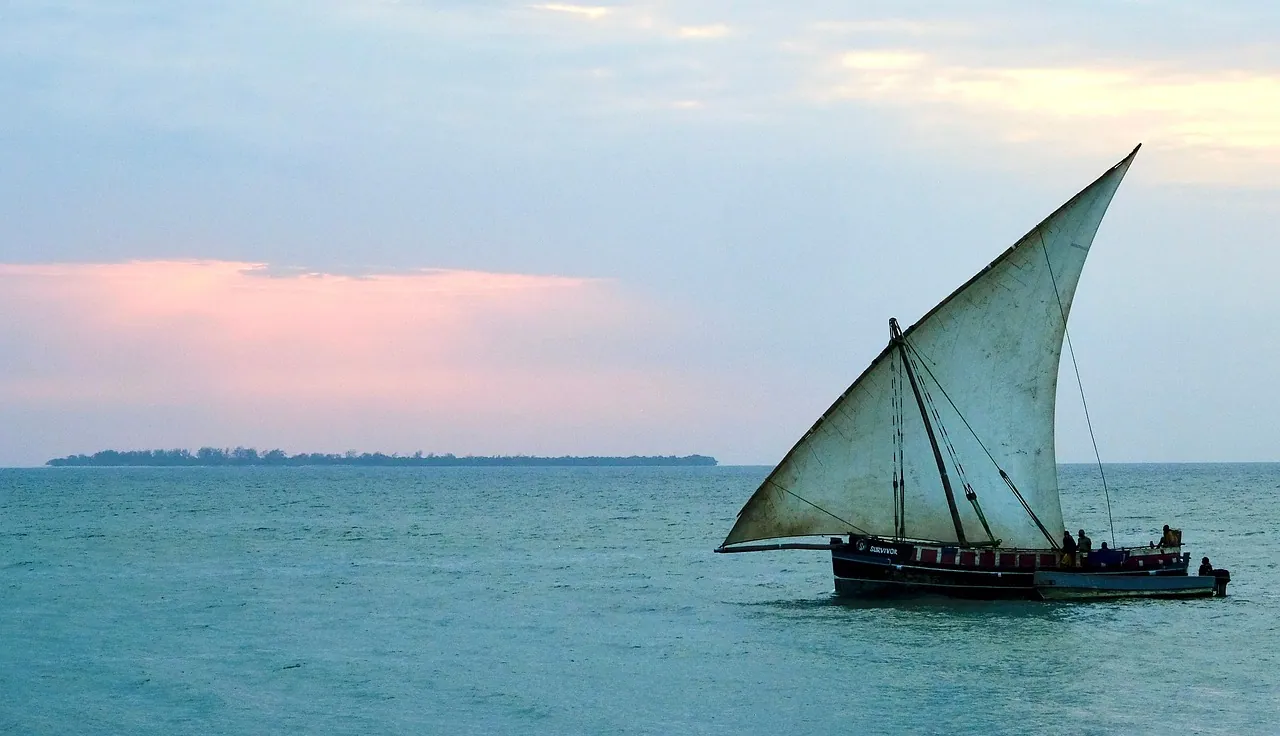
Ruaha and Zanzibar also works well. Do the bush first and finish on the coast, so the early starts come while you are fresh and the beach is a soft landing. The flight home from Zanzibar is simple, and a few days of sand and sea after long drives suits nearly everyone. We can arrange the flights, transfers and the island stay together.
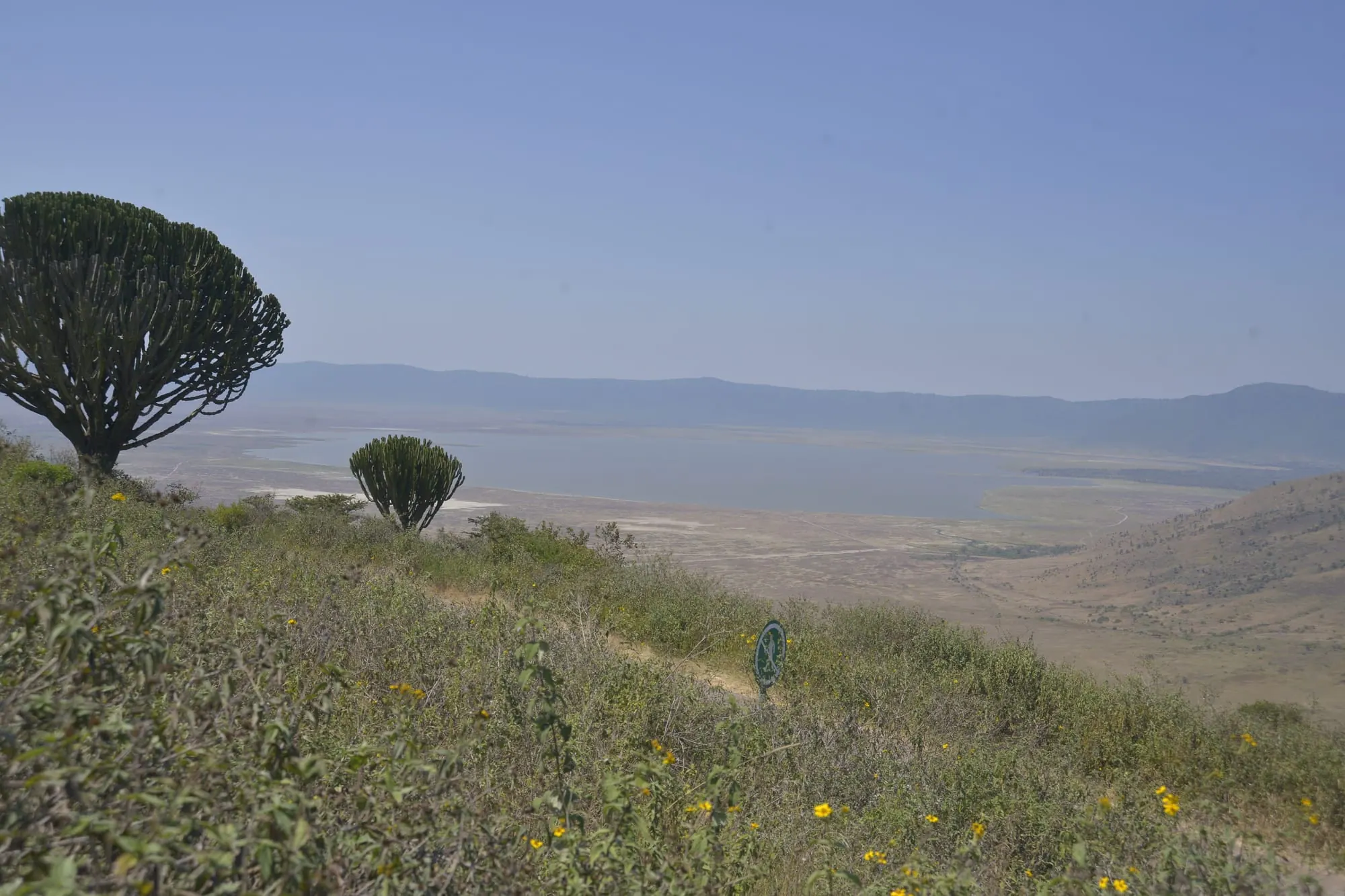
You can also add Ruaha after a northern circuit. Serengeti, Ngorongoro and Tarangire first, then a flight south, gives you two very different kinds of Africa in one trip, often over ten days or more. It is a strong choice for a second visit. For a first visit with limited days, we normally recommend the north on its own and saving the south for next time.
09
Ruaha or Serengeti: an honest comparison
People ask us Ruaha or Serengeti as if one must win, and the truthful answer is that they offer different things. The Serengeti gives you scale, the Great Migration in the right months and a vast network of lodges and camps. Ruaha gives you fewer vehicles, a rawer feeling, strong predator sightings and a landscape of baobabs and sand rivers. Neither is better, only different.
The trade-offs are real. Getting to Ruaha takes more planning and usually a flight, so the journey is longer and less convenient. There is no equivalent of the migration here, so you should not expect a single spectacular event, and the wildlife is more dispersed and less predictable. In return, you share sightings with a handful of vehicles instead of a dozen, and some camps allow walks that northern parks do not.
Is Ruaha worth it? For travellers who value quiet and have time, yes, often more than they expected. If you have a short holiday, travel with small children, or want the migration, the north is the better choice. Many people do both over two trips, and the south tends to be the one they talk about most afterwards.
- Choose Ruaha if you want quiet, predators, kudu, sable and roan, and the option of walking
- Choose the Serengeti if you want the migration, shorter transfers and a very wide choice of camps
- Choose both if you have two weeks or a second trip in mind
10
Health, packing and practical details
Ruaha lies in a malaria area, so speak to a doctor or travel clinic well before you leave about prevention, and use repellent, long sleeves and a net in the evenings. Tsetse flies occur in parts of the park, particularly in the woodland. Their bites are painful but they are mostly a nuisance, and they are attracted to dark blue and black, so choose neutral clothes in khaki, olive or sand.
Your Ruaha packing list should be built around light aircraft. Soft bags only, a strict weight allowance, and a small daypack for cameras and binoculars. Add a warm layer for dawn drives from June to August, a hat, sunscreen, a good pair of binoculars and a spare battery or two. We can arrange storage for any extra luggage at your arrival point so you are not carrying a large case into the bush.
Park fees and other charges are paid through your booking, so you will not be handling them at a gate. We do not quote amounts in articles because they change, and we will give you a clear, current breakdown when you ask for a private itinerary. Tell us about dietary needs, mobility and any activity you really want, and we confirm each point with the camp before you commit.
11
Responsible travel in Ruaha
Responsible travel here begins with the simple choices. Choose camps that are small, employ local staff and handle water, waste and power carefully, and ask about it directly. Fewer vehicles at a sighting is good for the animals as well as for you, so keep to the park rules and respect the distance your guide sets, even when a leopard seems relaxed.
Your choices also shape what the park can keep. Fees are part of what supports conservation and the rangers who patrol it, so travel in the dry season when the camps are fully staffed, stay long enough to make the flight worthwhile, and avoid pressing for close-up photographs. Lemala Safaris is an independent operator that books and arranges your stay with partner camps, and we are glad to talk through the options and what each one does well.
If a Ruaha safari sounds like the right fit, tell us your dates, your group and the things you most want to see. We will build a private itinerary, arrange the flights, and confirm the camp details before you book, so that the plan you receive is one you can trust.