
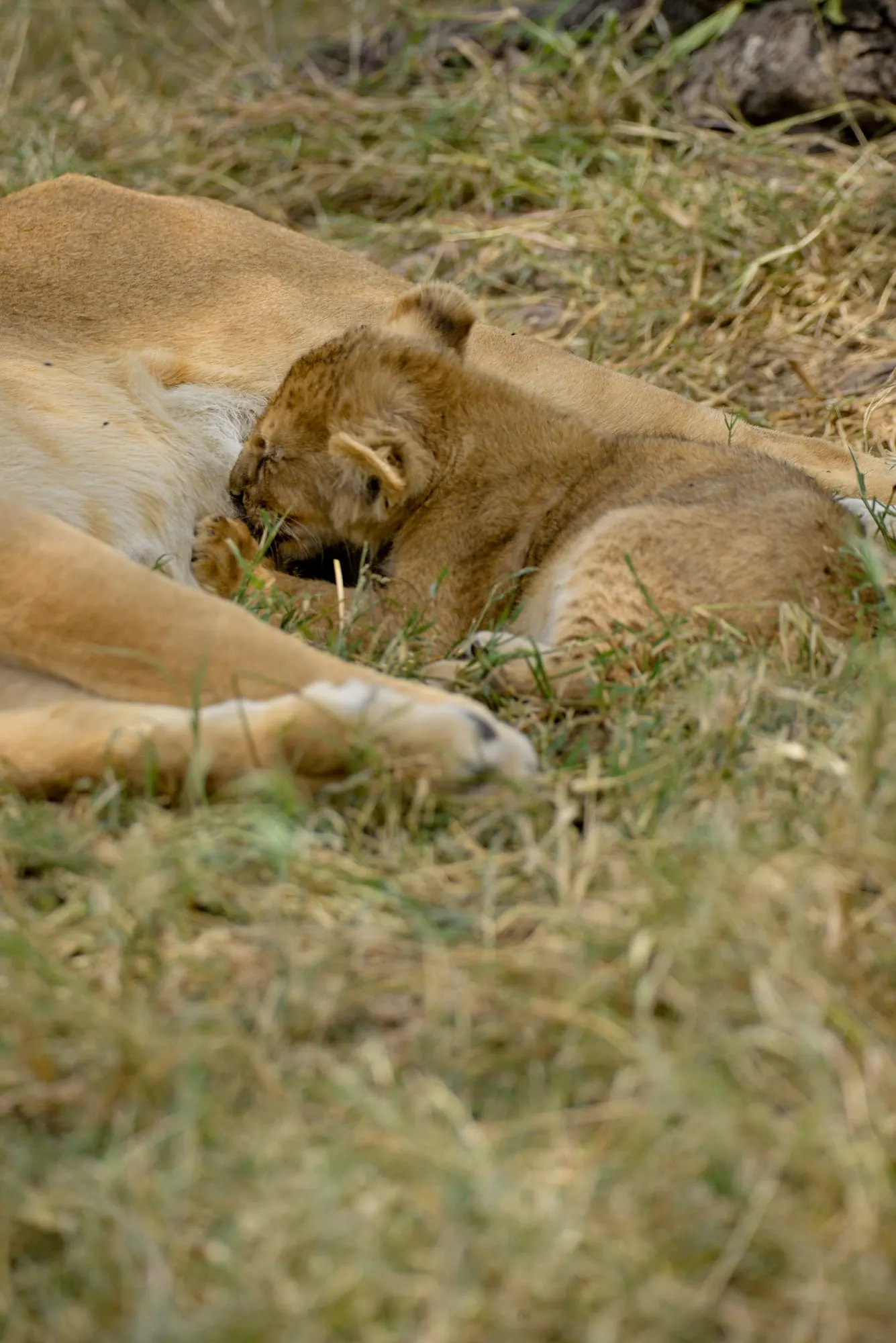
Forest, flamingos and lions in the trees below the Rift Valley wall
Lake Manyara National Park
The place
Forest, flamingos and lions in the trees below the Rift Valley wall
Lake Manyara fills a slim band of land at the foot of the Great Rift Valley escarpment, where forested cliffs tower more than 600 m over a shallow, alkaline lake. The park measures only 648 km², and about two-thirds of that is water. Even so, it packs in a remarkable variety of habitats. You pass from lush groundwater forest to grassland, then through acacia woodland down to the lake shore, and each zone shelters its own share of the park's wildlife.
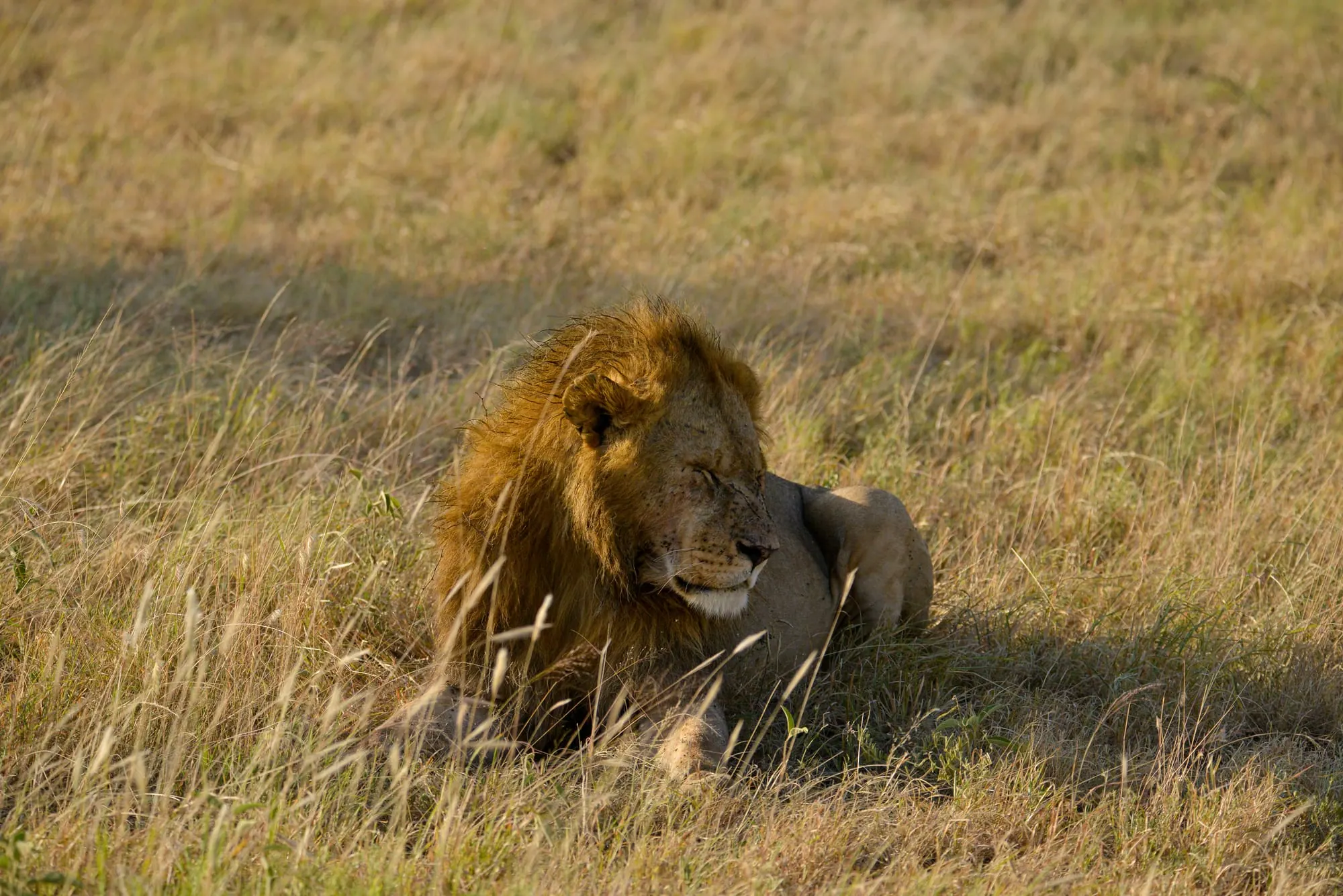
The great claim to fame is its tree-climbing lions. In the midday heat they drape themselves along the horizontal limbs of acacias, a habit that can be observed with any reliability in only a few places in the world. When water levels are right, the lake blushes pink with flamingos and also carries pelicans, storks and plenty of other waterbirds. Near the entrance, the groundwater forest shelters blue monkeys and some of the biggest baboon troops in Tanzania.
Since the park is small, most people give it half a day rather than several. The route winds beneath the canopy, passing hot springs and pools full of hippo, and then the forest gives way to the lake edge and its birdlife. Many itineraries slot Manyara in for its views on the road from Arusha towards the Serengeti and Ngorongoro, or combine it with Tarangire. The two parks contrast nicely: one green and steep, the other dry and wide open.
Between June and October, wildlife is easiest to spot and the Rift Valley wall stands out sharply. Birds, flamingos among them, are at their most abundant during the wetter months. For anyone wanting added scenery and variety on a northern circuit, without giving up a full extra day, Manyara fits neatly, and the escarpment views alone justify the stop.
- Lions that rest in acacia branches, a rare sight
- Flamingos massed on the soda lake
- The Rift Valley escarpment rising above the water
- Big baboon troops and blue and vervet monkeys
- More than 400 bird species
Ready when you are
Plan a trip to Lake Manyara National Park
- Jun, Jul, Aug best
Tell us your dates and group. We reply with a tailored itinerary and a clear, personal quote, with no obligation.
- Best months
- Jun, Jul, Aug, Sep, Oct, Nov
- Wildlife
- Lion, Elephant, Hippo, Buffalo, Flamingo, Pelican, Baboon, Blue Monkey, Zebra
- Size
- 648 km²
- From Arusha
- 126 km
Gallery
Lake Manyara National Park in pictures
Safaris
Safaris that include Lake Manyara National Park
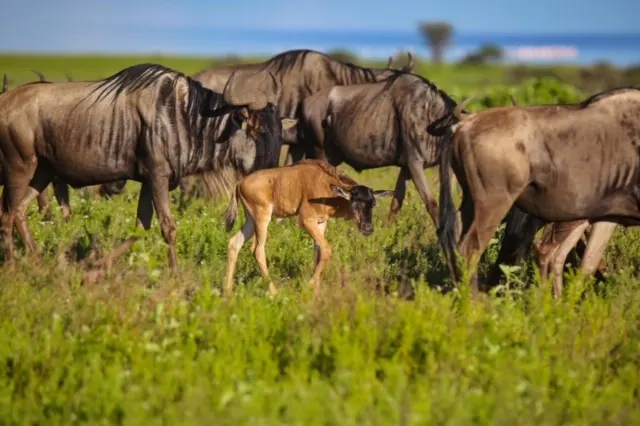
The Grand Northern Loop: Ten Days Through Four Parks
- 10 days
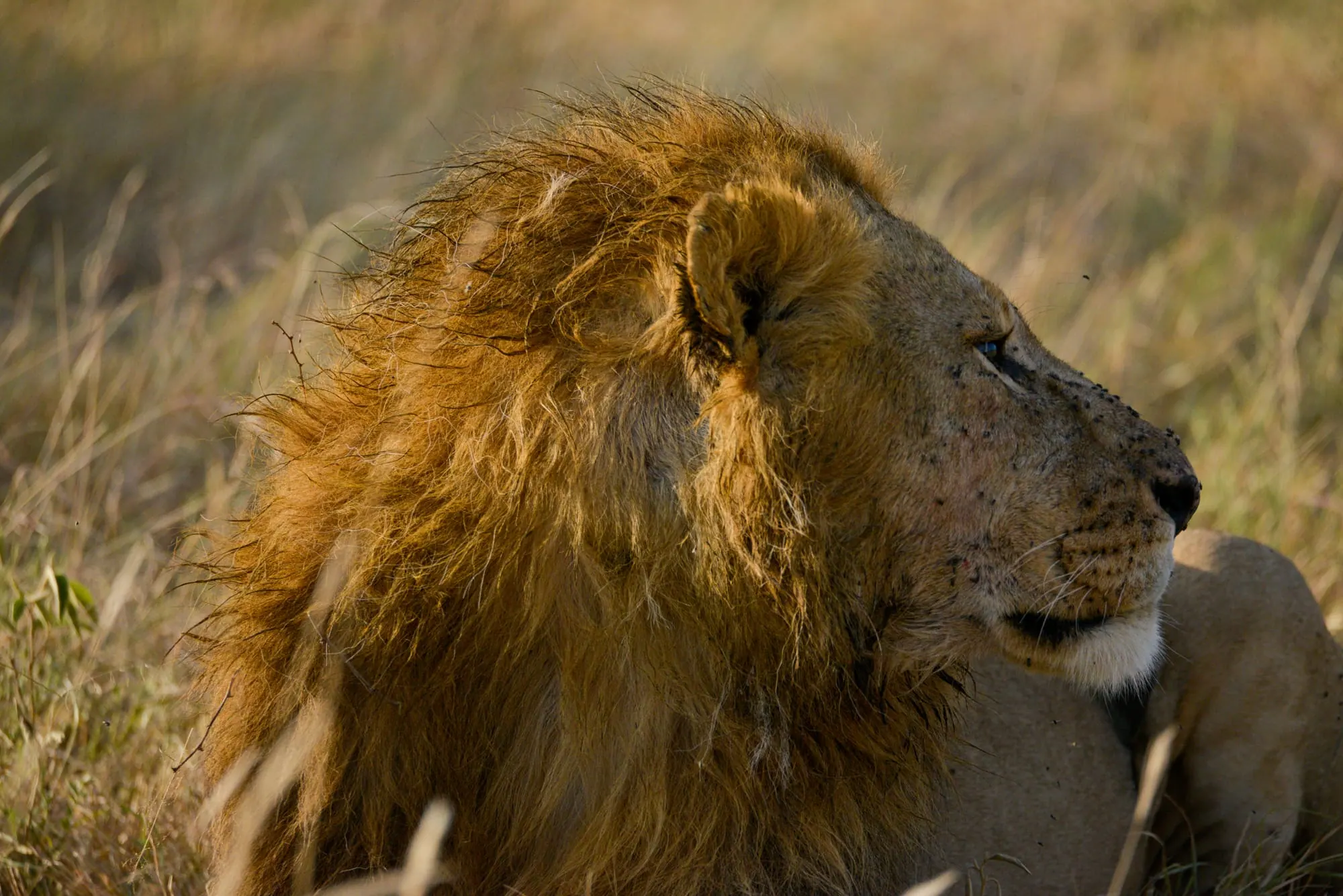
Fly-In Serengeti Escape: Five Days, No Long Drive
- 5 days
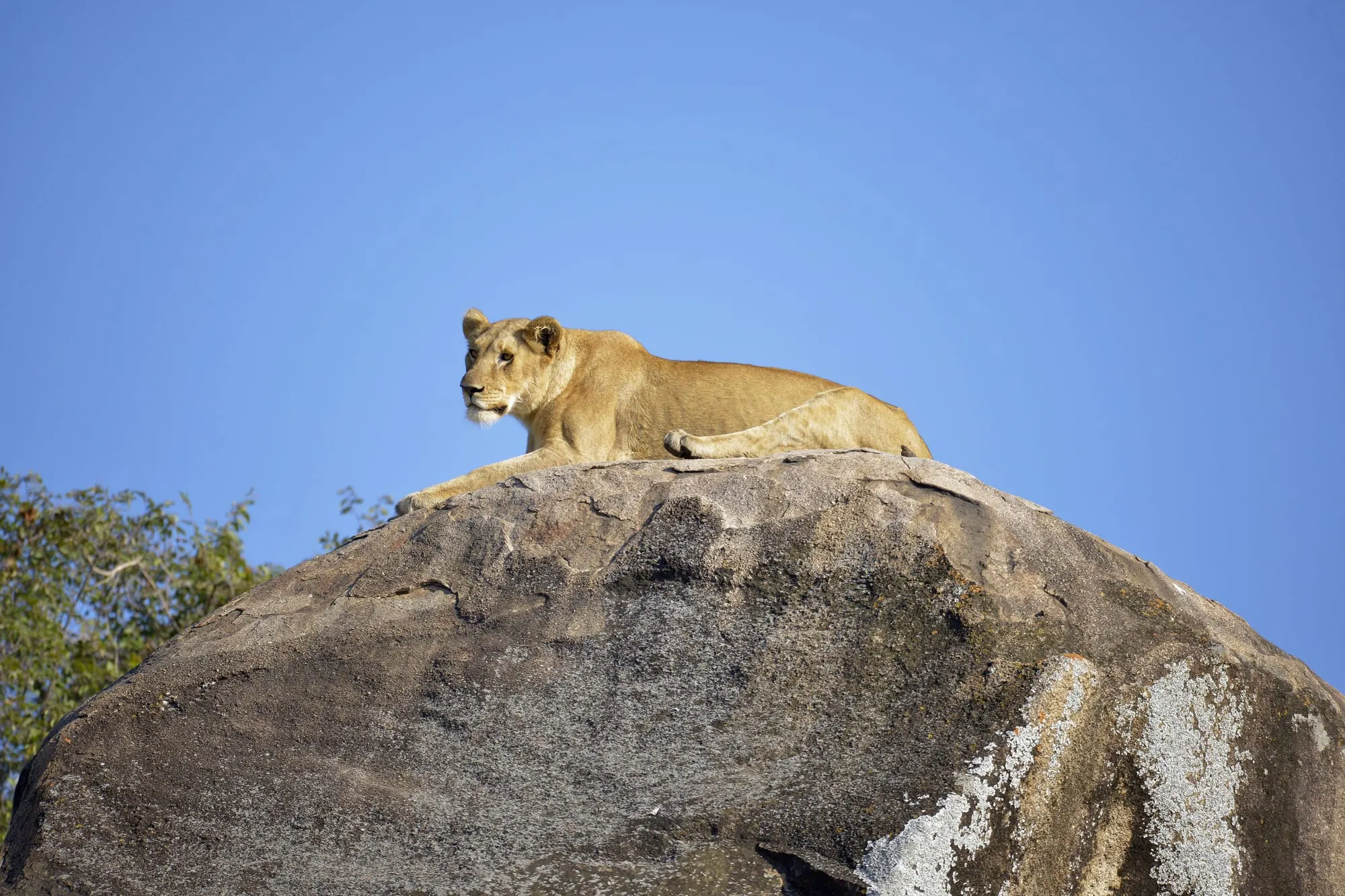
Bush Honeymoon for Two
- 8 days
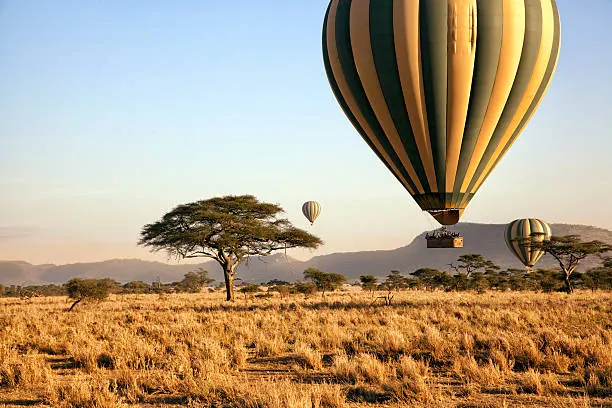
Signature Circuit with Balloon and Night Drive
- 7 days
Twelve Days: Kilimanjaro Hike, Maasai Villages and the Northern Parks
- 12 days
Eight Days at the Mara River Crossings
- 8 days
Where to stay
Stay near Lake Manyara National Park
Summit
andBeyond Lake Manyara Tree Lodge
The only permanent lodge inside Lake Manyara National Park, with suites raised among the trees of the groundwater forest. You look at the park from the canopy, not from its edge.
Trail
Kirurumu Manyara Lodge
Tented rooms sit along the Rift Valley escarpment, and the whole valley floor opens out beneath them. Expect a pool, a full restaurant and reliable WiFi.
Questions
Good to know
Manyara is famous for them. They rest across the horizontal branches of acacias in the heat of the day, a behaviour seen reliably in very few places worldwide.
Half a day is usual. The park is compact, and a morning or afternoon drive covers the forest, hippo pools and lake shore.
Flamingo numbers and birdlife in general peak in the wetter months, provided the lake holds enough water.
Yes. It combines easily with Tarangire, and it also fits as a scenic stop on the way to the Serengeti and Ngorongoro.
Plan your time in Lake Manyara National Park
Tell us when you want to go and we will shape the trip around it.