
Primate Trekking
Mahale Wild Chimp Expedition
Hike a forested ridge to spend an hour with our nearest relatives
- Duration
- 3 to 5 days
- Location
- Mahale Mountains, on Lake Tanganyika
- Flights
- Light aircraft only; there is no road access
- From
- $4,200 per person
The experience
Hike a forested ridge to spend an hour with our nearest relatives
On the shore of Lake Tanganyika, Mahale Mountains National Park shelters chimpanzees that are completely at ease with people. Reach it by light aircraft and boat, walk the forest with trackers, then swim in the lake.
- A research-habituated community of wild chimpanzees
- Snorkelling in the clear water of Lake Tanganyika
- Flights in from Arusha, then a boat along the shore
- A handful of small, remote camps
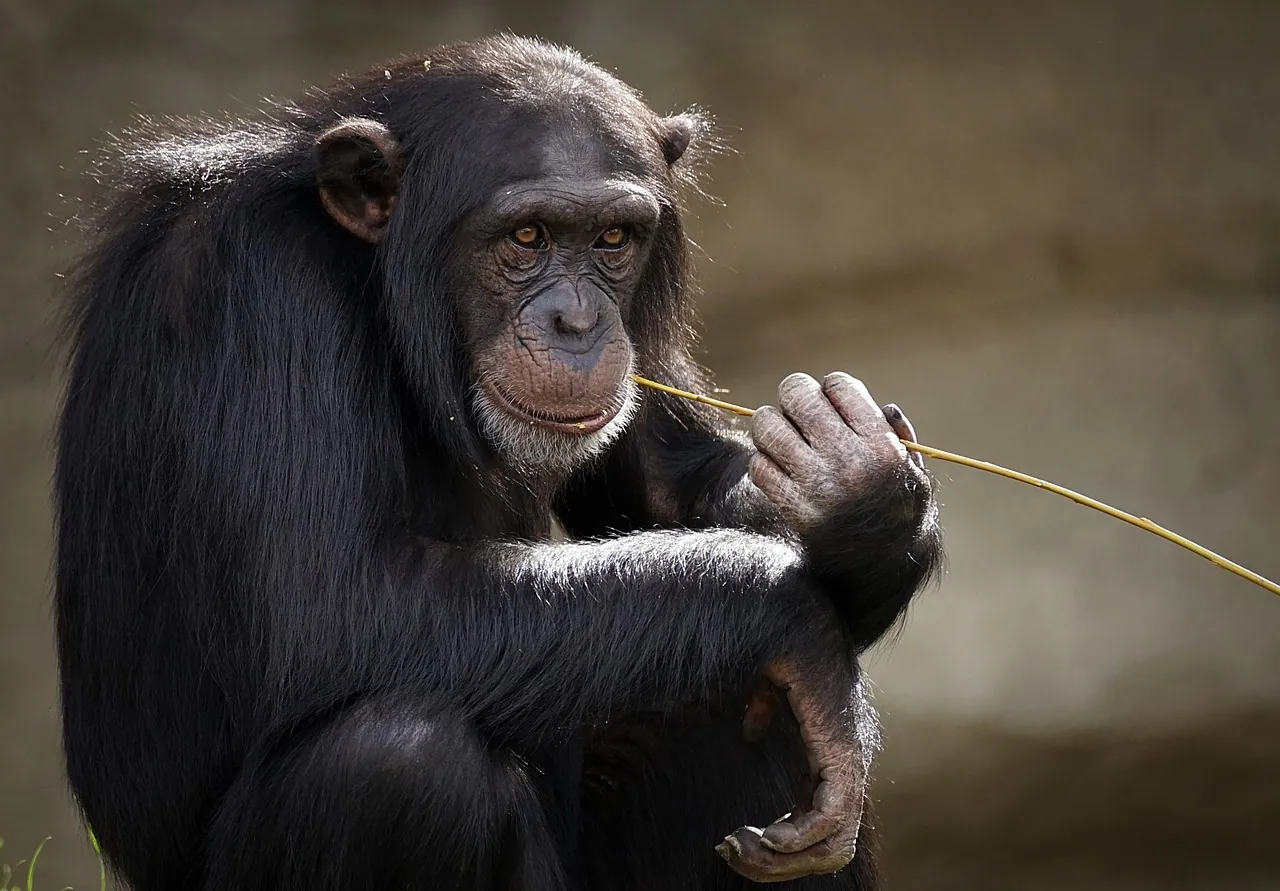
You hear the forest long before you see anything. A hoot rings out upslope, a second answers it, then a third, until pant-hoots and the drumming of hands on buttress roots fill the trees. The tracker halts, listens and shifts direction. Twenty minutes on, you part a curtain of vines and a family of wild chimpanzees is there, sprawled on the forest floor, grooming and dozing and bickering, wholly unfazed by you.
That is Mahale Mountains National Park, among the most remote and beautiful places in Tanzania. No roads reach it. Forested peaks drop straight into Lake Tanganyika, and roughly 800 wild chimpanzees live here, including a community that scientists have followed continuously since the 1960s. They are some of the best-habituated wild chimps anywhere.
What a Mahale trek involves
You walk into the forest with park guides and trackers to find a habituated community, then watch the animals from close range for a strictly limited time of one hour. Habituated means that over many years the chimpanzees have learned to accept calm human presence, so they carry on naturally rather than fleeing or performing.
Researchers from Japan have studied the M-group since the mid-1960s, which makes it one of the longest primate studies in the world. The payoff is a visit of unusual closeness: chimps pass within a few metres, get on with their social lives and treat you as part of the scenery. Treks leave from the lake and climb forest trails. Depending on where the group nested and where trees are fruiting, you might be twenty minutes from them or three hours.
Why it rewards the effort
- A setting without equal: tracking chimpanzees at dawn, then swimming in water of remarkable underwater clarity by afternoon. Lake Tanganyika holds the title of the world's longest freshwater lake, and its blend of sand and forest feels closer to a castaway island than an ordinary safari park.
- Remarkable habituation: after decades of continuous research, this community accepts observers with a composure that newer sites cannot match. You stay near them, unhurried, long enough to witness genuine behaviour such as tool use, rivalry and play.
- Hardly anyone else: Mahale gets a sliver of the visitors that the northern parks do. A few small camps and a short daily trekking window mean you will probably share the forest with nobody beyond your own group.
Choosing the season
Mahale has a clear best period, though each option comes with trade-offs.
Jan to Dec
June to October is prime. Chimps tend to feed lower on the slopes as fruit ripens near the shore, so treks are shorter and easier. Dry trails, a calm lake with its best snorkelling visibility, and lovely light complete the picture.
November to March still produces excellent treks, but the animals often climb higher, which lengthens and steepens the hikes, and afternoon rain is common. In return you get quieter trails and richer forest.
April and May bring the heaviest rain. Several camps close and the going is hard, so unless there is a particular reason, skip them.
How the day unfolds
6:30 AM
Breakfast on the sand
At first light trackers go to find the chimpanzees where they slept overnight.
8:00 AM
Setting off
When the trackers radio a position, you head up forest trails for anything from twenty minutes to three hours.
Mid-morning
Your hour
The clock starts once you reach the group. Face masks on, voices low, cameras busy.
Afternoon
On the lake
Swim, snorkel among endemic cichlids, paddle a kayak or sail a dhow along the shoreline.
Evening
Dinner under the stars
Camps here are small and barefoot. Dinner is frequently served on the beach, with the forest climbing behind you.
What shapes the price
Mahale is among the more expensive experiences in Tanzania, and the reasons are straightforward. Lemala Safaris will confirm figures for your dates.
- Access: only light aircraft reach Mahale. Most travellers take a scheduled charter out of Arusha and then continue by boat along the lake shore. The remoteness of this journey is the largest part of the price.
- Few camps: the park holds only a handful of small, upmarket camps, and nightly rates reflect both quality and limited supply.
- Park and trekking fees: these are charged per day and normally built into the itinerary.
- Trip length: flights operate on set days, so most itineraries run three to five nights. Two trekking days are strongly advised, since wild chimpanzees make a single day a gamble.
Included
- Return light aircraft flights and boat transfer
- Park entry and chimpanzee trekking fees
- Meals and lakeside accommodation
- Guided treks with park rangers
Not included
- International flights
- Visa fees
- Gratuities for guides and trackers
- Travel insurance
Fitness, rules and kit
Treks vary from easy forest strolls to steep, humid scrambles away from the trail. Reasonable fitness and sturdy footwear are enough, with no need for athletic conditioning, since the group and the terrain decide the pace. During the hour spent near the chimps, park rules ask everyone to wear a face mask, as the animals are susceptible to human respiratory illness. Trekkers must be at least 12.
- Sturdy trail shoes with good grip
- Lightweight long trousers
- Face masks (also provided)
- Rain shell for forest showers
- Swimwear and snorkel gear
- Dry bag for the boat transfer
Gallery
In pictures
Photo credits: Caelio, CC BY-SA 3.0 via Wikimedia Commons; Halidtz, CC BY-SA 4.0 via Wikimedia Commons.
Questions
Good to know
In season, sightings are very reliable but never promised, because these are wild animals in a large forest. Trackers usually locate the community from its overnight nests, and over two trekking days the chances are excellent. That is why every Mahale plan should include at least two trekking days.
The answer shifts from day to day. During the dry months the chimps tend to feed lower down the slope, so the trek may take less than sixty minutes in each direction. If they have climbed higher, plan for a steep, sticky walk of between two and three hours. Steady everyday walkers cope well. Mention any mobility worries and we can steer you toward the gentler months.
Both exist to protect the animals. Wild chimpanzees are prone to human respiratory infections that can devastate a whole community, and keeping contact short preserves natural behaviour. The hour flies by, yet it is sixty minutes at close range.
Mahale sets its minimum age for chimpanzee trekking at 12. If your children are younger, a game drive safari suits the family better, as it has no age floor.
By light aircraft, since no road exists. Scheduled charters leave Arusha and take roughly four to five hours with a stop, and a scenic boat transfer along Lake Tanganyika finishes the journey. Flights run on set weekdays, which fixes the length of the itinerary.
The lake is the second half of the trip: snorkelling with endemic cichlids, kayaking, fishing, dhow cruises or simply lounging on the sand. Most guests trek during the morning, then spend the afternoon on or in the water.
The figure depends on how long you stay and which camp you choose. Included are the return light-aircraft flights, the boat leg, park and trekking permits, meals and lodging beside the lake. Remoteness is what drives the cost. Request a quote from Lemala Safaris.
Keep exploring
More experiences
Mahale Wild Chimp Expedition
Add it to a safari or build a trip around it. We will take care of the details.