01
What the great migration actually is
The great migration, also known as the great wildebeest migration or simply the wildebeest migration, is not a single event on a single date. It is a continuous loop, walked every year by more than 1.5 million wildebeest, roughly 500,000 zebra and large numbers of gazelle, around the Serengeti and Masai Mara ecosystem. There is no start and no finish. The herds are always somewhere, which means the real question for any traveller is not whether the migration exists during their week, but which chapter of it they will be watching.
The loop is driven by rain and grass. Wildebeest need fresh, protein rich growth and reachable water, and in a landscape where rain falls unevenly, they follow the showers. The southern plains give the best grazing early in the year. As that grass is eaten down and the dry season arrives, the herds push north and west toward permanent water and taller grass, then turn back south when the short rains return. The animals are not following a calendar, so dates shift by a few weeks from one year to the next.
That is why we avoid promising a particular scene on a particular day. People often ask for the best time to see the great migration, and the honest answer is that it depends on the scene you want. The Serengeti migration has no single migration route that repeats exactly each year, so the useful question is when to go for the chapter you care about. What we can do is tell you where the herds usually are, what the country looks like in each season, and how to build a trip around the chapter that matters most to you. The rest of this guide goes through the year in order, then covers camps, crowds, balloon flights and the mistakes we see most often.
02
January to March: calving in the southern Serengeti
If you are asking where is the migration in January, the answer is almost always the southern Serengeti and the Ndutu area. The herds spread across the short grass plains, fattened by the late rains of the previous months. The short grass is rich in minerals, which suits lactating mothers, and it is open enough that a mother can see a predator coming from a distance.
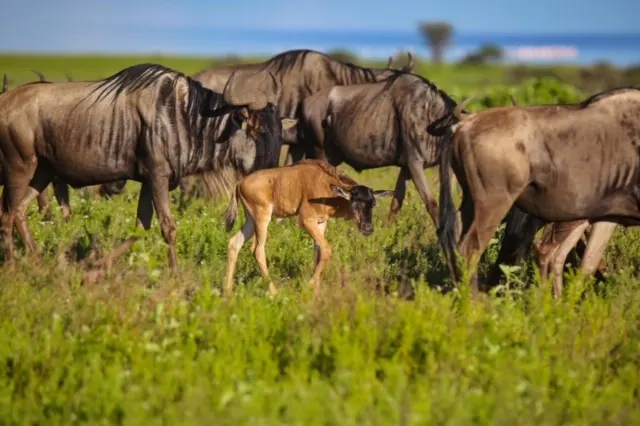
Calving season peaks in February in most years. Hundreds of thousands of wildebeest calves are born in a span of just a few weeks, many in the same few days, and a newborn can stand within minutes and run with the herd within a day or so. The plains are loud with calls between mothers and calves. It is one of the most moving things you can see on safari, and also one of the hardest, because it is the busiest time of year for the hunters that follow the herds.
Lions, spotted hyenas, cheetahs and jackals all take advantage, so predator sightings at Ndutu and across the southern plains can be exceptional. Expect green country, dramatic skies and the occasional afternoon shower. Mornings can be cool, so bring a warm layer. Ndutu is popular, and the better camps fill early, so this is a month to book well ahead rather than at the last minute.
03
April to June: the move north and the long rains
As the plains dry out in April, the herds begin to stream north and west. This coincides with the long rains, which fall heavily from about March to May. Many travellers write these months off, and for the headline scenes they are right to be cautious, but the migration is very much alive. Long columns can stretch for kilometres across the central Serengeti around Seronera, and the country is a rich, glowing green.
May and June bring the rut, when territorial bulls hold small patches of ground and call to passing females, creating a restless, noisy mood across the plains. By June, the herds are often gathering in the western corridor, where the Grumeti River cuts through woodland. The Grumeti crossings are smaller and less predictable than those at the Mara, but the crocodiles here are large and the setting is wild and wooded, with few other vehicles.
Seen from a game drive, the long columns are a different spectacle from the calving plains: purposeful, orderly and strangely quiet. The honest trade off is weather and road conditions. Some camps close for the wettest weeks, and a few tracks become slow or impassable. In return, rates are gentler, crowds are thin and the light is lovely. If you value space and a green landscape over one famous event, late May and June can be a very good time to go. Travellers who dislike rain should look to the dry season instead.
04
July to October: the Grumeti and the Mara River crossings
From about July, the herds move through the western corridor and on into the northern Serengeti. The Mara River is the barrier they must cross to reach the grass beyond. The Mara River crossings are the scene most people picture when they imagine the migration: thousands of wildebeest massing on a steep bank, hesitating, and then pouring down into brown water where crocodiles wait.
Around Kogatende, in the far north, the river runs through the park for much of this period, and the herds cross back and forth between the Tanzanian and Kenyan sides depending on the grass. The peak window for the northern Serengeti is generally August and September, though crossings can begin in July and carry on into October. Vehicle numbers at each crossing point vary a lot with the week and the camp locations, and a patient guide will often find a quieter viewpoint than the obvious one.
It is important to be realistic. Crossings are not guaranteed, and they are not scheduled. A herd may mill at the bank for hours, turn back, or cross three times in a morning. Some visitors see a dramatic crossing on their first day and others see only the build up. Our advice is to plan several nights close to the river, stay flexible, and accept that the days of waiting are part of the experience rather than a failure of it.
- Allow at least three nights in the north so one quiet day does not decide the whole trip.
- Pack the best binoculars you can; crossings are often watched from a distance.
- Expect dust, early starts and long, patient sits at the riverbank.
05
November and December: heading south again
The short rains usually arrive in November, and the herds respond. The grass in the north has been eaten down, so the columns turn back south through the eastern and central parts of the park, often passing through the Lobo area and the east side of the Seronera valley. The movement is spread out, which makes it quieter and less dramatic than the river crossings, but the herds are still dense and the predators still follow them.
The short rains are generally lighter than the long rains and often come as brief afternoon storms. The landscape greens quickly, migratory birds arrive and the light is soft. Many camps reopen or hit their stride again in December, and the festive season brings a short burst of busier weeks around Christmas and New Year, so book early if your dates are fixed.
By late December, the front of the herds is often back on the southern plains, getting ready for the calving that begins in January. This is a lovely, underrated time to travel. You can enjoy a good volume of animals, relatively few vehicles and green scenery, and you will also be in the right place to start the calving season if you stay on into the new year.
06
Why the herds move, and what follows them
Wildebeest move because the food and water they need are not available in one place all year. The southern plains grow nutritious short grass after the rains, but there is little permanent water there in the dry months. The north and west have taller grass and rivers that keep running. The herds are effectively commuting between a rich nursery and a reliable pantry, and they are guided by rainfall far more than by any fixed route.
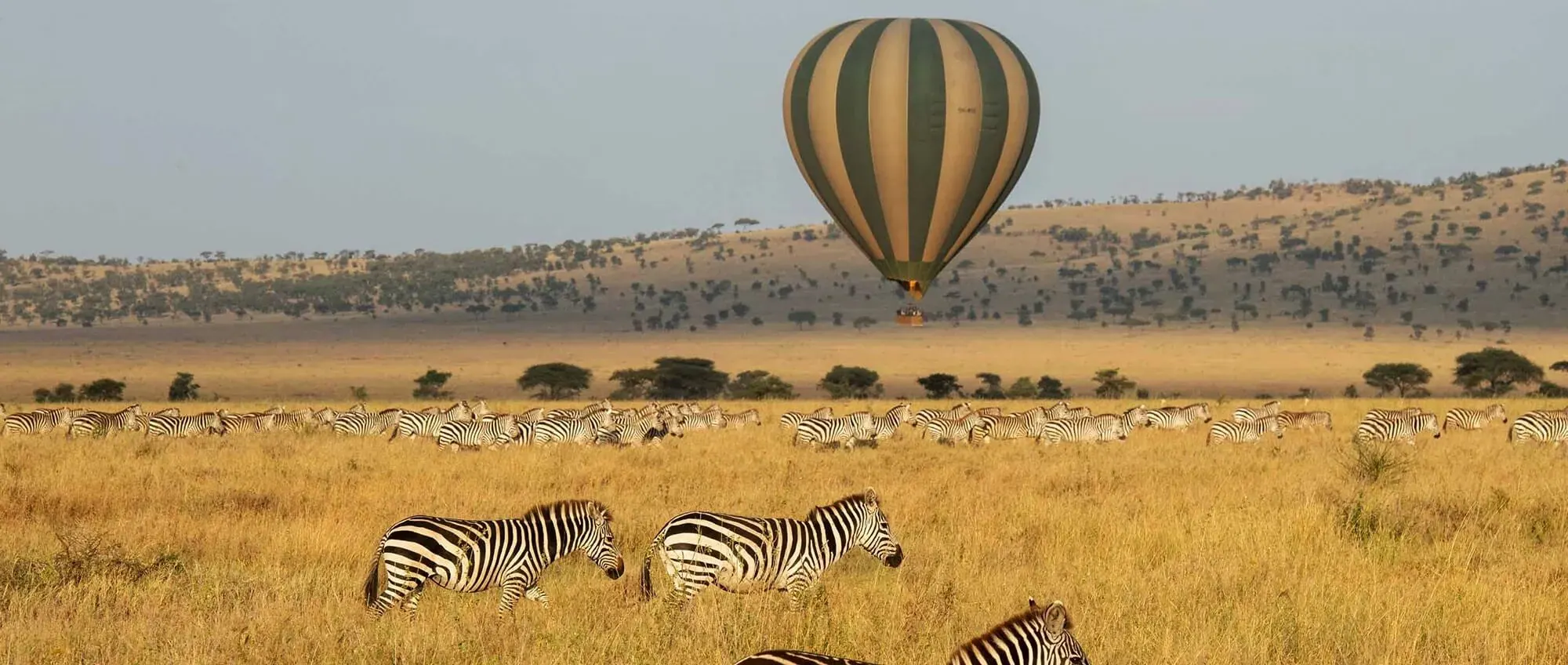
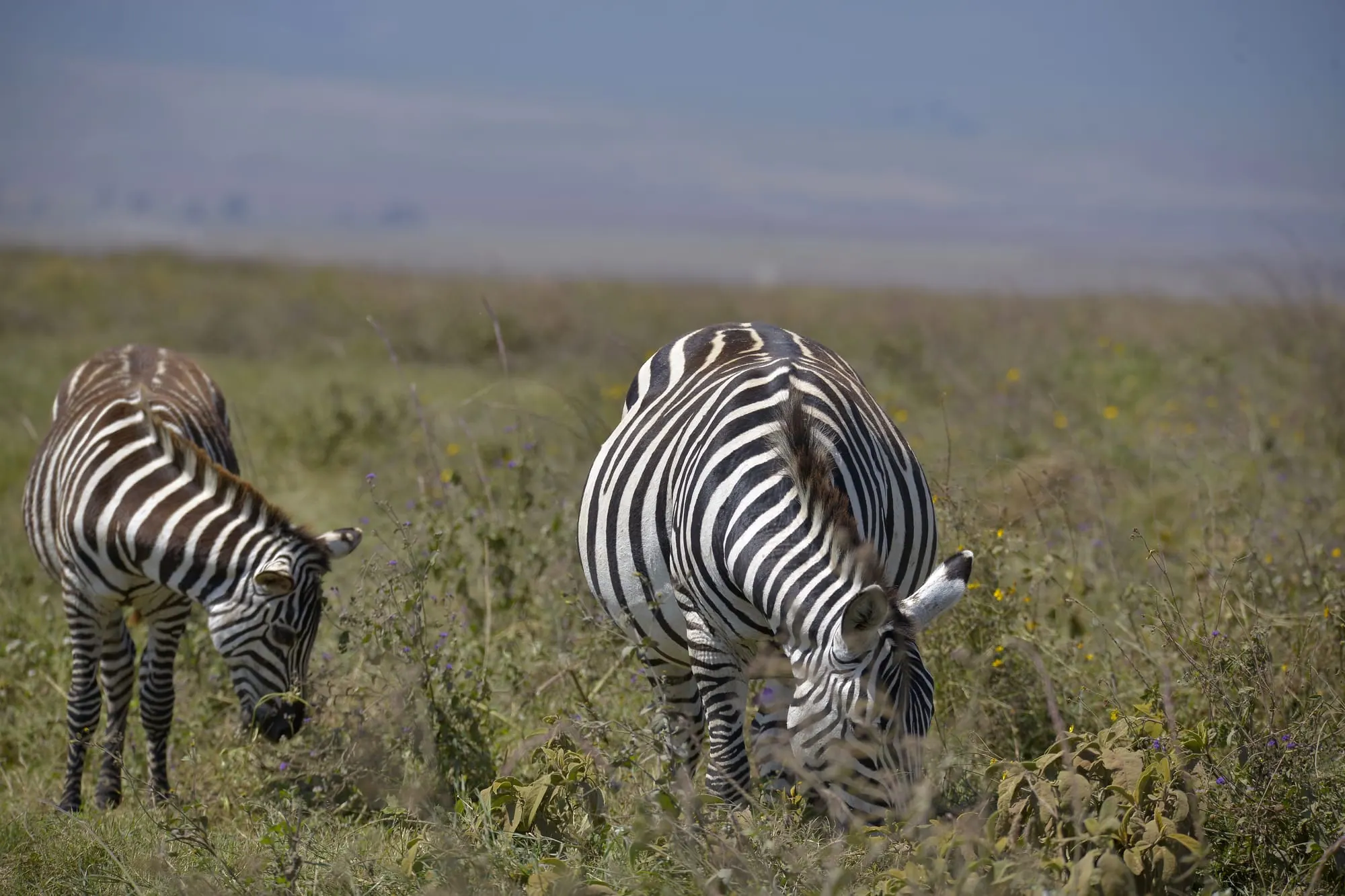
Zebra travel in the lead, because they can crop taller, tougher grass that the wildebeest then follow onto. Gazelle, eland and topi join in at the edges. This is a sequence, not a crowd, and a good guide will explain how each species uses the plains differently. It also explains why some places look empty and others look crowded with life only a few days later.
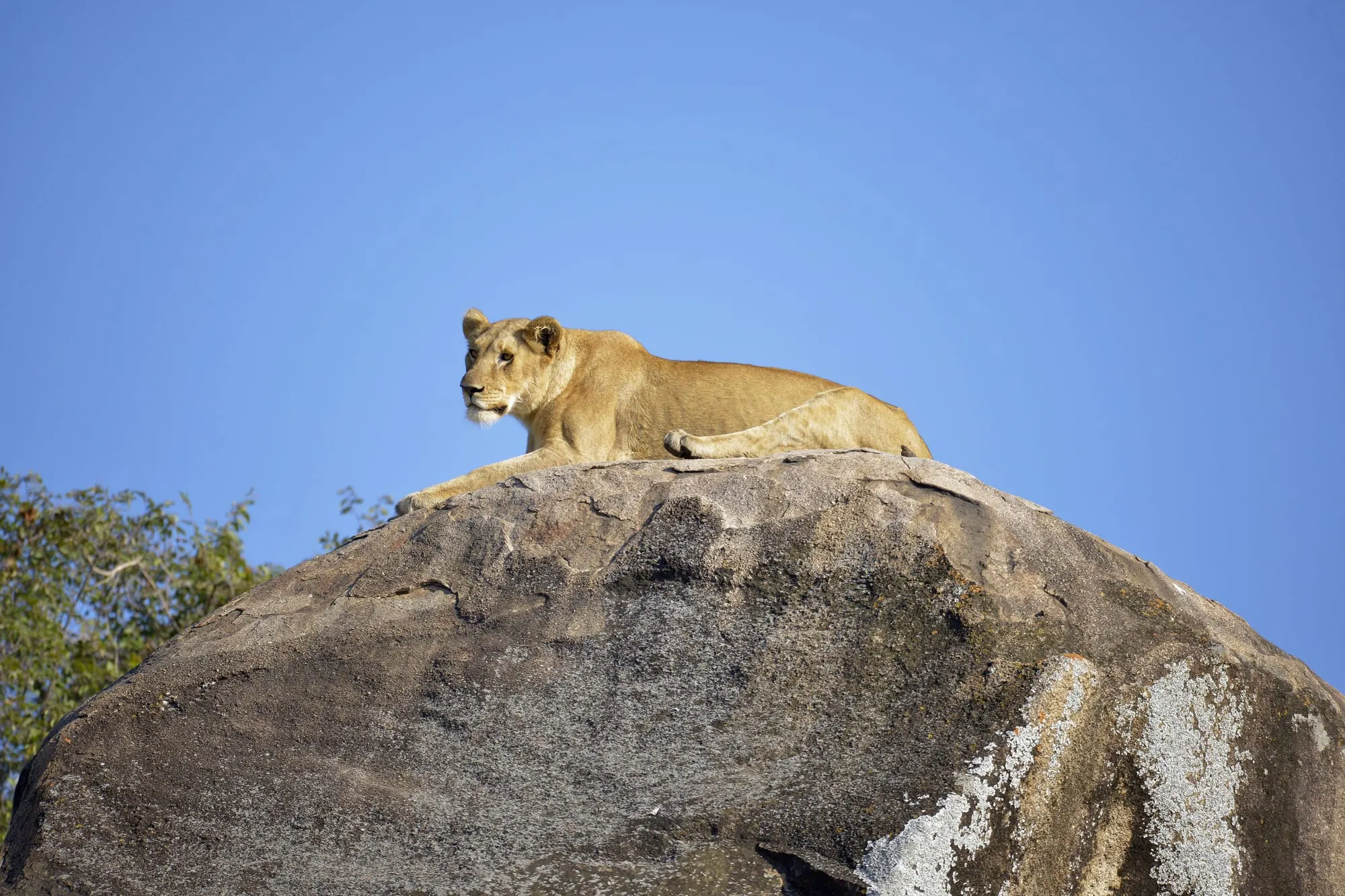
Behind and beside the herds come the predators. Lions, hyenas, cheetahs, leopards and crocodiles all depend on the movement in some way. Resident prides around Seronera and the kopjes eat well when the herds are close and adapt when they are away. Crocodiles at the Mara and Grumeti rivers can go for long periods between big meals, then feed heavily during the crossings. Understanding this web helps you read what you are seeing.
07
Mobile camp or permanent lodge for each month
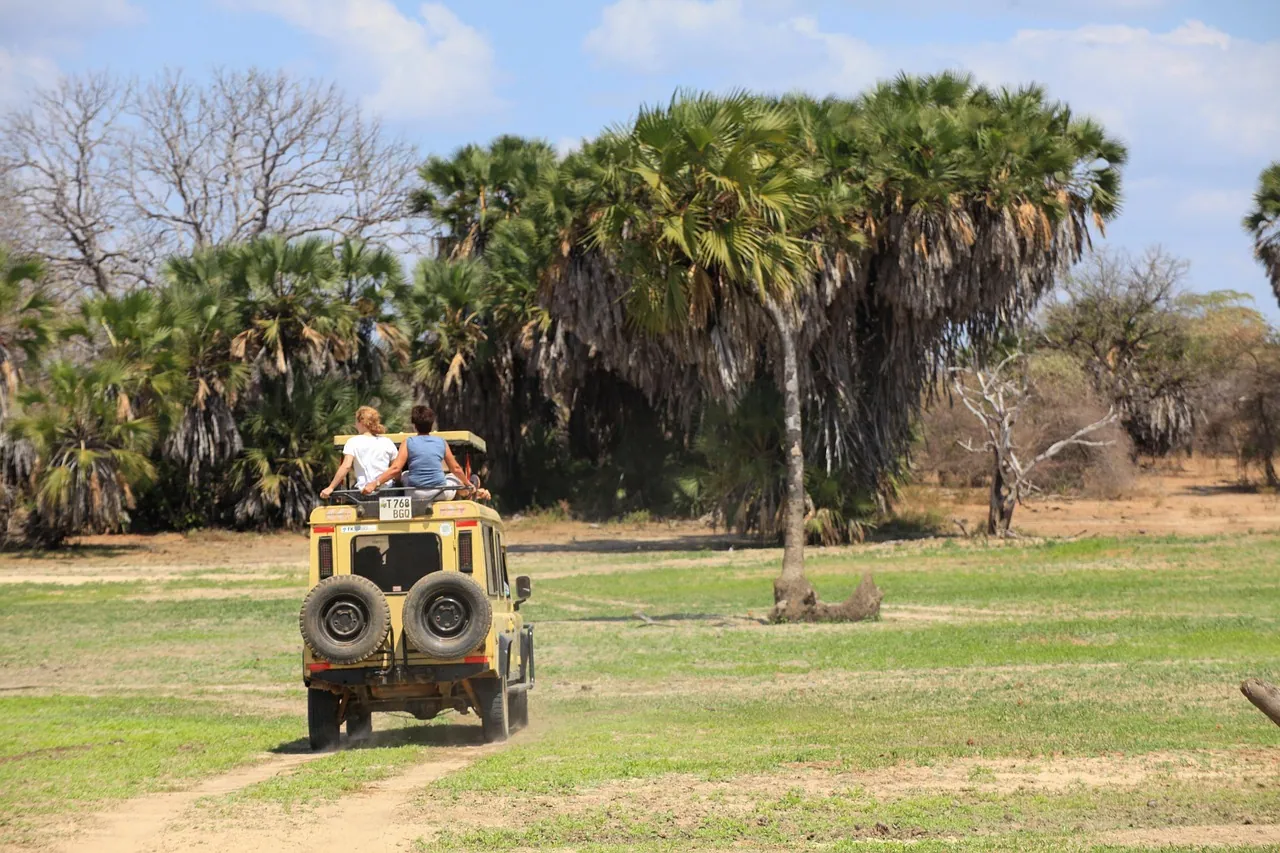
A mobile camp is a seasonal tented camp that moves a few times a year to stay close to the herds. It is the style that puts you nearest to the action, and it is the choice many people make for calving season in the south or for the river crossings in the north. The tents are simple but comfortable, there is little light pollution, and you can often hear the herds grunting around you at night.
A permanent lodge or fixed tented camp offers more space, more facilities and often a more predictable level of comfort. The trade off is distance: the herds may be an hour or two away on the day you arrive, and they may not be near at all. Lodges are a good choice for months when the herds are moving through, such as the central Serengeti in April to June, or for travellers who prefer a proper bathroom, a pool or a bar.
Many of the best migration itineraries pair one of each: a few nights in a mobile camp that sits right beside the herds, then a couple in a permanent lodge for comfort and variety. We build this combination often, and we confirm the exact camp positions as close to your date as possible, because they depend on where the herds have gone that season.
08
Crowds, balloon flights and how many days to stay
Crowds follow the headline events. Late July to September in the north and February at Ndutu are the busiest times, and the most popular camps book out many months ahead. A private vehicle with a guide who knows the quieter tracks makes a real difference, because you can leave a congested viewpoint and find your own sighting. The shoulder months, May, June and November, give you the migration with far fewer people.
A hot air balloon flight is the signature Serengeti add on. Flights leave before sunrise from the central Serengeti around Seronera, drift for about an hour and finish with a bush breakfast. A balloon flight is not tied to the migration, but from the air you can see the scale of the plains and the herds spread across them, and it is a calm contrast to a day of bouncing around in a vehicle. Age limits apply, so check this if you travel with children.
On how many days to stay, we usually suggest at least four nights in the Serengeti, and five or six if the migration is the main reason you are going. Moving camp once is worthwhile because it lets you see two parts of the ecosystem. A single night in the park rarely does the place justice. A migration safari of seven to ten days with a Ngorongoro Crater visit on either side is a well balanced plan.
09
Common mistakes and how to choose your month
The most common mistake is expecting to see everything in one trip. The migration cannot be experienced in a single week, because the herds are in different places in different months. Decide which chapter you want, whether that is the calves, the rut, the Grumeti or the Mara River crossings, and then choose your month. If you are not sure which month is best, ask us before you book flights or camps.
The second mistake is staying too short a time in the wrong place. Two nights in the north, for example, can easily end in a day of waiting and no crossing. The third is choosing a camp for its pool or its price without checking where it is relative to the herds that month. A lovely lodge in the central Serengeti is a poor base for a crossing and the reverse is also true.
Finally, try not to treat the migration as the only reason to come. The Serengeti works in every month, with lions on the kopjes, leopards in the trees and cheetahs on the plains whether or not the herds are close. If you are planning your first safari, we would rather put you in the right season for good weather and a flexible plan than chase a specific scene. Tell us when you can travel, and we will tell you honestly what to expect.