01
How fit do you need to be for Kilimanjaro?
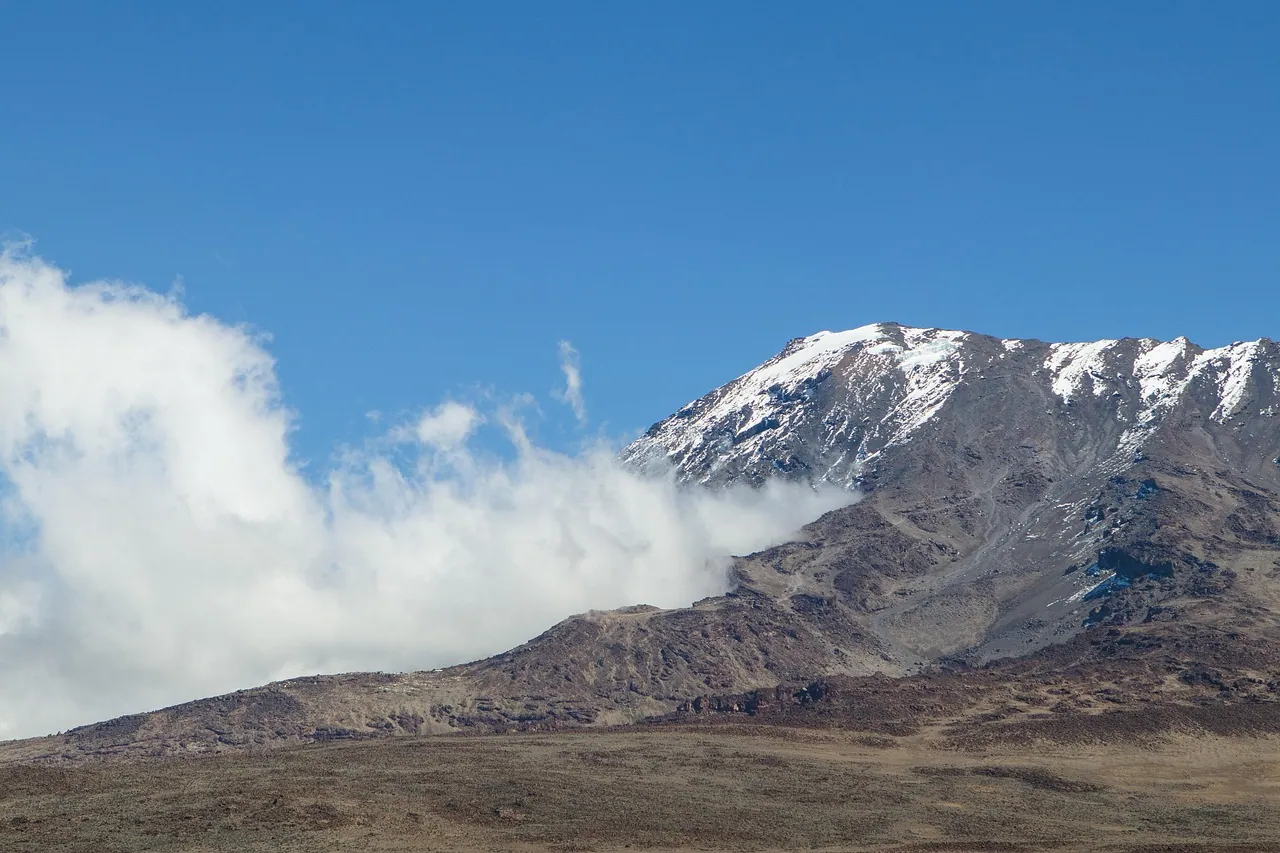
Kilimanjaro is not a technical climb. There are no ropes, no crampons on the standard routes and no climbing skills to learn. It is a long walk up a very big mountain, and the summit of Uhuru Peak sits at 5,895 m / 19,341 ft. So how fit do you need to be? Fit enough to walk for five to eight hours a day, several days in a row, carrying a light daypack, and still be able to walk for ten to fourteen hours on summit day. That is a strong base of general fitness, but not an athlete's level.
Most people overestimate the gym and underestimate the hills, so we spend time on this in the plan below. The harder truth is that fitness and altitude tolerance are different things. A very fit runner can feel terrible at 4,500 m / 14,764 ft while a modest, steady walker feels fine. You cannot fully train for altitude at sea level. What training does is make everything else easier: your legs, your lungs, your sleep, your mood and your recovery. A body that is not struggling with the walking has more energy left for coping with thin air. It also helps your confidence, which is a real factor on the long days. Trekkers who arrive having done a few genuinely hard, wet, tiring training weekends tend to handle the mountain's discomforts with far less drama than those who only did easy sessions.
For most first-time trekkers, the answer is simple. Be able to hike for six hours with a loaded pack, do it again the next day and feel tired but cheerful at the end. If you can do that comfortably a few weeks before departure, your preparation is on track. If you cannot, there is still time to build up, provided you start early enough.
02
A 12 week training plan that works
A Kilimanjaro training plan of 12 weeks is a sensible length for most people. It is long enough to build real fitness and short enough to stay motivated. In weeks one to four, build a base with three or four sessions a week: brisk walking or easy jogging for 30 to 45 minutes, one longer walk on the weekend, and two short strength sessions. The aim is to get used to moving regularly, not to exhaust yourself.
In weeks five to eight, raise the load. Make your weekend hike two to four hours with a daypack, adding weight gradually. Add stair climbing or a steep hill once a week, and keep your cardio sessions steady rather than frantic. Strength training should focus on legs, hips, core and back: squats, lunges, step ups, planks and calf raises. You are building the muscles that will carry you uphill and protect your knees on the long descent.
In weeks nine to twelve, bring in back to back days. Hike for five or six hours on Saturday with a loaded pack, then do three or four hours again on Sunday. This is the single most useful session you can do, because it copies the tiredness of day three on the mountain. Taper the last week: keep things light, rest well and save your energy for the trip. Weekend hikes are the backbone of the plan, and they should get gradually longer.
- Cardio: three sessions a week of walking, jogging, cycling or swimming, building from 30 to 60 minutes.
- Strength training: two sessions a week focused on legs, glutes, core and back.
- Stair climbing: once a week with a daypack, adding a few minutes each fortnight.
- Weekend hikes: one long day, with a second day in the last month for back to back days.
- Rest: at least one full rest day each week, and an easy final week.
03
Boots, pack and the gear that decides your comfort
Your boots matter more than almost any other piece of kit. Choose a pair of waterproof hiking boots with good ankle support and a stiff, grippy sole, and buy them early. Then break in your boots over many hours, on hills and in wet conditions if you can. Blisters on day two of a seven day trek can ruin the experience, and they are almost always avoidable with well fitted footwear and decent socks.
Train with the kind of loaded pack you will carry on the mountain. On Kilimanjaro, porters carry your main bag, and you carry a daypack with water, a rain jacket, warm layers, snacks, a camera and sun protection. Five to eight kilograms is typical. Practise with this weight and with your actual daypack so that the straps and the fit are comfortable before you arrive.
Many trekkers also like walking poles, which take pressure off the knees on the descent. If you plan to use them, use them in training too. The rule is to avoid wearing or using anything for the first time on the mountain. That includes socks, base layers, waterproofs and your headtorch. Test it all on a wet, cold weekend walk and you will find the problems at home rather than at 4,000 m.
04
What altitude does to your body
As you climb, the air pressure falls. At the summit of Kilimanjaro, each breath contains roughly half the oxygen available at sea level. Your body copes by breathing faster and harder, raising your heart rate and, over days, producing more red blood cells. These changes take time, which is why a slow climb works better than a fast one. This is the thin air that people talk about, and it affects everyone, whatever their fitness.
In the first days you may notice shortness of breath on slopes that would be easy at home, a pounding pulse, and a drop in oxygen levels in the blood. Sleep often becomes lighter and broken, with vivid dreams and periods of shallow breathing. Appetite can fall and you may feel unusually tired. Most of this is normal and settles as you acclimatise, though it is also worth watching, because the line between normal and unwell can be thin.
How you respond cannot be predicted from age, sex or fitness. Some people who have been to altitude before still feel the effects, and some first-timers feel nothing. That is why we never judge a trekker by how they look and why a careful, honest approach to symptoms matters more than bravado. Your body needs time and rest, and the mountain gives no medals for speed. Ask your guide to explain how the day will go each morning, and tell them honestly how the previous night went. That conversation is more valuable than any gadget.
05
Acclimatisation: pole pole, climb high sleep low
Acclimatisation is the process of adjusting to less oxygen, and it is the heart of a successful Kilimanjaro climb. Guides repeat two phrases constantly. The first is pole pole, Swahili for slowly slowly. Walking at a pace so slow that it feels almost silly keeps your heart rate down, saves energy and gives your body time to adapt. The second is the principle of climb high sleep low, where you go up during the day and come down to sleep a little lower.
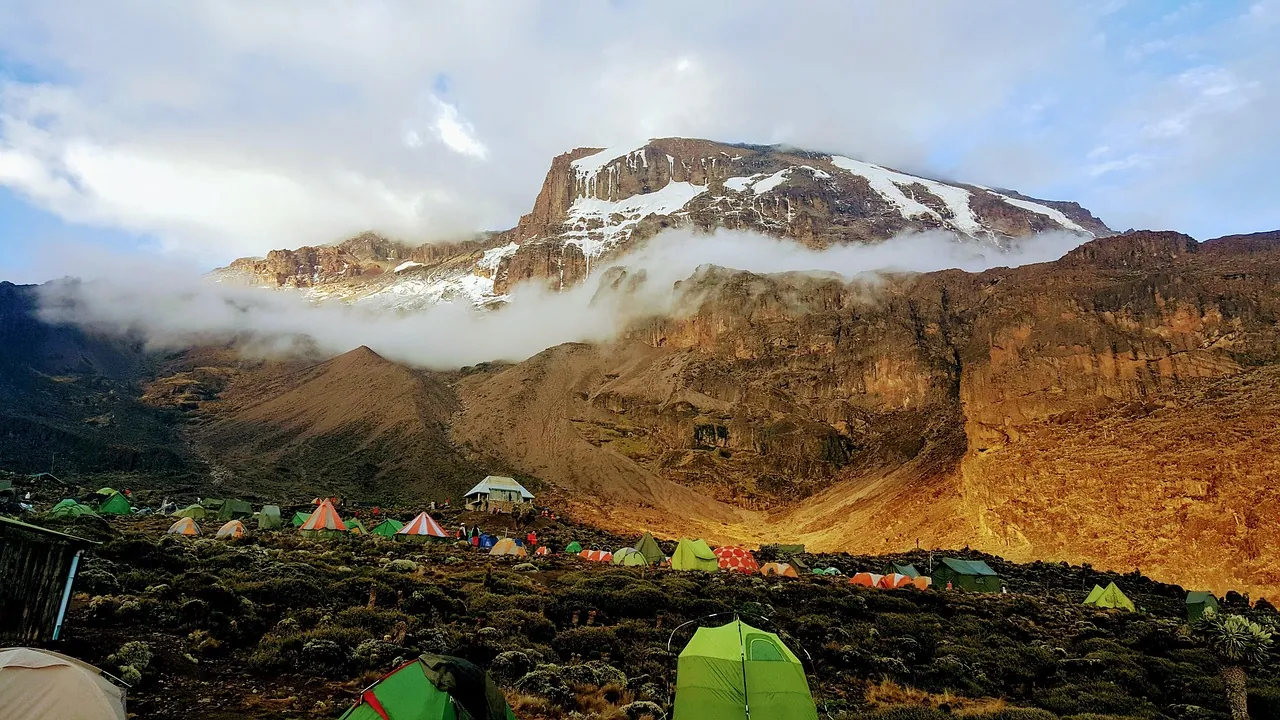
On the Machame Route, for example, day three takes you from Shira up to Lava Tower at around 4,630 m / 15,190 ft before dropping to Barranco camp to sleep, and that rhythm is exactly why the route works well. The next day you climb the Barranco Wall, a scramble of about 300 m that looks steeper than it is. The day gives your body a taste of height and a chance to recover before summit day.
Other habits help too. Drink steadily, eat well, avoid alcohol, keep warm and rest properly in camp. Do not rush to the front of the group. Guides often set the pace deliberately, and the trekkers who reach the top most reliably are usually the ones who walked slowest in the first days. If someone tells you that pole pole is only for the unfit, they have not stood on summit night at 5,500 m.
06
Altitude sickness: symptoms and what to do
Altitude sickness, properly called acute mountain sickness, is common on Kilimanjaro. Early signs are often a headache and nausea, followed by dizziness, tiredness, loss of appetite and poor sleep. Mild symptoms are not unusual, and a headache and nausea on the first night above 3,000 m are very common. They often ease with rest, fluids and a slower pace. The rule is simple: tell your guide straight away, never hide how you feel, and do not climb higher if your symptoms are getting worse.
More serious signs need immediate action. These include a severe headache that does not ease, repeated vomiting, confusion, difficulty walking in a straight line, unusual drowsiness, breathlessness while resting and a wet, bubbling cough. These can point to fluid on the brain or lungs, which are dangerous. The treatment is to descend promptly, because going down is the most effective remedy. Guides are trained to make that call, and you should respect it.
A good operator checks the health of the group every day, often asking about symptoms and measuring pulse and blood oxygen with a simple finger device. These numbers are only a guide, and they do not replace the guide's judgement. Questions about preventive medication belong with your own doctor, who knows your history. We do not give medical advice, and no website or article should replace that conversation before you travel.
07
Hydration, food, sleep and the daily routine
Good hydration helps you feel better at altitude, so aim to drink steadily through the day, often around three to four litres. Warm drinks count, and soup at camp is a good way to take in fluids and salt. Your urine should be pale. Overdoing it can be as unhelpful as underdoing it, and the goal is steady sipping from morning to night rather than a large drink at once.
On what to eat, appetite often drops with height, but your body still needs fuel. Carbohydrate rich meals, soup, porridge, bread, rice and pasta are all useful. Keep favourite snacks in your daypack, such as nuts, dried fruit, biscuits or energy bars, because you may fancy something unexpected. Our guides encourage everyone to eat the full dinner before summit night, even if the appetite is low.
Sleep at altitude is often poor, even for strong trekkers, and that is normal. A warm sleeping bag, a comfortable mat, an eye mask and earplugs help a lot. Lie down early, rest even when you are not sleeping, and do not worry about it. Your body recovers a surprising amount when it is simply lying still. A good routine of washing, a warm meal and a short walk before dinner helps the day end calmly.
08
Summit night and the mental side of the climb
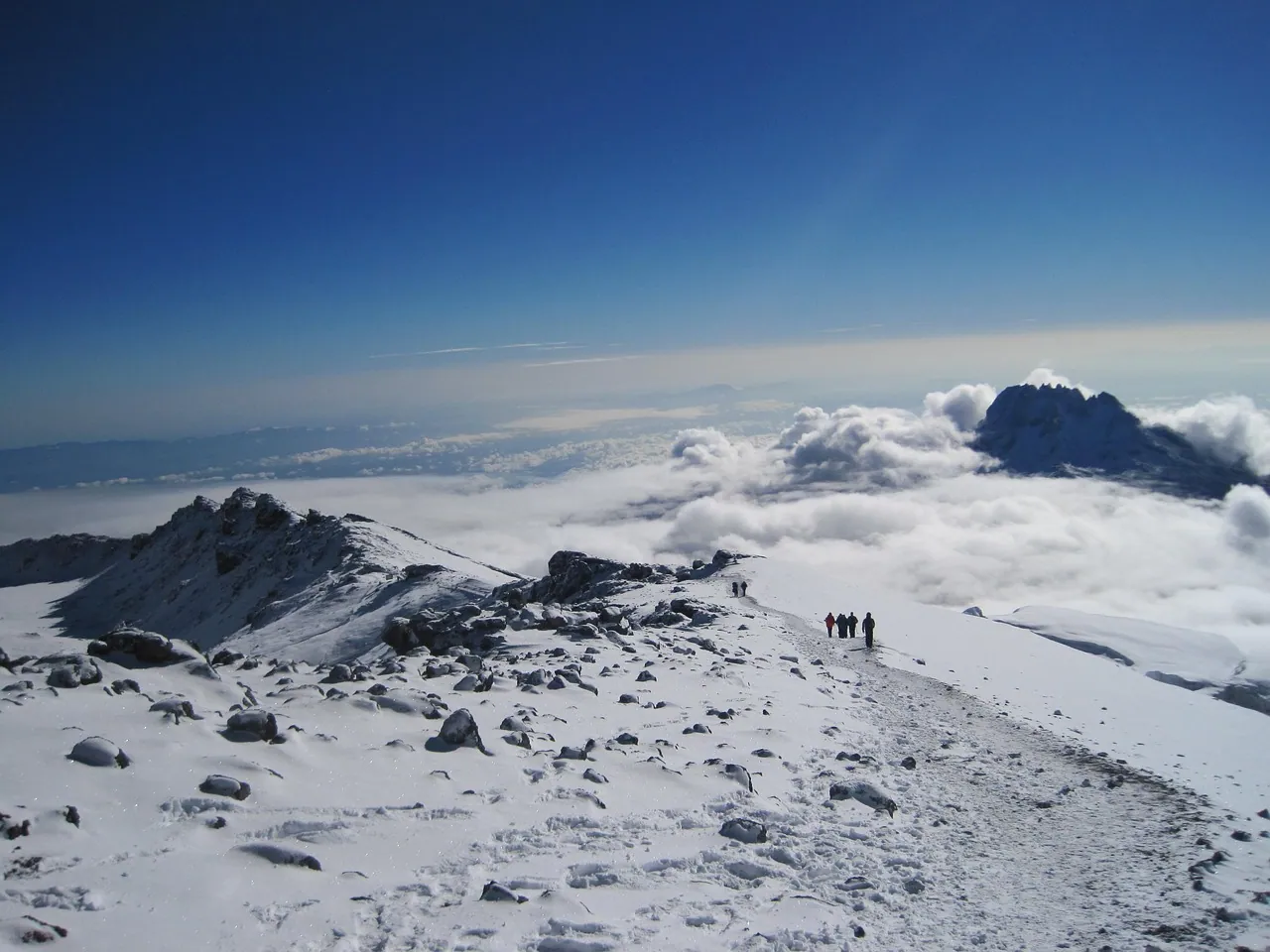
Summit night is the hardest part of the trip, and it is worth knowing what to expect. You usually wake around midnight, eat something, dress in all your layers and set off by headtorch in the cold and dark. The climb is steady and steep, and the temperature can fall well below freezing, with wind making it feel colder. You walk to Stella Point at 5,739 m / 18,829 ft, often as first light spreads, and then continue to Uhuru Peak.
The total effort of summit day, including the long descent, can be ten to fourteen hours. Each step feels slow, your hands and feet are cold and your mind may play tricks. Mental preparation matters here. Break the climb into small pieces, such as the next break or the next fifty steps. Practise this in training on a long, hard day, and remember why you came. Many people say that the mind is the last muscle to give way.
It also helps to be realistic. Not everyone reaches the top, even with excellent training and a good guide. Weather, health and altitude can all decide the outcome. If you turn back, you have still made a serious trek and used good judgement. That mindset, flexible rather than fixed, often makes the summit more likely, because tension and fear of failure waste energy that you need on the slope.
09
Choosing days and route, insurance and common mistakes
The number of days you choose is one of the strongest influences on your chances. An extra day gives your body more time to adapt, and it is usually worth taking. The Lemosho Route on eight days builds in more gradual height gain and is popular with first-time trekkers for that reason. The Machame Route on seven days is a classic choice with its climb high sleep low pattern. The Marangu Route is shorter, and its success rate is lower, so we would not choose it purely to save time.
Insurance is not optional. Travel insurance should explicitly cover trekking to 6,000 m / 19,685 ft, emergency evacuation and medical care, so read the policy carefully and check that it does not exclude high altitude. Talk to your doctor before you go, especially if you have a heart, lung or blood pressure condition, are pregnant or take regular medication. Do this early so that there is time for any checks.
The most common training mistakes are starting too late, doing only gym work with no hills or loaded walking, never practising back to back days, buying boots at the last minute and ignoring the mental side. Another is training so hard in the final week that you arrive tired. Stick to the plan, taper properly and arrive at the start gate rested, curious and ready to walk slowly. We are always happy to talk through your plan, your route and your dates.