Kilimanjaro resources
Best time to climb Kilimanjaro
The two drier windows give the clearest skies and the firmest trails, and they are also the busiest. Here is how each month feels on the mountain, which route suits the rains, and how to pick your dates.
- Jun to Oct
- The long dry window
- Jan to mid-Mar
- The shorter dry window
- Rongai
- The route that sheds the heaviest rain
- Apr and May
- Muddy, cloudy and quiet
The short answer
The best time to climb Kilimanjaro is during the two drier windows: late June to October, and January to the middle of March. Skies are clearer, trails are firmer and summit mornings are more likely to be bright. Those are also the busiest months, especially on the southern routes in July to September.
Climbing in the rains is possible, particularly on the Rongai route, which sheds the heaviest rain, but you will meet mud, cloud and colder nights on most other lines. Whatever the month, the number of days you take matters more to your summit chances than the weather, so choose the longest itinerary you can.
Kilimanjaro month by month
The bars show how good each month is for a climb. Choose a month for the full picture of weather, crowds and what else is happening in Tanzania.
January
Calving on the southern plains
Very good
February
Peak calving and big cats
Very good
March
Lush landscapes, lower prices
Showery
April
The quietest month
Quiet and wet
May
Green, calm and affordable
Showery
June
Dry season begins
Very good
July
Classic big-game safari
Best
August
Mara River crossings
Best
September
Crossings with fewer crowds
Best
October
Last of the dry season
Very good
November
Short rains, fresh green
Showery
December
Herds return south
Mixed
The two climbing windows
Late June to October
The long dry window. Clear skies, firm trails and bright summit mornings. July to September is the busiest period on the mountain, especially on Machame and Marangu, so choose a longer or quieter route if solitude matters.
January to the middle of March
The shorter dry window. Clear weather and good trail conditions with somewhat fewer climbers than the peak months. Skies can cloud over later in March as the long rains approach.
Climbing in the rainy season
The long rains fall from roughly March to May, with April usually the wettest month, and the short rains arrive in November. On most routes the wet months are possible but muddier and colder, and cloud can hide the mountain. The upside is solitude: trails are far quieter and the forest is lush.
If you must climb in the long rains, the Rongai route on the northern side is the sensible pick. Its slopes are drier, the trail is quiet, and the lower forest holds wildlife such as elephant, buffalo and eland. Choose more days, bring a good waterproof shell and over-trousers, and expect to be honest with your guide about how you feel.
Which route for which time of year
| Time of year | Good route choices | Why |
|---|---|---|
| Peak dry months, July to September | Lemosho, Northern Circuit | Quieter starts and extra days, which helps when the southern routes are busy |
| Shorter dry window, January to mid-March | Machame, Lemosho | Clear weather and good conditions on the most scenic routes |
| Long rains, March to May | Rongai | The northern slopes shed the heaviest rain and stay quiet |
| Short rains, November | Rongai | Its drier slopes and quiet trail suit showery weather |
Crowds, planning and combining with a safari
Kilimanjaro crowds depend on the route and the month. The southern lines, especially Machame and Marangu, carry the most climbers from July to September. The quietest routes in most seasons are the Northern Circuit and the Rongai, and Lemosho is calm until it merges with the southern circuit near Barranco.
Many climbers add a safari or a few days on the coast. Plan the mountain first and the rest as a reward, and check the best time to visit Tanzania so the safari months suit you too. If you can find one more day on the mountain, take it: more days usually means better odds of reaching the top.
Questions answered
What travellers ask us
September is a strong choice, with clear skies and firm trails, but any month in the two dry windows works well: late June to October and January to the middle of March. These are also the busiest months.
Yes, though it is muddier, cloudier and colder on most routes. The Rongai route on the northern side sheds the heaviest rain, so it is the usual choice for climbs in the long rains.
The rainy months, April and May, are the quietest. Among the drier months, the Northern Circuit and the Rongai are generally the quietest routes, and the shorter dry window in January to March has somewhat fewer climbers than July to September.
Yes. January is part of the shorter dry window, with clearer skies and firmer trails than in the wet months.
April is usually the wettest month, so trails are muddy, cloud is common and nights are colder. It suits those who value solitude and are flexible, and the Rongai route is the best choice.
Weather can affect comfort and visibility, but the number of days you take matters more. Longer routes with gradual height gain tend to do better than shorter ones in any season.
Keep planning
Where to go next
Kilimanjaro packing list
What to bring, layer by layer, and what to leave at home.
Read moreKilimanjaro climb cost
Prices by route and group size, and what is included.
Read moreBest time to visit Tanzania
Match your climb dates to a safari or a beach stay.
Read moreCompare the six routes
Machame, Lemosho, Marangu, Rongai, Umbwe and the Northern Circuit.
Read more
Free guides
Plan your climb with our free guides
Read the routes side by side and plan your trip at your own pace. Tell us where to send them and they arrive in your inbox.
 Free PDF
Free guide
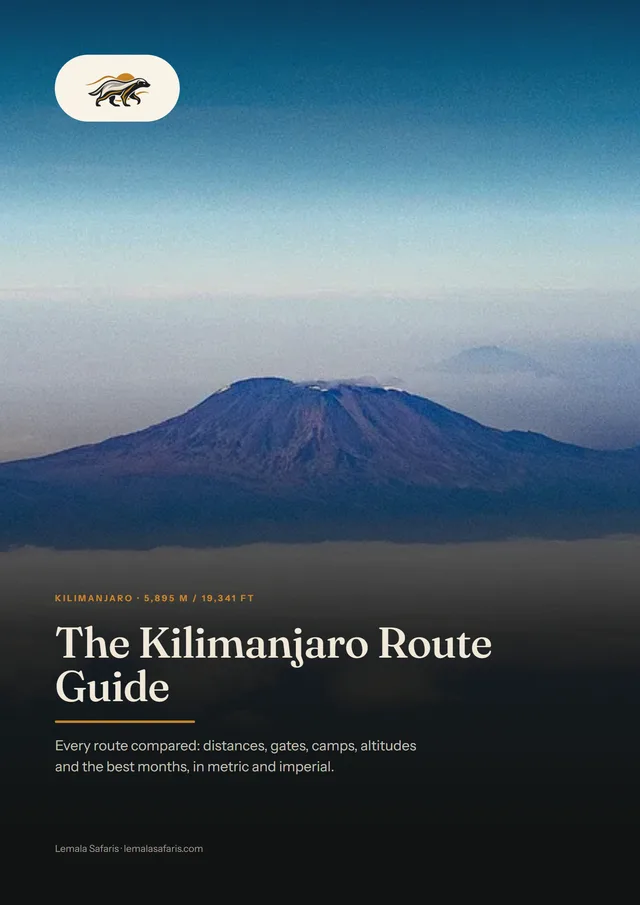
The Kilimanjaro Route Guide
Every route compared: distances, gates, camps, altitudes and the best months, in metric and imperial.
- Every route side by side: days, distance, start and finish gates, and where you sleep
- A day-by-day table for each route with elevation and distance, in metric and imperial
- The best months to climb, shown as a month strip for every route
 Free PDF
Free guide
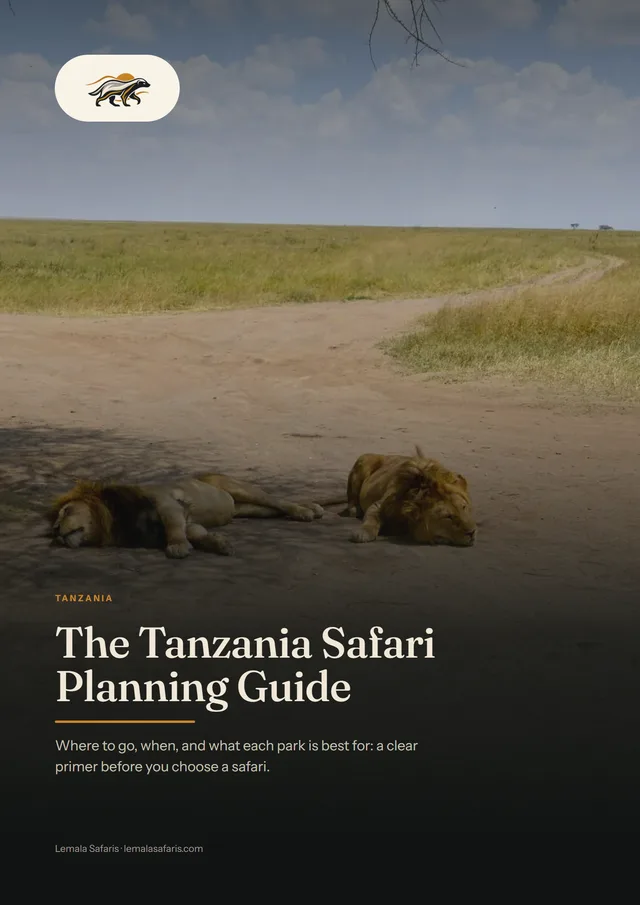
The Tanzania Safari Planning Guide
Where to go, when, and what each park is best for: a clear primer before you choose a safari.
- The best months for every park, park by park, on one page
- A profile of each destination: the landscape, the wildlife to expect and the size of the park
- The ways to travel, from classic game drives to walking, beach and combination trips
Your Kilimanjaro climb
Ready for the roof of Africa?
Tell us when you would like to climb and we will suggest the route and pace that give you the best chance of standing on Uhuru Peak.
No obligation and no pressure. We reply personally.
- 01
Tell us about your climb
When you would like to go, your group and any mountain experience. Two minutes is enough.
- 02
A real person replies
A Lemala planner suggests the route and pace that give you the best chance at the summit.
- 03
Get your tailored plan
A day-by-day plan and a clear quote, shaped around you. No obligation.