
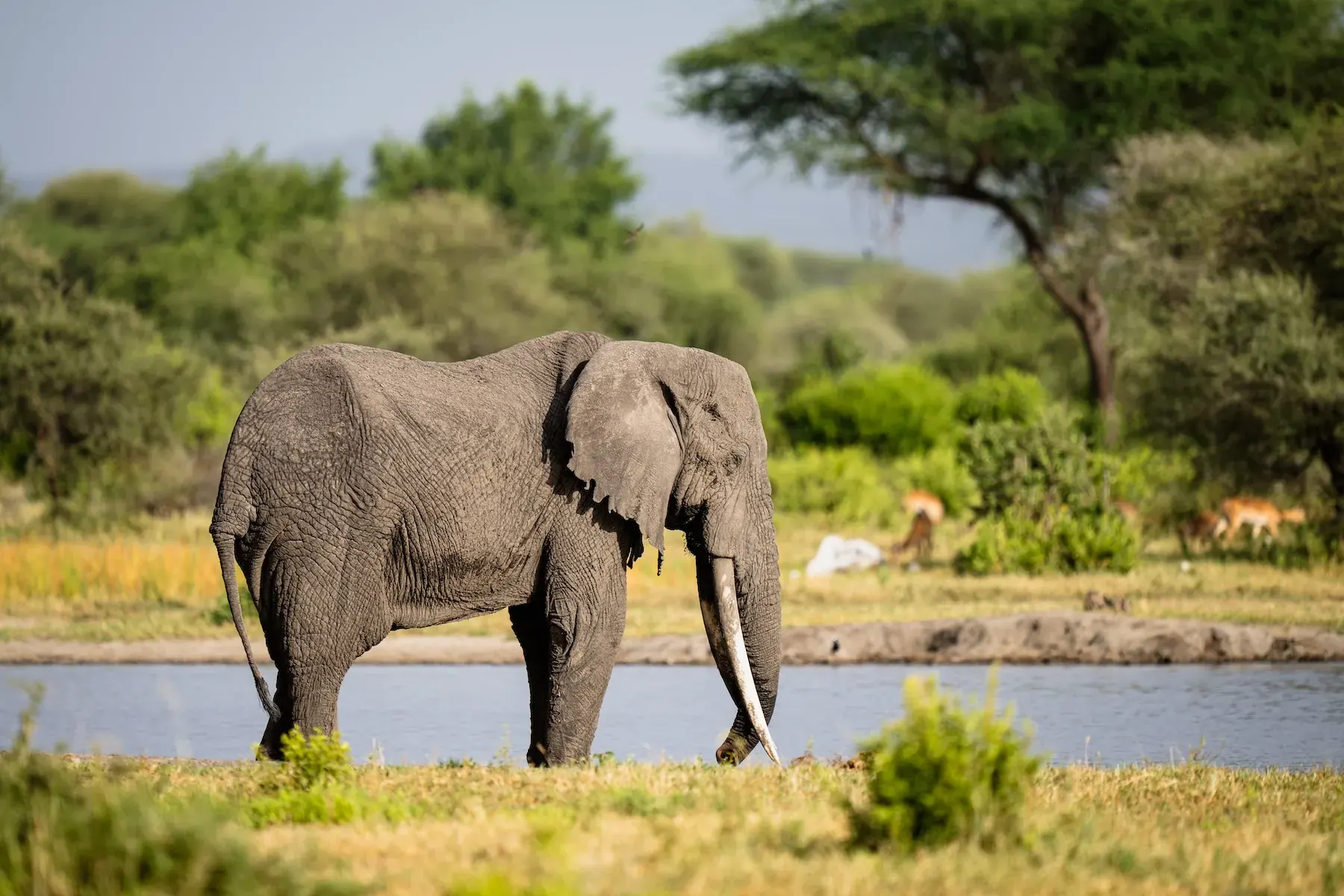
Giant baobabs, centuries old, shading roaming elephant herds
Tarangire National Park
The place
Giant baobabs, centuries old, shading roaming elephant herds
The Tarangire River gives the park its name and keeps it alive. Its 2,850 km² take in rolling hills, seasonal swamps and open grassland scattered with baobabs, some of the oldest and most striking in Tanzania. A number are believed to be well over a thousand years old, and their swollen trunks have become a symbol of this part of the country. It is the third-largest national park in the north, yet it gets less attention than its neighbours. That gives it a quieter, wilder character, shaped as much by its giant trees as by the animals underneath them.
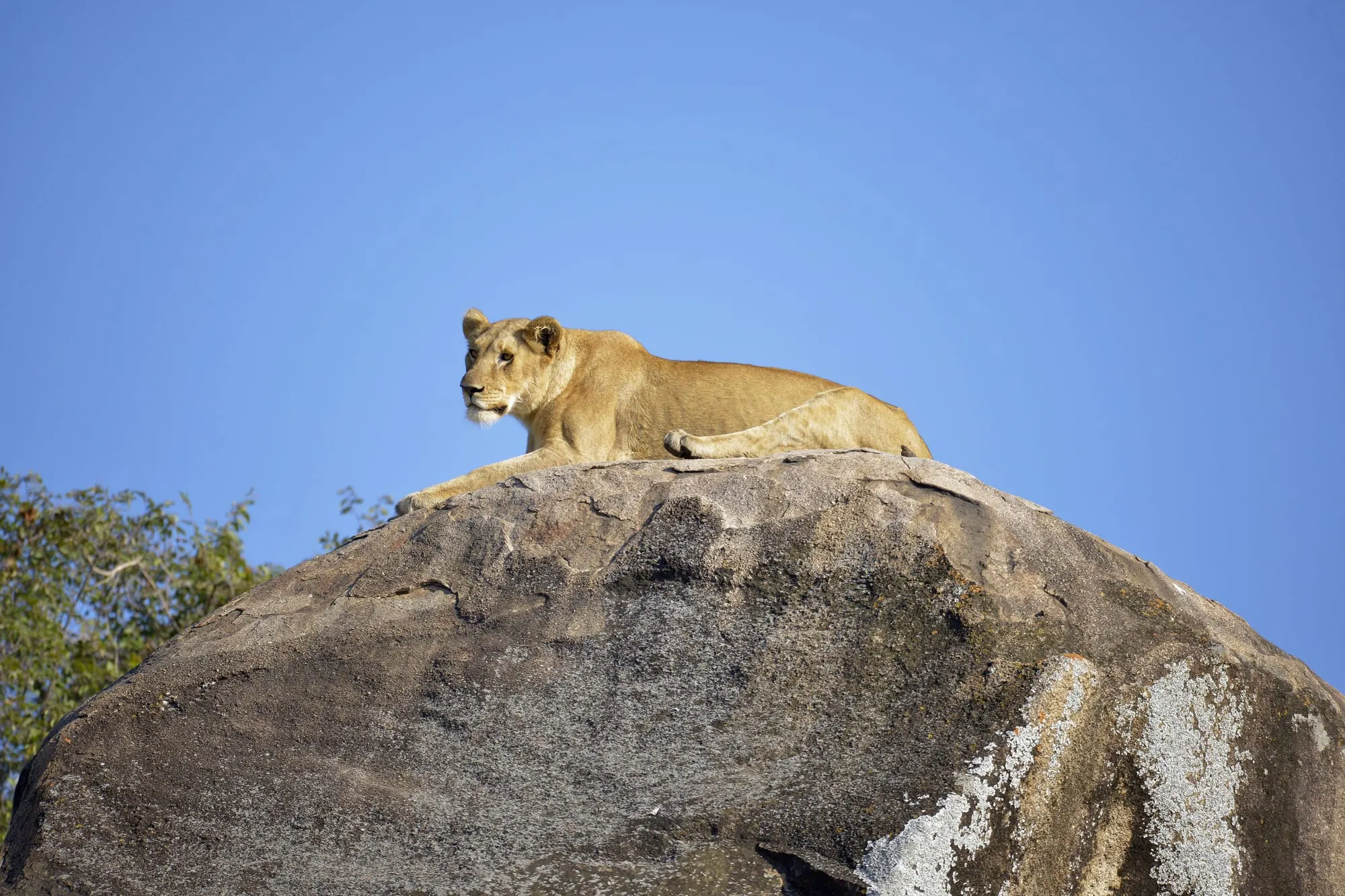
No other park in northern Tanzania holds as many elephants. In the dry season, herds of 300 or more come down to the river in scenes that can match anything in Africa. Lions here have a habit of resting in the branches of acacias and baobabs, and the park is also home to leopard, fringe-eared oryx and gerenuk, which are missing from most other northern parks. More than 550 bird species have been recorded, which puts Tarangire among the best birding spots in the country.
Between June and October the park is at its peak. Once water dries up across the surrounding plains, herds crowd the riverbanks, with concentrations that can match the Serengeti's, and the viewing is superb with far less traffic because so few visitors make the trip. The rains turn everything green. That is the moment for birds and for migratory species giving birth, though animals spread out and are harder to pin down.
Because visitor numbers are a fraction of those in the Serengeti, Tarangire suits anyone who wants plenty of wildlife without sharing it with a crowd. Roughly 120 km from Arusha, it works well as the opening or closing stage of a northern loop, frequently paired with Lake Manyara as a short, rewarding bookend to the Serengeti and Ngorongoro.
- Elephant herds that can top 300 animals
- Baobabs believed to be more than 1,000 years old
- Lions that lounge in tree branches
- More than 550 recorded bird species
- Dry-season wildlife crowding along the river
Ready when you are
Plan a trip to Tarangire National Park
- Jun, Jul, Aug best
Tell us your dates and group. We reply with a tailored itinerary and a clear, personal quote, with no obligation.
- Best months
- Jun, Jul, Aug, Sep, Oct
- Wildlife
- Elephant, Lion, Leopard, Buffalo, Zebra, Wildebeest, Oryx, Fringe-eared Oryx, Python
- Size
- 2,850 km²
- From Arusha
- 120 km
- Nearest airstrip
- Kuro Airstrip (inside the park) or Arusha (About 2 hours by road from Arusha)
The drive from Arusha is short and easy. A light aircraft can also land at the airstrip within the park.
Gallery
Tarangire National Park in pictures
Safaris
Safaris that include Tarangire National Park
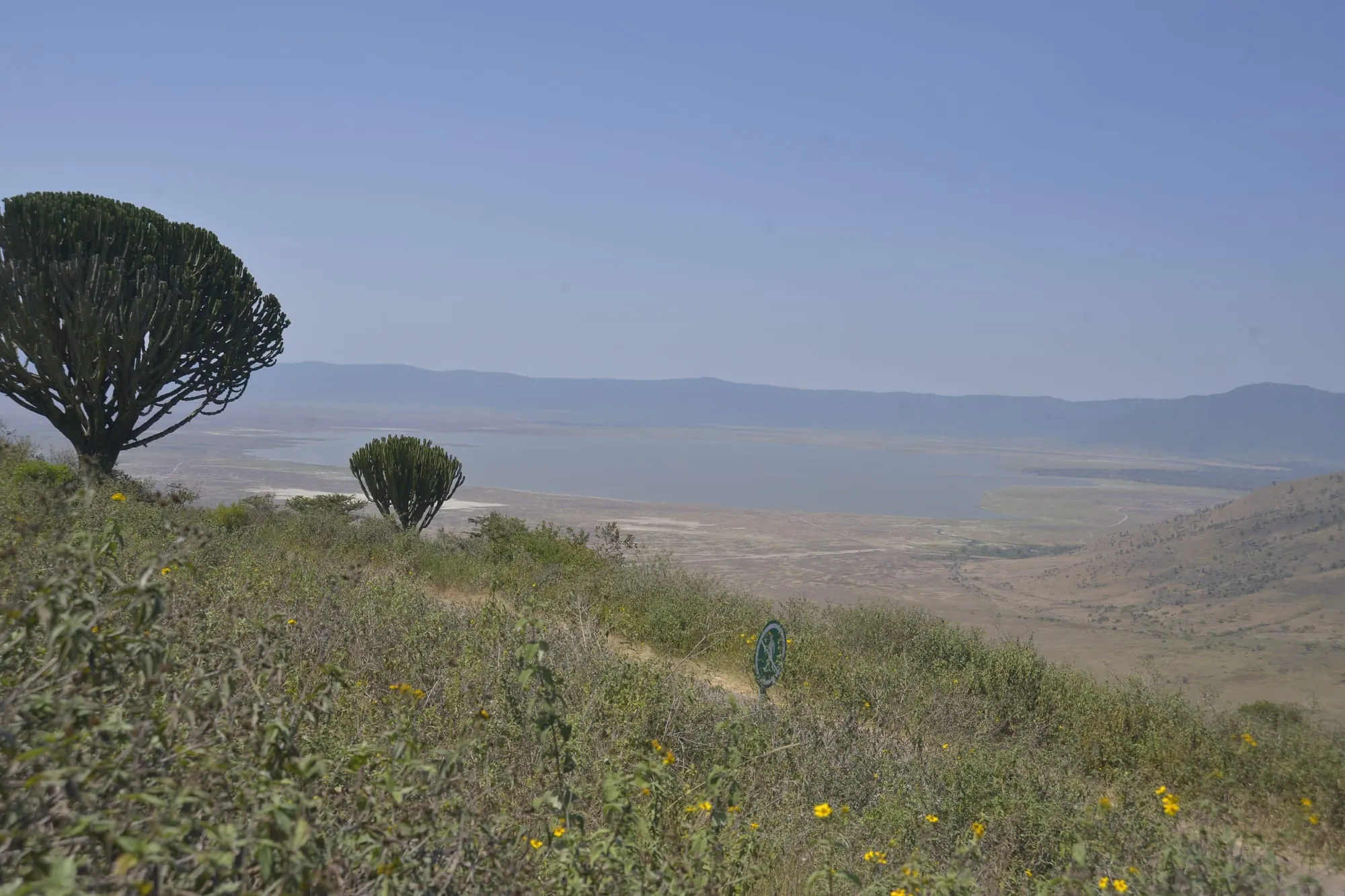
Serengeti, Ngorongoro and Tarangire in Seven Days
- 7 days
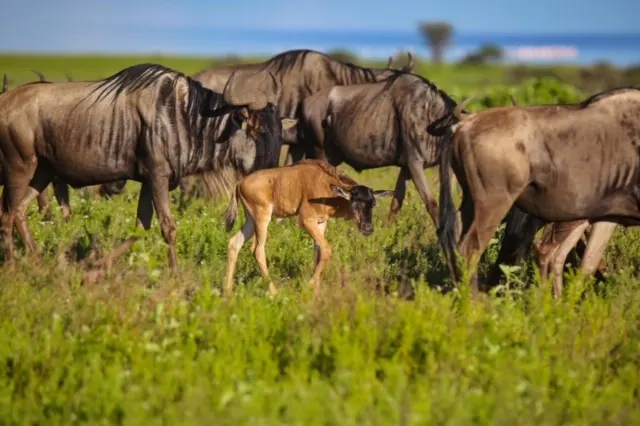
The Grand Northern Loop: Ten Days Through Four Parks
- 10 days
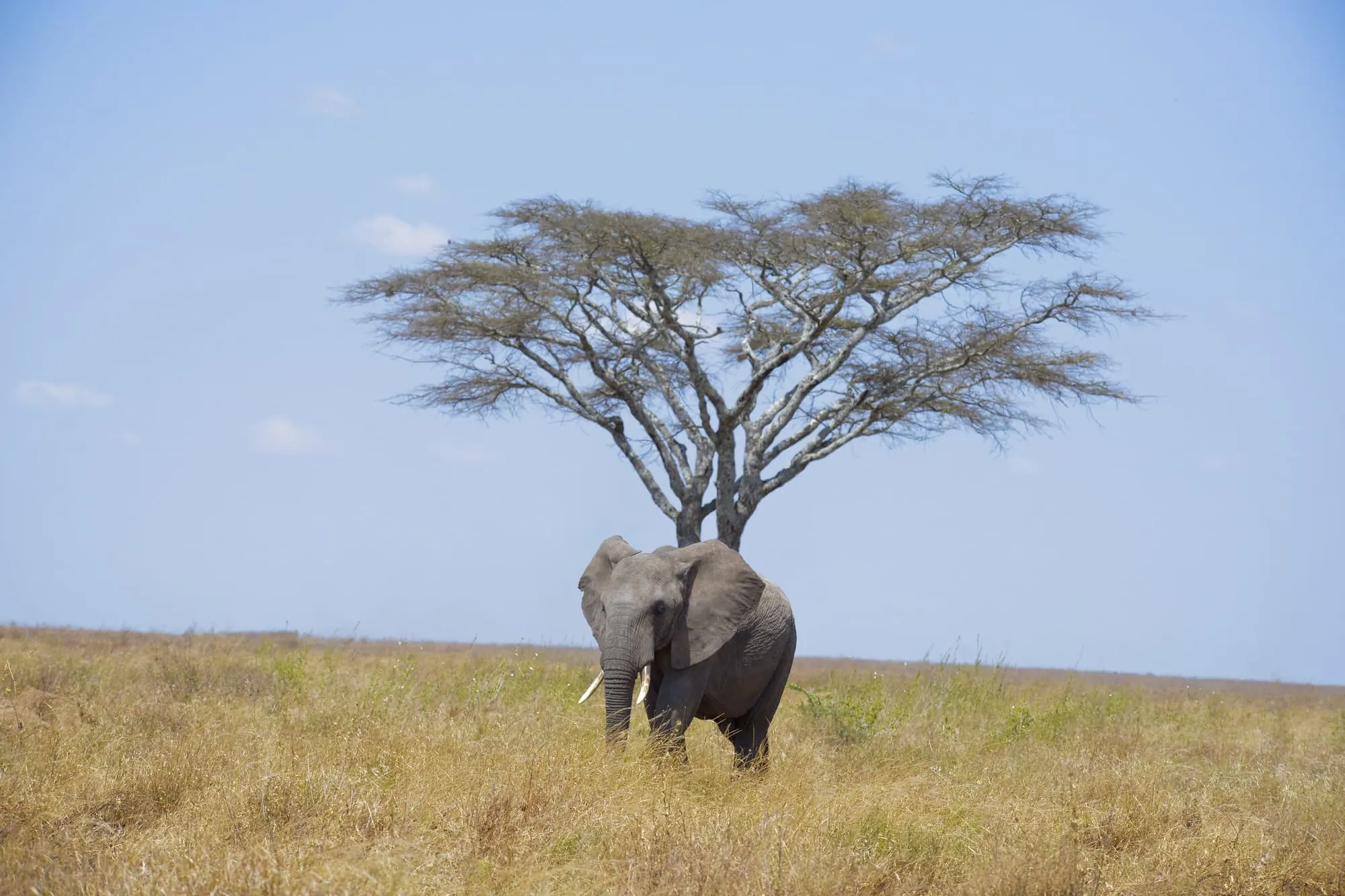
Bush to Beach: Northern Parks and Nungwi, Zanzibar
- 10 days
Bush Honeymoon for Two
- 8 days
Signature Circuit with Balloon and Night Drive
- 7 days
Ten-Day Family Safari Across Northern Tanzania
- 10 days
Where to stay
Stay near Tarangire National Park
Ridge
Burunge Tented Lodge
A tented lodge on the edge of Tarangire, placed for an early start into one of Africa's densest elephant landscapes.
Trail
Conserve Safari Tarangire
A no-frills camp on the Tarangire circuit that spends where it counts: capable guiding, a reliable kitchen and fair pricing instead of resort extras.
Ridge
Elephant Springs
This mid-range camp is built around a natural spring that draws elephants and other wildlife past the property, adding game viewing that camps at this level rarely offer.
Trail
Lake Burunge Baobab Tented Lodge
This tented lodge sits at the water's edge on Lake Burunge, beside the Tarangire boundary. Guests come back talking about the sunsets across the lake.
Summit
Siringiti Tarangire Camp
A private tented camp lifted on stilts above the Tarangire tree line, in country where elephants are present all year.
Trail
Tarangire Katikati Tented Camp
A plain, practical tented camp on the Tarangire circuit, positioned for the park's thick elephant herds and priced well below a resort.
Questions
Good to know
Mostly its smaller size and lower profile, not any gap in quality. Many travellers head straight for the bigger names, which is exactly why this park feels uncrowded.
In the dry season, June to October, when other water sources fade and elephants gather along the Tarangire River.
Very well. With Arusha only about 120 km away, one or two nights here fit neatly before or after the Serengeti and Ngorongoro.
Some are thought to be, judging by their girth and growth patterns. Pinning down the exact age of a baobab is difficult, so treat the figures as estimates.
Plan your time in Tarangire National Park
Tell us when you want to go and we will shape the trip around it.