
Endless plains, moving herds and the fiercest predator theatre in Africa
Serengeti
The place
Endless plains, moving herds and the fiercest predator theatre in Africa
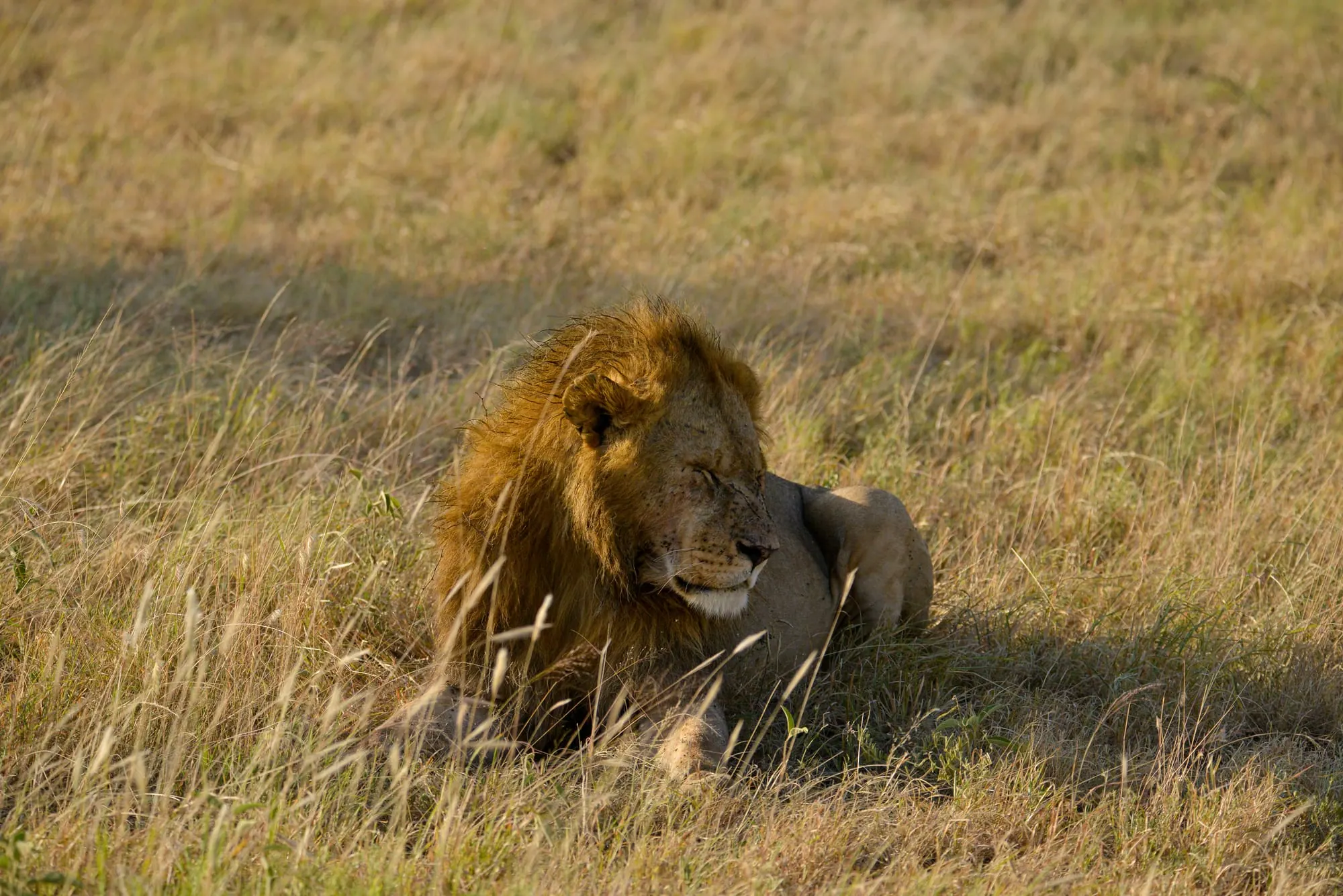
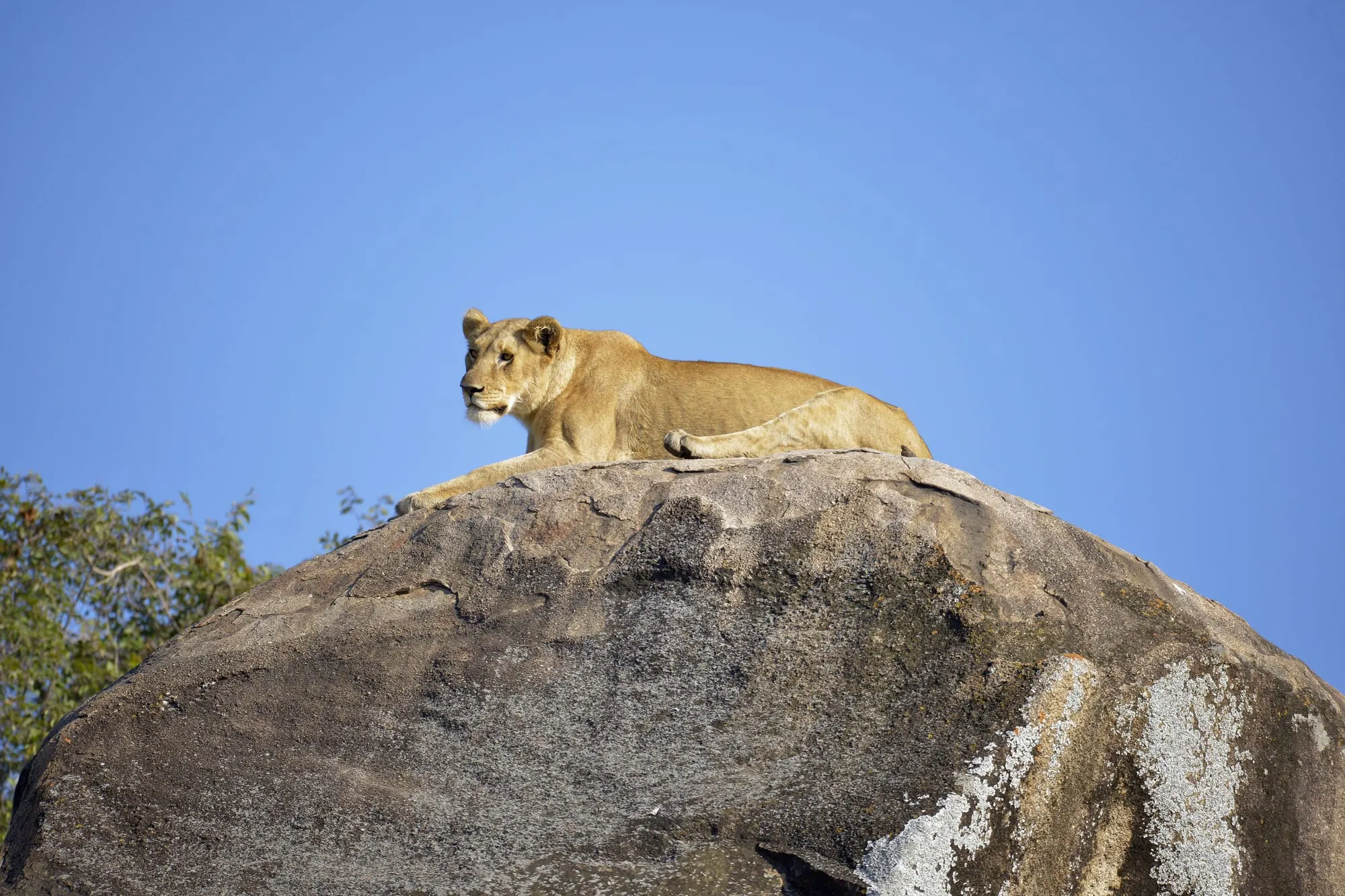
To the Maasai this land was siringet, an endless expanse where the ground never seems to stop, and the name still fits. The park spreads over northern Tanzania, with 14,763 km² made up of river forest strips, acacia woodland and open plains of short grass. National park status came in 1951, followed by UNESCO World Heritage listing in 1981, and the park forms the heart of the 30,000 km² Serengeti-Mara ecosystem that continues north over the Kenyan border. Granite kopjes, the weathered stumps of ancient volcanic activity, break up the horizon like small fortresses. Lions claim them as lookouts and leopards stretch out along the branches of the trees growing between the boulders.
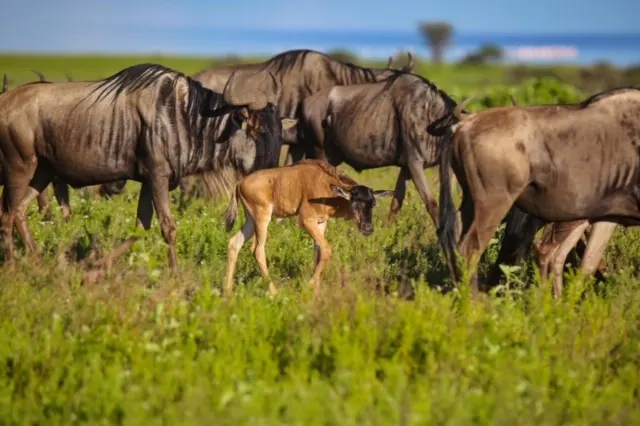
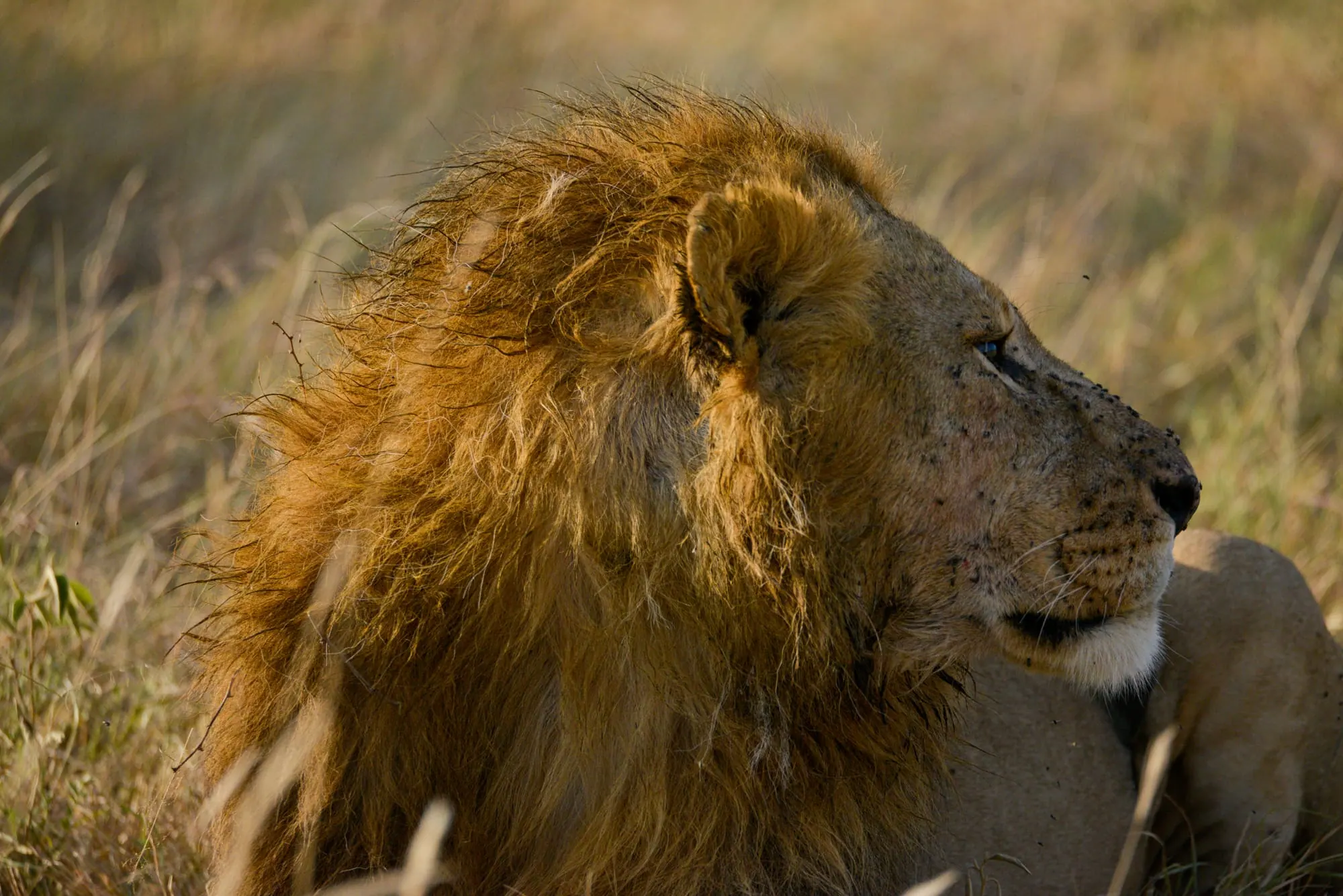
Everything here is shaped by the Great Wildebeest Migration, the biggest overland movement of mammals anywhere. More than 1.5 million wildebeest travel with around 500,000 zebra and swarms of gazelles, tracing a loop dictated by rainfall and fresh grass. They drop their calves on the southern plains from January to March, then drift north and west as the year goes on, heading for the Mara River. So much moving prey gathers a remarkable cast of hunters: roughly 3,000 lions, plus leopard, cheetah, hyena and African wild dog. Few places on the continent offer such dependable odds of watching a hunt unfold.
The park is really several parks, each with its own mood. The Seronera Valley at the centre delivers game viewing in every month and the densest concentration of predators. Far to the north, Kogatende is where herds throw themselves into the Mara River between July and October. Down south, the open country around Ndutu fills with newborn calves in the early months of the year, and the lions and hyenas that shadow them. A dawn balloon flight is the signature Serengeti experience, gliding without a sound above the herds and kopjes while the plains light up. In selected concessions, walking safaris and night drives add a different texture to the standard game drive.
Almost any month can reward a trip, but the migration follows a loop that depends on the weather, so matching the right corner of the park to the right season matters more than anything else you decide. The Serengeti sits a short drive from Ngorongoro Crater and is usually the longest stop of a northern itinerary, with three nights or more the norm because of its scale. Whether this is your first safari or your twentieth, it is the standard by which other savannas get judged.
- Wildebeest crossing the Mara River, July to October
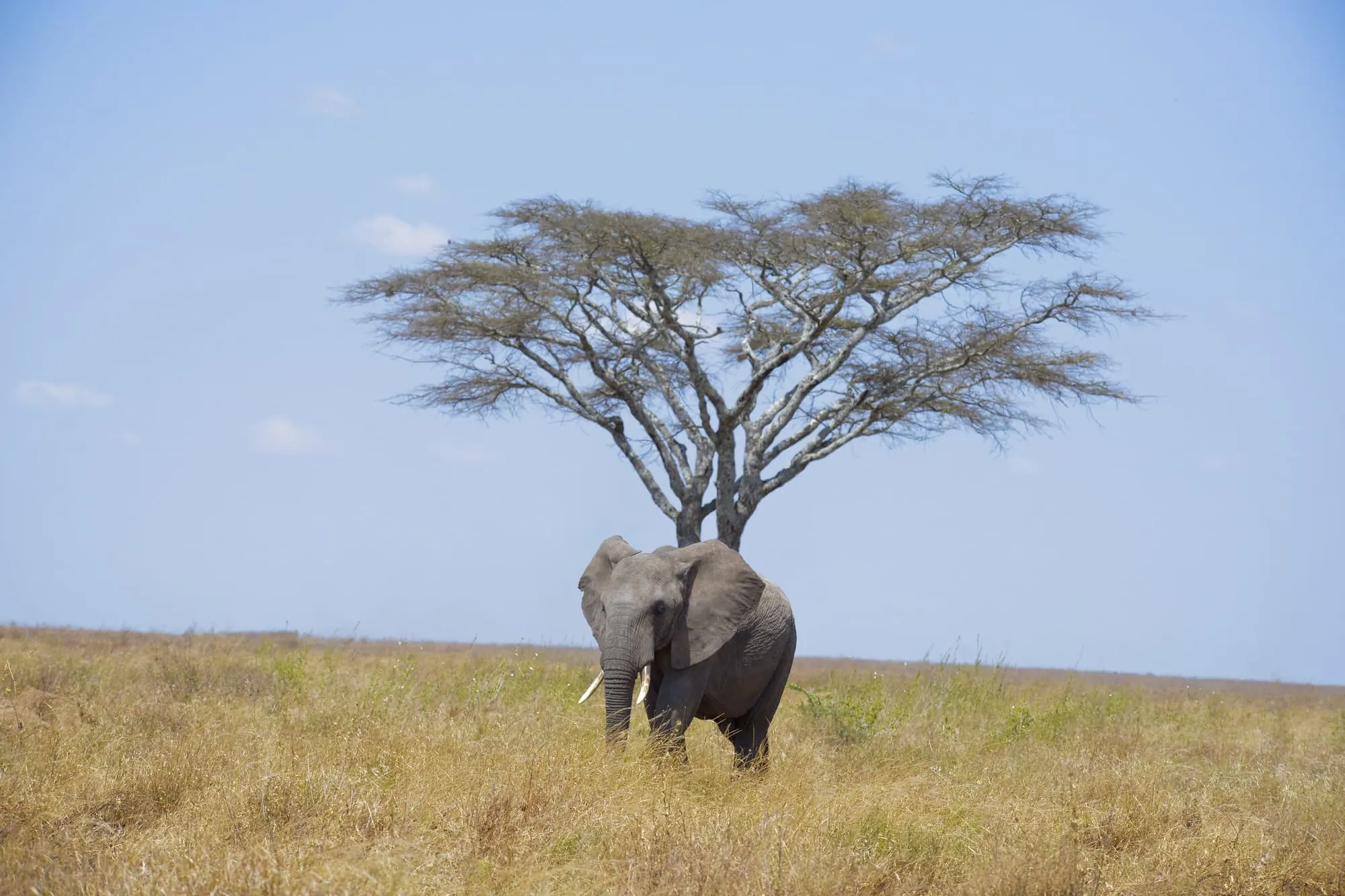
- Every member of the Big Five, from lion and leopard to elephant, buffalo and black rhino
- Cheetah and African wild dog on the open plains
- Silent balloon flights as the sun comes up
- Granite kopjes that serve as lookouts for big cats
Ready when you are
Plan a trip to Serengeti
- Jul, Aug, Sep best
Tell us your dates and group. We reply with a tailored itinerary and a clear, personal quote, with no obligation.
- Best months
- Jul, Aug, Sep, Oct, Jan, Feb
- Wildlife
- Lion, Leopard, Cheetah, Elephant, Buffalo, Rhino, Wild Dog, Hippo, Giraffe, Zebra, Wildebeest
- Size
- 14,763 km²
- From Arusha
- 335 km
- Nearest airstrip
- Flights by small scheduled aircraft into the Seronera or Kogatende airstrips (About 1 hour by air from Arusha)
Given the distances involved, most guests take a scheduled light-aircraft flight into the park. Driving from Arusha is possible and takes 6 to 8 hours.
Gallery
Serengeti in pictures
Safaris
Safaris that include Serengeti
Where to stay
Stay near Serengeti
Summit
&Beyond Serengeti Under Canvas
A luxury tented camp that relocates with the Great Migration, so the herds are already outside when you wake. Canvas suites are en suite, and meals are served in a full dining tent.
Summit
Four Seasons Safari Lodge Serengeti
Wrapped around its own waterhole in the middle of the Serengeti, with animals often drifting beneath the terrace. Four Seasons service, delivered on the open plains.
Ridge
Kubukubu Tented Lodge
A tented lodge we can slot into both the Tarangire and central Serengeti stages of a route. Rooms are en-suite, with a pool, a restaurant and an all-inclusive option.
Ridge
Lahia Tented Lodge
Tents stand out on the open plains, within easy reach of some of the Serengeti's steadiest wildlife all year. Views from camp take in the grassland and its animals.
Summit
Lemala Kuria Hills
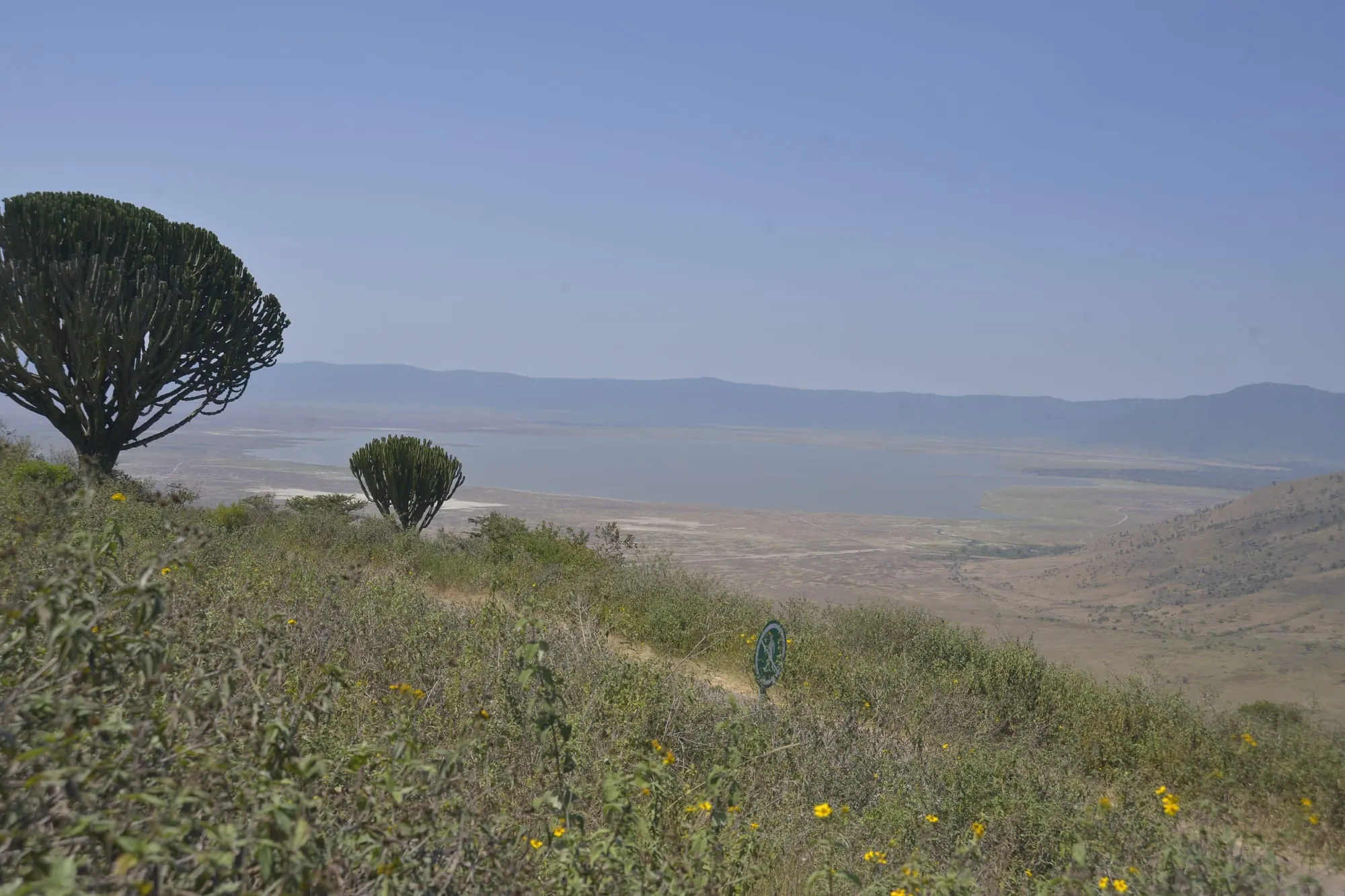
Fifteen glass-fronted suites set among giant granite kopjes in the Wogakuria Hills of the northern Serengeti, close to the Mara River and the migration corridor between July and October.
Summit
Lemala Nanyukie
Fifteen canvas-walled suites on a kopje-dotted savanna in the eastern part of the central Serengeti, each with a deck and plunge pool, in country known for its big cats.
Questions
Good to know
That hinges on the chapter you want to witness. Mara River crossings take place around July to October in the north, while calving fills the southern plains from January to March. The herds never stop moving, so no single month covers the entire spectacle.
Plan on three or four nights, because the park is enormous. If you are combining several northern parks, a single night is possible, though you will see far less of it.
It does. This is Tanzania's best-known park, with dependable Big Five sightings, good infrastructure and camps pitched at every comfort level.
Considerably. The south around Ndutu peaks from January to March for calving and the hunting that follows, whereas the north around Kogatende is at its best from July to October for river crossings.
Plan your time in Serengeti
Tell us when you want to go and we will shape the trip around it.